Must-Have Flex Head Ratchet Wrench: Power, Precision & Reach
The flex head ratchet wrench has become a staple in modern toolkits. Whether you’re a professional mechanic or a weekend DIYer, this tool offers unmatched versatility. Its unique design allows users to access tight spaces with ease. Traditional ratchets often fail in confined areas. However, the flex head ratchet wrench solves that problem. It features a movable head that pivots at multiple angles. As a result, turning bolts becomes possible even in awkward spots.
Moreover, the flex head ratchet wrench reduces strain on the user’s wrist. Instead of forcing your hand into uncomfortable positions, you adjust the head. This small change improves efficiency and comfort. Many models also include reversible mechanisms. That means you can switch between tightening and loosening without removing the tool. Overall, the combination of flexibility, durability, and precision makes the flex head ratchet wrench a top choice for countless tasks.
 What is a Flex-Head Ratchet Wrench?
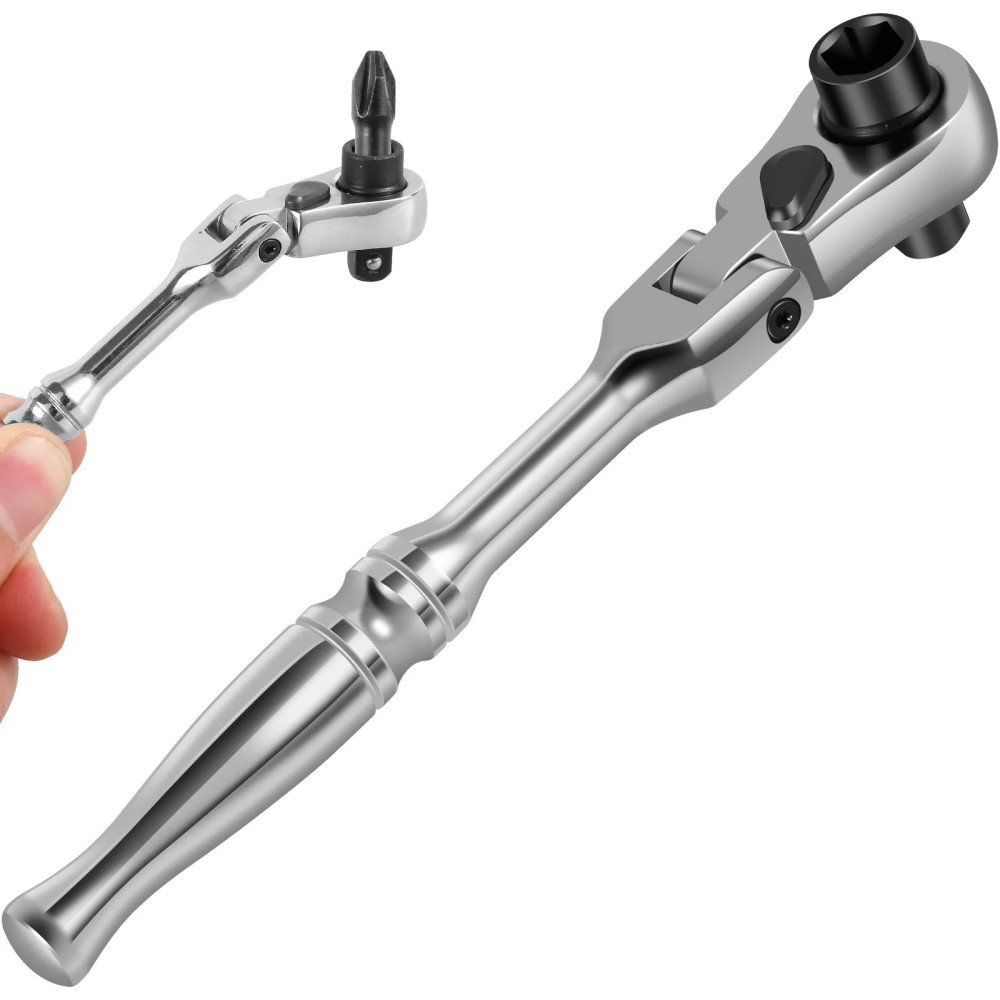
A flex head ratchet wrench is a versatile hand tool with a unique design. It combines the functionality of a traditional ratchet wrench with an adjustable, flexible head. This makes it ideal for accessing areas that standard wrenches cannot reach. Professionals and DIY enthusiasts prefer using flex head ratchet wrenches for efficient and precise work across various applications.
Design Features and Functionality
A flex head ratchet wrench is engineered for ease of movement and maximum functionality. Its primary feature is the pivoting head. This head can rotate or bend, allowing access to hard-to-reach spaces and odd angles. The handle is generally long and ergonomically designed for enhanced grip and torque. Many models come with a reversible switch for tightening and loosening bolts without repositioning the tool. This feature makes it highly practical and time-saving during repetitive tasks.
Key Components of a Flex Head Ratchet Wrench
- Flexible Head: The key feature, allowing rotation at various angles for better accessibility.
- Ratcheting Mechanism: Enables continuous motion without removing the wrench after every turn.
- Reversible Switch: Simplifies switching between tightening and loosening functions.
- Handle: Often made of durable material, ensuring a firm grip and longevity.
- Socket Compatibility: Fits various socket sizes to accommodate different bolts and nuts.
- Durable Build: Typically made of high-quality steel to withstand pressure and last longer.
These components work together to make the flex head ratchet wrench a reliable, user-friendly, and efficient tool for professionals and DIYers alike.
Benefits of Using a Flex-Head Ratchet Wrench
Improved Accessibility for Tight Spaces
A flex head ratchet wrench is a perfect tool for tight and confined spaces. Its pivoting head design allows it to reach angles and spots regular wrenches can’t. This feature is especially useful in automotive repairs or construction jobs with limited access. By eliminating the need for constant adjustments, it saves time and effort. Mechanics and DIY enthusiasts benefit from its ability to work efficiently in awkward spaces.
Enhanced Versatility in Handling Different Angles
With its flexible head, this wrench easily adjusts to various angles. It is ideal for working on bolts at odd positions or different orientations. This versatility reduces the need for multiple tools, streamlining your tasks. From loosening hard-to-reach bolts to tightening oblique fasteners, it’s incredibly adaptive. As a result, users experience convenience and a smoother workflow.
Durability and Long-Lasting Performance
Flex head ratchet wrenches are usually made with durable, high-grade steel. This ensures they can handle high pressure and resist wear over time. Their sturdy build offers reliability even under heavy-duty use. A quality flex head ratchet wrench also maintains its functionality for years with proper maintenance. This durability makes it a cost-effective investment for professionals and hobbyists alike.
By offering improved accessibility, versatility, and resilience, flex head ratchet wrenches prove invaluable across various applications.
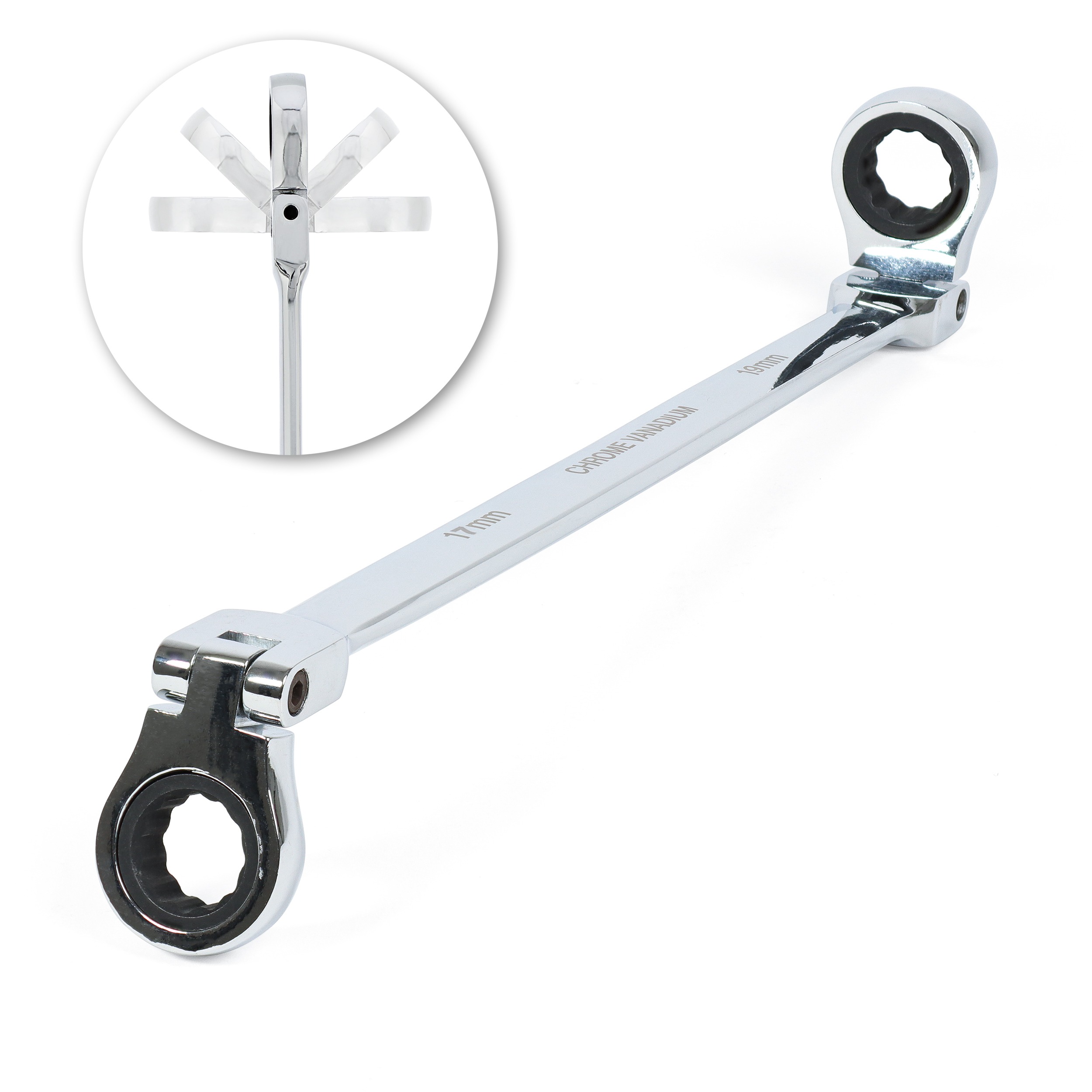 Types of Flex-Head Ratchet Wrenches
Flex head ratchet wrenches come in a variety of designs. Each type serves specific purposes based on the user’s needs. Below, we examine the main types.
Standard Flex Head Ratchet Wrench
Standard flex head ratchet wrenches are the most common type. They feature a simple design with a flexible head and varying socket compatibility. Ideal for everyday tasks, these tools are great for home repairs or basic mechanical work. They are widely available, making them excellent for general-purpose use. Additionally, their affordability ensures accessibility for both professionals and casual users.
Extended Flex Head Ratchet Wrench
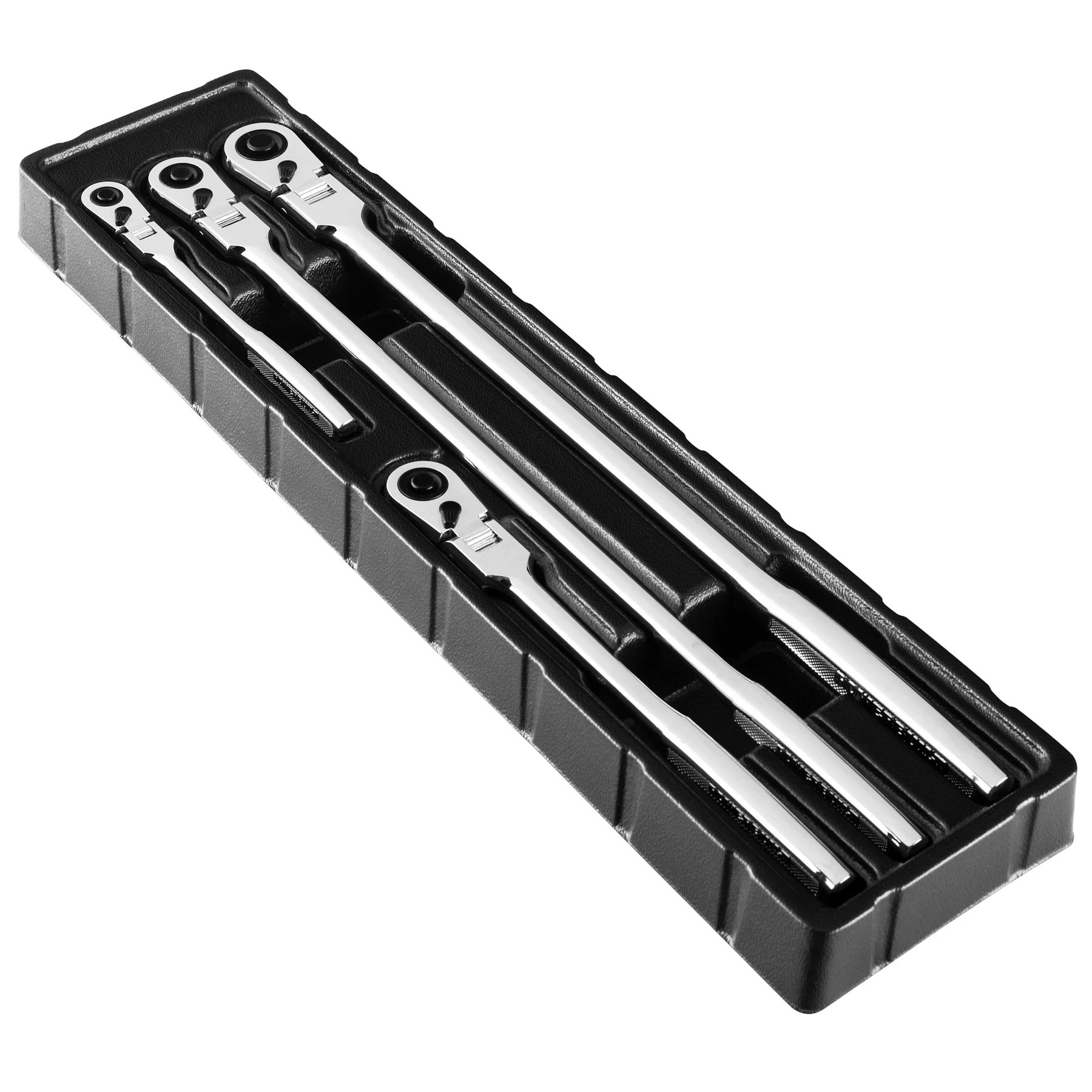
Extended flex head ratchet wrenches have a longer handle. This design provides increased leverage and torque. These wrenches are essential for tasks requiring more reach or power, especially in challenging spaces. Items such as deeply recessed bolts or hard-to-reach fasteners are easier to handle. The extended reach helps professionals, particularly in automotive and machinery repairs.
Specialized Flex Head Ratchet Wrench Designs
Specialized flex head ratchet wrenches cater to specific tasks or industries. Some feature unique attachment points, while others are built to withstand extreme conditions. These wrenches often include additional features such as locking heads or ergonomic handles. They enhance precision and are favored in high-demand fields like aerospace and advanced mechanical engineering. Their customized functions make them a valuable asset for specialized applications.
Choosing the right type of flex head ratchet wrench depends on your specific tasks. Always evaluate the design features and functionality before making a selection.
Choosing the Right Flex-Head Ratchet Wrench
Selecting the right flex head ratchet wrench ensures efficiency and satisfaction. Each user’s needs may vary, making it important to assess features before buying.
Factors to Consider When Buying One
- Purpose and Frequency of Use: Buy a wrench suitable for the tasks you do most often. Select a heavy-duty wrench for frequent or intense work. Casual users may prefer lighter, standard models.
- Size and Socket Compatibility: Ensure the wrench is compatible with the socket sizes you use. Versatile wrenches allow you to tackle varied projects.
- Material and Durability: Choose wrenches made of high-grade steel for long-lasting performance. Durable tools withstand heavy pressure and resist rust.
- Flexibility of the Head: A highly flexible head helps when working in tight spaces. It improves convenience and accessibility.
- Ergonomics: Look for wrenches with comfortable handles for firm grip and ease of use. Ergonomic designs reduce hand fatigue during prolonged tasks.
- Additional Features: Some wrenches have features such as locking heads or reversible switches. These improve control and functionality.
Comparing Popular Brands and Models
Different brands offer flex head ratchet wrenches with specific features. Compare their designs, durability, and cost to make an informed choice.
- High-End Brands: Premium brands offer precision-engineered wrenches with superior durability. They are ideal for professionals needing reliability.
- Mid-Range Brands: Mid-tier manufacturers provide balanced performance at affordable rates, suiting casual users.
- Budget-Friendly Options: Economical brands sell functional wrenches for basic tasks. They are a good choice for beginners or rare use.
Research product reviews and specifications to identify trusted models. Consider warranty and customer support for added assurance.
When choosing a flex head ratchet wrench, weigh its functionality, comfort, and cost. This ensures you select the tool best suited to your needs.
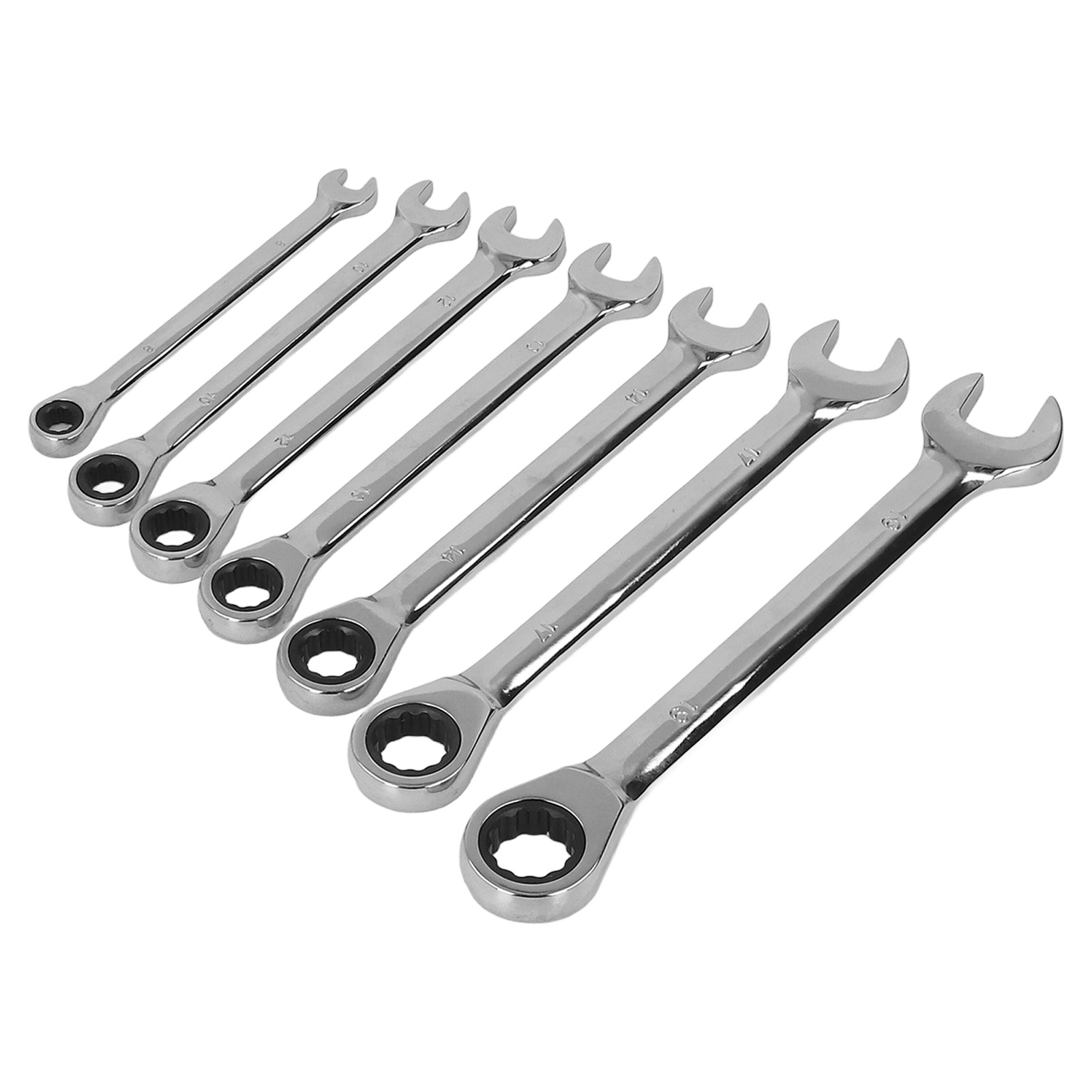 Applications of Flex-Head Ratchet Wrenches
Flex head ratchet wrenches are invaluable tools for various applications. Their versatility makes them suitable for professional and personal use. Below are a few key areas where these wrenches prove their worth.
Automotive Repairs
A flex head ratchet wrench is a must-have for automotive repairs. It is ideal for reaching tight spaces in engine parts and undercarriages. The flexible head helps loosen or tighten bolts located in hard-to-access areas. Tasks like replacing spark plugs or adjusting brakes become easier and faster. Mechanics often rely on these wrenches for precise maneuvers in confined spaces, saving both time and effort.
Construction and Engineering
In construction and engineering, flex head ratchet wrenches are essential for fastening bolts at odd angles. They work efficiently in structural assemblies, piping installations, and machinery setups. Their ergonomic design reduces strain during prolonged use, increasing productivity on job sites. Professionals use specialized models to handle tasks that require precision and durability. These wrenches also handle heavy-duty projects in complex systems.
DIY and Home Projects
DIY enthusiasts benefit greatly from flex head ratchet wrenches. They are perfect for home repairs, furniture assembly, and everyday maintenance tasks. The adjustable head simplifies work in tight corners and tricky spots. Casual users appreciate their ease of use and cost-effectiveness. Whether fixing a leaky pipe or assembling a garden shed, these wrenches provide convenience and efficiency for household jobs.
Flex head ratchet wrenches excel across multiple applications, showcasing their versatility, durability, and accessibility. For professionals and amateurs alike, no toolbox is complete without one.
Maintenance and Care Tips
Proper maintenance guarantees the long life and performance of your flex head ratchet wrench. Taking care of your tool ensures smooth functionality and prevents wear damage. Below are detailed tips to maintain your wrench effectively.
Cleaning Your Wrench
- Regular Cleaning: Wipe the wrench after every use, especially if exposed to grease or dirt.
- Use Mild Detergent: Clean with a cloth soaked in warm, soapy water to remove stubborn residue.
- Avoid Harsh Chemicals: Do not use strong chemicals, which may corrode or damage the wrench’s finish.
- Lubricate Moving Parts: Apply a light machine oil on the ratcheting mechanism to prevent stiffness.
- Inspect for Damage: Check for loose parts, dents, or cracks while cleaning.
Keeping it clean avoids build-up of debris that may impair its functionality.
Storing Properly to Preserve Functionality
- Dry Before Storing: Ensure the wrench is completely dry before storing to prevent rust.
- Keep in a Toolbox: Store it in a toolbox or case for protection against dust and damage.
- Avoid Humid Areas: Always store the wrench in dry conditions to prevent corrosion.
- Hang or Lay Flat: If possible, hang the wrench or lay it flat in a secure space.
- Organized Placement: Group your wrenches by type for quick access when needed.
Proper storage preserves the wrench for long-term use and helps avoid unnecessary wear.
Troubleshooting Common Issues
- Stiff Ratcheting Motion: Apply more lubrication to the mechanism and work it to loosen stiffness.
- Bent Head: Avoid using excessive force on the wrench to retain its functionality.
- Rust Formation: Remove rust with a wire brush and apply anti-corrosion spray.
- Loose Screws: Tighten any screws or bolts that seem to be coming off.
- Reduced Grip or Torque: Replace worn handle grips for better usability.
Regular troubleshooting ensures your wrench remains efficient and prevents the need for replacement.
Maintaining your flex head ratchet wrench with cleaning, proper storage, and troubleshooting guarantees a reliable tool for years.
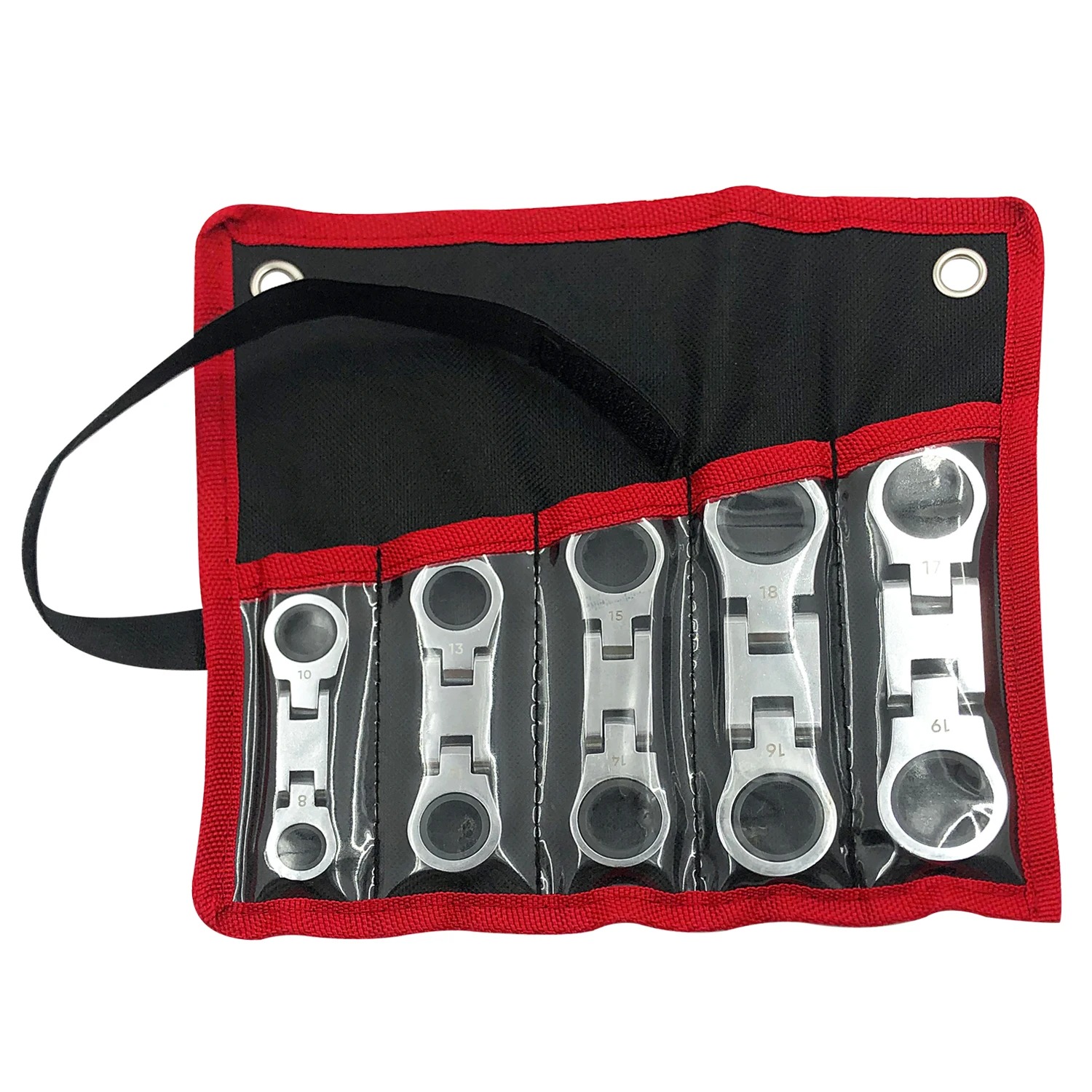 Frequently Asked Questions
Common Queries Answered Clearly
Can I use a flex head ratchet wrench with impact tools? No, most are not rated for impact drivers or guns. They are designed for hand use only. Using them with power tools may damage the internal mechanism.
Is the flex head durable under high torque? Yes, if made from quality materials. Chrome vanadium steel models handle high torque well. Always avoid excessive force beyond the tool’s rating.
How do I clean and maintain it? Wipe off grease after each use. Occasionally disassemble if possible and clean the joint. Use light machine oil on moving parts.
Can the head be locked in position? Yes, most models have a locking lever or knob. This prevents unwanted movement during use.
Are replacement parts available? Some brands offer spare handles or heads. Check with the manufacturer before purchasing.
Does it work with standard sockets? Absolutely. The square drive fits all universal sockets. No special accessories are needed.
Can left-handed people use it? Yes, the ratcheting switch works in both directions. The flex head adjusts regardless of hand dominance.
Is it worth the extra cost? For most users, yes. The time and effort saved justify the price.
Final Thoughts
The flex head ratchet wrench has earned its place in both professional and home toolkits. It combines smart engineering with real-world usability. From tight engine bays to hidden appliance bolts, it delivers consistent performance.
Its ability to pivot and lock at precise angles sets it apart from standard ratchets. Users gain access, control, and comfort in one tool. Over time, this reduces frustration and increases productivity.
Whether you’re repairing a car, installing furniture, or maintaining equipment, the flex head ratchet wrench proves invaluable. It adapts to the job, not the other way around.
For anyone who values efficiency and reliability, owning a flex head ratchet wrench makes perfect sense. It’s not just a tool—it’s a solution.