90 Degree Screwdriver: The Must-Have Tool for Tight Spaces
Contents
hide
Overview
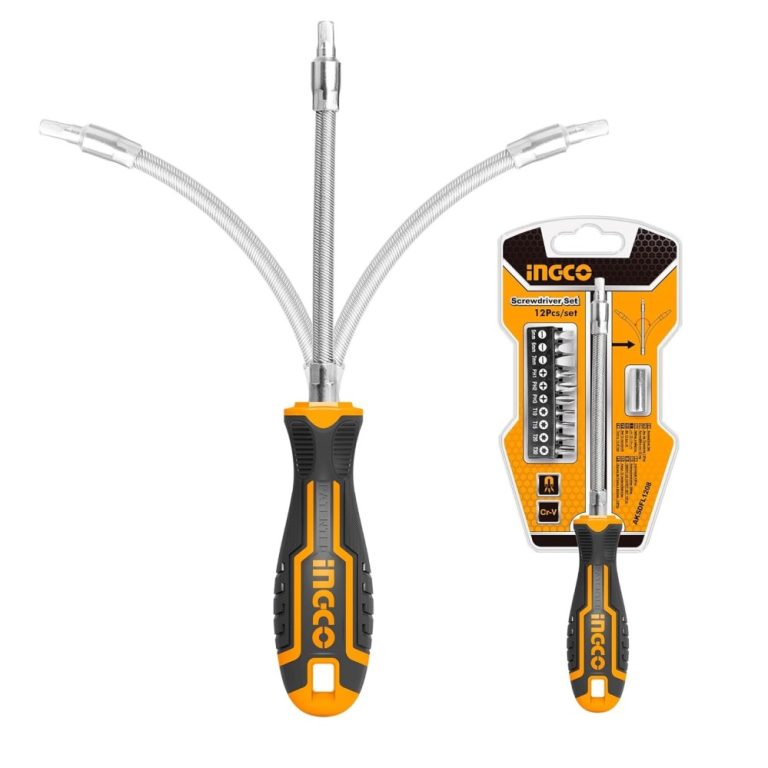
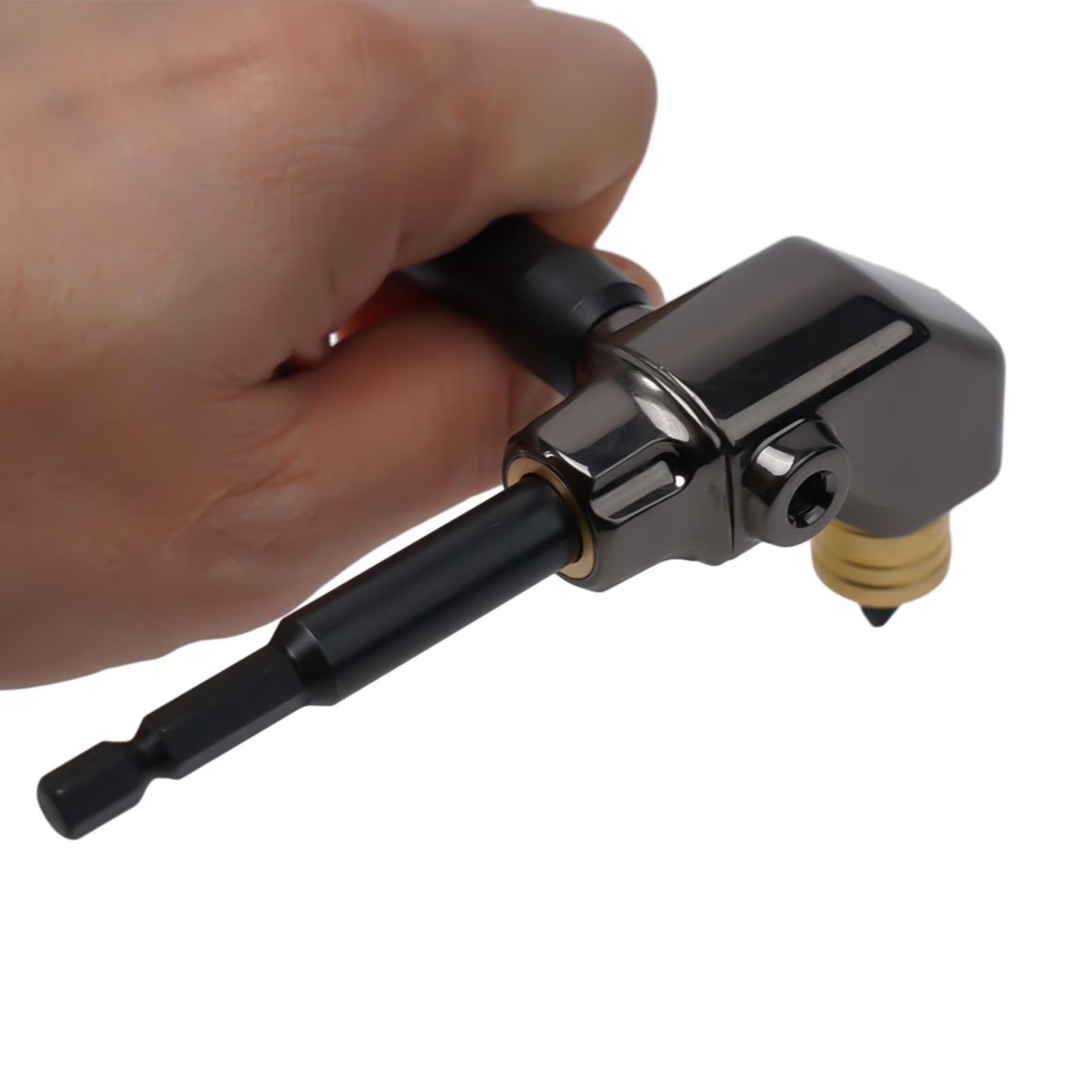
A 90 degree screwdriver, with its right-angled bend, is a unique tool. It allows users to drive or remove screws in confined spaces where a regular straight screwdriver wouldn’t fit. The design features a handle that’s perpendicular to the screwdriver bit. This configuration helps to exert the required torque without needing much clearance above or around the screw head.
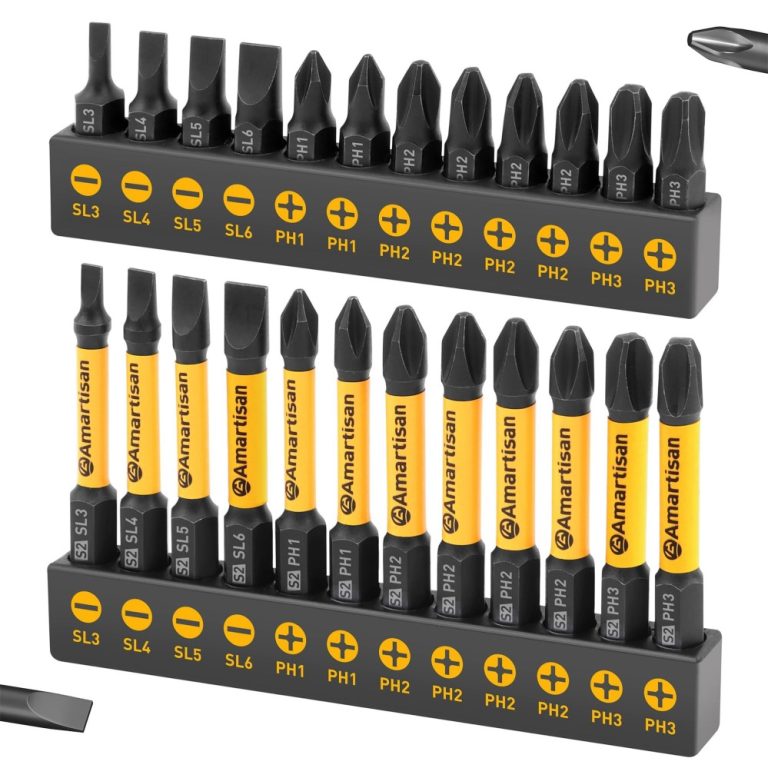
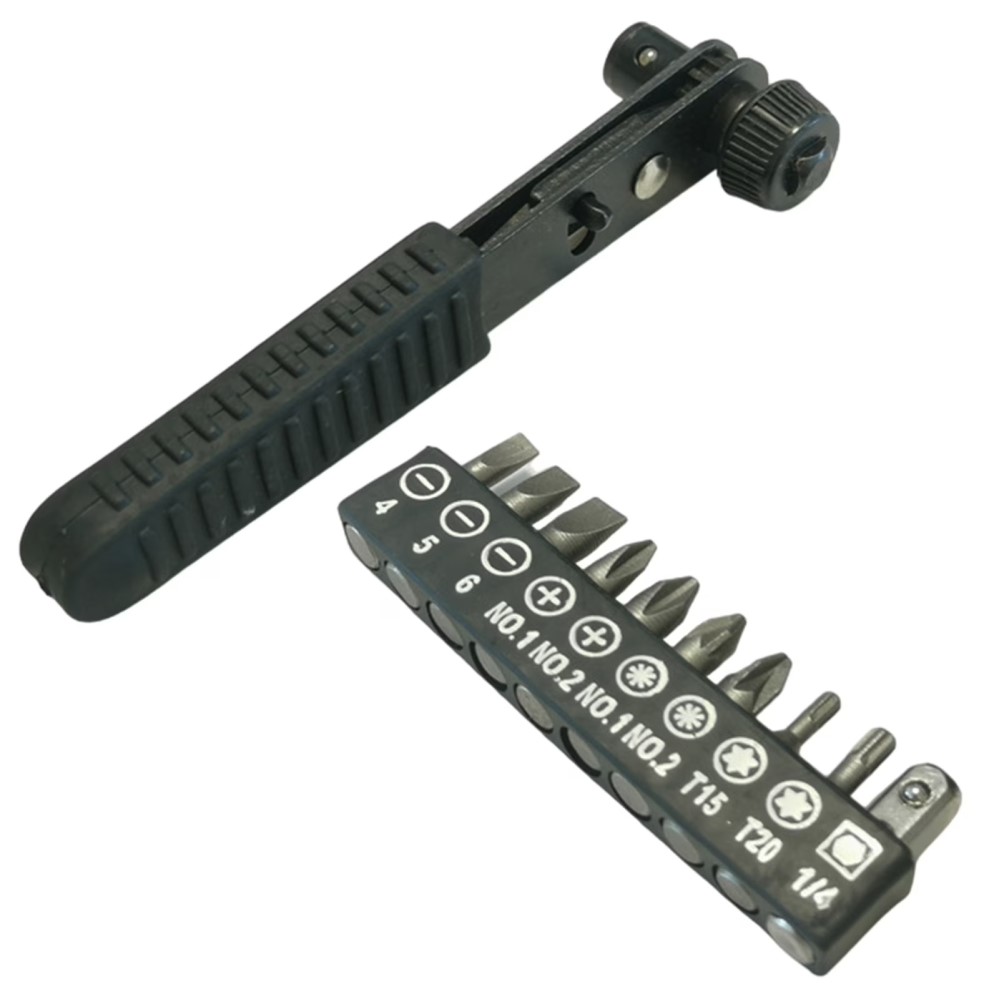
Typically, the bit can be a Phillips, flathead, or a variety of other types, making the 90 degree screwdriver versatile. It’s a favorite among mechanics, carpenters, and DIY enthusiasts who often work on projects with limited space. Its compact size and shape also make it convenient to store and carry, rounding out the practical benefits of this specialty tool.
The importance of the 90 degree screwdriver lies in its ability to reach screws at awkward angles without the need for specialized equipment. This capability ensures that tasks don’t stall when faced with tight spots. For anyone who takes on home improvement projects or works with intricate machinery, a 90 degree screwdriver is an indispensable addition to their toolkit. Moreover, it reduces hand strain. No more twisting your wrist awkwardly. The design follows natural motion. You push forward instead of rotating sideways. Comfort improves over long jobs.
 Advantages of Using a 90 Degree Screwdriver
The 90 degree screwdriver offers a host of benefits that make it a valuable tool for anyone working in tight spaces or with limited room to maneuver. Let’s explore some of the key advantages:
- Accessibility: One of the most prominent advantages of using a 90 degree screwdriver is its ability to access hard-to-reach screws. The angled design lets you work around obstructions that would otherwise block a standard screwdriver.
- Torque: Despite its compact size, this type of screwdriver allows for the application of significant torque. The right-angle handle provides the leverage needed to tighten or loosen screws with less effort.
- Versatility: With the possibility of changing bits, the 90 degree screwdriver can adapt to various screw types and sizes. This versatility means you only need one tool for multiple tasks.
- Ergonomics: The design of a 90 degree screwdriver often comes with an ergonomic handle, which makes it easier and more comfortable to hold for prolonged periods, reducing hand fatigue.
- Portability: Its distinctive shape and compact size mean that it can easily fit into a tool bag or pocket, ensuring that it’s always within reach when needed.
- Minimal Clearance Needed: For projects where clearance above the screw is limited, a regular screwdriver isn’t suitable. The 90 degree screwdriver, however, thrives in such environments.
Choosing to add a 90 degree screwdriver to your toolkit means embracing practicality and efficiency. It is a testament to ingenuity in tool design, ensuring that no screw is ever out of reach, and no task is too constrained for completion.
Common Uses in Tight Spaces
The 90 degree screwdriver shines in several scenarios where traditional tools flounder. Its right-angle design is instrumental in many contexts. Here’s how various professionals and DIYers use the 90 degree screwdriver:
- Furniture Assembly: When putting together flat-pack furniture, space is often limited. The 90 degree screwdriver can easily fit into these narrow recesses.
- Automotive Repairs: Mechanics frequently encounter screws located in tight spots of an engine bay. This tool allows them to work efficiently in these confined areas.
- Electrical Work: Electricians benefit from the 90 degree screwdriver when working on crowded circuit boards or wiring in small junction boxes.
- Appliance Repair: Fixing appliances often involves reaching screws tucked away behind components, making the right-angled tool indispensable.
- Computer Assembly: IT professionals use 90 degree screwdrivers to install or remove screws within the small confines of computer cases.
- Crafts and Model Building: Enthusiasts working on detailed crafts or models will find that this screwdriver can access screws that standard tools cannot.
For tasks where space constraints demand precision and maneuverability, the 90 degree screwdriver proves its worth. Its versatility makes it a must-have for any serious toolkit.
 Features to Look for
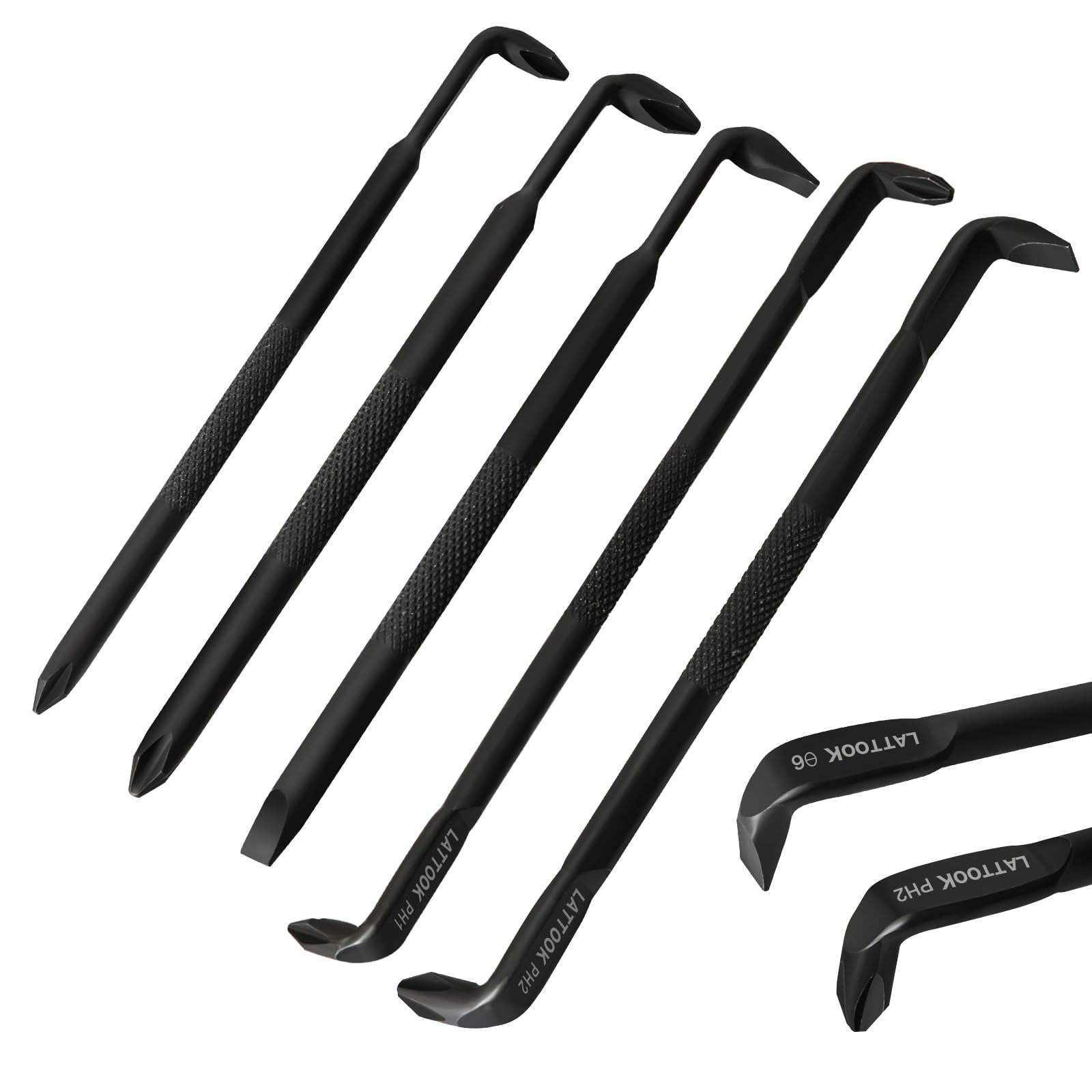
Selecting the right 90 degree screwdriver involves several considerations to ensure you get a tool that meets your needs. When shopping for this essential tool, here are the key features to keep an eye on:
- Bit Compatibility: Check for a model that allows for easy bit swapping. This versatility increases the screwdriver’s usefulness across various tasks.
- Handle Comfort: An ergonomic handle will offer better grip and comfort. Look for one that fits well in your hand, which is crucial for prolonged use.
- Durability: Quality materials mean a longer lifespan. Opt for screwdrivers with strong and corrosion-resistant construction.
- Size and Portability: Consider the size for ease of use and transportation. A compact screwdriver is easier to carry and store.
- Torque Adjustment: Some models offer adjustable torque settings. This feature aids in preventing over-tightening and potential damage to screws or surfaces.
- Magnetic Tip: A magnetic tip helps to hold screws and can be particularly helpful in tight spaces where manual alignment is tricky.
- Ratchet Mechanism: A ratcheting feature can make driving screws faster and more efficient, especially in restricted spaces.
Your choice of a 90 degree screwdriver should combine practicality with comfort. By paying attention to these features, you’ll ensure that your selection not only fits into tight spots but also contributes to a comfortable and productive work experience.
Top Recommended for DIY Enthusiasts
DIY enthusiasts appreciate tools that make tasks simpler and more efficient. A 90 degree screwdriver is one such tool that deserves a spot in every DIYer’s toolbox. For those looking to buy or upgrade, we have compiled a list of top recommended 90 degree screwdrivers.
- Compact Design Model: Look for a screwdriver with a slim and ergonomic handle. It should fit snugly in tight spots and not slip in your hand.
- Multi-Bit Functionality: Choose a screwdriver that comes with a variety of bits. This will help you tackle different projects without needing multiple tools.
- Sturdy Build: You want a tool that can withstand the rigors of constant use. Find a screwdriver made with durable materials that resist wear and tear.
- Convenient Ratchet System: A model with a smooth ratchet mechanism will save you time and effort. It allows for quick screw driving without repositioning the tool.
- Magnetic Tip: This is a game-changer for holding screws in place. It is a must-have, especially when working overhead or in very cramped spaces.
- Adjustable Torque: If possible, get a screwdriver with torque settings. It prevents damaging delicate materials or stripping screws.
Remember to check product reviews and see what other DIY enthusiasts recommend. They may have hands-on experience that can guide your purchase. A reliable 90 degree screwdriver will help you accomplish more with less hassle and frustration.
 How to Use a 90 Degree Screwdriver Effectively
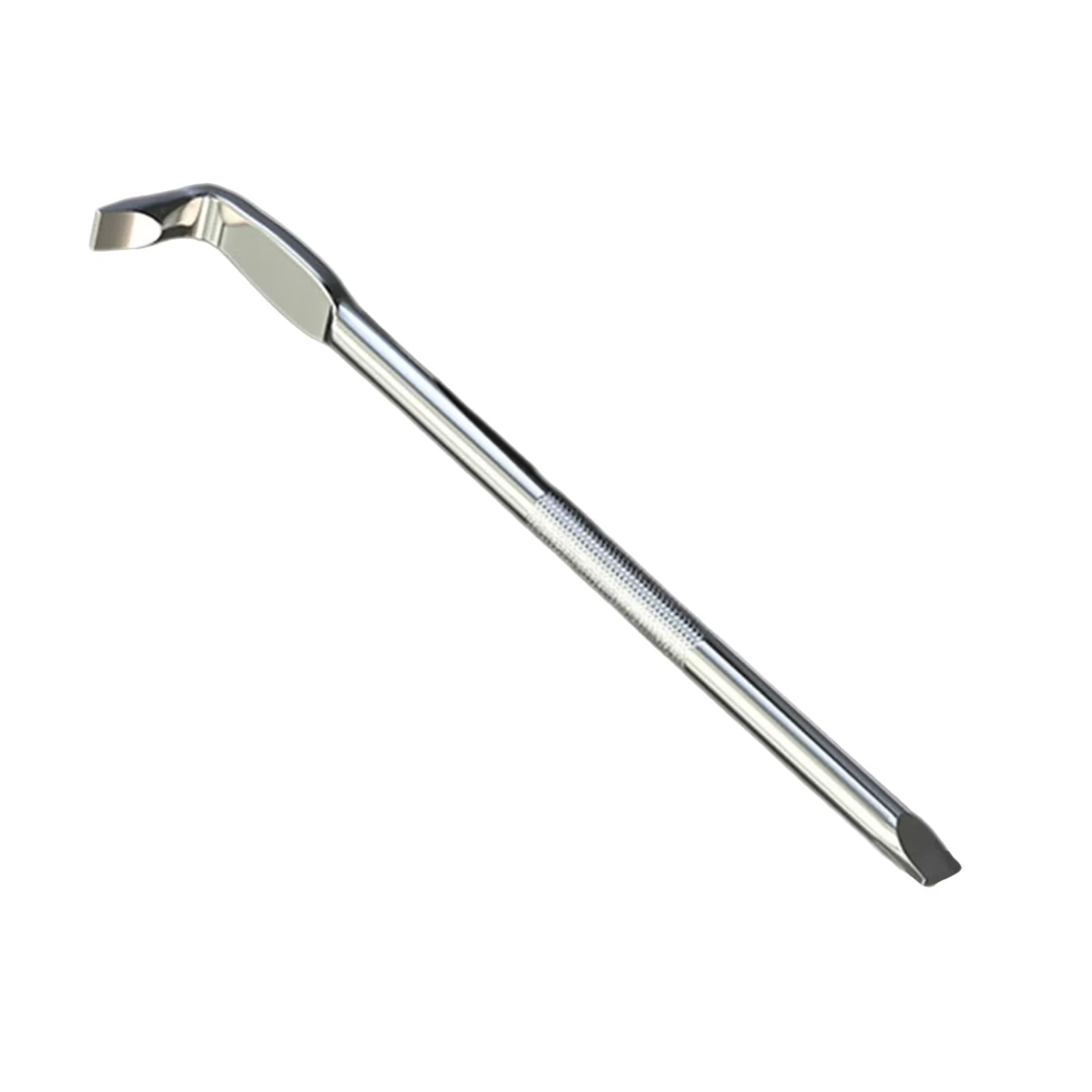
To get the most out of your 90 degree screwdriver, follow these tips:
- Start with the Right Bit: Choose the correct bit for the screw. A bad fit can strip the screw.
- Apply Pressure: Press down firmly on the handle while turning. This ensures the bit stays in contact with the screw.
- Turn Slowly: Avoid rushing. Turning the screwdriver slowly prevents slipping and protects the hardware.
- Use Both Hands: For more control, use one hand to turn and the other to stabilize the screwdriver.
- Keep It Straight: Align the screwdriver bit with the screw head. An angle can damage the screw and tool.
- Leverage Your Body: Use your body weight for extra force when necessary, but don’t overdo it.
- Work at Eye Level: When possible, work at a height where you can see what you’re doing clearly.
By following these steps, your 90 degree screwdriver will be a dependable ally in tight spots. Proper usage ensures longevity of both your tool and screws.
Maintenance and Care Tips
Proper maintenance ensures that your 90° screwdriver remains reliable and efficient. Here are some care tips to follow:
- Keep It Clean: After use, wipe your screwdriver with a clean cloth. Remove dust and dirt.
- Store Properly: Place your screwdriver in a dry, safe spot. Avoid damp areas to prevent rust.
- Check Bits Regularly: Inspect the bits for wear and tear. Replace them if they are damaged.
- Lubricate Joints: If your screwdriver has moving parts, apply lubricant occasionally. This will keep the action smooth.
- Tighten Any Loose Parts: Over time, parts may loosen. Tighten them to ensure your tool works well.
- Avoid Dropping: Handle your screwdriver with care. Dropping it can damage the tool or throw it out of alignment.
- Use as Intended: Do not use your screwdriver as a pry bar or hammer. This can harm its structure.
Remember, a well-maintained 90° screwdriver is a more dependable tool. Take good care of yours, and it will help you tackle those tight spots for years to come.
 Comparing 90 Degree Screwdrivers with Traditional Models
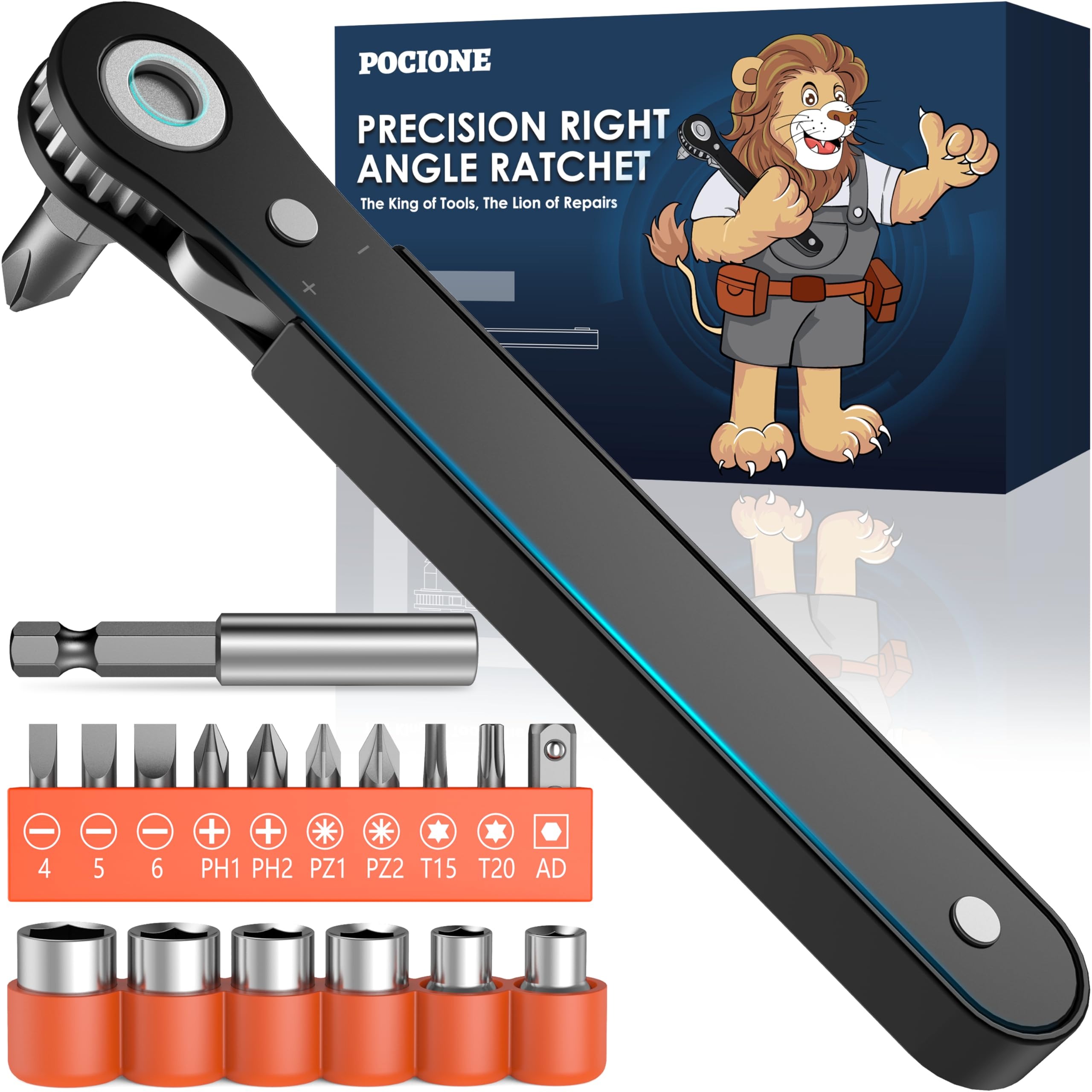
When deciding between a 90° screwdriver and a traditional straight model, consider their differences. Here’s how they stack up against each other:
- Maneuverability: In tight spaces, the 90 degree model has a clear edge. It offers better reach and maneuverability than straight screwdrivers.
- Torque Application: The angled handle of a 90° screwdriver allows for more torque with less effort. Traditional screwdrivers may require more clearance to generate similar torque.
- Ergonomics: Ergonomic benefits are more prominent in 90 degree models. They are designed to minimize hand fatigue, which is great for long projects.
- Accessibility: Traditional screwdrivers need more room above the screw. With a 90 degree screwdriver, there’s no need for extra space.
- Versatility: While traditional screwdrivers work well in open areas, the 90 degree screwdriver is more versatile in various situations.
- Ease of Use: For beginners, a traditional screwdriver may seem easier to use. However, with a little practice, the 90 degree screwdriver can be just as simple.
To sum up, a 90 degree screwdriver outperforms traditional models in compact areas. It’s the go-to solution for those hard-to-reach screws. If you’re working with more open spaces, a traditional screwdriver might suffice. Ultimately, having both types of screwdrivers can cover all your repair and building needs.
Frequently Asked Questions
Can I Use a 90 Degree Screwdriver on All Screw Types?
Yes, if it accepts the correct bit. Most 90° screwdriver models support standard types. Just match the bit to the screw head.
Phillips and flatheads are easiest. Torx and hex require specific inserts. Make sure your tool includes them. Universal kits offer more flexibility.
Always check size fit. A mismatch strips the screw. Test before applying full force. The 90° screwdriver only works well with proper alignment.
Is a 90 Degree Screwdriver Better Than a Right Angle Attachment?
It depends on your needs. A dedicated 90° screwdriver is compact. It fits tighter spaces. It’s perfect for light-duty tasks.
Right-angle attachments work with power drills. They offer more torque. Ideal for heavy materials like thick wood or metal.
For home use, the handheld 90° screwdriver wins. It’s simpler and safer. For construction, powered attachments may be better. Choose based on workload.
Can I Replace Bits on My 90 Degree Screwdriver?
Yes, most models allow bit changes. They use a collet or quick-release collar. Press a button or pull the sleeve. Insert a new bit. Release to lock.
Keep spare bits handy. Label them for easy identification. Store in a carrying case. This extends the life of your 90 degree screwdriver.
Using worn bits harms screws. Replace them when tips show signs of wear. Sharp bits give clean performance. Regular updates ensure efficiency.
Do Professional Mechanics Use 90 Degree Screwdrivers?
Yes, many do. Especially in automotive and appliance repair. They keep a 90° screwdriver in their toolkit.
It helps with interior trim, fuse boxes, and engine components. Space is limited. Time is valuable. This tool speeds up service.
Even certified technicians recommend it. It’s not just for DIYers. Professionals trust it for accuracy. The 90 degree screwdriver proves useful in real-world conditions.
Final Thoughts
The 90 degree screwdriver is more than a niche tool. It fills a critical gap in manual work. Where straight drivers fail, it succeeds. Its smart design solves real problems.
From home projects to professional repairs, it adds convenience. It reduces physical strain. It prevents damage and it speeds up completion times.
Whether manual or powered, the 90 degree screwdriver earns its place. Every toolbox benefits from one. It’s affordable, durable, and effective.
For anyone who fixes things regularly, this tool is essential. It unlocks possibilities. It makes impossible jobs possible. Understanding what a 90 degree screwdriver can do changes how you approach repairs.
In short, owning a 90 degree screwdriver means being prepared. It means working smarter. It means finishing faster. For every builder, tinkerer, or homeowner, it’s a wise investment.