How a Lug Nut Wrench Makes DIY Wheel Maintenance Easier
Changing a flat tire is a basic skill every driver should know. A lug nut wrench plays a central role in this task. Without it, removing or tightening wheel nuts becomes nearly impossible.
First, this tool provides the leverage needed to break stubborn lug nuts. It fits over each nut and allows you to apply strong force by hand. Most vehicles come with one stored in the trunk.
Then, using the right wrench prevents damage to rims and bolts. A poorly fitting tool can strip edges or snap studs. This leads to costly repairs.
Also, different types of lug nut wrenches exist. Some are cross-shaped, others are single-bar designs. Each offers unique benefits depending on space and strength needs.
Moreover, many drivers upgrade their factory tools. Factory wrenches are often lightweight and flimsy. Upgraded versions deliver better durability and grip.
In addition, proper storage keeps the tool ready when needed. Keep it with your spare tire kit. Check it during routine maintenance.
Therefore, understanding what a lug nut wrench does helps ensure safety and efficiency. Let’s explore its types, uses, and best practices.
Contents
hide
 What is a Lug-Nut Wrench?
A lug nut wrench is an essential tool for vehicle owners. It is designed to loosen and tighten lug nuts, the fasteners that hold your wheels onto the vehicle. Understanding its purpose and the types available can help you choose the best one for your car maintenance needs.
Purpose and function of a lug nut wrench
The primary purpose of a lug nut wrench is to remove and secure lug nuts. It is commonly used during tire changes, wheel rotations, or vehicle repair tasks. Using the right wrench ensures proper torque, reducing the risk of loose wheels or overtightened nuts. A good-quality lug nut wrench can make the task quick, efficient, and safe.
Types of lug nut wrenches available in the market
Lug nut wrenches come in various designs to cater to different needs:
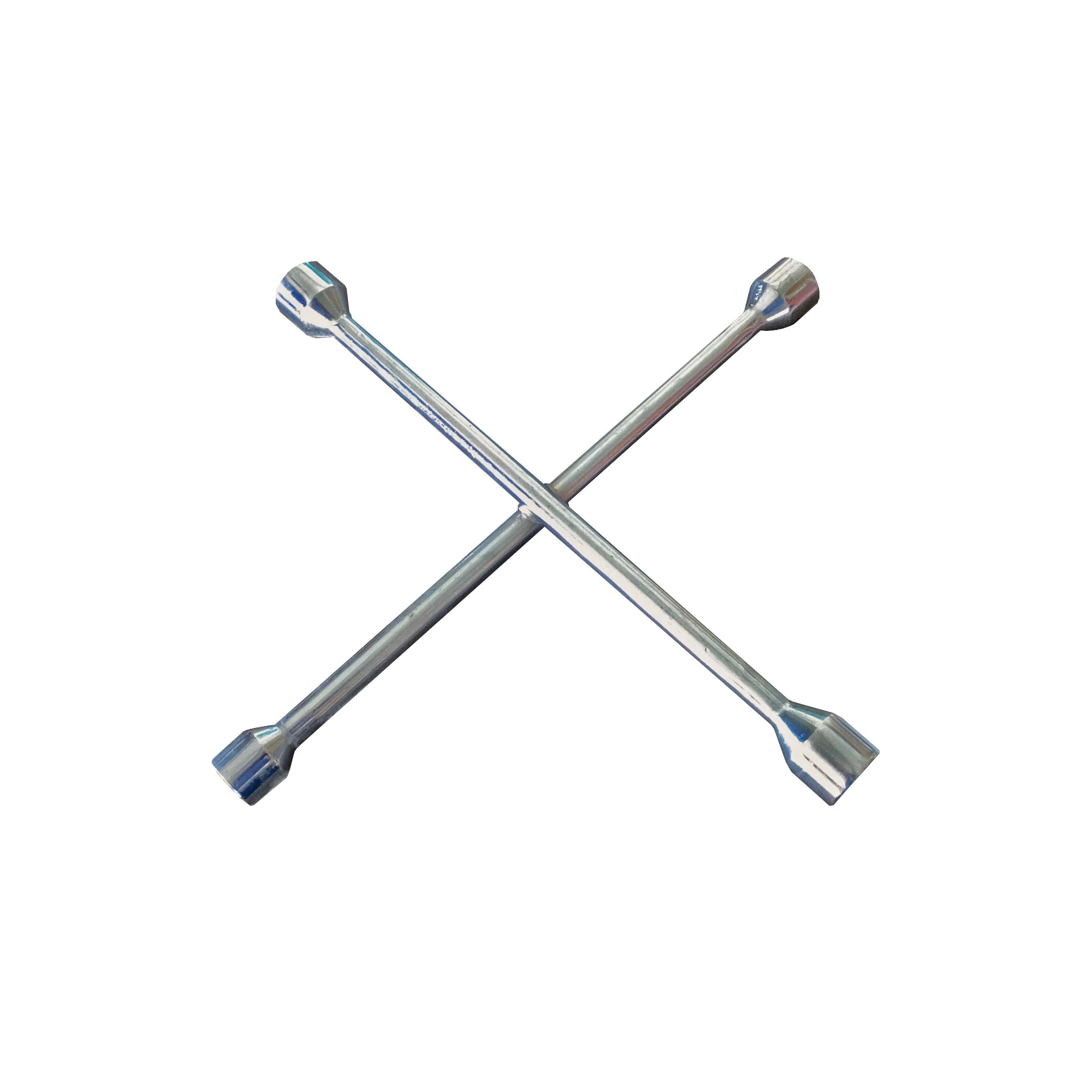
- Cross Wrenches: These traditional four-armed wrenches offer multiple socket sizes and excellent leverage. They are sturdy and versatile but can be bulky to store.
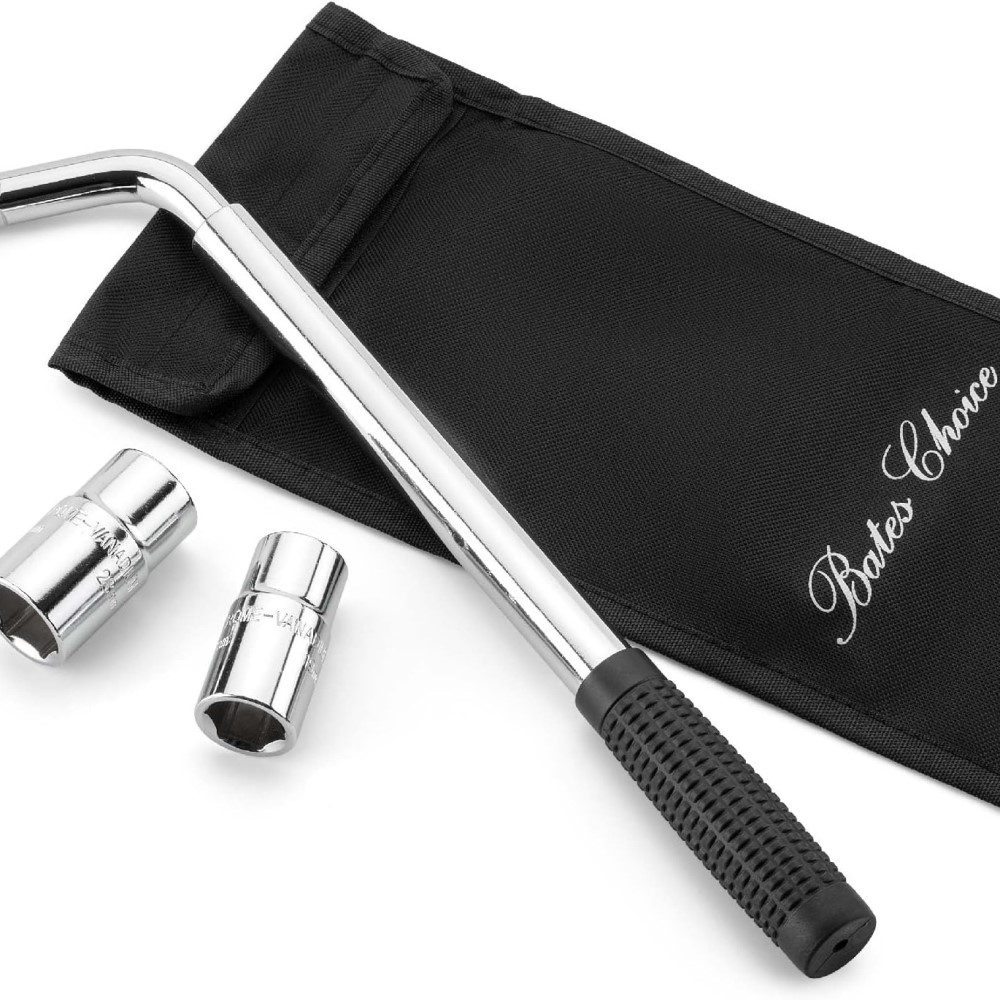
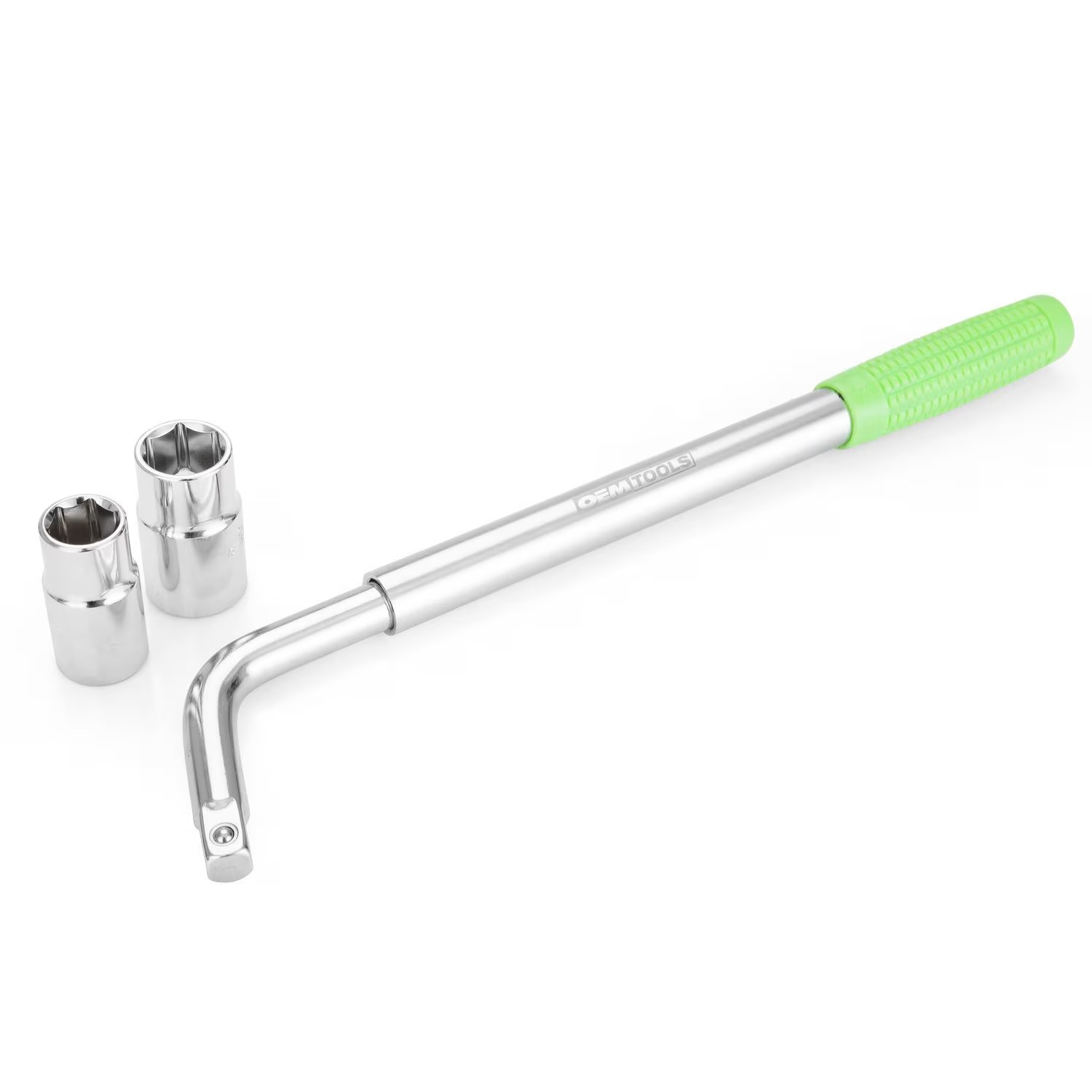
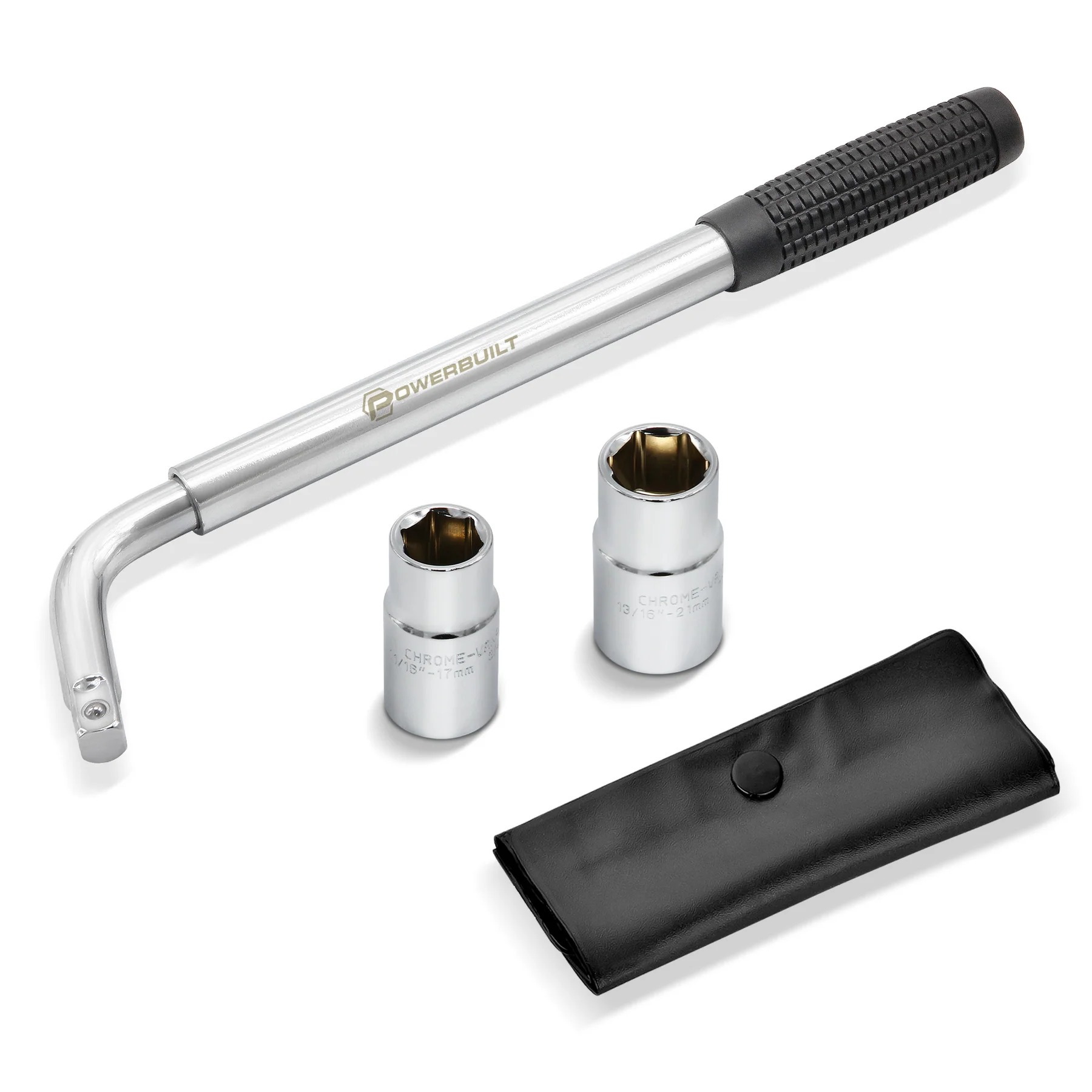
- Telescoping Wrenches: These wrenches have extendable handles for added leverage. They are compact yet powerful, making them a popular choice for emergencies.
- Electric or Powered Wrenches: These battery- or corded-electric tools make lug nut removal effortless. They are ideal for professional mechanics or frequent users.
- Compact Emergency Wrenches: These small, portable wrenches are designed for quick, on-the-go tire changes. They are lightweight but may lack advanced features.
Each type serves a specific purpose. Consider your vehicle, usage frequency, and personal preferences when selecting the right lug nut wrench.
Key Features to Look for in a Lug-Nut Wrench
When choosing a lug nut wrench, several features play a crucial role. These features impact the wrench’s functionality, durability, and ease of use. Selecting the right one involves balancing these factors to meet your specific needs.
Materials and Build Quality
The material of the lug nut wrench determines its durability and strength. Most wrenches are made from durable metals like steel or chrome vanadium. Steel wrenches offer great strength, while chrome plating adds corrosion resistance. Opt for a high-quality wrench to handle tough lug nut jobs without bending or breaking.
Check for solid construction in the wrench design. Welded joints or single-piece designs usually last longer. Avoid wrenches that feel flimsy or poorly finished, as they could fail during use.
Size Compatibility with Different Lug Nuts
Lug nuts come in different sizes, and your wrench must match them perfectly. Check your vehicle’s lug nut size before buying a wrench. Many wrenches feature interchangeable sockets, allowing them to fit multiple sizes. Cross wrenches often have four socket sizes, while telescoping wrenches usually come with a set of adapters.
Proper sizing ensures a secure grip on the lug nut. A wrench that fits poorly can strip the nut or make the task harder. Always choose a wrench compatible with your car’s lug nuts.
Ergonomic Design and Ease of Use
Comfortable and user-friendly design is vital for efficient use. Look for a wrench with an ergonomic handle. Non-slip grips reduce hand strain and improve control while applying torque.
Telescoping wrenches provide extended leverage with adjustable handles, making them easier to use. Compact options are convenient but may lack the ergonomic features of larger models. Ensure you can handle the wrench comfortably for quick and safe wheel maintenance tasks.
By focusing on these key features—materials, size compatibility, and design—you can pick a lug nut wrench that’s reliable and easy to use.
 Types of Lug-Nut Wrenches Explained
Selecting the right type of lug nut wrench is crucial for vehicle maintenance. Each type offers unique advantages based on its design, usability, and purpose. Here’s an in-depth look at the most common options available in the market.
Cross Wrenches vs. Telescoping Wrenches
Cross Wrenches:
- Cross wrenches are traditional four-arm tools with multiple socket sizes.
- They provide strong leverage, making them ideal for stubborn lug nuts.
- Their sturdy metal construction ensures durability under heavy usage.
- Cons: They are bulky and less portable compared to other wrench types.
Telescoping Wrenches:
- Telescoping wrenches have extendable handles, offering adjustable leverage with a compact design.
- These wrenches are easy to store and carry, making them great for emergencies.
- They often come with interchangeable sockets for versatile use.
- Cons: They may be less durable than cross wrenches due to additional moving parts.
Electric or Powered Lug Nut Wrenches
- Electric wrenches simplify the process of loosening and tightening lug nuts.
- They are powered by batteries, cords, or air compressors.
- Professionals often prefer electric wrenches for their speed and efficiency.
- They allow precise torque adjustments, reducing the risk of overtightening.
- Cons: They are expensive and may require maintenance.
Compact Wrenches for Emergency Use
- Compact emergency wrenches are designed for quick and portable tire changes.
- These wrenches are lightweight and small enough to store in your car.
- They are easy to use for casual users and occasional needs.
- Cons: Their simpler designs might lack advanced features or leverage capabilities.
Choosing the correct lug nut wrench type depends on your specific requirements. Consider your portability needs, usage frequency, and intended purpose to find a tool that suits you.
Benefits of Investing in the Right Lug-Nut Wrench
Enhancing Vehicle Safety and Maintenance
Investing in a high-quality lug nut wrench directly contributes to better vehicle safety and maintenance. A reliable wrench ensures precise tightening of lug nuts, lowering the risk of wheel detachment. Proper torque levels help avoid damage to the wheel hub and bolts, extending their lifespan. Regular use of the right wrench simplifies tire rotation and quick adjustments, supporting smoother rides and reducing maintenance costs.
Ease and Convenience During Tire Changes
A good lug nut wrench simplifies the process of changing tires. Ergonomic designs and effective leverage make it faster and easier to loosen stubborn lug nuts. Compact and telescoping options improve portability, making roadside tire changes stress-free. Powered wrenches offer speed and efficiency, minimizing effort and time spent on wheel repair. Investing in the right wrench ensures a hassle-free experience, especially during emergencies or frequent tire swaps.
Tips for Choosing the Right Lug-Nut Wrench
Selecting the right lug nut wrench ensures convenience, safety, and compatibility with your vehicle. Here are crucial tips to help you make an informed choice.
Matching the Wrench to Your Vehicle’s Wheels
- Check your vehicle’s lug nut size before purchasing a wrench. Sizes vary by make and model.
- Ensure the wrench offers compatible socket sizes or comes with interchangeable adapters.
- Pick a wrench capable of handling your wheel’s torque requirements without risk of damage.
- For specialized wheels, such as alloy or custom ones, look for non-damaging wrench designs.
Importance of Torque Specifications
- Proper torque prevents wheel detachment and avoids overtightening, which can damage lug nuts.
- Some wrenches, especially powered ones, allow for precise torque adjustments.
- Refer to your vehicle manual for recommended torque specs. Match the wrench’s performance to these specs.
- Electric or torque-limiting wrenches are useful for maintaining consistent and accurate torque levels.
Storage and Portability Considerations
- Compact designs are easier to store in your car, ideal for roadside emergencies.
- Foldable or telescoping wrenches save space and provide better leverage when extended.
- Lightweight options improve portability, but ensure they remain sturdy and durable.
- If you frequently travel, pick a wrench that fits easily in your car’s storage compartments.
By focusing on size compatibility, torque needs, and portability, you can select a reliable lug nut wrench tailored to your needs.
 How to Use a Lug-Nut Wrench Safely
Using a lug nut wrench correctly is essential for safe vehicle maintenance and effective results. Follow the steps below and avoid common mistakes to ensure safety and efficiency.
Step-by-step Guide to Using the Tool
- Park Your Vehicle Securely: Select a flat, stable surface. Engage the parking brake.
- Loosen Lug Nuts: Use the wrench to slightly loosen each lug nut. Do this before lifting the vehicle.
- Lift the Vehicle: Use a jack to raise the vehicle according to its manual’s instructions.
- Remove Lug Nuts Completely: Fully unscrew the loosened lug nuts using your wrench.
- Change or Adjust the Wheel: Place the new or repaired wheel onto the hub correctly.
- Reattach Lug Nuts: Thread the lug nuts by hand first to avoid cross-threading.
- Tighten Lug Nuts: Use the wrench to securely tighten the lug nuts in a crisscross pattern.
- Lower the Vehicle: Safely lower the car back to the ground using the jack.
- Final Tightening: Perform a final tighten on all lug nuts to secure the wheel properly.
Common Mistakes to Avoid
- Using an Incompatible Wrench: Always use a wrench that fits your lug nuts properly.
- Skipping Safety Precautions: Never skip the parking brake or jack stand while lifting the vehicle.
- Overtightening or Undertightening: Stick to your vehicle’s torque specifications to avoid damage or loose wheels.
- Cross-threading the Lug Nuts: Always hand-thread nuts before using a wrench to tighten them.
- Ignoring Checks After Driving: After driving a few miles, recheck the lug nuts for tightness.
By following this guide, you can work safely and keep your wrench and vehicle in good condition.
Best Lug-Nut Wrench Brands in 2023
Choosing a reliable lug nut wrench brand ensures consistent performance and tool durability. High-quality brands invest in strong materials and innovative designs. Here are some key manufacturers known for their trustworthy products.
Overview of Reliable Manufacturers
- DeWalt: DeWalt is renowned for its durable and high-performance tools. Their lug nut wrenches are built with premium quality materials, ensuring longevity and excellent torque.
- Craftsman: Craftsman offers a range of dependable wrenches suitable for DIYers and professionals. Their ergonomic designs and interchangeable sockets provide convenience and versatility.
- Milwaukee: Milwaukee is a top choice for powered wrenches. Known for advanced features, their tools prioritize efficiency and user safety.
- TEKTON: TEKTON lug nut wrenches are appreciated for their robust construction and cost-efficient pricing. They offer various options like telescoping handles and multiple socket sizes.
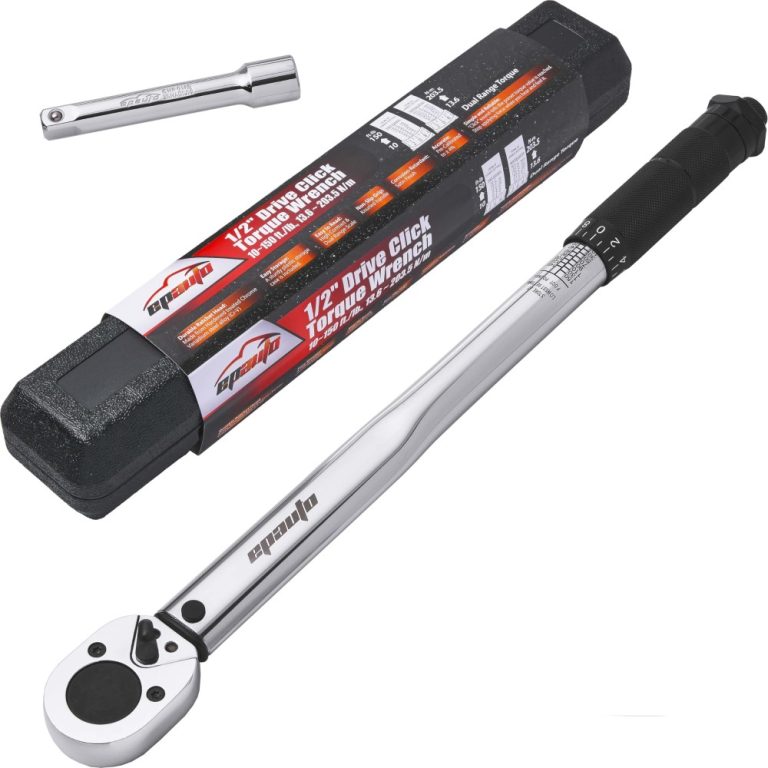
- EPAuto: Affordable and compact, EPAuto wrenches cater to emergency needs. They are lightweight yet effective for basic tasks.
These brands have established themselves as leaders by focusing on quality, user-friendliness, and innovation.
Recommended Products for Different Needs
- For Stubborn Lug Nuts: The TEKTON 4-Way Lug Wrench is excellent. Its four-arm design provides outstanding leverage.
- For Portability: The EPAuto Telescoping Lug Wrench is compact, lightweight, and easy to store. Its extendable handle enhances leverage during tire changes.
- For Frequent Use: Go with the DeWalt 20V MAX Cordless Impact Wrench. It offers incredible power and precise torque control.
- For Emergencies: The Craftsman Emergency Lug Wrench Kit is small, reliable, and designed for quick fixes.
- For Professional Mechanics: The Milwaukee M18 Fuel High-Torque Impact Wrench delivers exceptional power and advanced features, ideal for regular use.
Each product addresses specific needs, whether for emergencies or professional tasks. Consider your priorities and budget while selecting the best lug nut wrench for your toolkit.
Maintenance and Care for Your Lug-Nut Wrench
Proper maintenance ensures your lug nut wrench remains reliable and functional for years. Regular care keeps your tool in top condition and prevents unnecessary damage.
Cleaning and Storage Tips
- Clean After Use: Wipe off dirt, grease, and debris using a clean cloth after each use.
- Avoid Water Exposure: Keep the wrench away from moisture to prevent rust or corrosion.
- Use Lubricants on Moving Parts: Apply a small amount of lubricant on telescoping handles or joints to ensure smooth operation.
- Store in a Dry Place: Always store your wrench in a clean, dry location like a toolbox or a vehicle compartment.
- Use Protective Cases: If available, use carrying cases to prevent scratches or damage during storage.
How to Prolong the Lifespan of Your Tool
- Inspect Regularly: Check for wear, cracks, or rust before using the tool. Replace faulty parts immediately.
- Avoid Overloading: Do not apply force beyond the wrench’s capacity to prevent bending or breaking.
- Follow Manufacturer Guidelines: Adhere to recommended maintenance procedures and avoid misuse.
- Proper Handling: Use the wrench with care and store it securely to minimize accidental damage.
- Periodic Servicing: For powered wrenches, ensure batteries or cords are inspected and maintained.
Taking these steps can extend your lug nut wrench’s lifespan and maintain its performance.
 Frequently Asked Questions About Lug-Nut Wrenches
Answers to Common Driver Concerns
Do all cars use the same lug nut size?
No. Sizes range from 17mm to 22mm. Check your owner’s manual for exact specs.
Can I use an impact wrench instead?
Yes. But avoid over-tightening. Use a torque stick or setting for accuracy.
What if my lug nuts are stuck?
Apply penetrating oil. Tap gently with a hammer. Let it sit before trying again.
Is a breaker bar the same as a lug nut wrench?
Similar, but longer. Breaker bars offer more leverage. Use them for tough jobs.
Can locking lug nuts use a regular wrench?
No. They need a special key. Keep it with your spare tire kit.
Should I carry more than one wrench?
It helps. Spares prevent being stranded if one is lost or broken.
Are alloy wheels more sensitive to damage?
Yes. Use correct tools. Avoid excessive force on soft metals.
Where should I store the wrench in my car?
With the spare tire. Most trunks have a designated spot under the floor panel.
Final Thoughts on the Importance of a Reliable Lug-Nut Wrench
Every driver needs dependable tools, and the lug nut wrench stands at the top of the list. It enables quick responses to flat tires and maintenance tasks.
From design to daily use, this tool supports safety and independence. Knowing how to use it properly makes all the difference.
Moreover, upgrading from factory models improves reliability. Strong materials and smart features enhance performance.
Therefore, never overlook the value of a solid lug nut wrench. It’s a small investment with life-saving potential.