How to Use a Line Wrench Without Damaging Fittings or Tubing
When working on tight pipe fittings or stubborn connections, few tools are as reliable as a line wrench. This specialized tool grips narrow tubing and small-diameter pipes with precision. It prevents slipping and reduces the risk of damaging soft metal lines. Whether you’re fixing a sink, replacing brake lines, or adjusting fuel hoses, this wrench delivers consistent performance.
Moreover, its unique design sets it apart from standard wrenches. The long handle provides extra leverage. Meanwhile, the narrow jaw fits into cramped spaces. Because of these features, knowing about the line wrench helps both DIYers and professionals complete jobs safely.
 Introduction
Line wrenches are essential tools in plumbing and automotive work. They are specially designed for tightening and loosening flare nuts, which are common in hydraulic and fuel systems. Their unique features provide better grip and precision compared to traditional wrenches, making them ideal for delicate tasks.
What is a Line Wrench?
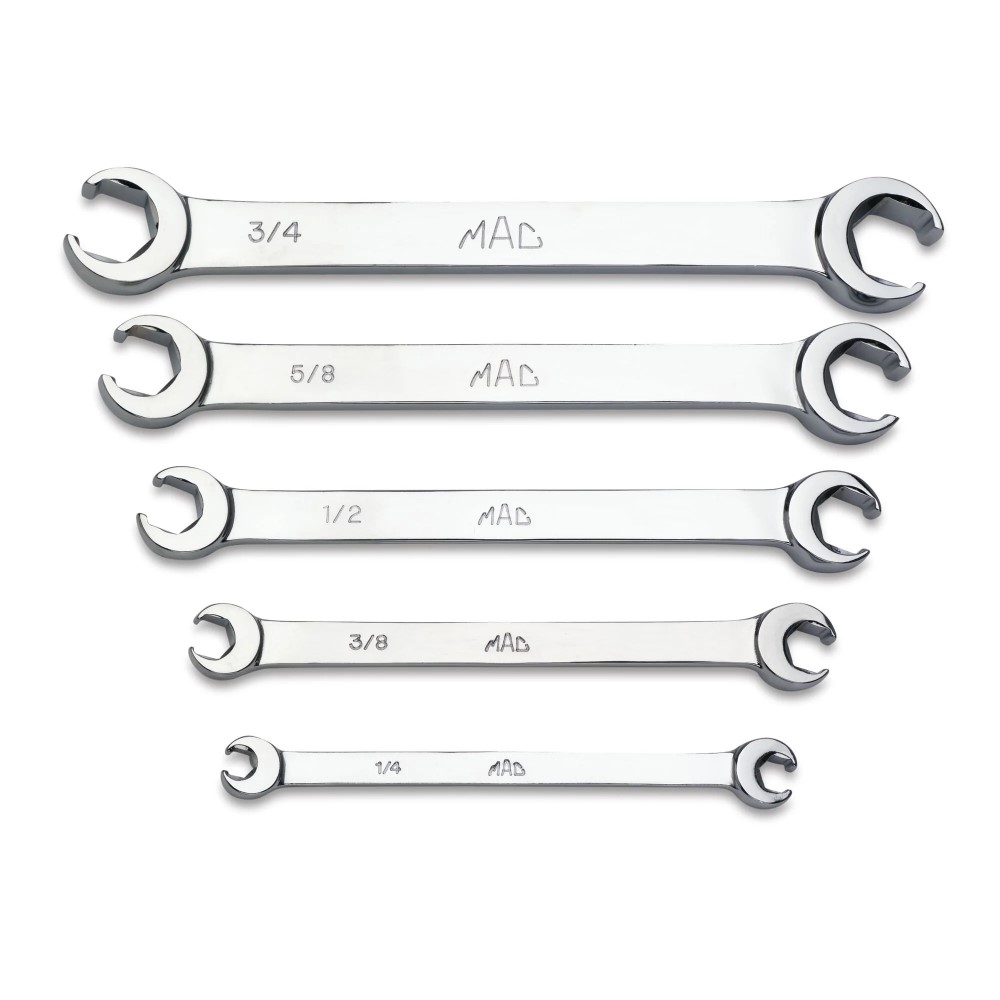
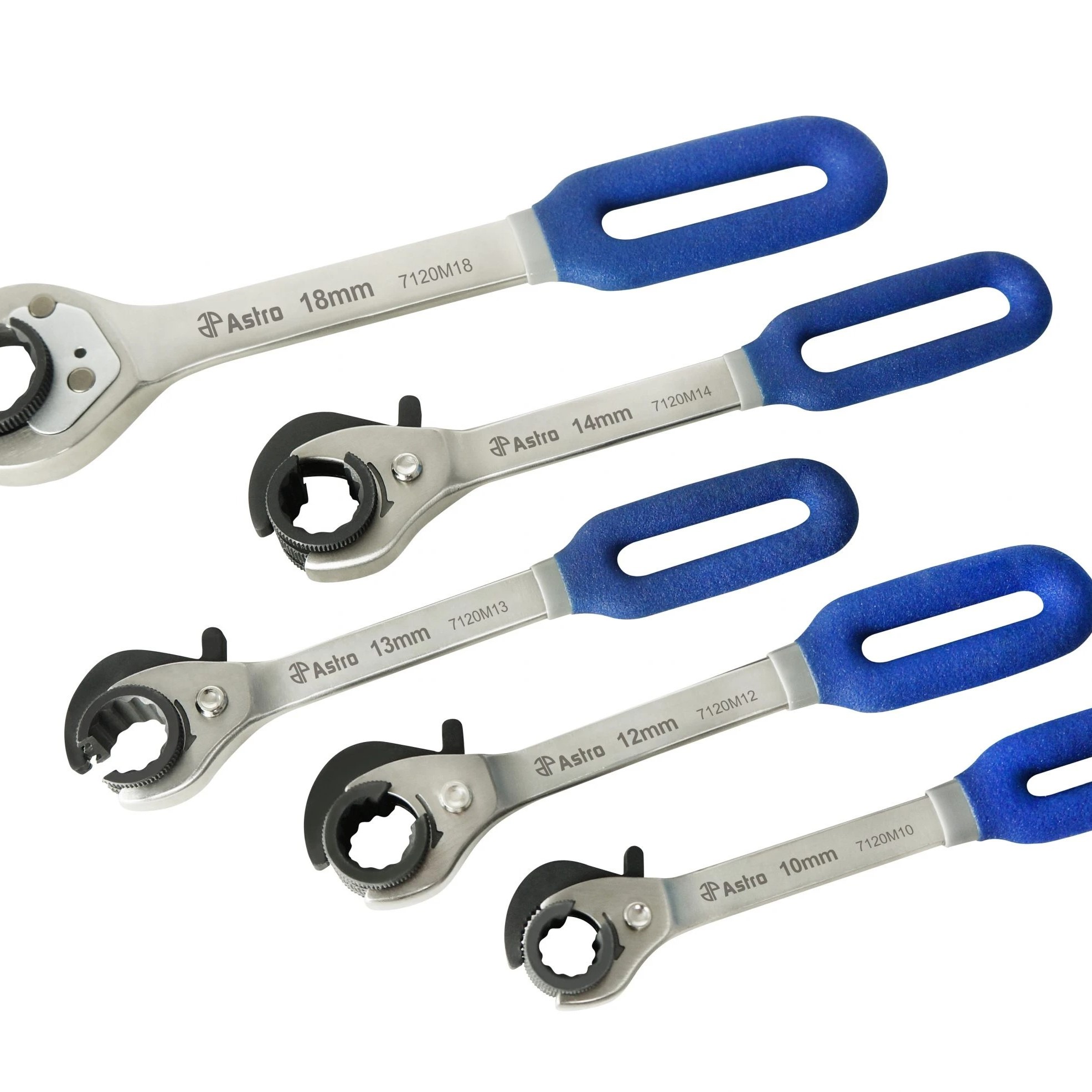
A line wrench is a specialized tool with an open-end design. Its gripping jaws encircle most of the nut for added torque and stability. This design reduces the risk of rounding off or damaging nuts, which can happen with regular wrenches. Line wrenches are also known as flare-nut wrenches due to their compatibility with flare fittings commonly found in fluid transfer systems.
Common Applications and Usage
Line wrenches are widely used in plumbing, refrigeration, and automotive industries. They are ideal for tightening fittings in fuel lines, brake systems, and hydraulic setups. These tools are indispensable when working with soft metals like brass or aluminum fittings that require care. Proper use ensures tasks are completed efficiently, without compromising the integrity of the nuts and bolts involved.
Benefits of Using Line Wrenches
Line wrenches offer distinct advantages when compared to standard wrenches. Their specialized design ensures better performance and reliability for tasks requiring precision. These benefits make line wrenches essential tools for professionals and enthusiasts alike.
Precision in Tightening and Loosening
Line wrenches provide superior grip, allowing controlled tightening and loosening of flare nuts. Their open-ended design encircles more of the nut, minimizing slippage during use. This precision is vital for tasks involving delicate fuel, brake, or hydraulic systems. Unlike regular wrenches, line wrenches prevent uneven pressure, ensuring proper torque and alignment every time.
Protecting Nuts and Bolts from Damage
The design of line wrenches reduces the risk of damaging nuts and bolts. Regular wrenches may round off or deform fittings, especially when working with soft materials like brass or aluminum. Line wrenches distribute pressure evenly across the nut’s surface, reducing wear and tear. This careful handling prolongs the lifespan of components and prevents costly replacements. Whether for automotive or plumbing work, line wrenches enhance precision while safeguarding tools and parts.
Types of Line Wrenches
Line wrenches come in various types to suit different needs. Selecting the right type ensures efficiency and safety. Below, we explore the two main categories: standard line wrenches and metric vs. SAE line wrenches.
Standard Line Wrenches
Standard line wrenches are designed for most general tasks. They excel in gripping hexagonal flare nuts securely. These wrenches often have a six-sided jaw opening that provides even pressure. Their design is perfect for automotive or plumbing jobs involving fuel or hydraulic systems.
These tools are versatile and durable, making them essential for various industries. Whether you’re working on brass fittings or steel nuts, standard line wrenches offer reliable performance. They are cost-effective and accessible for both professionals and DIY enthusiasts.
Metric vs. SAE Line Wrenches
Metric and SAE line wrenches cater to different measurement standards. They are ideal for European and Asian car models or equipment.
SAE wrenches, measured in inches, suit tasks involving American-made vehicles or systems. These are widely used in older vehicles or domestic equipment in the U.S.
Choosing between metric and SAE wrenches depends on the job’s requirements. Using the correct type prevents rounding or damaging the nuts. Many professionals prefer owning both types for versatility. This ensures they are prepared for any task, regardless of the fitting’s standard.
By understanding these categories, you can choose optimal tools for your needs. Investing in a high-quality line wrench, whether metric or SAE, guarantees longevity and efficiency in your work.
 How to Choose the Right Line Wrench
Choosing the right line wrench is essential for efficiency and safety. It ensures a secure fit and prevents damage to fittings. Below, we explore key factors to consider when selecting a line wrench.
Considering Size and Material
1. Importance of Correct Size:
- Always match the wrench size to the nut or fitting.
- An incorrect size can cause slippage and damage.
- Check manufacturer specifications to ensure accuracy.
2. Material Considerations:
- Look for durable materials like chrome-vanadium steel for longevity.
- Lightweight materials like aluminum are easier to handle but may wear faster.
- Opt for corrosion-resistant coatings to extend the tool’s lifespan.
3. Job-Specific Needs:
- Select wrenches designed for soft-metal fittings, if needed.
- Ensure the material can withstand the torque required for the task.
Taking material quality and precise sizing into account ensures safe and effective results.
Matching Wrenches to Specific Tasks
1. Automotive or Plumbing Jobs:
- Use standard line wrenches for general-purpose tightening and loosening tasks.
- For automotive work, choose wrenches compatible with fuel or brake systems.
2. Metric vs. SAE Standards:
- Use metric line wrenches for European and Asian vehicles.
- Opt for SAE wrenches for American-made cars and older equipment.
- Owning both types offers versatility for varied tasks.
3. Special Needs:
- For flare fittings, choose wrenches with six-sided jaws for better grip.
- Specialized line wrenches may be needed for tight spaces or unique configurations.
Matching your line wrench to the task ensures tools function effectively without damaging fittings. It’s a key step toward completing projects efficiently.
Step-by-Step Guide to Using a Line Wrench
Using a line wrench effectively requires preparation and proper technique. Follow these steps to ensure safety and efficiency.
Preparing for the Task
1. Gather Necessary Tools:
- Select the correct line wrench size for the job.
- Inspect the wrench for wear or damage.
2. Clean the Work Area:
- Remove dirt, grease, or debris from the fittings.
- Ensure good visibility and access to the nut or fitting.
3. Secure the System:
- Turn off fuel, hydraulic, or water systems before starting.
- Depressurize lines to avoid leaks or accidents.
4. Protect Surrounding Components:
- Cover nearby surfaces to prevent unintended damage.
- Use a drip tray in case of fluid leaks.
Preparation ensures smoother, safer work and reduces the risk of errors.
Proper Technique for Optimal Results
1. Position the Wrench Correctly:
- Slide the open end of the wrench around the flare nut.
- Ensure the wrench sits snugly without gaps.
2. Apply Controlled Force:
- Hold the wrench handle firmly.
- Turn it slowly to tighten or loosen the nut.
- Avoid jerk movements to minimize slippage.
3. Use Uniform Pressure:
- Apply even pressure to avoid rounding the nut.
- Tighten until the fitting is secure but not over-tightened.
4. Check Alignment:
- Ensure the nut and fitting stay aligned during tightening.
- Misalignment can cause damage or leaks.
5. Inspect After Work:
- Check fittings for proper installation.
- Look for leaks, loosening, or other issues.
By following these steps, you can effectively and safely use a line wrench for any task.
 Maintenance and Care
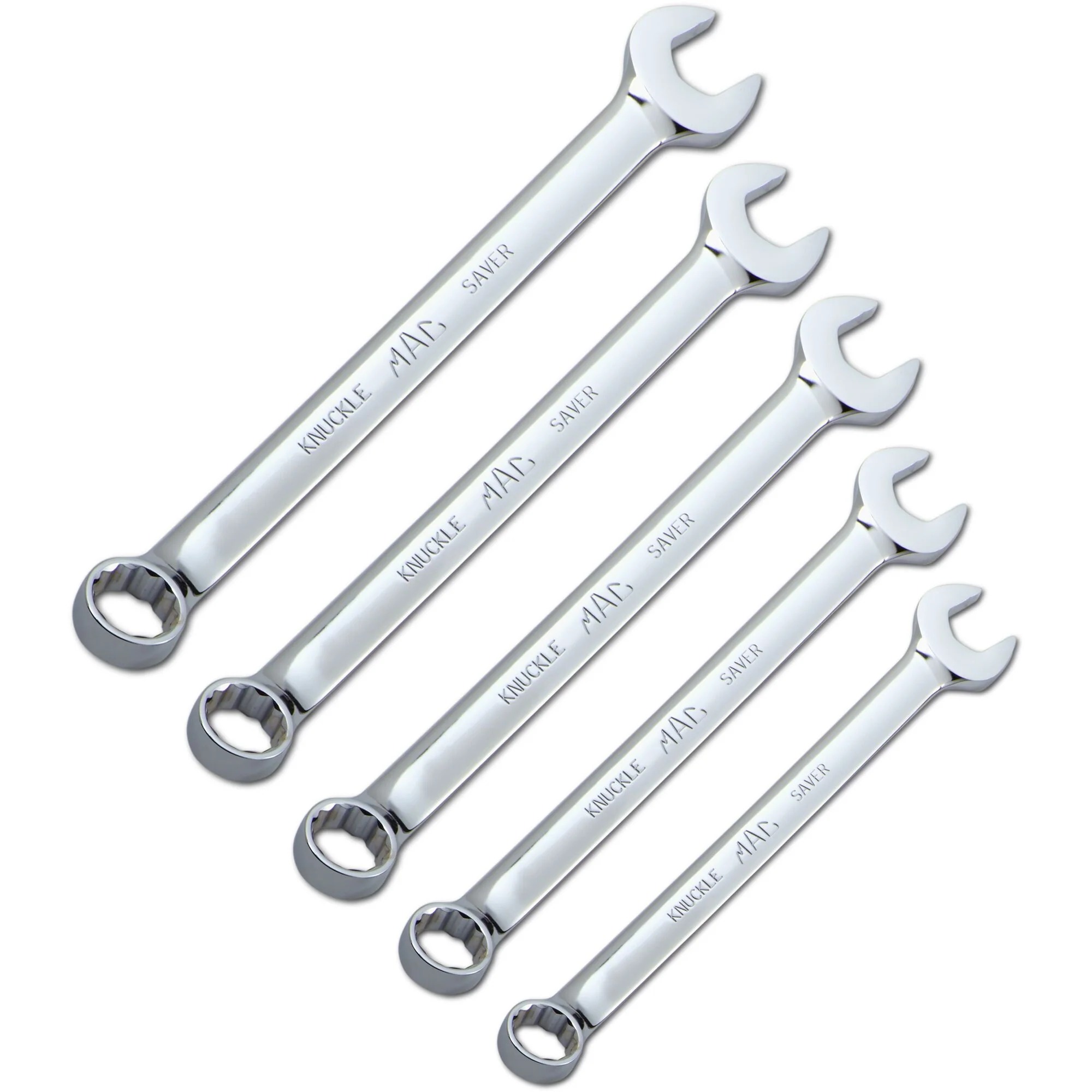
Proper maintenance extends the life and efficiency of your line wrench. Regular care prevents damage and ensures reliable performance during tasks. Follow these tips to keep your tools in excellent condition.
Cleaning and Storage Tips
1. Clean After Each Use:
- Wipe off dirt, grease, and other residues with a clean cloth.
- Use mild soap and water for tougher grime, especially on wrench heads.
2. Dry Tools Thoroughly:
- Ensure the wrench is completely dry before storage to prevent rust.
- Use a microfiber cloth for better drying efficiency.
3. Store in a Safe Place:
- Keep wrenches in a dry and cool environment, away from moisture.
- Use a tool organizer or case for safekeeping to avoid scratches and damage.
4. Apply Protective Coatings:
- Use rust-preventive oils or sprays to safeguard the wrench, especially for long-term storage.
- Check for corrosion-resistant coatings when purchasing or maintaining tools.
5. Protect from Rough Handling:
- Avoid dropping or mishandling tools as it can deform wrench jaws.
- Maintain an orderly workspace to minimize accidental damage.
Identifying Signs of Wear and When to Replace
1. Inspect for Damage:
- Check for cracks, wear, or deformation in the wrench head and handle.
- Look for worn jaws that might slip during use.
2. Assess Tool Performance:
- Replace the wrench if it fails to grip fittings securely.
- Frequent slippage is an indicator of worn-out tools.
3. Watch for Rust or Corrosion:
- Rust weakens the tool structure and affects functionality. Replace if corrosion spreads significantly.
- Minor rust can often be treated with cleaning and protective coatings.
4. Replace Bent or Warped Tools:
- Bent handles or openings compromise the performance and safety of the wrench.
- Avoid using deformed tools during critical tasks to prevent damage to fittings.
5. Follow Manufacturer Guidelines:
- Check the recommended replacement timeline for your specific wrench model.
- Investing in high-quality tools ensures better durability and performance over time.
By maintaining and inspecting your line wrench regularly, you ensure its safe and long-lasting use.
Common Mistakes and How to Avoid Them
Understanding common mistakes in using line wrenches can prevent damage and ensure successful results. Below, we explore key errors and how to avoid them.
Over-Tightening
Over-tightening flare nuts is a frequent mistake when using line wrenches. It can cause thread damage or break soft-metal fittings like brass or aluminum. Here’s how to avoid this issue:
1. Understand Torque Requirements:
- Use manufacturer guidelines to determine proper torque for the fitting.
- Avoid tightening beyond the recommended limit.
2. Apply Controlled Force:
- Tighten the nut gradually and check progress frequently.
- Avoid exerting excessive pressure on the wrench.
3. Inspect After Tightening:
- Verify the fitting’s position and check for leaks or misalignment.
- Refrain from unnecessary adjustments after securing.
Proper control during tightening preserves fittings and ensures system integrity.
Using the Wrong Size Wrench
Choosing the incorrect wrench size is another common error. An ill-fitting wrench can slip and damage the nut or fitting. Prevent this mistake by following these practices:
1. Measure Before Selecting:
- Confirm the nut’s size using documentation or measurement tools.
- Select precisely sized line wrenches for the task.
2. Avoid Forcing the Wrench:
- Never use a smaller or larger wrench than required.
- Forcing the wrench can deform the fitting or fail to grip securely.
3. Keep Assorted Sizes Handy:
- Invest in both metric and SAE wrenches for versatile use.
- Owning a complete set ensures the perfect fit for any job.
4. Test the Fit Before Use:
- Place the wrench around the nut to check its grip.
- Ensure no gaps for better efficiency and alignment.
Using the correct wrench size guarantees precision while protecting nuts and fittings from damage.
 Top Brands and Products
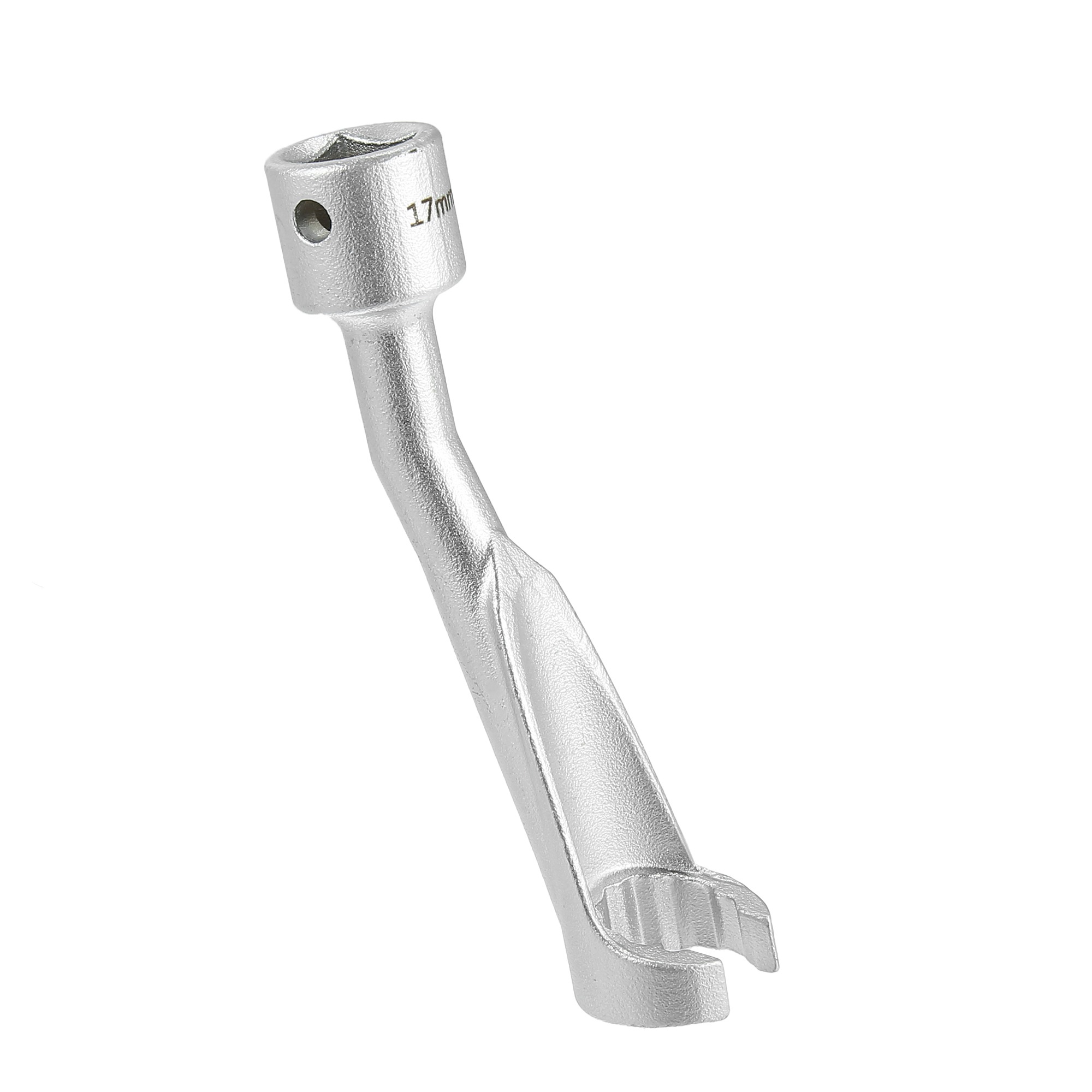
Choosing a reliable line wrench brand is essential for quality and durability. Top brands offer unique features that make work easier and more efficient. Here, we explore popular brands and recommend products suitable for both beginners and professionals.
Popular Brands and Their Features
1. Snap-on:
Snap-on line wrenches are renowned for their exceptional durability and precision. The brand provides tools with a tight grip, reducing slippage during use. Their wrenches are made with premium materials, ensuring long-lasting performance under tough conditions.
2. GearWrench:
GearWrench is celebrated for its innovative designs and cost-effective options. Their line wrenches come with improved jaw openings for better torque and grip. These tools are perfect for tight spaces and delicate fittings, making them a versatile choice.
3. Craftsman:
Craftsman tools are known for their strong build and resistance to wear. Their line wrenches feature corrosion-resistant coatings, ideal for extended use. The brand offers affordable, high-quality tools suitable for regular tasks.
4. SK Tools:
SK Tools focuses on professional-grade performance and reliability. Their line wrenches deliver superior grip and even pressure. The brand’s products are well-suited for automotive and industrial work.
5. Tekton:
Tekton wrenches are a favorite for DIY enthusiasts. They offer an excellent balance of quality and price. Tekton wrenches are designed with ergonomic handles for comfortable use during prolonged tasks.
Recommendations for Beginners and Professionals
1. Beginners:
For new users, affordability and ease of use are key. Brands like Tekton and Craftsman provide great options for DIY projects and light tasks. Their tools are simple to handle and ensure effective results.
Recommended Products:
- Tekton 6-Piece Flare Nut Wrench Set
- Craftsman Metric Flare Nut Wrench Set
2. Professionals:
Professionals require durable tools that can withstand daily heavy-duty use. Snap-on and SK Tools are excellent for precision and reliability in demanding environments. These brands offer high-performance wrenches suitable for advanced automotive or plumbing systems.
Recommended Products:
- Snap-on Flare Nut Wrench Set
- SK Tools Chrome Line Wrenches
Selecting the right brand and product ensures efficiency, accuracy, and value for every task.
Frequently Asked Questions (FAQ)
Common Concerns About Using a Line Wrench
Can I use a line wrench on plastic fittings? No. These wrenches are designed for metal. Plastic nuts crack under strong pressure. Use hand tightening or a soft strap wrench instead.
Is a line wrench the same as a flare nut wrench? Yes. The terms are interchangeable. Both describe the same tool used for thin-walled tubing.
Can it replace a socket wrench? Not always. Socket wrenches offer more torque in open areas. But a line wrench wins in tight spots with fragile parts.
What should I do if the nut rounds off? Stop immediately. Use a specialized extractor set. Prevent this by ensuring full jaw contact first.
Are expensive line wrenches worth it? Often yes. High-end models last longer and perform better. They save time and reduce frustration.
Can I use it on electrical conduit? Only if it’s metal and threaded. Be cautious. Electrical systems need non-sparking tools in some cases.
These answers help users make informed choices.
Final Thoughts
A Reliable Tool for Precision and Strength
The line wrench remains a must-have in any serious toolkit. Its ability to grip small, soft fittings without damage makes it irreplaceable. From home sinks to car brake lines, it performs consistently.
It combines strength, precision, and durability. With proper use, it lasts a lifetime. Learning how to use a line wrench properly improves every repair job.
Let it become part of your routine. Keep it clean, stored, and ready. Its value becomes clear the moment you face a stubborn connection.