How to Choose the Best Screwdriver Drill for Precision and Power
Introduction
A screwdriver drill is a versatile tool in any toolkit. It combines the functionality of a drill and a screwdriver, allowing for drilling holes and driving screws with ease. These power tools are essential for both DIY enthusiasts and professional tradespeople. They save time and effort when compared to traditional manual screwdrivers. When choosing a screwdriver drill, one must consider their specific needs. For simple tasks around the home, a basic model may suffice. For more demanding projects, a high-powered, feature-rich variant is preferable. Learning about screwdriver drills is the first step towards selecting the right one for your requirements. This guide will provide the information needed to make an informed decision.
 Types of Screwdriver
When looking at screwdriver drills, you’ll encounter various types. Each type suits different tasks.
Standard Drill Drivers
Standard drill drivers are the most common. They handle basic drilling and screwdriving tasks.
Hammer Drills
Hammer drills offer a hammering action. They’re ideal for drilling into masonry and concrete.
Impact Drivers
Impact drivers provide high torque. They’re great for driving large screws and bolts.
Rotary Drills
Rotary drills excel at heavy-duty jobs. They’re used for boring large holes in tough materials.
Understanding these types helps you choose a screwdriver drill that fits your needs. Each type has different features that match specific projects or materials. Consider your projects to make the best choice. For most home projects, a standard drill driver often does the job. But for tougher materials, a hammer or rotary drill might be necessary. An impact driver is perfect when you need extra power for driving screws without stripping them. With these insights, you can select a screwdriver drill that enhances your toolkit and efficiency.
Key Features to Consider
When looking for a screwdriver drill, it’s important to note key features that may affect its performance and suitability for your tasks. Here’s what to consider:
Power Output
Higher power means more drilling force. Look for a tool with enough power to handle your tasks effortlessly.
Speed Settings
Variable speed options give you control. They let you match the speed to the material or screw size.
Torque Control
Adjustable torque prevents screw stripping. It allows for precise screw driving, especially in delicate materials.
Chuck Size
The chuck size determines the drill bit size you can use. Make sure it fits the bits for your common tasks.
Comfort and Ergonomics
A comfortable grip reduces fatigue. Choose a drill that feels good in your hand and is easy to maneuver.
Built-in LED Lights
LED lights help when working in dark spaces. They ensure you see where you’re drilling or driving.
Battery Indicator
For cordless models, a battery level indicator is important. It tells you when it’s time to recharge.
Each feature contributes to the overall performance of the screwdriver drill. Consider what you’ll be using the drill for. Choose a model that offers the features that are most important to your work. From power output to ergonomics, make sure the screwdriver drill you select meets your needs and enhances your project efficiency.
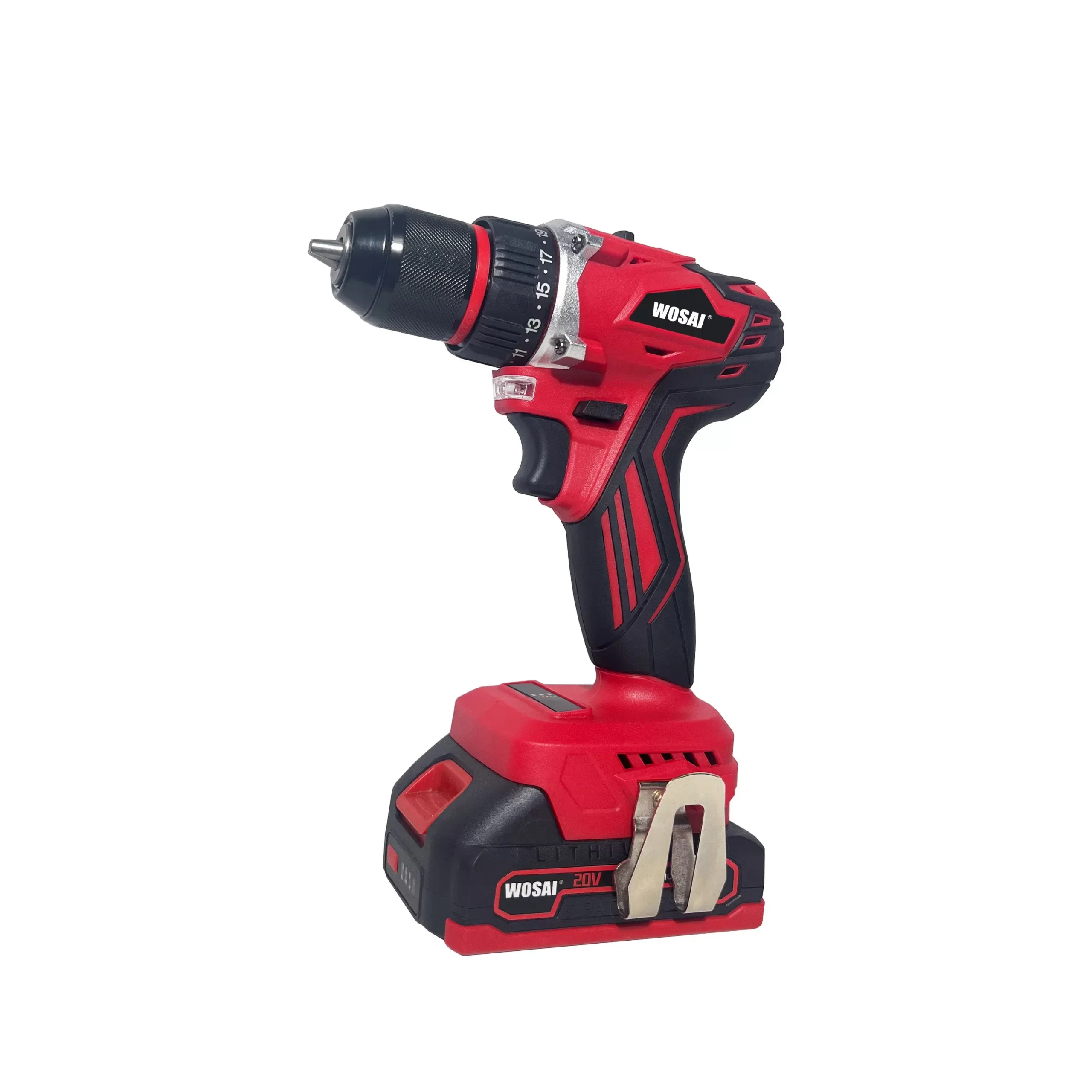 Corded vs. Cordless Screwdriver
When you’re in the market for a screwdriver drill, one major decision is whether to go corded or cordless.
Corded Screwdriver Drills
Corded drills offer consistent power supply. They are reliable for long tasks with no need for battery changes. They tend to be lighter as there’s no battery pack. However, their range is limited by the length of the cord. They’re best if you’ll work near a power source.
Cordless Screwdriver Drills
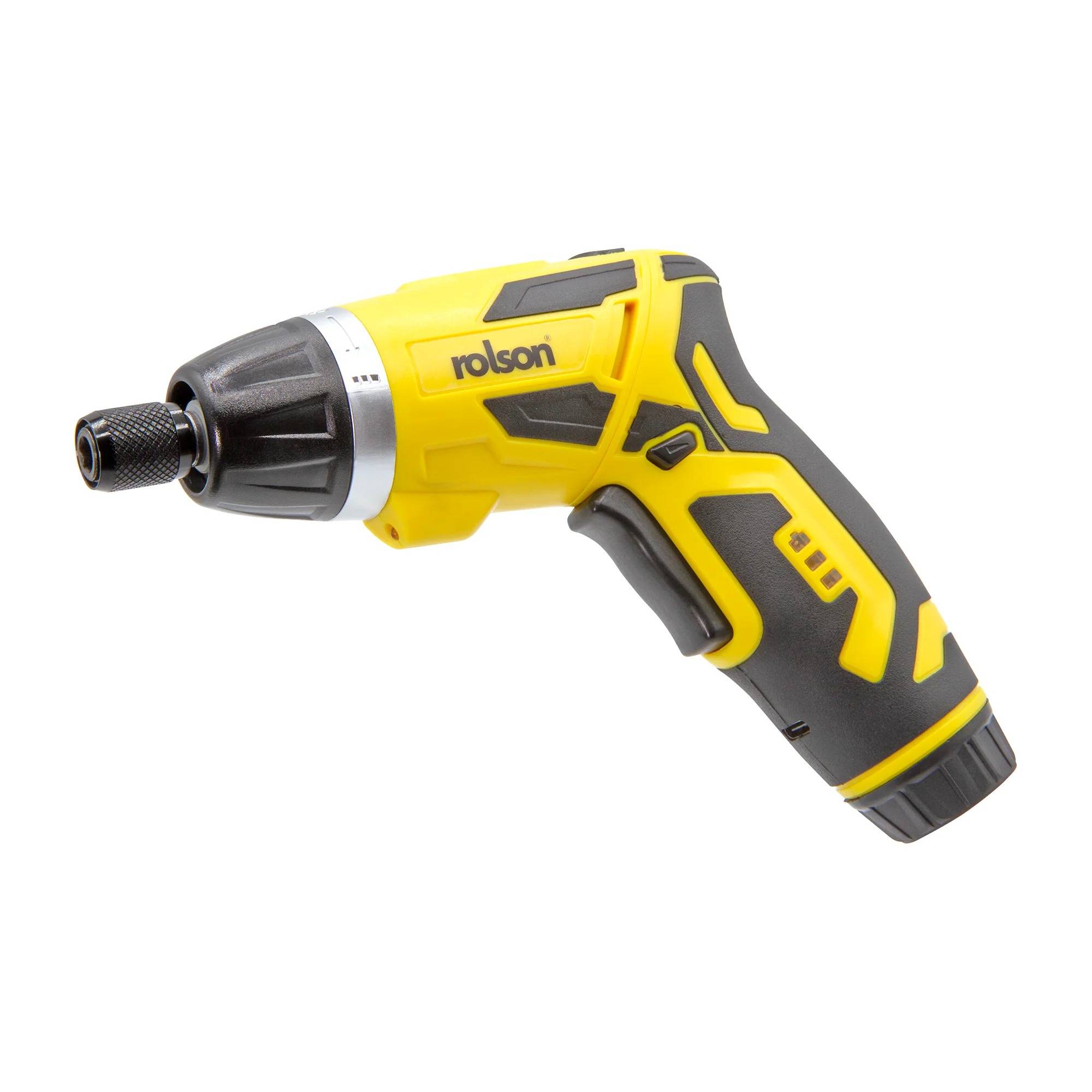
Cordless drills provide flexibility and convenience. You can take them anywhere without worrying about a power outlet. They are perfect for outdoor work or moving around a large site. But, battery life can limit their use. Running out of power mid-task can be frustrating. Look for models with strong batteries and consider having a spare. Cordless models usually weigh more because of the battery.
Consider your needs. If you move a lot and need convenience, cordless might be for you. If you work long hours on a single project, or near an outlet, consider corded. Look for a screwdriver drill that matches your most common tasks.
Power and Battery Life
When selecting a screwdriver drill, power and battery life are vital factors to consider. These elements impact the drill’s capability and its convenience during use.
Power
Power determines a screwdriver drill’s ability to tackle tough jobs. Higher voltage means more power, allowing you to work on demanding tasks easily. A higher wattage motor can also offer increased performance. However, for light-duty tasks, less power may suffice.
Consider the nature of your work. For most drilling and screwdriving tasks in wood or light metals, a medium-power drill may be sufficient. For hard materials like concrete or steel, opt for a higher-powered drill.
Battery Life
For cordless screwdriver drills, battery life is crucial. It dictates how long you can work before needing a recharge. Look for a drill with a long-lasting battery, especially if you often work away from a power source.
Some drills feature Lithium-ion batteries, which are known for longevity and fast recharge times. Alternatively, Nickel-Cadmium batteries are durable and cost-effective but weigh more. Battery capacity is usually measured in ampere-hours (Ah); a higher number indicates a longer battery life.
Remember, having a spare battery can be a lifesaver. It ensures continuous work without downtime. Consider investing in an extra battery pack along with your screwdriver drill.
By paying attention to power and battery life, you’ll ensure your screwdriver drill is both powerful enough for your tasks and convenient to use without constant recharges.
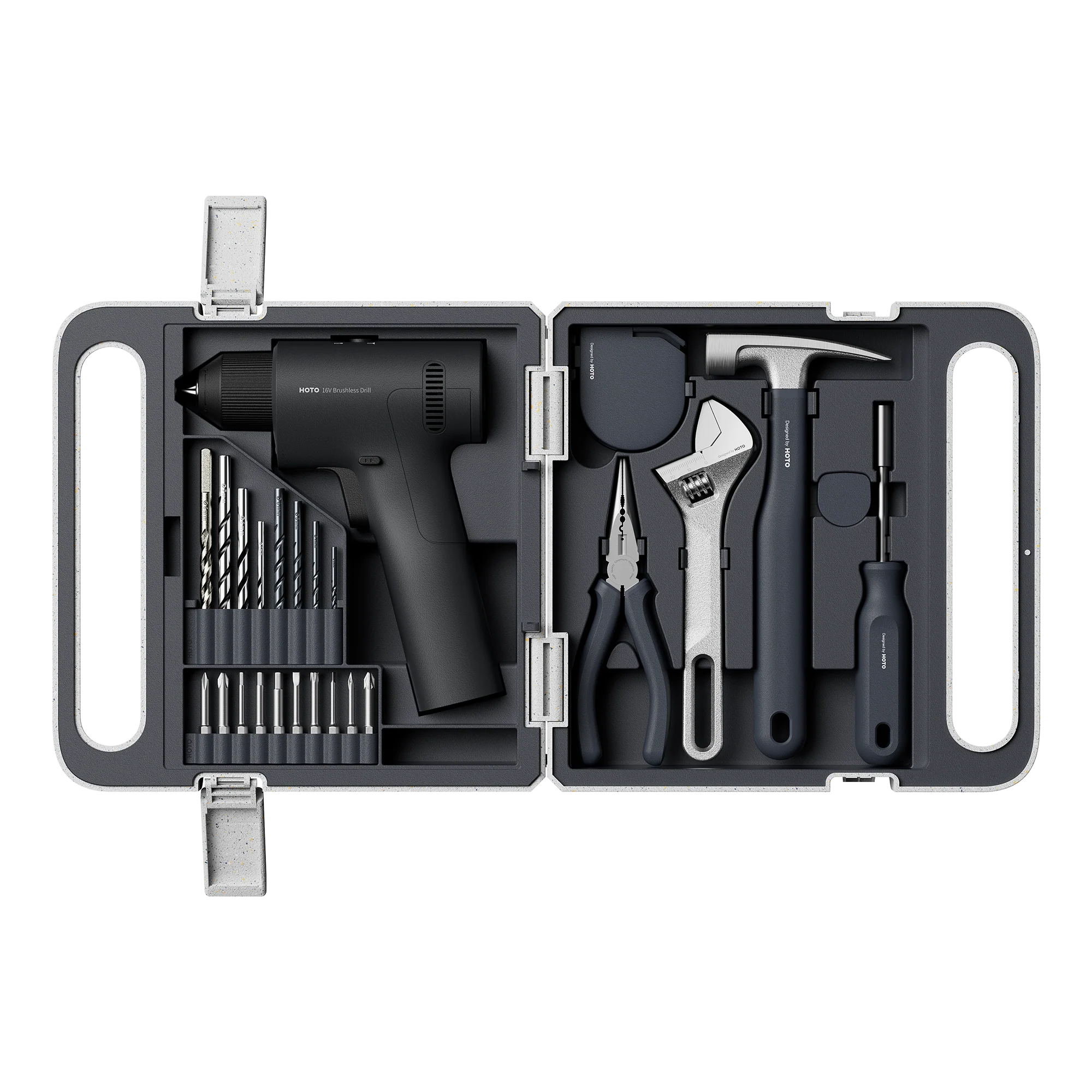 Top Brands and Models
Choosing the right screwdriver drill often comes down to selecting a trustworthy brand and model. The market offers a range of brands known for quality and reliability. Here are some top brands renowned for their excellent screwdriver drills:
- DeWalt: DeWalt is synonymous with robust power tools. Their screwdriver drills boast long battery life and durability.
- Makita: Makita offers ergonomic designs. Users appreciate their drills for comfort and efficiency.
- Bosch: Known for innovation, Bosch screwdriver drills have advanced features and are user-friendly.
- Milwaukee: Milwaukee emphasizes performance. Their tools offer high power output and are favorites among professionals.
- Hitachi: Hitachi drills are often praised for their power-to-weight ratio, making them easy to handle.
When considering models, look for those with high ratings and positive reviews from users. Models that frequently come recommended include:
- DeWalt DCD771C2: This model is compact and versatile, ideal for tight spaces and long use.
- Makita XPH102: Known for its speed and torque, this drill can handle a wide range of tasks.
- Bosch PS32-02: A lightweight option with adjustable settings, suitable for precision work.
- Milwaukee 2801-20: Boasting superior performance, this drill is great for heavy-duty projects.
- Hitachi DS18DGL: Offers a good balance of power and price, perfect for DIY enthusiasts.
Each brand and model has its unique strengths. Some excel in power and performance, while others focus on user comfort and battery life. Assess your needs and research to find a screwdriver drill that fits your tasks. Remember, investing in a reputable brand often means better durability and after-sales support.
Understanding Drill Bits and Attachments
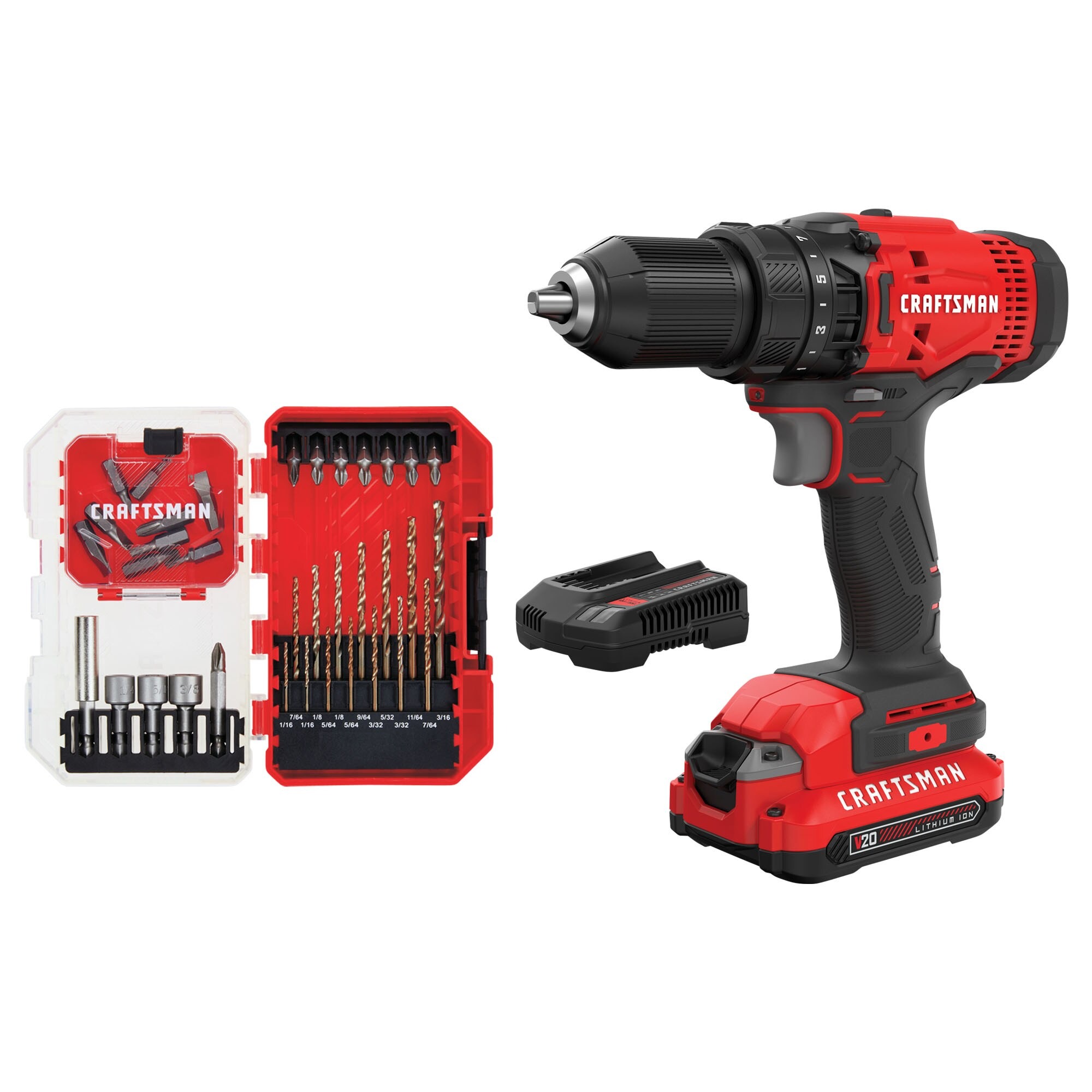
Having the right drill bits and attachments is important for maximizing the performance of your screwdriver drill. Choosing them wisely means you can handle various materials and tasks with precision and ease. Here’s what you need to know about selecting drill bits and attachments.
Drill Bit Types
Drill bits come in multiple shapes and sizes, each designed for specific materials and purposes. Here’s a quick overview.
- Twist Bits: Ideal for wood, metal, and plastic, twist bits are the most common type.
- Masonry Bits: With a robust tip, these bits are meant for drilling into brick and concrete.
- Spade Bits: These bits have a broad, flat head, perfect for making large holes in wood.
Drill Bit Materials
The material of the drill bit affects its durability and cutting ability.
- High-Speed Steel (HSS): Tough and resistant to heat, great for general use.
- Carbide-Tipped: Extremely hard and durable, best for heavy-duty applications.
- Cobalt: High resistance to heat and wear, good for hard materials like stainless steel.
Attachments and Accessories
Some tasks may require special attachments or accessories.
- Screwdriver Bits: These come in various shapes to match different screw heads.
- Hole Saws: For cutting circular holes in various materials.
- Right Angle Attachments: Handy for tight spaces where a standard drill can’t reach.
Using the correct drill bit or attachment not only improves the outcome of your work but also prevents damage to your screwdriver drill. It’s worth investing in a quality set of bits and keeping a range of attachments on hand. This way, you’re always prepared for whatever task comes your way.
 Tips for Maintenance and Care
To keep your screwdriver drill in top condition, regular maintenance is essential. Here’s how to care for your tool:
Clean After Use
Always clean your drill after use. Wipe off any dust and debris.
Check for Wear
Inspect bits and attachments regularly for signs of wear. Replace them when needed.
Lubricate Moving Parts
Apply lubricant to moving parts to ensure smooth operation.
Store Properly
Keep your drill in a dry, safe place when not in use.
Keep Batteries Charged
For cordless drills, maintain battery life by keeping them charged.
By following these tips, you can extend the lifespan of your screwdriver drill. Regular care prevents common issues and maintains performance. Whether you’re a DIY enthusiast or a professional, these maintenance practices will save you time and money in the long run.
Frequently Asked Questions
Can a screwdriver drill bore holes like a regular drill?
Yes, but within limits. It handles small holes in wood, plastic, and soft metals. Use sharp bits and go slow. Large or deep holes need a full drill.
Is a screwdriver drill suitable for driving long screws?
It depends on screw length and material. Medium-length screws in wood work fine. Very long or thick screws may stall lower-power models.
How do I know which torque setting to use?
Start low. Test on scrap material. Increase gradually until the screw seats without sinking too deep. Softer materials need less force.
Can I use magnetic bits with my screwdriver drill?
Yes. Magnetic tips hold screws in place. This frees your other hand. Great for overhead work or tight spots.
What should I do if the chuck won’t tighten?
Check for debris. Clean the threads. Ensure the bit is straight. If broken, contact the manufacturer. Do not force it.
Are replacement batteries available separately?
Most brands sell them. Buy from trusted sources. Counterfeit batteries pose fire risks. Stick to official retailers.
Can children use a screwdriver drill?
Only under adult supervision. Teach safety rules first. Use low-torque settings. Start with simple tasks.
Does the screwdriver drill require special chargers?
Yes. Use only the charger provided. Mismatched voltage can damage the battery. Keep it indoors during charging.
These answers address real user concerns. Clarity leads to safer, smarter use.
Conclusion: Choosing the Right Screwdriver Drill
Choosing the right screwdriver drill doesn’t have to be hard. With the right knowledge, you can find the perfect tool. Consider your projects and their needs when you pick. Do you work with wood, metal, or masonry? Each material may need a different drill type. Think about power, battery life, and key features. Choose a drill that fits the bit sizes you often use. Comfort matters for long tasks, so pick a drill that feels right in your hand.
Look at top brands like DeWalt, Makita, Bosch, Milwaukee, and Hitachi. They offer reliable tools with proven performance. Don’t forget to think about whether you want a corded or cordless model. Cordless gives you freedom, but corded offers steady power. Remember, the battery life of your cordless drill is key for uninterrupted work. Always consider having a spare battery.
Having the right drill bits and attachments will help too. They let you tackle a wide range of tasks with precision. Take care of your drill. Clean it after use, check bits for wear, and store it properly. This will keep it running well for years.
At the end of the day, the best screwdriver drill is one that meets your specific needs. Think about your tasks, do your research, and invest in a tool that will help you get the job done right. That’s the smart way to build your toolkit.