Top Features to Look for in a Reliable Screwdriver Torque Wrench
Introduction
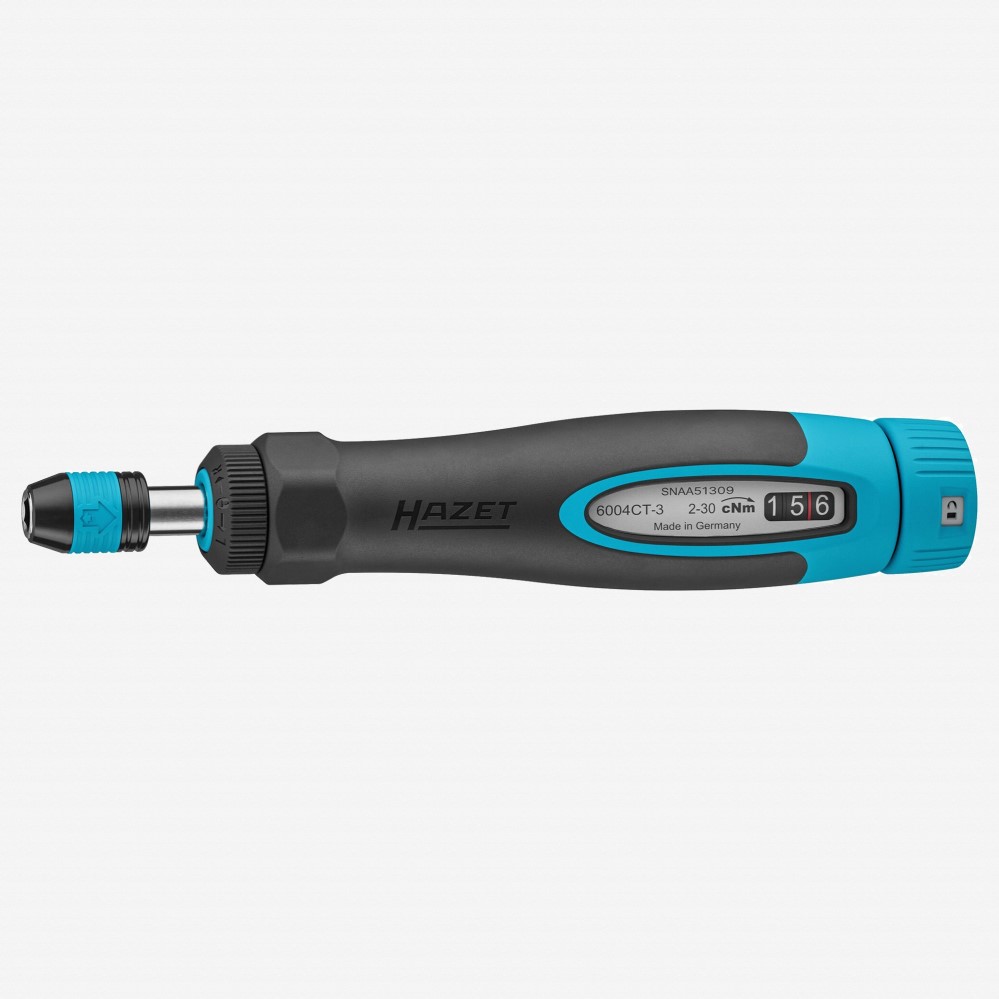
A screwdriver torque wrench is a precision tool. It ensures proper tightness of screws and bolts. Ideal tightness avoids damage and ensures safety. These wrenches apply a specific amount of torque. They provide accuracy that hand-tightening cannot ensure.
Torque wrenches come in different types and sizes. Their use depends on the task at hand. Some are simple and manual, others are complex with digital readings. The choice of a screwdriver torque wrench impacts the outcome of your project. It is vital to understand how they work and where to apply them.
In essence, these tools allow for controlled fastening. They prevent over-tightening and under-tightening. They deliver precision that is crucial in many industries. Learning to use these tools can enhance the quality of your work. It can also extend the life of the equipment you maintain.
The foundation for using any tool is understanding its functionality. Knowing how a screwdriver torque wrench operates is the first step. This tool is not just for professional use; even hobbyists find them invaluable. With proper use, a torque wrench can become an essential part of your toolkit. We’ll delve into its key functions, applications, and benefits throughout this blog.
 Importance of Accurate Torque in Fastening
Achieving the correct torque in fastening is vital. It prevents hardware failures and guarantees safety. Accurate torque ensures a secure joint between components. This precision matters in areas like aerospace and automotive work. It can mean the difference between a successful assembly and a potential hazard.
When screws are too loose, they can quickly lead to parts coming apart. This could cause serious accidents. Tightening them too much may strip threads or break the screw. It’s a delicate balance that requires attention and the right tool. That’s where a screwdriver torque wrench comes in. It offers the precision needed for such tasks.
In critical applications, accurate torque can affect product warranty and liability. Manufacturers set specific torque requirements for a reason. Following them can help you avoid costly damages or legal issues. The reliability of the final product often relies on the proper use of a screwdriver torque wrench.
Using the right amount of torque can also extend the life of equipment. It reduces wear and tear on threaded fasteners. This helps maintain the integrity of equipment over time. That’s important in maintaining a high standard of performance and safety.
Consistent use of a screwdriver torque wrench promotes uniformity in assembly. With every fastener tightened to the manufacturer’s specifications, you help ensure the longevity and safety of your project.
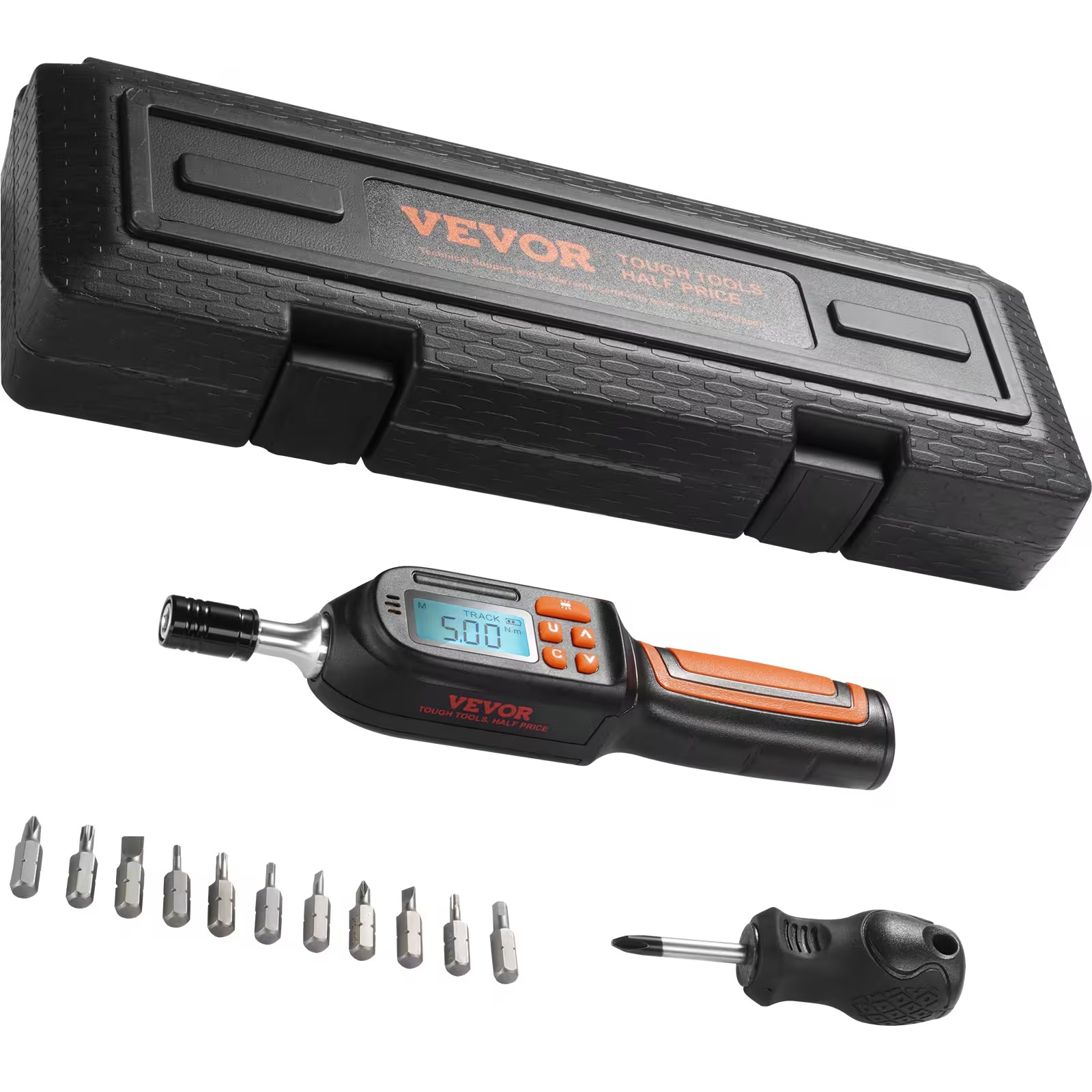 Common Applications of Torque Wrenches
Screwdriver torque wrenches are vital in many fields. Their precision is key for a range of tasks. Here are some common applications:
Aerospace and Aviation
These sectors demand strict adherence to safety standards. A screwdriver torque wrench ensures critical components fasten correctly.
Automotive Workshops
Mechanics rely on these tools for engine work and tire changes. They help meet precise specifications for vehicles.
Electronics and Appliances
In these industries, over-tightening can damage delicate components. Torque wrenches prevent this and protect product integrity.
Manufacturing and Assembly Lines
Torque wrenches guarantee uniformity in mass-produced items. They keep products safe and reliable for consumers.
Construction and Carpentry
When building structures, secure fastening is crucial. These tools assist with assembly while preserving material quality.
These examples show how vital screwdriver torque wrenches are in various industries. Their use ensures safety, reliability, and precision in vital applications.
How to Select the Right Torque Wrench for Your Project
Choosing the right screwdriver torque wrench is key to your project’s success. The selection involves several factors. Consider the precision needed, the size of components, and the torque range. Here’s how to select the right one:
- Understand the Requirements: Identify the torque specifications for your task. Each project has unique needs. Check the manual or consult an expert for the right settings.
- Know the Types: There are multiple wrench types. Click-type wrenches give a sound when reaching the set torque. Beam wrenches show torque levels with a simple gauge. Explore which type fits your job best.
- Match the Torque Range: Wrenches have different torque ranges. Pick one that covers the range needed for your work. Using a wrench with the correct range ensures accuracy.
- Consider the Size: The size of the tool should match the size of the components. Small tasks need a smaller wrench. Large bolts need a larger wrench.
- Check the Calibration: Calibration is about precision. Ensure the wrench is calibrated. This means more reliable fastening.
- Factor in the Frequency of Use: If you use the wrench often, invest in a durable model. Frequent use demands a high-quality tool.
- Ease of Use: Select a wrench that is easy to set and read. This will make your work smoother.
Choose wisely and you’ll achieve the best results. The right screwdriver torque wrench will serve you reliably, helping you maintain precision in every project.
Steps to Using a Screwdriver Torque Wrench Properly
Proper use of a screwdriver torque wrench is vital for precision. Follow these simple steps:
- Read the Specifications: Before starting, read the manufacturer’s manual. It will show the required torque settings for your screws and bolts.
- Select the Correct Wrench: Use a wrench that fits the size and torque range of your components. This ensures proper grip and accuracy.
- Adjust the Torque Setting: Set the torque wrench to the specified value from the manual. Make sure you get this right to avoid fastening issues.
- Position the Wrench: Place the wrench so its head fits snugly over the fastener. Align it properly to apply force correctly.
- Apply Steady Pressure: Turn the wrench with a steady and controlled motion. Avoid jerky movements that could affect torque accuracy.
- Listen for the Click: If using a click-type torque wrench, listen for the click. It signals that you’ve reached the set torque level.
- Stop When You Reach the Torque Level: Once you hear the click, or the gauge shows the correct torque, stop. Applying more force can over-tighten and damage the components.
- Check Your Work: After tightening, double-check the torque with another pass. This ensures you haven’t missed the precise tightness required.
Following these steps will help you use your screwdriver torque wrench effectively. It will also ensure that every fastener is tightened to exacting standards, maximizing safety and performance.
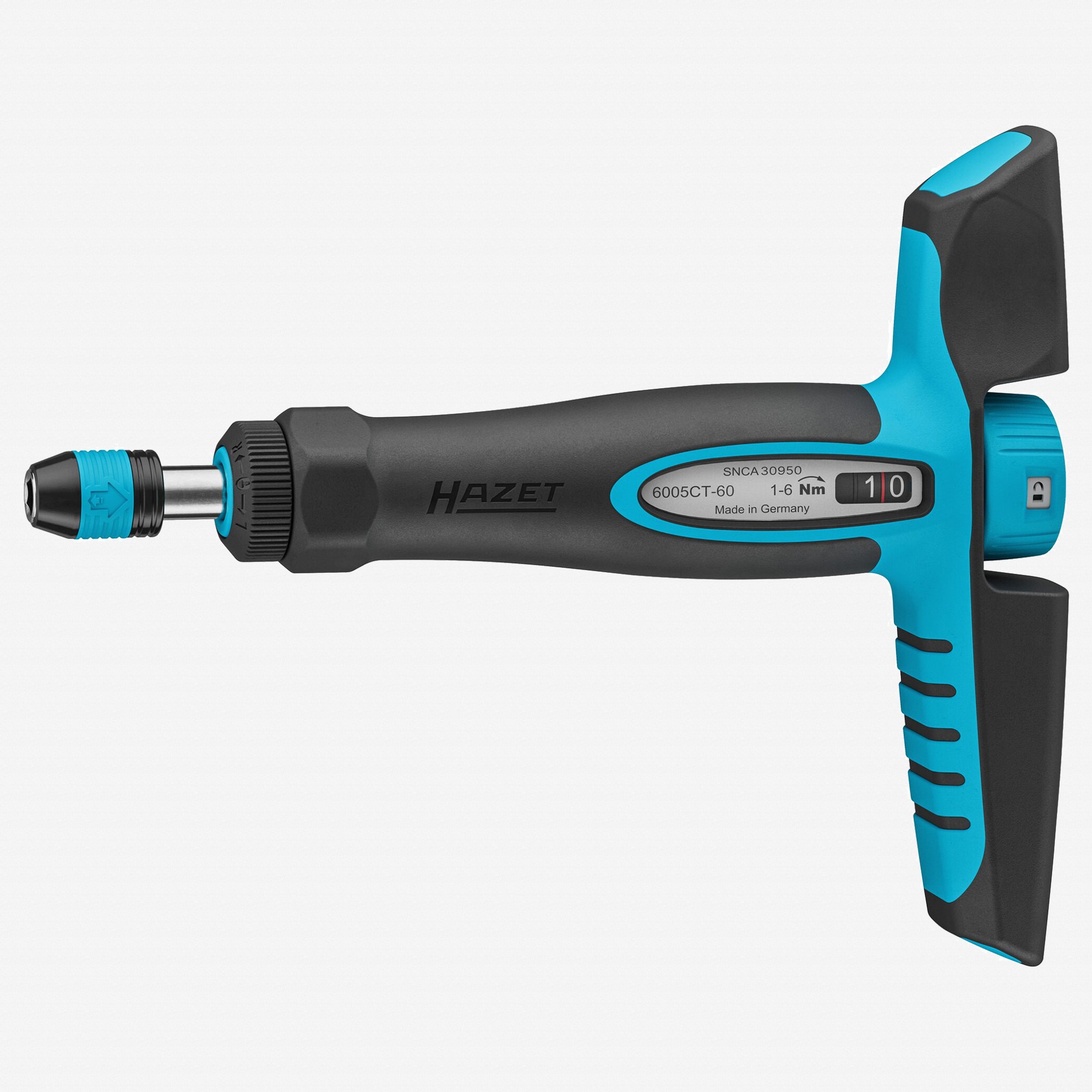 Maintaining and Calibrating Your Torque Wrench
To keep your screwdriver torque wrench in top shape, routine maintenance is crucial. Here are key steps for proper maintenance and calibration:
- Regular Inspection: Check your wrench regularly for signs of wear or damage. Look at the handle, head, and adjustment mechanisms.
- Clean After Use: Always wipe your wrench clean after each use. Remove any dirt or grease that could affect performance.
- Store Correctly: Place your wrench in a protective case when not in use. Keep it in a dry, controlled environment to prevent rust and corrosion.
- Calibration Checks: Send your wrench for calibration checks at intervals recommended by the manufacturer. This maintains its accuracy.
- Avoid Overloading: Never use your wrench beyond its torque capacity. This can damage the tool and make it less accurate.
- Use As Intended: A torque wrench is not a hammer or pry bar. Use it only for applying torque to fasteners.
- Professional Calibration: Have your torque wrench professionally calibrated if it falls out of specification. This ensures the tool’s precision and safety in use.
By following these steps, you extend the life of your screwdriver torque wrench. Regular maintenance helps preserve its accuracy and reliability. Remember, a well-maintained tool is a dependable one.
Safety Tips When Using a Screwdriver Torque Wrench
Using a screwdriver torque wrench safely is vital. Here are some tips to prevent accidents and maintain tool integrity:
- Wear Protective Gear: Always wear safety glasses. Protect your eyes from flying debris.
- Inspect the Wrench: Before each use, check for damage. Look for cracks, bends, or wear.
- Avoid Overreach: Keep your balance. Do not overextend your reach when using the wrench.
- Use Correctly: Follow the manufacturer’s instructions for use. Don’t improvise with the tool.
- Keep Your Work Area Clean: A tidy space prevents slips and falls. It also keeps your wrench safe.
- Do Not Over Tighten: Once you reach the set torque, stop. Pushing further can break the fastener or the tool.
- Handle with Care: Do not drop or throw your wrench. Rough handling can damage it.
By following these safety tips, you reduce the risk of injury. You also help your screwdriver torque wrench last longer. Stay safe and your projects will reflect your care and precision.
Advances in Torque Wrench Technology
The world of screwdriver torque wrenches is evolving rapidly. New advances in technology make these tools smarter and more efficient. One of the most significant upgrades is digitalization. Modern torque wrenches now come with digital displays. These displays provide real-time torque feedback. This helps the user make precise adjustments on the fly.
Another key development is programmability. Users can set their torque wrenches for specific tasks. This feature saves time and reduces human error. Some models offer memory functions. These functions record and store torque values for repeated tasks.
Connectivity is another step forward. Many digital torque wrenches now have Bluetooth or Wi-Fi capabilities. This allows for easy data transfer to computers or smartphones. Users can track their work and share it effortlessly.
There are also advancements in materials and design. Newer wrenches are more durable and lighter. They are easier to handle and last longer even with daily use. Ergonomics is also a focus area. Tools now have better grips and are designed to reduce user fatigue.
Finally, torque wrenches now have broader torque ranges and finer adjustments. They suit more applications than ever before. This versatility is a boon to professionals across industries.
These advancements make screwdriver torque wrenches more reliable and user-friendly than before. They enhance efficiency and precision in fastening tasks. For any professional or hobbyist, staying updated with these technologies is beneficial. They can lead to better performance and outcomes in various projects.
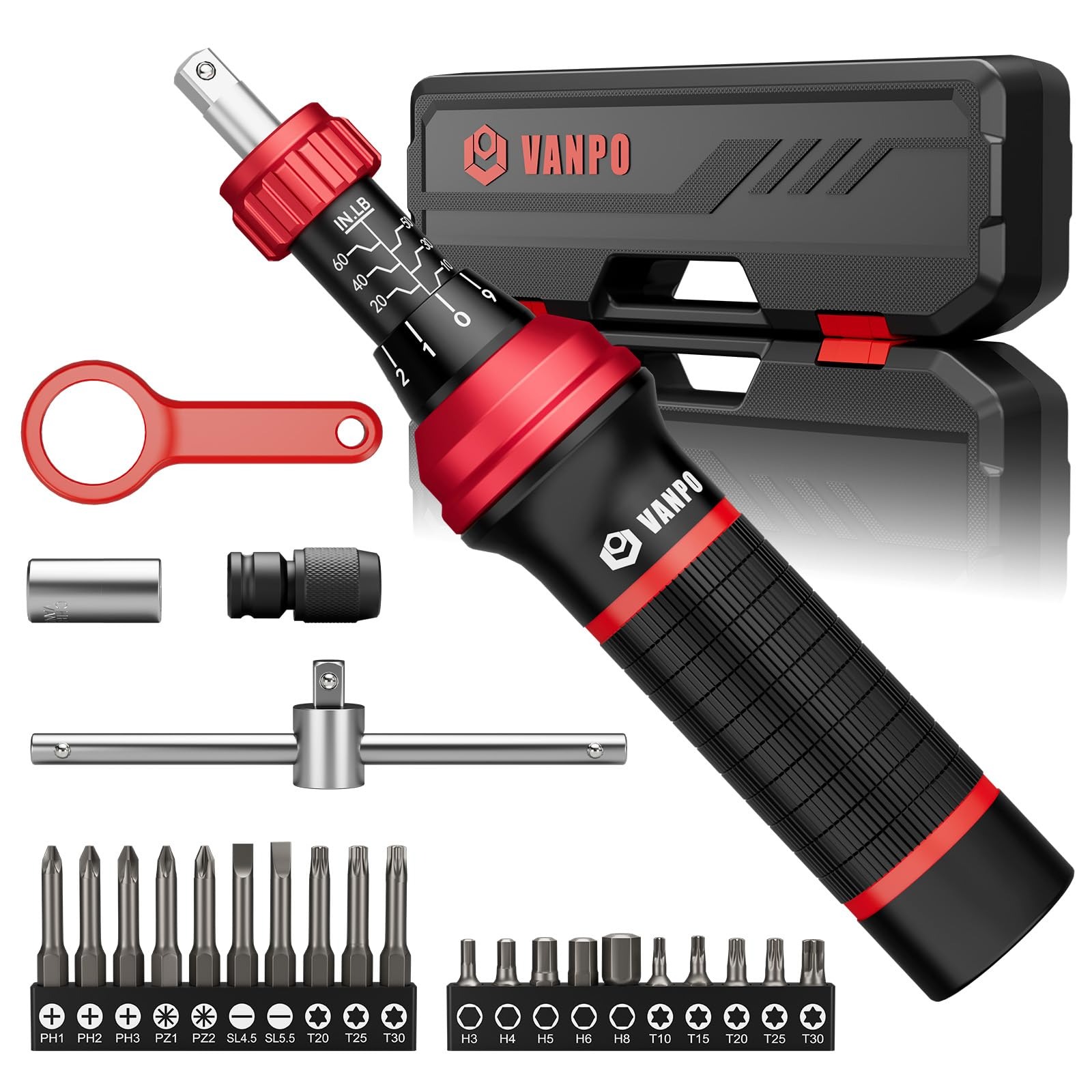 Frequently Asked Questions About the Screwdriver Torque Wrench
Can I Use a Regular Torque Wrench Instead?
Not effectively. Standard torque wrenches are designed for larger fasteners. They use sockets and ratchets. These tools lack the finesse needed for small screws. Trying to use them in tight electronic spaces is impractical. The size alone makes access difficult. Also, their minimum torque settings are usually too high. Delicate components require much less force. You risk immediate damage.
A screwdriver torque wrench fills this gap perfectly. It operates in confined areas. Its lower torque range matches micro-fastener needs. The slender profile reaches deep cavities. Precision tips engage small heads accurately. While both tools measure torque, their applications differ. Think of them as specialized siblings. One handles heavy bolts. The other manages tiny screws. Each excels in its domain. For detailed work, nothing replaces the screwdriver torque wrench.
How Do I Know When to Replace My Tool?
Several signs indicate it’s time for a new screwdriver torque wrench. First, inconsistent performance is a red flag. If it no longer clicks at the set point, accuracy drops. Second, physical damage like cracks or stripped adjusters affects function. Worn internal springs lose tension. This alters torque delivery. Even after calibration, the tool may fail.
Also, consider age and usage frequency. Tools used daily wear faster. Frequent recalibration suggests declining reliability. If service costs approach the price of a new unit, replacement makes sense. Newer models often include better features. LED lights, digital displays, or improved ergonomics enhance usability. Upgrading boosts efficiency. Always compare current needs with existing capabilities. A failing screwdriver torque wrench risks project quality. Timely replacement protects your work and reputation.
Conclusion
Precision work demands the right tools. The screwdriver torque wrench stands out as a leader in accuracy and control. It bridges the gap between raw power and delicate handling. From repairing phones to assembling medical gear, its role is undeniable.
It protects sensitive components and it supports compliance with technical standards. Most importantly, it gives users confidence. Knowing each screw is tightened correctly reduces errors. It saves time and materials in the long run. Whether you’re a hobbyist or a professional, this tool adds value.
As technology advances, so do expectations. Devices get smaller. Tolerances shrink. The need for exact torque only grows. Investing in a quality screwdriver torque wrench prepares you for the future. Maintain it properly. Calibrate it regularly. Use it wisely. Let it become a trusted part of your toolkit. When the question arises—how to tighten small screws safely—the answer remains clear. Choose the screwdriver torque wrench. It’s not just a tool. It’s a standard of excellence.