Need More Reach? Discover the Power of the Flexible Screwdriver
What is a Flexible Screwdriver?
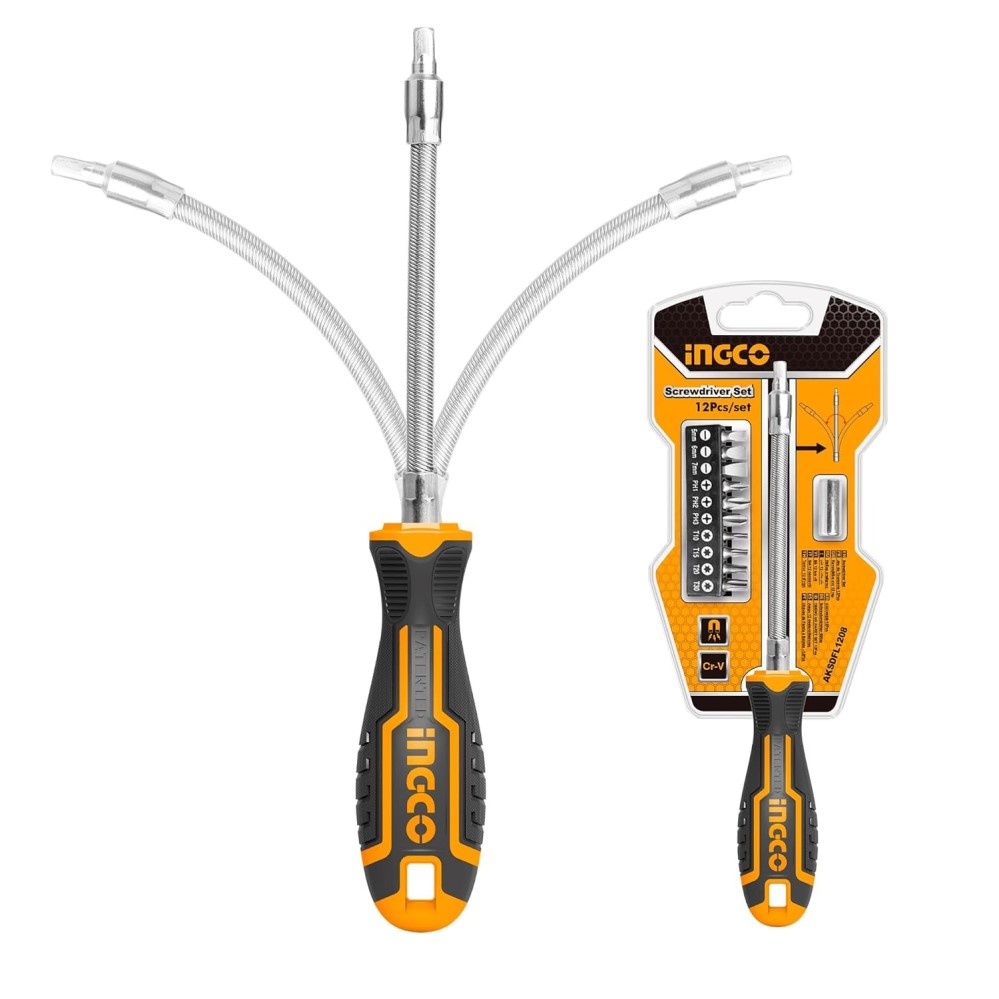
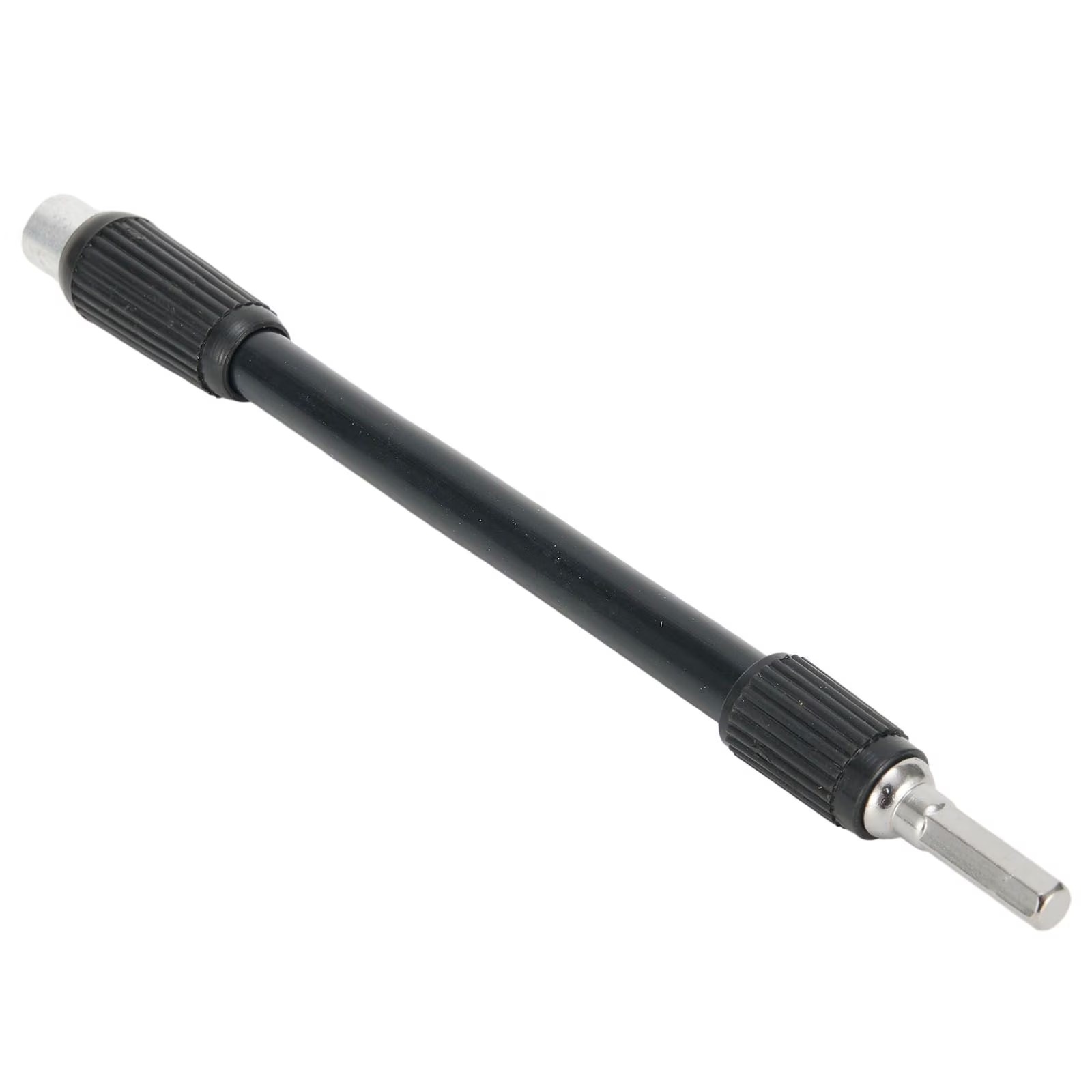
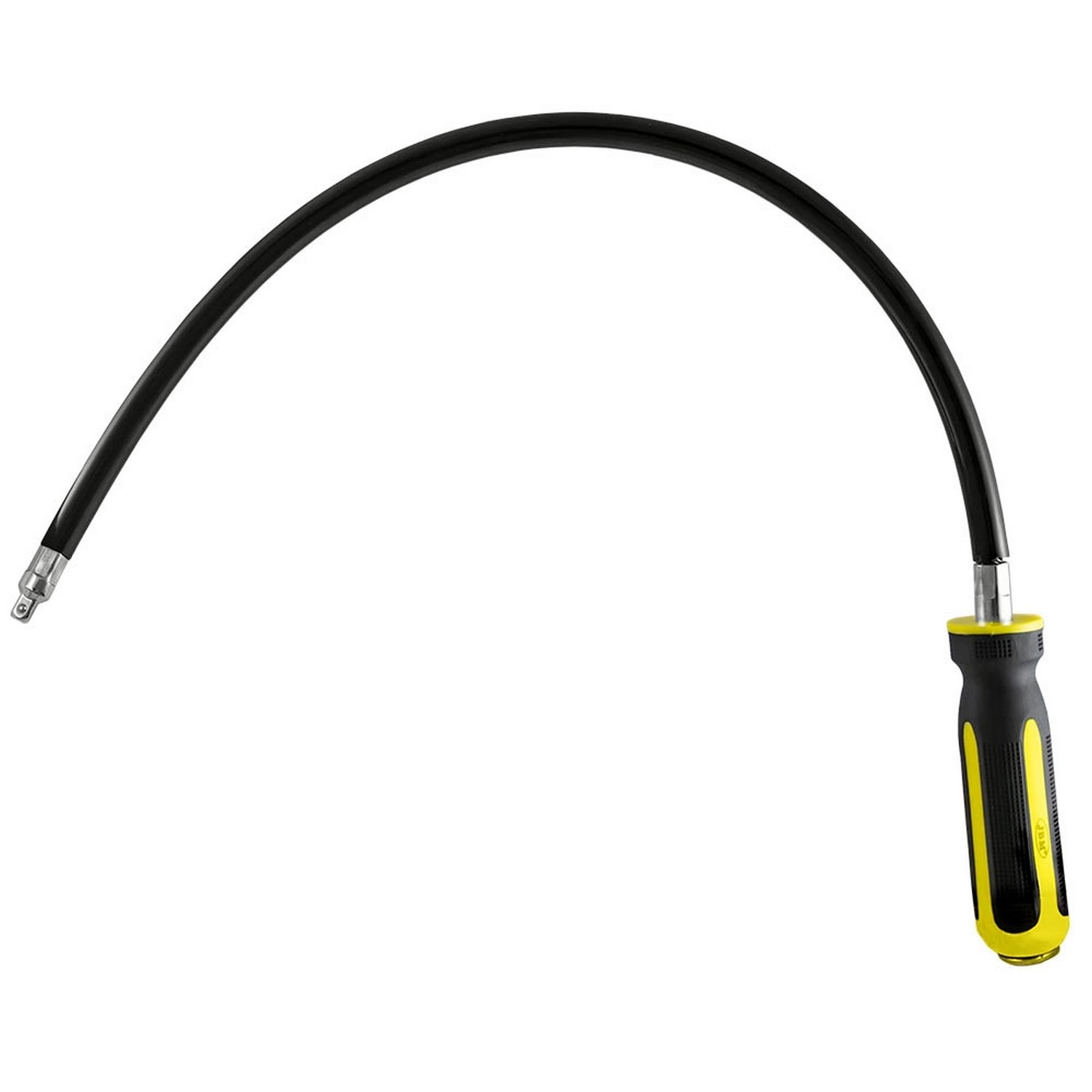
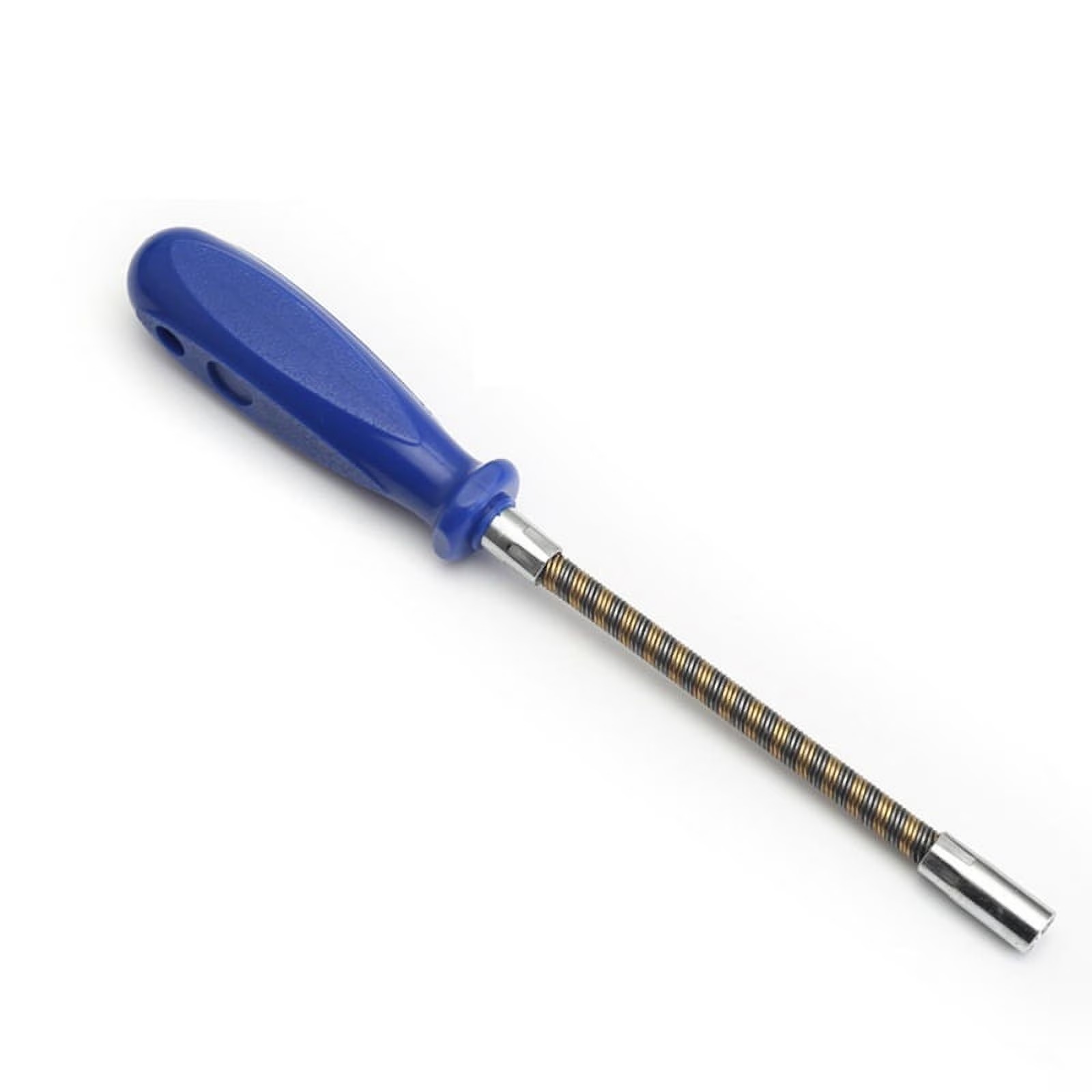
A flexible screwdriver is a versatile tool. It comes with a shaft that bends. This bending allows it to reach spots that straight screwdrivers can’t touch. It’s ideal for tight spaces. Electricians, mechanics, and DIY enthusiasts often use it. The tip of the screwdriver can hold various bits. These include Phillips, flathead, and Torx. Its flexibility is not just physical. It serves in varied tasks, making it an all-rounder in toolboxes. The ease of use is another perk of the flexible screwdriver. It needs no special skill to operate. However, learning the best practices maximizes efficiency. When we talk about a ‘flexible screwdriver’, it’s usually the shaft we refer to. Not just the shaft but the whole tool embody flexibility. This tool’s design shows why it stands out among hand tools.
 The Various Types
Flexible screwdrivers come in several designs, each suited for specific tasks. These versatile tools cater to a range of needs, making sure you get the job done right, no matter the challenge. Here are the main types you’ll find.
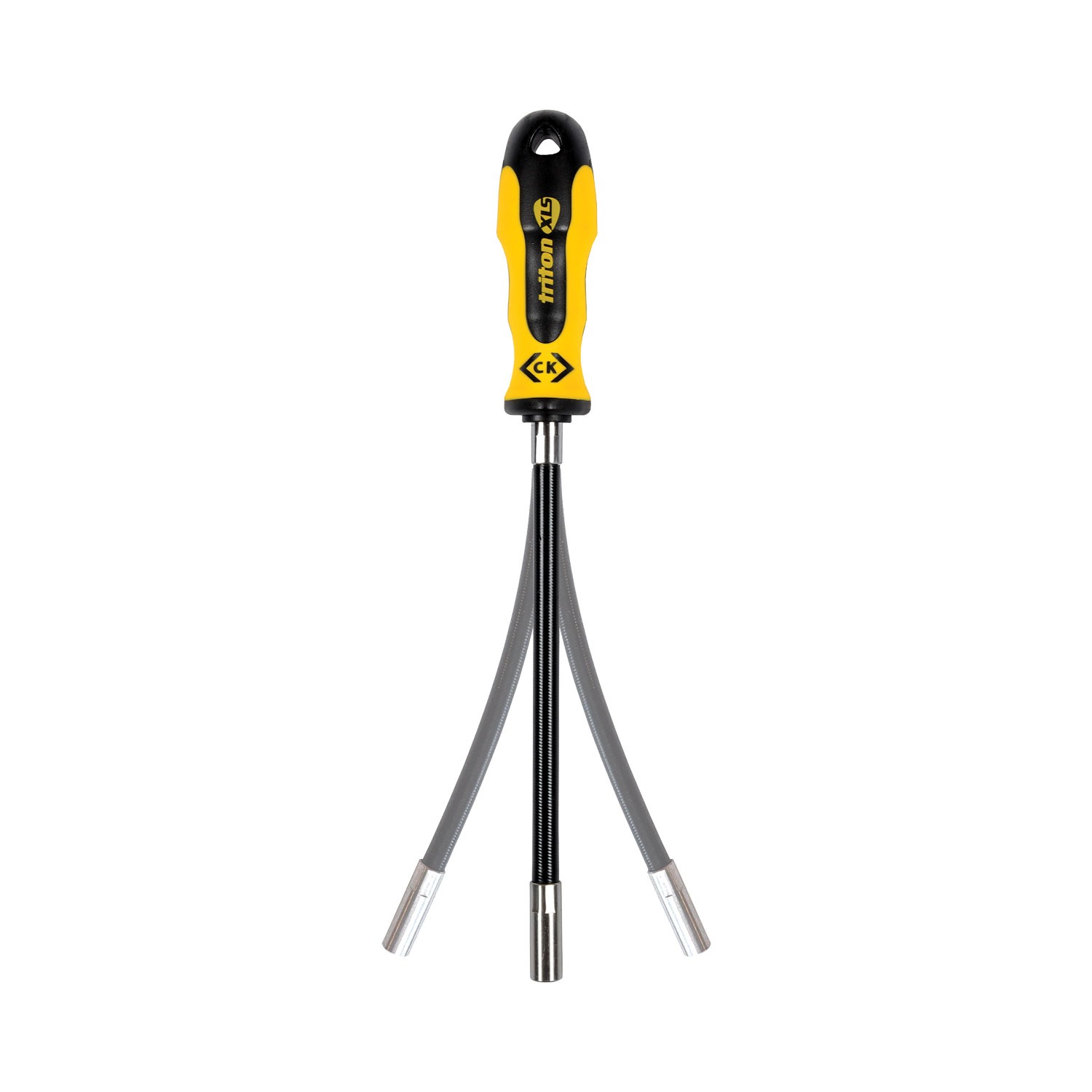
- Standard Flexible Shaft Screwdriver: This is the most common type. It has a simple bendable shaft and interchangeable bits. It’s great for general use.
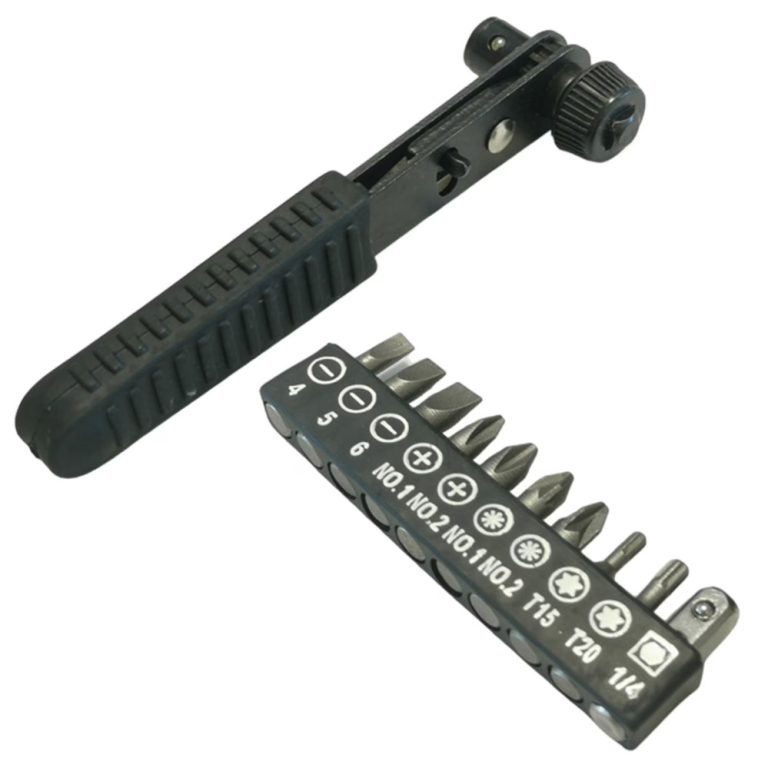
- Ratcheting Flexible Screwdriver: This variant has a ratcheting mechanism. It allows for easier turning without repositioning the handle. It’s a time-saver.
- Magnetic Flexible Screwdriver: A magnet at the bit holder keeps the screws in place. This type is ideal when you’re working in an awkward spot and need one hand free.
- Lighted Flexible Screwdriver: This tool has an integrated light. It illuminates the work area. Perfect for dark and enclosed spaces.
- Insulated Flexible Screwdriver: Designed for electrical work, the insulation protects against electric shock.
- Multi-bit Flexible Screwdriver: Comes with a set of bits for different screw types. The bits are usually stored in the handle for easy access.
Each type of flexible screwdriver brings its own set of advantages. Consider the nature of your work when choosing one. With the right tool, you can achieve precision and ease in your projects, whether you’re a professional or a DIY enthusiast. When selecting a flexible screwdriver, thinking about the specific tasks you’ll perform helps in making the best choice for your toolbox.
Advantages of Using a Flexible Screwdriver
The benefits of having a flexible screwdriver in your toolkit are undeniable. Here we outline some of the key advantages:
- Accessibility: The bendable shaft of a flexible screwdriver offers unparalleled access to hard-to-reach spots. Whether it’s behind a bulky appliance or within the depths of an engine, this tool navigates with ease.
- Versatility: With the ability to hold various bits, one tool covers multiple uses. From Phillips to Torx screws, the versatile nature of a flexible screwdriver means fewer tools to carry and greater convenience.
- Ease of Use: The design of the flexible screwdriver favors simplicity. Even novices can operate it without complicated instructions, making it a user-friendly option for quick fixes or extensive projects.
- Time Efficiency: Certain variants, like the ratcheting flexible screwdriver, save time. This design allows continuous motion without repositioning the tool, making tasks more efficient.
- Safety: For those dealing with electrical components, the insulated flexible screwdriver provides an additional layer of safety. Shielding users from electric shocks, it enhances work confidence.
- One-Handed Operation: The magnetic variant assists when a job requires holding something with one hand while screwing with the other. The magnet holds the screw securely, which means less fumbling and more precision.
- Integrated Lighting: The lighted flexible screwdriver illuminates work areas where visibility is low. This feature is very beneficial when working in dark or compact spaces, eliminating the need for an external light source.
Each advantage makes a compelling case for adding a flexible screwdriver to your set of tools. Whether you are tightening a screw in a cramped corner or replacing a light fixture, the flexible screwdriver stands out as an all-purpose ally.
 Common Uses in DIY and Professional Projects
Flexible screwdrivers serve many purposes in both home DIY projects and in professional settings. The versatility of this tool makes it essential for various tasks. Here are some common uses:
- Electrical Repairs: The tool’s reach and optional insulated design make it perfect for electrical work, where tight spaces are common.
- Automotive Maintenance: Mechanics often deal with screws that are not on a straight line, for which a flexible screwdriver is ideal.
- Furniture Assembly: The screwdriver’s bendable shaft can navigate around corners of flat-pack furniture, simplifying the assembly process.
- Appliance Repair: When screws are deep within an appliance, the length and flexibility come in handy.
- Computer and Electronics Work: The precision and the ability to reach inside tight cases make the flexible screwdriver a must-have.
- HVAC Installations and Repairs: In tight spots behind or inside HVAC equipment, this tool can save time and frustration.
- Plumbing Fixtures: The versatility allows for reaching into awkward angles often encountered in plumbing.
For DIY enthusiasts, these screwdrivers make projects more accessible and enjoyable. Professionals, such as electricians, mechanics, and carpenters, find them equally invaluable for efficient, quality work. The magnetic, lighted, and ratcheting features enhance these common uses, showcasing the flexible screwdriver’s adaptability for a range of tasks and projects.
How to Choose the Right Flexible Screwdriver for Your Needs
Choosing the right flexible screwdriver is crucial for effective work. Here are steps to help you pick the perfect one.
- Assess the Task: Think about the job at hand. Identify the type of screws and access issues.
- Check Compatibility: Ensure the flexible screwdriver fits the screws you plan to work with.
- Consider the Reach: Longer shafts are better for deeper recesses. Shorter ones offer more control.
- Opt for Quality: A durable screwdriver saves money in the long run. Avoid cheap materials.
- Look for Features: Things like ratcheting action and magnetic tips can boost productivity.
- Handle Comfort: A good grip reduces hand fatigue. Handle design can make a big difference.
- Size and Portability: If you move around a lot, find a screwdriver that’s easy to carry.
- Safety First: For electrical tasks, pick an insulated screwdriver to prevent electric shock.
By considering these aspects, you can find a flexible screwdriver that meets your specific needs. Whether it’s for DIY jobs or professional projects, the right tool enhances efficiency and safety. Keep your tasks and personal comfort in mind during the selection process for the best experience.
 Tips for Maintaining Your Screwdriver
Maintaining your flexible screwdriver is essential for its longevity and performance. Here are simple but effective tips to keep it in top condition:
- Regular Cleaning: After use, wipe the screwdriver with a clean cloth. Remove dirt and debris to prevent build-up.
- Proper Storage: Store the screwdriver in a dry place. Moisture can lead to rust and damage the tool.
- Inspect Before Use: Check the screwdriver before each use. Look for signs of wear or damage on the handle and the shaft.
- Lubricate the Shaft: Apply a small amount of lubricant to the shaft. This ensures smooth operation and flexibility.
- Tighten Any Loose Parts: If the handle or the bits feel loose, tighten them. Loose parts can impact the screwdriver’s efficiency.
- Handle with Care: Avoid using the flexible screwdriver as a pry bar. Use it for its intended purpose to prevent bending or breaking.
- Replace Worn Bits: Dull or damaged bits reduce effectiveness. Replace them to maintain the precision of your work.
By following these steps, you not only maintain the condition of your flexible screwdriver but also ensure safety and reliability when tackling projects.
Safety Guidelines
Safety comes first, especially when working with tools like the flexible screwdriver. Here are some guidelines to follow:
- Wear Safety Goggles: Protect your eyes from any debris or flying particles.
- Check the Tool Before Use: Look for damage or wear that could compromise safety.
- Use the Correct Bit: Match the bit to the screw head to avoid slippage.
- Hold the Handle Firmly: Grip the screwdriver properly to maintain control.
- Keep Your Work Area Clean: Clutter can lead to accidents, so tidy up before starting.
- Follow the Manufacturer’s Instructions: Use the tool as directed for safe operation.
By sticking to these simple rules, you minimize risks and make your workspace safer. The flexible screwdriver is a helpful tool, but only when used correctly and with caution.
Top Brands and Models
When investing in a flexible screwdriver, considering the brand and model is beneficial. Top brands are known for their quality and reliability. Some of the well-regarded brands in the market include Klein Tools, Wiha, and Wera. These companies offer models designed to meet the needs of both professional tradespeople and DIY enthusiasts.
- Klein Tools: Renowned for durable construction and electrical work specialization with options like the Klein Tools 32308 Multi-bit, providing a ratcheting mechanism and multiple tip types.
- Wiha: Popular for their precision and innovative designs in tools like the Wiha 28103 Magnetic 1/4 Bit Holder, which ensures bit and screw stability while working.
- Wera: Offers unique features such as the anti-roll handle and the ergonomic Kraftform shape, with models like the Wera Kraftform Flex Shaft Bitholding Screwdriver standing out.
For those who prioritize integrated lighting in their flexible screwdrivers, the DEWALT 8V Max Gyroscopic model comes with a built-in LED. In the budget-friendly range, the Harbor Freight Pittsburgh Flexible Screwdriver provides a decent option for occasional use.
Choose a model that fits your task range and comfort preferences. Reliable brands like these ensure that the flexible screwdriver you select will be a valuable ally in your toolkit. Remember to assess the screwdriver’s features alongside the brand reputation to ensure that you get the best blend of functionality and durability.
 Frequently Asked Questions (F&Q)
Can a Flexible Screwdriver Handle Heavy-Duty Tasks?
Yes, but with limitations. High-torque applications like lug nuts or industrial machinery are beyond its scope. However, medium-strength tasks such as tightening appliance panels or securing electrical boxes are manageable. Choose models with reinforced shafts for better durability.
Always apply steady, controlled force. Avoid sudden jerks. Use the right bit size to prevent stripping screws. For maximum effectiveness, pair it with a ratcheting handle if available.
Is the Flexible Shaft Replaceable?
In some models, yes. Higher-end flexible screwdrivers offer modular designs. If the shaft wears out, you can replace just that part. This extends the tool’s lifespan. Check product specifications before purchasing.
Lower-cost versions may not support replacements. The entire unit must be discarded if damaged. Consider long-term value when selecting a model.
Do All Flexible Screwdrivers Have Magnetic Tips?
No, not all do. Many include magnets, but it’s not universal. Always verify this feature if needed. Magnetic tips are essential for holding small screws. They prevent drops in tight spaces.
If your model lacks magnetism, you can sometimes add a small magnet. However, buying one with a built-in magnet is safer and more reliable.
Can I Use Power Drivers With a Flexible Screwdriver?
Only if specifically designed for it. Most manual flexible screwdrivers are not compatible with electric drills. The flexible shaft may overheat or break under high speed. Always follow manufacturer guidelines.
Some hybrid tools exist. These connect to power drivers via adapters. They are built to withstand rotational stress. Use only approved attachments to avoid damage.
How Do I Clean and Maintain My Flexible Screwdriver?
Wipe the shaft and handle after each use. Remove dust and grease with a dry or slightly damp cloth. Avoid soaking the tool in water. Moisture can corrode internal wires.
Inspect the shaft regularly for kinks or fraying. Store it straight when not in use. Keep bits in a case to prevent loss. Proper care ensures lasting performance.
Tips for Getting the Most Out of Your Tool
Use the Right Bit for Each Job
Matching the bit to the screw type prevents damage. Using a Phillips bit on a flathead screw causes slipping. This ruins the screw head. Always double-check before applying pressure.
Keep a variety of bits on hand. Label them if necessary. Having the correct fit ensures clean, efficient work. It also protects your devices and materials.
Lock the Shaft When Possible
If your model has a locking collar, use it. Fixing the neck in position increases stability. It mimics a rigid driver. This is helpful when applying strong torque.
Locking reduces wobbling. It gives you better feedback. You’ll feel when the screw is tight. This prevents over-tightening and potential damage.
Conclusion
A flexible screwdriver is more than just a convenient gadget. It’s a practical solution for modern repair challenges. From electronics to household projects, it delivers accessibility and control. Its ability to bend without breaking makes it stand out among hand tools. Users gain efficiency, comfort, and confidence in their work.
Whether you’re a hobbyist or a professional, investing in a quality flexible screwdriver pays off. It reduces dependency on multiple tools. It simplifies complex tasks. Most importantly, it answers the growing need for adaptable solutions in tight spaces. So, if you haven’t already, add a flexible screwdriver to your toolkit today. You won’t regret mastering what a flexible screwdriver can do.