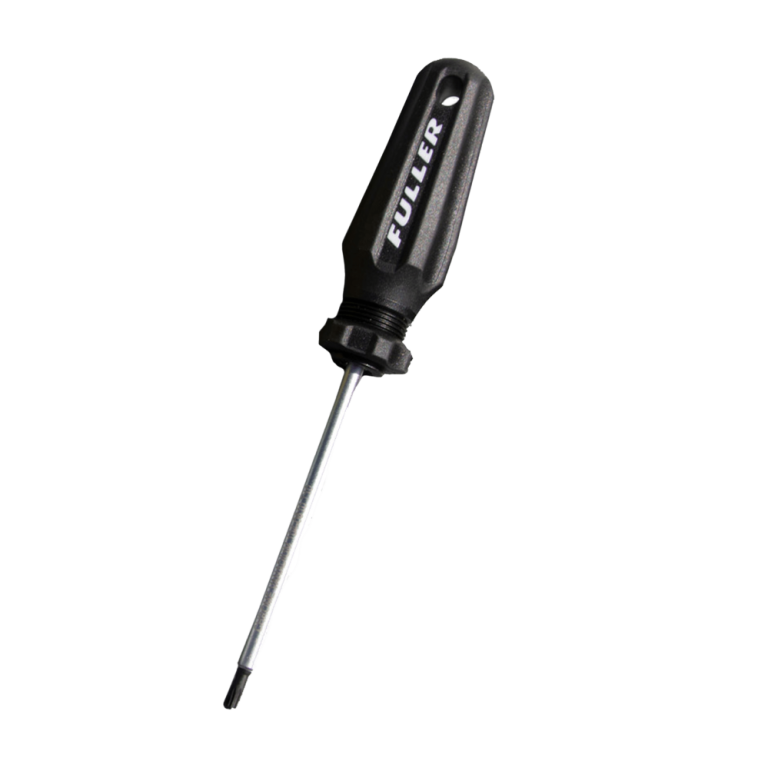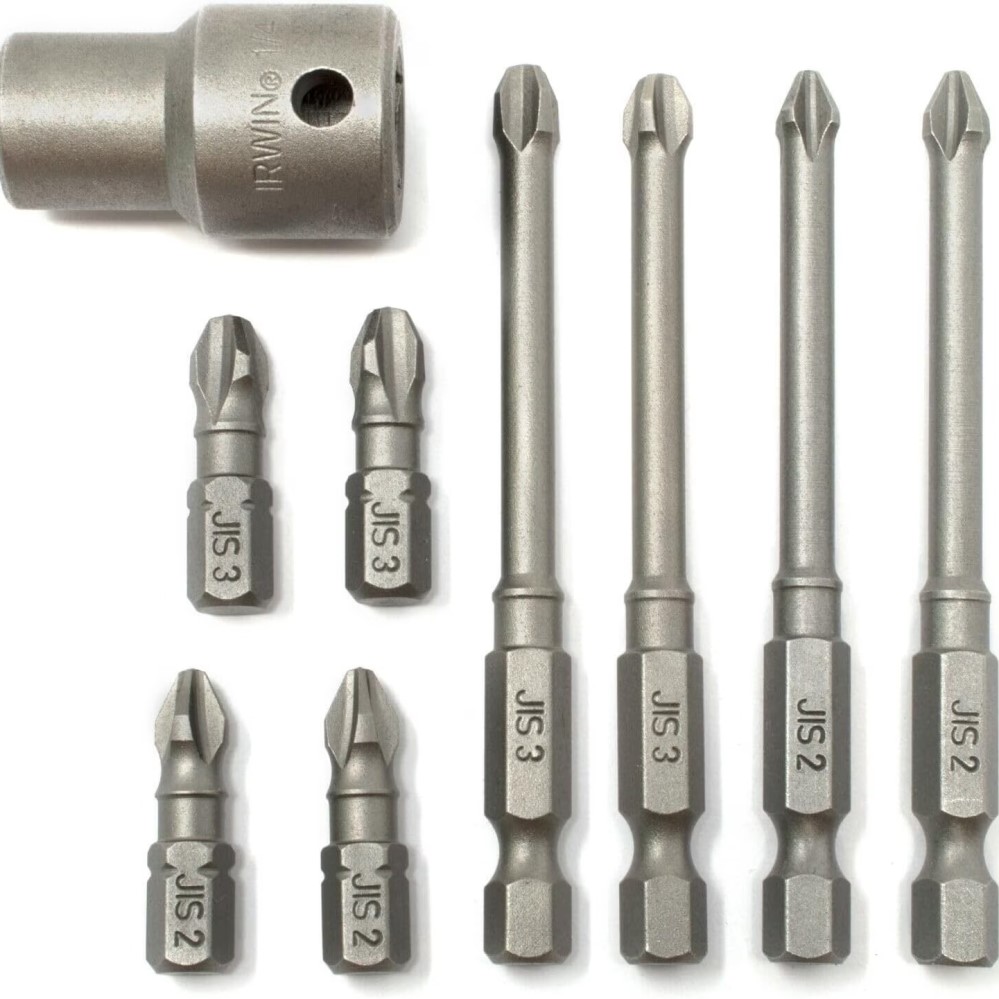
Screwdriver Bits: Choose the Right Type for Every DIY or Pro Job
Types of Screwdriver Bits
Selecting the appropriate screwdriver bits is crucial for any task. There are several types available. Each caters to different screws and functions. Here’s a quick overview to help you understand your options.
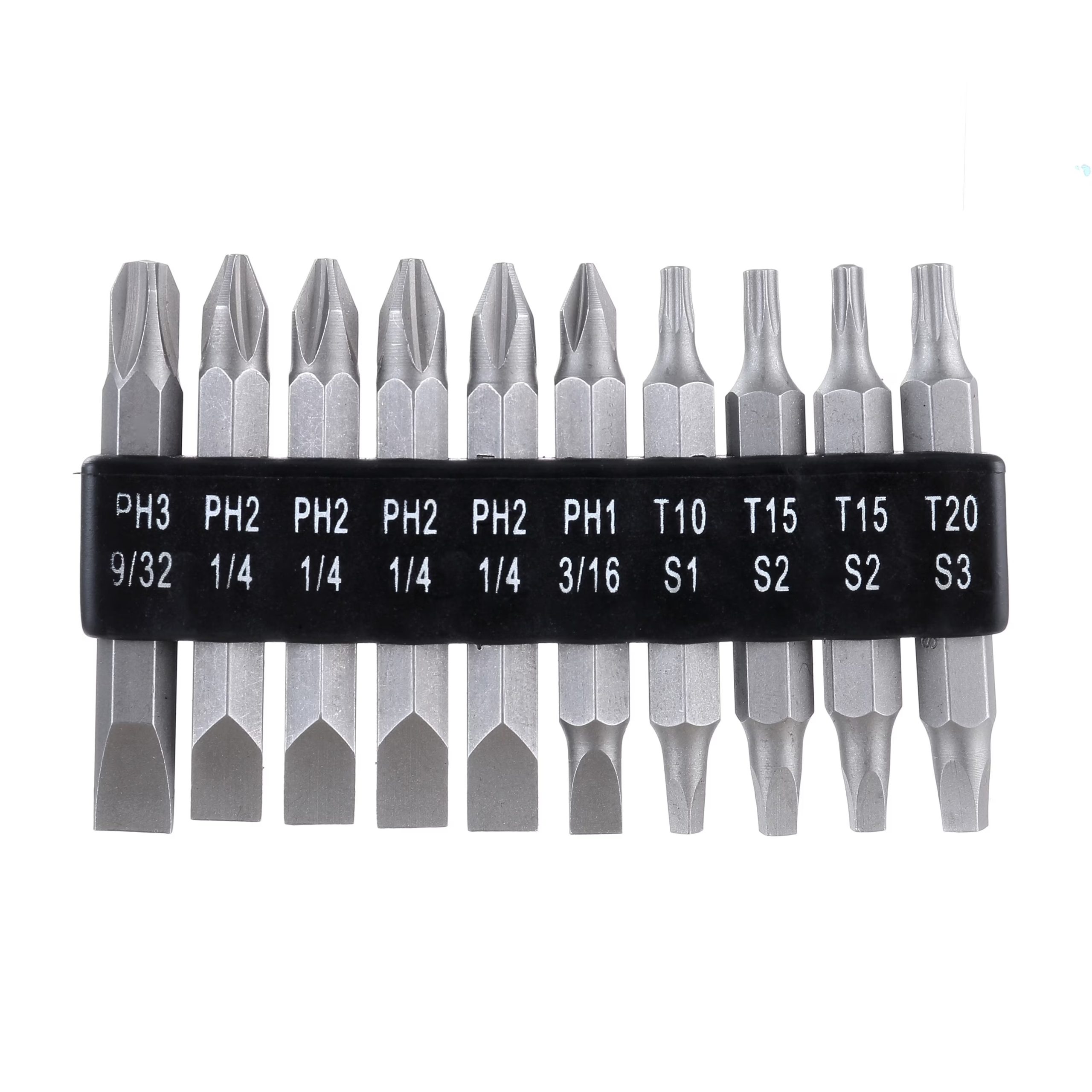
Standard Flat and Phillips Bits
Flat and Phillips screwdriver bits are the most common. You will find them in almost every toolbox. Flat bits fit into slotted screw heads. Phillips bits are for cross-shaped screws. They come in diverse sizes to match the screw head.
Torx and Hex Bits
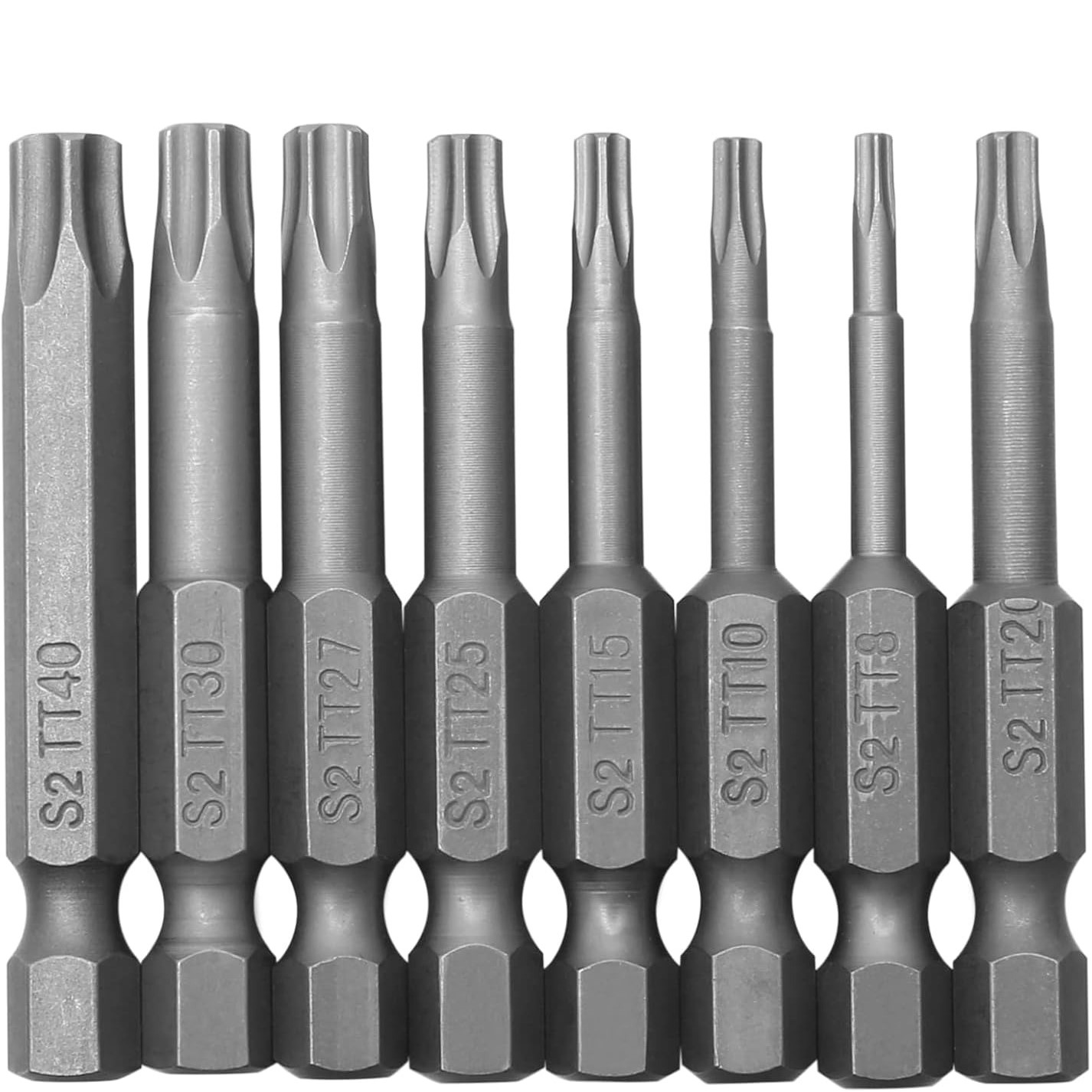
Torx bits, with a star-shaped end, offer more torque transfer. They are less likely to slip than flat or Phillips bits. Hex bits, also known as Allen bits, fit into hexagonal recesses. They are often used in furniture assembly and bike repairs.
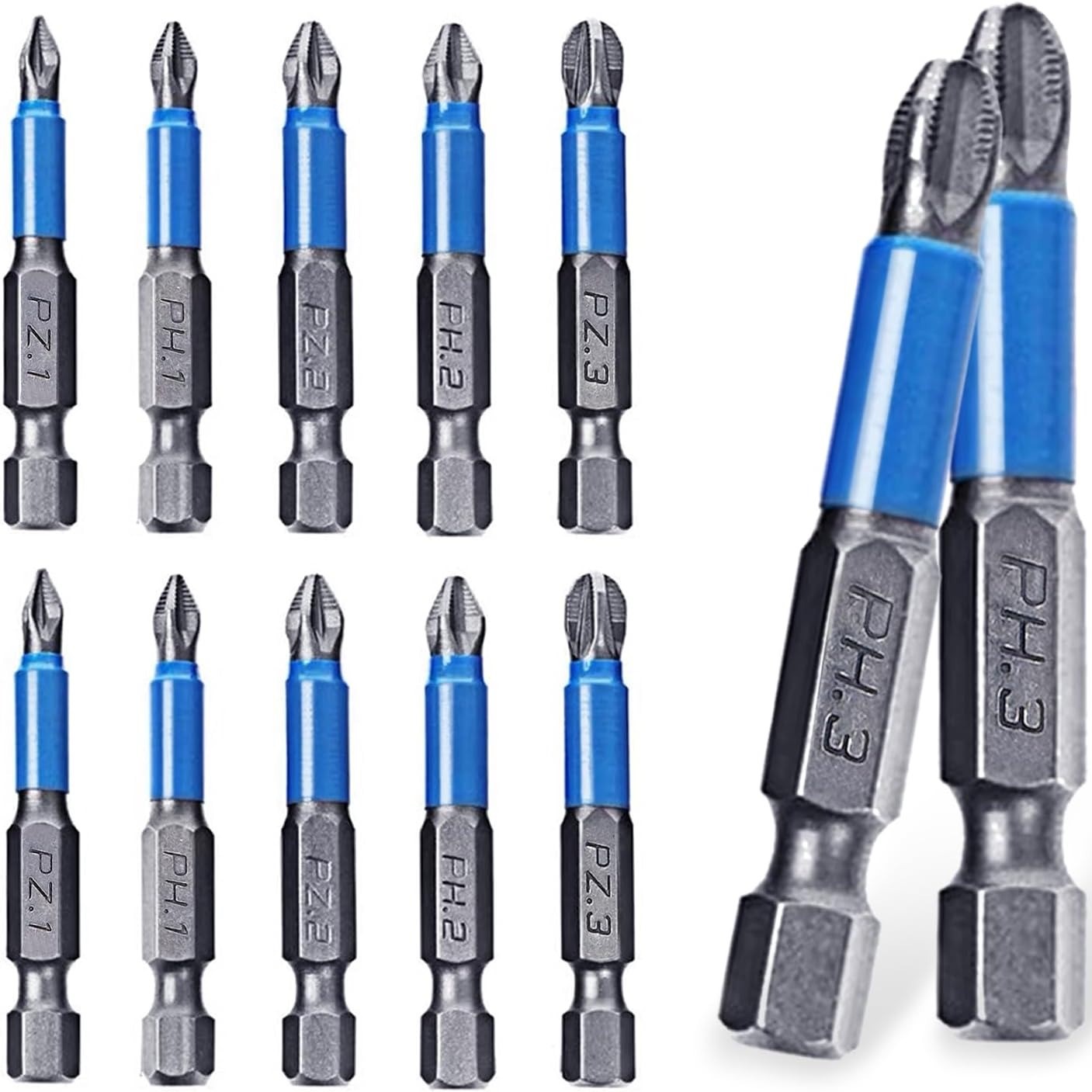
Pozidriv and Robertson Bits
Pozidriv bits are similar to Phillips but have extra ridges. This design provides a tighter fit and reduces slip. Robertson bits, or square bits, are great for high-torque applications. They are common in construction and carpentry.
Tamper-Proof and Tri-Wing Bits
For added security, tamper-proof bits are designed with unique shapes. They work with screws that standard bits cannot. Tri-Wing bits, with their three-slotted design, are often used in electronic devices. They prevent disassembly without the right tool.
By knowing these types of screwdriver bits, you can tackle most tasks with ease. Ensure that the bit you choose matches the screw head perfectly. This will prevent damage to the screw and the bit. For every task, having the right bit is the key to success.
 Materials and Coatings
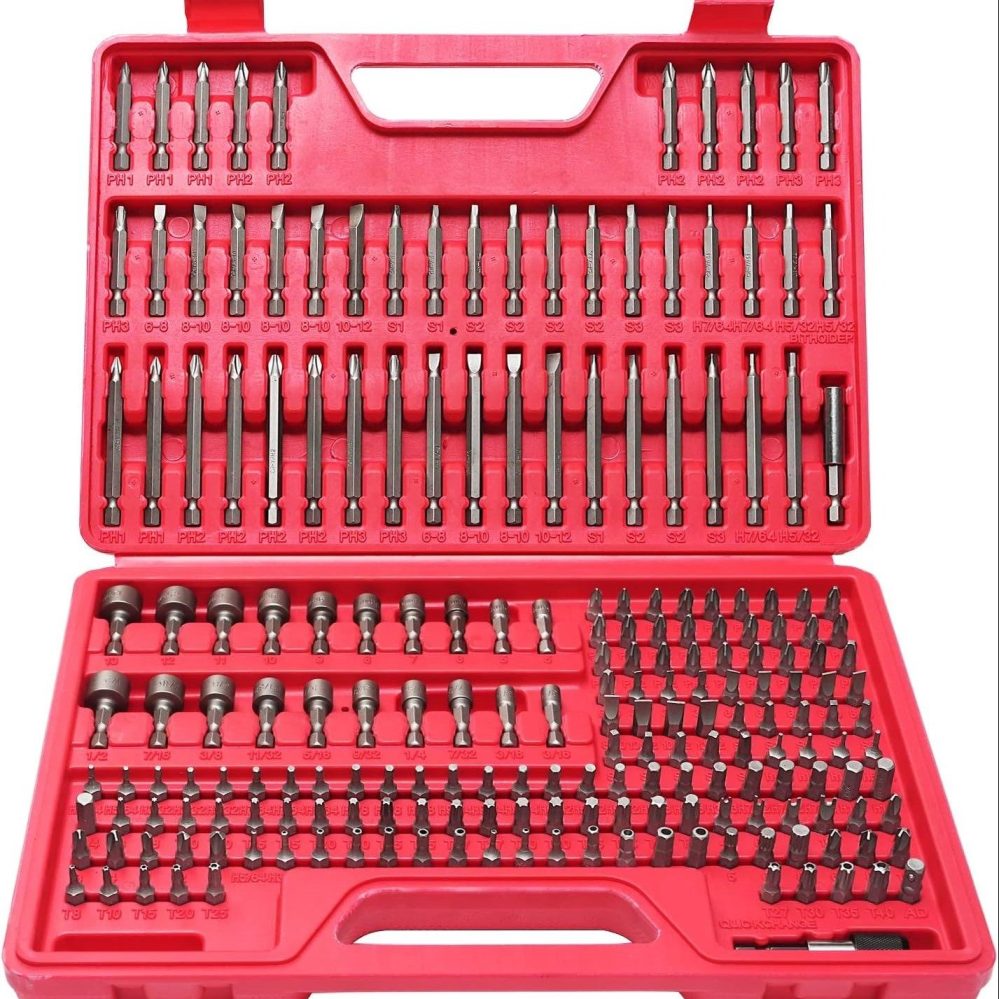
Not all screwdriver bits are the same — their material and coating vastly influence performance. Here’s what you need to know when selecting bits for your toolbox.
Bit Materials
The majority of bits are made from steel. But the type of steel is crucial.
- High-speed steel (HSS) bits are durable and resist higher temperatures.
- Carbon steel bits are tougher and more wear-resistant.
- Tool steel bits, made from alloy steel, are often used for heavy-duty operations.
Coating Types
Coatings improve the bit’s lifespan and reduce friction.
- Titanium nitride coatings extend bit life but are usually found on drill bits rather than screwdriver bits.
- Black oxide provides corrosion resistance and reduces glare.
- Diamond coated tips offer superior grip, reducing the risk of stripping the screw.
The right materials and coatings keep your screwdriver bits in top condition, saving time and money on replacements. Always check the material and coating to ensure it’s suited for your specific task.
Bit Sizes and Fit
Selecting the correct bit size is as important as choosing the type. Small to large, each size ensures a snug fit for the screw head. A loose bit can damage the screw and lead to wear. This harms both the bit and the screw. Always measure the screw head before selecting a bit.
Choosing the Correct Bit Size
Use a sizing chart or manual gauge to find the right size. Match the bit to the screw head exactly. A good fit enhances grip and torque transfer. It also extends the life of the bit and the screw.
Importance of a Snug Fit
A snug fit prevents slipping and reduces the chance of stripping screws. It makes the job easier and safer. Keep bits that fit a range of screw sizes to cover various tasks.
Remember, the right fit matters. It ensures smooth work and maintains your tools. Check size and fit every time for the best results.
 Understanding Screw Head Shapes
Understanding screw head shapes is vital when picking screwdriver bits. The shape determines the bit type you need. Here’s a brief guide.
Key Screw Head Shapes
- Flat or Slotted: This is the simplest shape, with a single horizontal line. Use flat bits.
- Phillips: Recognizable by the cross-shaped indentation. Phillips bits are the go-to.
- Torx: With a six-point star shape, Torx bits reduce slippage compared to others.
- Hex or Allen: These have hexagonal impressions and require hex bits.
- Pozidriv: Looks like Phillips but with extra lines for better grip.
- Robertson or Square: These heads are square and fit snugly with square bits.
- Tamper-Proof: These have unique shapes for security reasons and need special bits.
- Tri-Wing: With a Y-shaped slot, these are mostly seen in electronics.
Matching your screwdriver bit to the screw head shape is crucial. It prevents tool wear and screw damage. Keep an array of bits to ensure you’re prepared for any type of screw you may encounter.
Impact Rated Bits Versus Standard Bits
When choosing screwdriver bits for your toolbox, you may come across both impact-rated and standard bits. Understanding the difference between these two types is key to completing your projects efficiently and avoiding tool damage.
What Are Impact Rated Bits?
Impact rated bits are designed for high-torque tools, such as impact drivers. They’re constructed to withstand the rapid twisting and pounding that impact drivers deliver. These bits are typically made from more robust materials and undergo special heat treatment processes to increase their endurance and reduce breakage.
Characteristics of Standard Bits
In contrast, standard screwdriver bits are suitable for everyday screwing tasks with a regular screwdriver or power drill. They are not built to handle the same level of torque as impact-rated bits and can break if used with an impact driver.
How to Decide Between the Two
Consider the tools you’ll be using and the nature of your project. For heavy-duty tasks requiring an impact driver, opt for impact-rated bits. For lighter work, standard bits are sufficient and more cost-effective. Always check the task requirements before selecting your screwdriver bits to ensure optimal performance and longevity of your tools.
Specialty Bits for Unique Screws
While most screwdriver bits cater to common screw head shapes, some tasks require specialty bits. These bits are necessary when dealing with unique screws that standard bits cannot engage with effectively.
Identifying Specialty Screws
Specialty screws often have unconventional shapes or sizes. Examples include security screws with pin-in-torx heads, or one-way removal screws typically used in public restrooms. For these, you need the corresponding specialty bit.
Types of Specialty Bits
There are various types of specialty bits available:
- Spanner bits can turn screws with two small holes on the head.
- Tri-point bits fit screws with three slots, seen in small electronic devices.
- Tri-wing bits are similar but have a slightly different orientation and are commonly used by electronics manufacturers.
- Security hex bits come with a hollow center to accommodate the pin in security screws.
When to Use Specialty Bits
Specialty bits are essential when you’re working on items designed to be tamper-resistant. They are often needed for repairs of electronic devices, such as game consoles or mobile phones, or when assembling children’s toys that have safety screws.
Always have a set of specialty screwdriver bits on hand for these unique tasks. They may not be used daily, but they will save you time and hassle when the need arises. Plus, using the correct bit ensures you do not damage the screw or the tool.
 Magnetic and Non-magnetic Options
Choosing between magnetic and non-magnetic screwdriver bits affects your work efficiency and convenience. Here are key considerations for both options.
Magnetic Screwdriver Bits
Magnetic bits are a boon for precision work. They hold screws in place, making it easier to work in tight spaces. Especially handy when screws are too small to handle by fingers. They also reduce the risk of dropping and losing screws.
–Advantages: Easy pick-up of screws, enhanced control, ideal for overhead work.
–Disadvantages: Can attract unwanted metal debris, may not be suitable for sensitive electronic components due to magnetic interference.
Non-magnetic Screwdriver Bits
Non-magnetic bits are best when magnets are a problem. They’re crucial for working on computers, medical equipment, or around magnetic media. No risk of unintended magnetic effects or material pickup.
–Advantages: Safe for use around sensitive devices, no unwanted metal attraction.
–Disadvantages: Screws can slip off more easily, making some jobs trickier.
In any task, select screwdriver bits based on the project needs. Magnetic bits offer convenience and ease, whereas non-magnetic bits offer safety for delicate work. Either way, ensuring the bits fit appropriately is still most crucial.
Maintenance and Care for Longevity
Caring for your screwdriver bits is vital for their longevity and performance. Regular maintenance ensures they remain effective and safe to use. Here’s how to maintain your bits properly.
Clean Bits After Each Use
After completing your task, wipe each screwdriver bit clean. Use a cloth or a brush to remove debris and dust. This prevents build-up that can cause slippage or damage.
Keep Them Organized
Store screwdriver bits in a dedicated container or holder. Group them by type and size. This not only keeps them in good shape but also makes it easy to find the right bit for the job.
Protect From Corrosion
To prevent rust and corrosion, keep bits dry. If they are exposed to moisture, dry them immediately. Consider using rust preventive sprays for added protection.
Inspect Bits Regularly
Check for wear or damage before and after use. Bent, worn, or rusted bits can harm screws and decrease torque efficacy. Replace any bit that looks compromised.
Avoid Using Damaged Bits
Never use a bit that is damaged. Trying to make do can damage the screw, the material you’re working on, or even the tool itself.
Sharpen Bits As Needed
Some bits, particularly flat and Phillips, may require sharpening. Use a suitable file or stone to sharpen the edges carefully. However, only attempt this if you’re skilled in sharpening tools.
Use the Correct Bit for the Material
Using bits on materials they’re not designed for can shorten their life. Always choose the correct bit for the task at hand, whether it’s for wood, metal, or masonry.
By following these simple steps, you ensure your screwdriver bits remain reliable. Good maintenance safeguards your investment and guarantees efficiency in every job you undertake with your trusty screwdriver bits.
 Common Problems and How to Avoid Them
Even experienced users face issues with screwdriver bits. Fortunately, most problems have straightforward solutions. Recognizing early signs of trouble helps prevent bigger complications. Here are two frequent challenges and how to overcome them.
Slipping and Cam-Out Issues
One of the most common complaints is bit slippage. This occurs when the bit fails to stay seated in the screw head. The result is a damaged screw and potential injury from flying debris. Poor alignment is often the culprit. Always position the bit straight onto the screw. Angle deviations reduce contact surface and increase slippage risk.
Another cause is mismatched sizes. Using a #1 Phillips bit on a #2 screw leads to instability. Check sizing carefully before starting. Worn bits also contribute to this issue. Tips that appear rounded or cracked lose gripping power. Replace them immediately. Additionally, ensure your drill’s chuck is tightened securely. A loose grip allows lateral movement during operation.
Premature Wear and Breakage
Bits sometimes wear out too quickly or snap unexpectedly. This usually stems from improper use or low-quality materials. Applying excessive force strains the bit beyond its limits. Instead, let the tool do the work. Choose the correct speed setting and allow steady progress.
Low-grade metals crack under stress. Invest in bits made from S2 steel or similar alloys. They endure repeated impacts better. Also, avoid using regular bits in hammer-drill mode unless specified. Impact-rated bits are built to handle shock forces. Using standard ones in such settings leads to early failure. By addressing these causes, you’ll minimize downtime and replacement costs.
Frequently Asked Questions
Many people have questions about selecting, using, and caring for screwdriver bits. Below are some of the most common inquiries answered clearly and concisely.
What size screwdriver bits do I need?
The required size depends on the screws you’re working with. Standard Phillips bits range from #0 to #4. Small electronics use #0 or #00, while larger construction screws need #2 or #3. Always match the bit to the screw head precisely. Misfitting causes stripping and inefficiency. Refer to manufacturer guidelines or test-fit gently before full engagement.
Can I use screwdriver bits in a regular drill?
Yes, most screwdriver bits fit into standard drill chucks. Simply insert the hexagonal shank and tighten the jaws securely. For frequent bit changes, consider a keyed or keyless chuck with quick-release function. Some drills come with built-in bit holders for convenience. Just ensure the bit is fully seated to prevent wobbling.
How do magnetic tips help?
Magnetic tips hold screws in place during installation. This is especially useful in overhead work or tight spots. It frees one hand for stability or guiding the drill. Magnets vary in strength—stronger ones support heavier screws. However, avoid using magnetic bits near sensitive electronics. Residual magnetism could interfere with circuits.
Are impact-rated bits worth it?
Impact-rated screwdriver bits are designed for use with impact drivers. They endure higher torque and vibration levels. Standard bits may fracture under such conditions. If you frequently use an impact driver, invest in impact-rated versions. They last longer and perform more safely. Look for reinforced shanks and specialized alloys.
How often should I replace my bits?
Replace screwdriver bits when they show visible wear. Signs include chipped edges, bent tips, or reduced grip. Regular inspection after heavy use helps catch degradation early. High-frequency users may replace bits every few months. Occasional users can go years with proper care. When in doubt, swap them out—better safe than sorry.
Final Thoughts
Choosing the right screwdriver bits transforms your workflow. They may seem small, but their influence is significant. High-quality bits improve efficiency, reduce errors, and protect your materials. Whether you’re a professional contractor or weekend handyman, they deserve attention.
Start by identifying your most common tasks. Then select a bit set that matches those needs. Prioritize durability, variety, and usability. Features like magnetization and color coding enhance practicality. Store them properly and inspect regularly for wear. Replace damaged ones promptly to maintain peak performance.
In conclusion, never underestimate the value of reliable screwdriver bits. They form the critical link between your tool and the task. A successful project depends not just on skill, but on having the right components. From selection to maintenance, every step counts. Upgrade your toolkit today with dependable screwdriver bits. You’ll notice the difference in every turn.