From Storage to Spill Control: Mastering the Use of a Bung Wrench
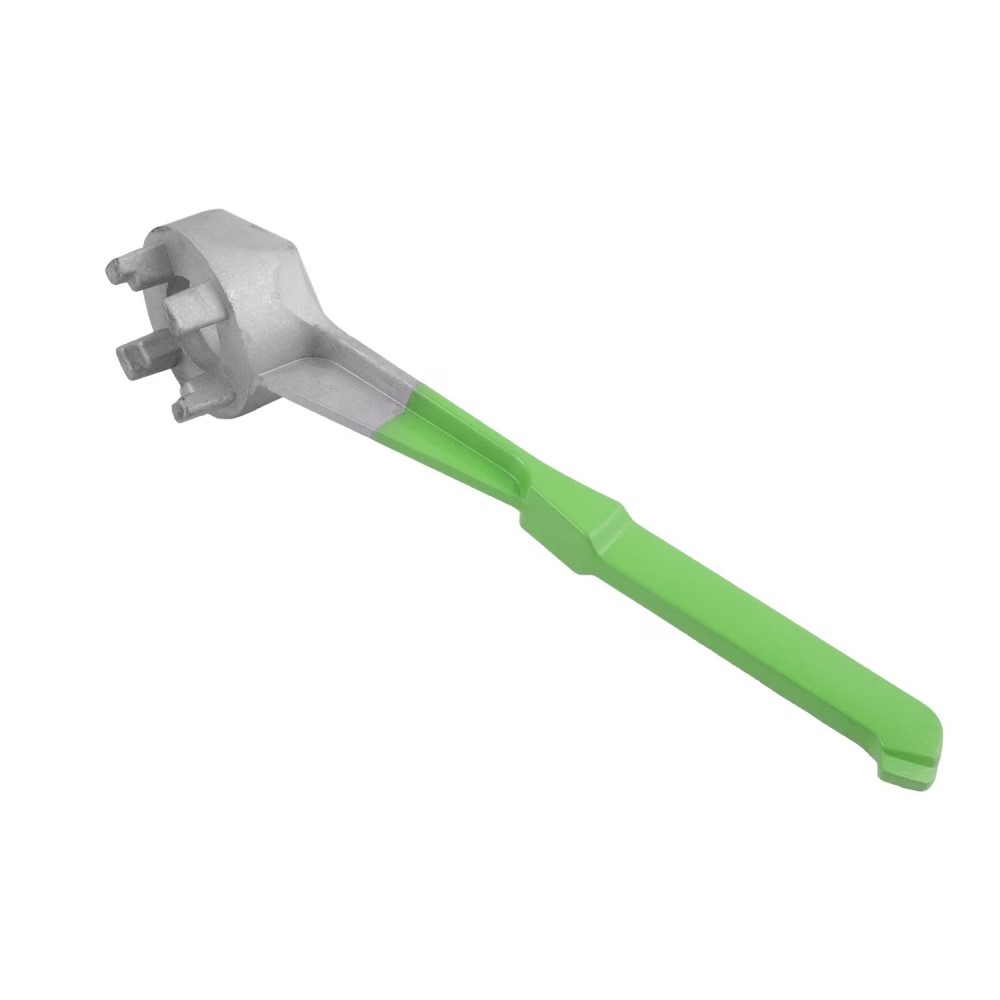
A bung wrench is a specialized tool used for opening and closing large industrial containers. These include drums, barrels, and tanks that store liquids like oil, chemicals, or food-grade substances. Without the right tool, accessing these sealed vessels becomes difficult and unsafe.
This guide explains how to use a bung wrench properly. It covers types, materials, safety tips, and real-world applications. Whether you work in manufacturing, agriculture, or maintenance, knowing about the bung wrench improves efficiency.
 Introduction
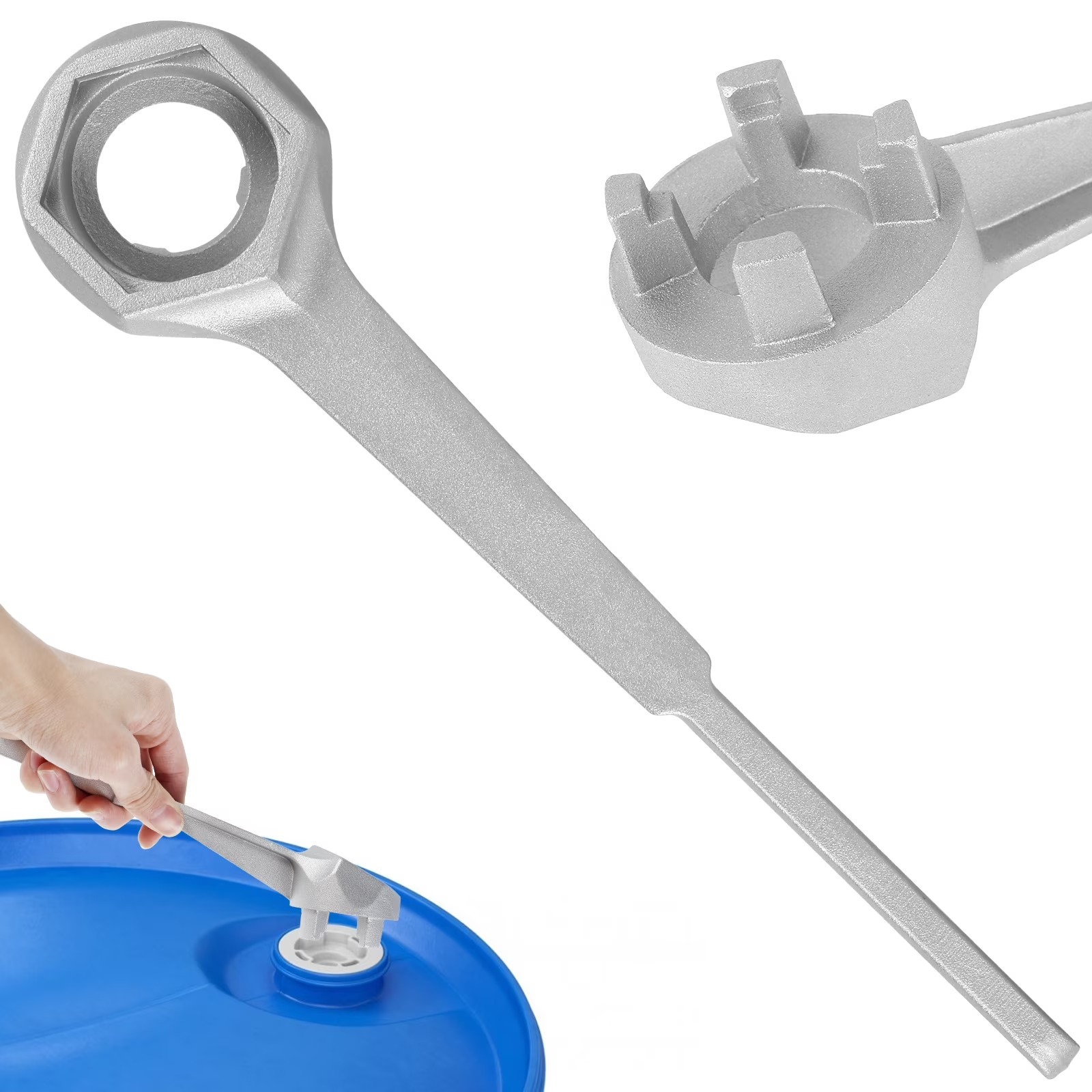
Bung wrenches are essential tools used in industries dealing with drums. They are specifically designed to open and close bung caps effectively. This tool ensures easy maneuvering and safe handling of drum bungs, especially for sealed drums that store liquids or chemicals.
Definition and Purpose of a Bung Wrench
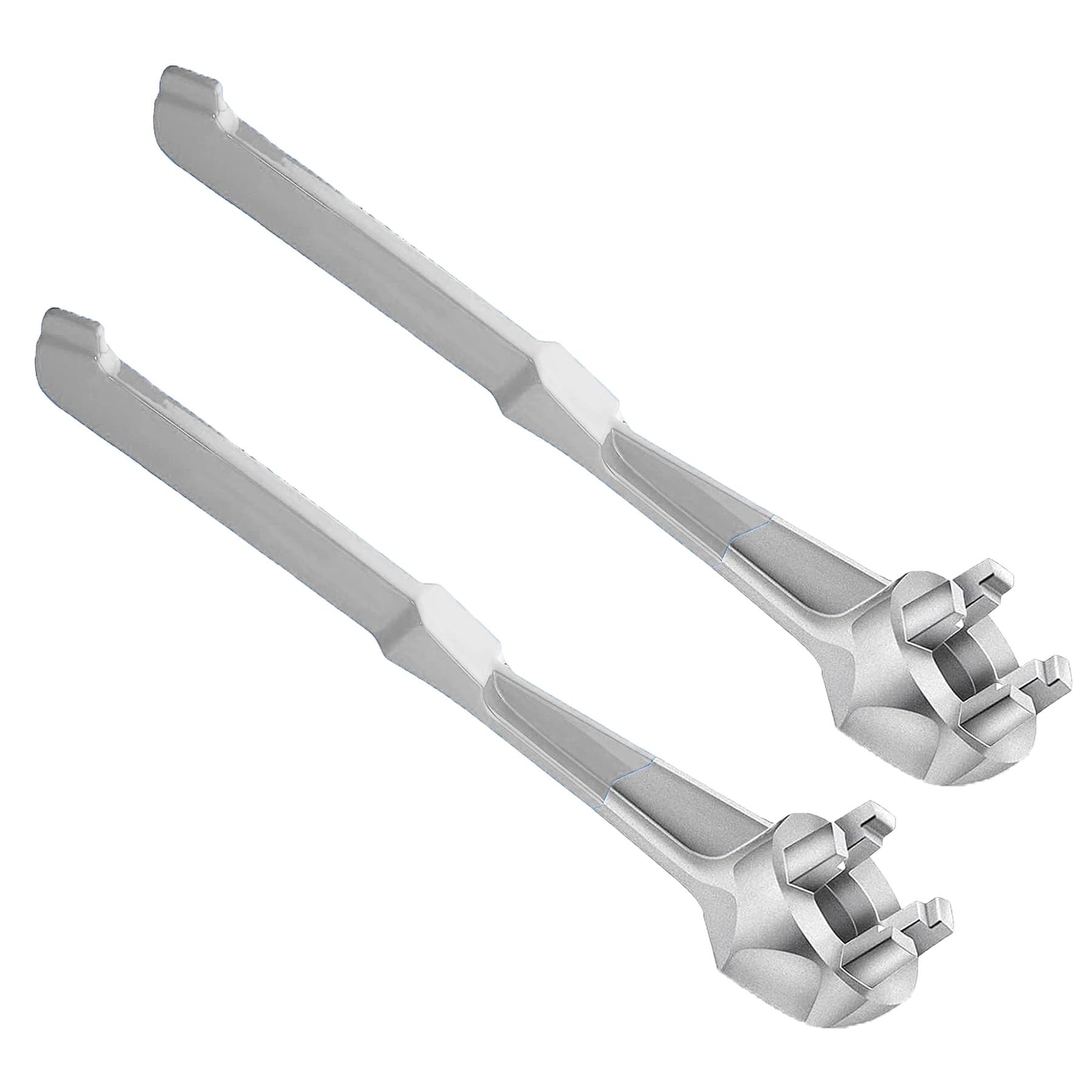
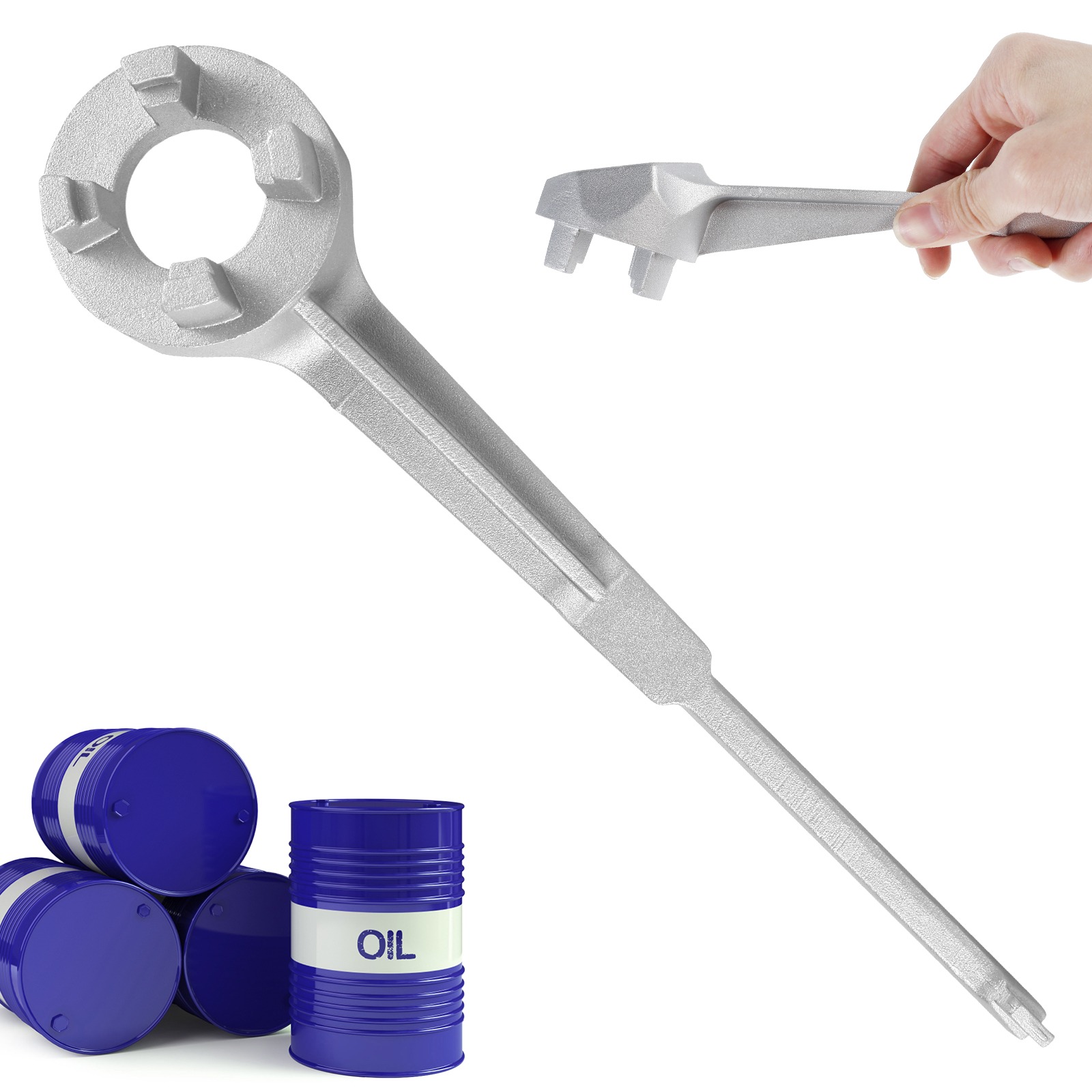
A bung wrench is a specially designed tool for drum bungs and caps. It allows workers to securely tighten or loosen these caps. This is essential for safe storage and access to liquid or chemical contents. Its design prevents damage to the drum components while ensuring proper sealing.
Bung wrenches are useful in industries like chemical processing, oil storage, and food production. They help ensure safety while handling hazardous liquids, avoiding leaks and contamination.
Common Materials and Types of Bung Wrenches
Bung wrenches are made from durable materials to withstand tough tasks. Several common materials include:
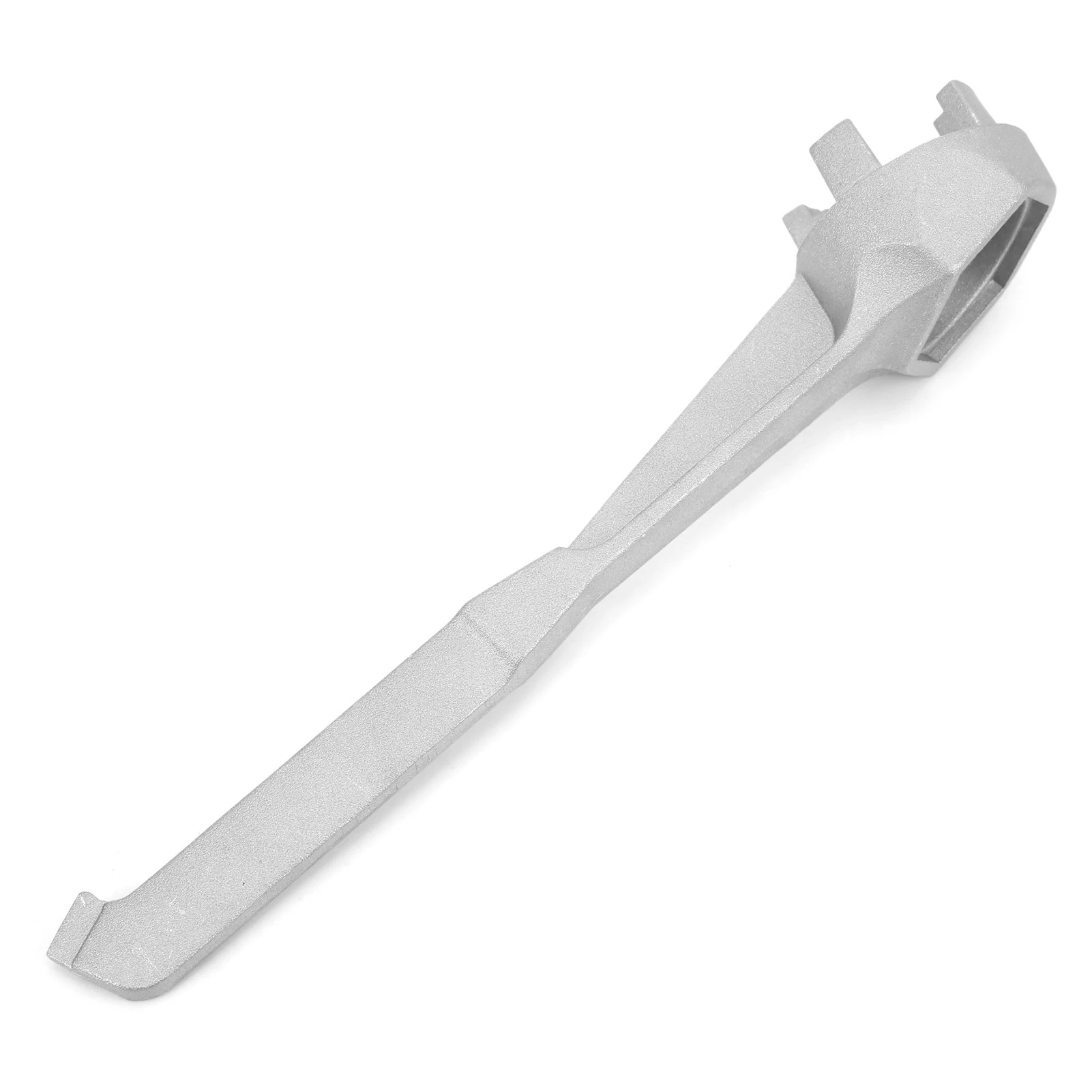
Metal Bung Wrenches: Made from steel or aluminum. These are ideal for durability and heavy-duty use.
Plastic Bung Wrenches: Lightweight and resistant to corrosion. They are typically used for lighter tasks.
Hybrid Bung Wrenches: Combine metal and plastic elements, offering a balance of strength and resistance.
In addition to materials, bung wrenches come in various designs:
Adjustable Bung Wrenches: Allow use with different sizes and types of bung caps.
Non-Adjustable Bung Wrenches: Designed for specific cap sizes.
Specialty Bung Wrenches: Tailored for unique drum types or industries, such as flammable liquid handling.
Choose the right bung wrench material and type for efficiency and safety. Consider the intensity of use and the drum type before purchasing.
 Components of a Drum that Require a Bung Wrench
Drums used in industrial settings consist of critical components that interact with bung wrenches. Understanding these parts is essential for effective handling and maintenance.
Understanding the parts of a drum (bung caps, plugs, and openings)
A drum typically includes:
- Bung Caps: These caps seal the openings of the drum. They protect the contents from contamination and leaks. Bung wrenches are necessary to tighten or remove these caps securely.
- Plugs: Plugs are inserted into smaller drum openings. They ensure airtight sealing and prevent spillage. A bung wrench is often used to adjust or replace plugs.
- Openings: Drums have one or two bung openings for accessing contents. The openings vary in size and design, requiring suitable bung wrenches.
Knowing these drum components ensures proper use of a bung wrench and improves safety.
How different bung openings determine the use of a bung wrench
Bung openings vary based on drum types and application:
- Standard Openings: These are common in chemical storage drums. Bung wrenches designed for standard-sized caps can handle these openings efficiently.
- Flammable Liquid Openings: Specialized drums for flammable liquids may require unique caps and wrenches. These wrenches prevent sparks while ensuring safe handling.
- Large Openings: Drums with large openings need adjustable wrenches. These tools accommodate various cap sizes for versatile use.
Understanding opening types is critical for selecting the right bung wrench. Using mismatched tools can damage drum caps or compromise safety.
Recognizing drum components and bung openings improves handling and enhances the effectiveness of a bung wrench.
Types of Bung Wrenches
Understanding the types of bung wrenches helps you choose the right tool for your needs. These tools vary in material, adjustability, and specialty features. Selecting the proper wrench ensures safety and efficiency in handling drum bungs.
Metal vs. Plastic Bung Wrenches
- Metal Bung Wrenches:
- Made of steel or aluminum, they are robust and heavy-duty.
- Ideal for challenging tasks involving tough drum materials.
- Suitable for industries like chemical processing and oil storage.
- Plastic Bung Wrenches:
- Lightweight and resistant to rust, making them easy to carry and store.
- Good for light-duty tasks and environments prone to corrosion.
- Used often in food production or areas with minimal exposure to harsh chemicals.
Selecting between metal and plastic wrenches depends on workload and environmental factors.
Adjustable vs. Non-Adjustable Bung Wrenches
- Adjustable Bung Wrenches:
- Versatile and designed to fit multiple bung sizes.
- Ideal for industries dealing with varying drum types.
- Offers flexibility for diverse applications.
- Non-Adjustable Bung Wrenches:
- Made for specific bung cap sizes, ensuring precise fit.
- Best for tasks involving repetitive use of one drum type.
- Reduces the risk of damaging drum caps due to improper fitting.
Consider the drum cap sizes before deciding on adjustable or non-adjustable wrenches.
Specialty Bung Wrenches for Specific Drum Types
- For Flammable Liquids:
- Designed to prevent sparks and ensure safe handling.
- Essential for industries dealing with hazardous materials.
- For Large Openings:
- Customized tools to manage bulky bung caps.
- Adaptable to unique drum designs.
- Industry-Specific Tools:
- Tailored for niche industries like pharmaceuticals or heavy-duty chemical storage.
- Offers specialized features unique to that sector’s needs.
Choosing a specialty bung wrench requires considering the unique requirements of your industry. Leveraging the proper tools boosts productivity and safeguards drum contents.
 How to Properly Use a Bung Wrench
Using a bung wrench properly ensures efficient and safe drum handling processes. Below are detailed guides and tips for effective use of this essential tool.
Step-by-step guide to securing and loosening drum bungs
- Inspect the Bung Cap: Check the bung cap for any visible damages or obstructions before use.
- Choose the Correct Wrench: Match the type and size of the bung wrench to the drum’s cap.
- Position the Wrench: Align the wrench teeth or grooves securely with the bung cap.
- Tighten or Loosen the Cap: Turn the wrench clockwise to secure or counterclockwise to loosen the bung cap.
- Check for Tightness: Ensure the cap is sufficiently tightened but not overtightened. An overtightened cap may become damaged.
- Repeat for All Bungs: If the drum has multiple openings, repeat the process for each bung cap.
Safety precautions while using a bung wrench
- Wear Protective Gear: Use gloves and safety goggles to prevent injuries or exposure to chemicals.
- Ensure Stability: Always secure the drum to prevent it from moving or tipping over.
- Handle Chemicals Carefully: Avoid spills and leaks while opening or closing bungs storing hazardous materials.
- Inspect the Wrench: Check for damage or wear on the wrench before use to prevent accidents.
- Avoid Excessive Force: Apply consistent pressure when turning the wrench to prevent damaging drum components.
- Work in Ventilated Areas: If handling volatile chemicals, ensure proper ventilation to avoid inhaling fumes.
Common mistakes to avoid
- Using the Wrong Tool: Avoid mismatched wrenches as this can damage bung caps or openings.
- Overtightening Bung Caps: Excessive force can lead to stripped threads or broken caps.
- Ignoring Drum Stability: Not securing drums may result in spills, damage, or safety risks.
- Skipping Inspections: Using a damaged bung wrench can lead to ineffective handling.
- Neglecting Safety Gear: Failing to wear gloves or goggles increases risk when working with chemicals.
By following these steps and precautions, you can use your bung wrench effectively and safely. Avoiding these mistakes ensures the longevity of your tools and maintains operational safety.
Applications
Bung wrenches play a vital role across various industries and scenarios. Their functionality ensures safety and efficiency in handling drums and their contents.
Industries and scenarios where bung wrenches are essential
- Chemical Processing: Bung wrenches are used to safely access or secure chemicals stored in drums. They prevent leaks and contamination, ensuring the integrity of chemical products during handling.
- Oil Industry: In oil storage and transportation, bung wrenches help seal drums effectively to avoid spillage. They are crucial for precise handling of oils and petroleum-based products.
- Food Production: Dry and liquid food products stored in drums require proper sealing. Bung wrenches ensure tightly closed caps maintain product hygiene and safety standards.
- Pharmaceutical Industry: Bung wrenches are indispensable for controlling access to sensitive chemicals and drugs stored in secure drums. They help in maintaining stringent safety and purity standards.
- Construction: Industrial drums containing construction materials, such as sealants or lubricants, are effectively managed using bung wrenches.
- Waste Management: In waste processing, bung wrenches aid in managing hazardous or liquid waste stored in sealed drums, preventing environmental or workplace hazards.
Handling hazardous materials with a bung wrench
Handling hazardous materials is a key application of bung wrenches. These tools are specially designed to aid in the safe sealing and accessing of drums containing dangerous contents, such as chemicals or flammable liquids. Here’s how bung wrenches enhance safety:
- Preventing Leaks: Ensure bung caps are securely tightened to avoid chemical spills that can pose risks.
- Minimizing Exposure: Bung wrenches allow quick and safe drum access without prolonging exposure to harmful fumes.
- Reducing Sparks: Specialty bung wrenches, like non-spark tools, offer safety when dealing with flammable substances.
- Protecting the Environment: Properly sealed drums reduce the risk of hazardous material leaks into the environment.
By understanding the industries and scenarios where bung wrenches are indispensable, workers can ensure safe, reliable, and efficient drum handling.
 Maintenance and Storage
Proper care of a bung wrench extends its lifespan and ensures efficient performance. Regular maintenance and correct storage prevent damage and maintain its reliability.
Cleaning tips to ensure longevity
- Wipe After Every Use: Clean the wrench with a dry cloth after each use to remove residue.
- Use Mild Detergents: For stubborn grease or chemicals, wash with water and mild soap.
- Avoid Harsh Chemicals: Strong cleaning agents may corrode metal or damage plastic components.
- Inspect for Damage: Regularly check for wear, cracks, or rust on all parts of the wrench.
- Dry Thoroughly: Ensure the tool is completely dry before storing to avoid rust or moisture buildup.
- Lubricate Metal Parts: Lightly apply lubricant to moving or metallic parts for smooth operation.
By following these cleaning practices, you can ensure the tool’s longevity and maintain its usability.
Proper storage to avoid damage and corrosion
- Store in a Dry Place: Keep the wrench away from moisture to prevent corrosion.
- Use Protective Covers: Place the wrench in a tool case or wrap it with cloth for protection.
- Avoid Direct Sunlight: Exposure to sunlight might degrade plastic components or coatings.
- Secure Against Dust: Regularly clean the storage area to prevent dust accumulation on the wrench.
- Hang Metal Wrenches: Use hooks or mounts to store metal wrenches vertically and save space.
- Separate Storage: Keep the wrench away from heavy tools or sharp objects to avoid scratches.
Maintaining cleanliness and storing the wrench properly ensures its readiness for any task while avoiding unnecessary damage.
Troubleshooting Common Issues
Proper use of a bung wrench is critical for safe and efficient drum handling. However, complications can arise during operation. Below are solutions to common issues you might encounter.
How to deal with stuck bung caps
Stuck bung caps can be frustrating but are manageable with proper techniques:
- Inspect for Obstructions: Look at the bung cap and surrounding area for dirt or debris that might obstruct movement.
- Use a Suitable Lubricant: Apply a small amount of industrial-grade lubricant to loosen the threads.
- Choose the Correct Wrench: Use a correctly sized or adjustable bung wrench to ensure a secure grip.
- Apply Gradual Pressure: Turn the wrench slowly to avoid damaging the threads or cap.
- Tap the Cap Lightly: Use a mallet to lightly tap the cap to dislodge stuck threads.
- Heat as a Last Resort: For metal caps, controlled heat may loosen stuck threads. Avoid this for plastic caps.
These tips help resolve stuck bung caps without injury or damage.
When to replace your bung wrench
A worn-out bung wrench can compromise drum handling safety and efficiency. Replace your wrench when:
- Visible Damage: Cracks, bends, or broken grooves indicate the tool’s inability to function properly.
- Rust or Corrosion: If a metal bung wrench has excessive rust, it loses durability.
- Worn Grooves: Grooves or teeth that are smooth or overly worn no longer grip bung caps securely.
- Loosened Handle: A loose or wobbly handle reduces control during use.
- Repetitive Slipping: If the wrench often slips off caps, it is no longer functional.
- Loss of Shape: Plastic wrenches that warp due to heat or chemical exposure must be replaced.
Timely replacement ensures smooth operation and avoids the risk of damaging drum caps. Regular inspection of your bung wrench helps identify when it needs replacing.
Choosing the Right Bung Wrench for Your Needs
Selecting the right bung wrench is crucial for efficient and safe drum handling. A properly chosen tool ensures effective operation and durability.
Factors to consider when buying a bung wrench
- Material: Choose between metal, plastic, or hybrid wrenches based on task requirements.
- Metal wrenches are strong and ideal for heavy-duty tasks.
- Plastic wrenches are lightweight and resistant to corrosion, perfect for lighter use.
- Hybrid wrenches combine durability and corrosion resistance.
- Size and Fit: Ensure the wrench matches the bung cap size of your drums.
- Adjustable wrenches are versatile for multiple sizes.
- Fixed-size wrenches ensure a precise fit for specific caps.
- Type of Drum: Consider the type of drum and its use.
- Specialty wrenches are needed for flammable materials or industry-specific applications.
- Standard drums often require basic metal or plastic wrenches.
- Frequency of Use: Choose durable materials for frequent or heavy-duty applications.
- Opt for high-quality steel or aluminum for regular industrial use.
- Lightweight plastic wrenches are sufficient for occasional tasks.
- Safety Features: For hazardous substances, select non-sparking or chemically resistant wrenches.
- These help avoid accidents and ensure safe handling.
- Ease of Use: Look for ergonomic handles to reduce strain and improve control.
Recommendations for high-quality bung wrenches
- Heavy-Duty Use:
- Opt for steel or aluminum wrenches with adjustable sizing.
- Recommended for chemical processing or oil industries.
- Light-Duty Use:
- Choose plastic wrenches that are practical and lightweight.
- Ideal for food production or occasional drum handling.
- Specialized Tools:
- Consider non-sparking tools for flammable or hazardous material handling.
- Select industry-specific designs for unique needs like pharmaceutical storage.
- Trusted Brands:
- Choose recognized brands known for quality and durability.
- Pay attention to customer reviews when purchasing.
Prioritize safety, efficiency, and reliability when selecting a bung wrench. The right choice ensures smooth and safe operations.
Frequently Asked Questions
Can I use a regular wrench instead? Not recommended. Standard wrenches don’t fit bung heads well. Risk of stripping is high.
Are bung wrenches universal? No. Sizes and shapes vary. Confirm compatibility before buying.
Do I need one for plastic drums? Yes. Plastic bungs still require torque. Seals must be tight.
Can it open pressurized drums? Only if done carefully. Loosen slightly to release pressure. Then fully open.
How do I know which way to turn? Always turn counterclockwise to open. Clockwise to close. Follow standard threading rules.
Can I use it with an impact driver? Only if designed for it. Most manual wrenches aren’t built for power tools.
Is it safe for food-grade containers? Yes, if made from stainless steel. Clean before each use.
Where can I buy a quality bung wrench? Hardware stores, industrial suppliers, or online retailers. Look for trusted brands.
Final Thoughts
The bung wrench is more than just a simple tool. It plays a vital role in industrial safety, efficiency, and maintenance. From factories to farms, its use ensures secure access to stored liquids.
Its design may seem basic. Yet, functionality and durability matter in demanding environments. A single bung wrench prevents leaks, injuries, and delays.
Whether you’re replacing fluids, handling chemicals, or managing supplies, this tool delivers. Learning how to choose and use a bung wrench pays off.
In conclusion, no workshop should be without one. The bung wrench remains a must-have for professionals. Invest in quality. Stay safe. Work smarter.