Flathead Screwdriver Picks for Reliable Performance in 2025
A flathead screwdriver is one of the most fundamental tools in any toolbox. It features a simple, wedge-shaped tip designed to fit into slotted screws. This classic design has been used for decades across homes, workshops, and industries. Whether you’re assembling furniture, repairing electronics, or fixing appliances, a flathead screwdriver often gets the job done. Its straightforward mechanism makes it easy to use, even for beginners. Additionally, it requires no special training or power source. You just turn the handle manually to drive or remove screws.
Moreover, the flathead screwdriver remains relevant despite advances in technology. Many older devices and budget products still rely on slotted screws. Even modern items like light switch plates, outlet covers, and basic hinges use this type. As a result, having a reliable flathead screwdriver ensures you’re never caught off guard. Most models are made from durable steel with comfortable handles. They resist bending under pressure and provide a secure grip. Therefore, understanding what a flathead screwdriver can do helps improve your DIY confidence.
Contents
hide
 Why Every Home Needs a Flathead Screwdriver
Practical Applications Around the House
The flathead screwdriver serves many daily purposes at home. First, it opens electronic devices for battery replacement. Remote controls, wall clocks, and toys often have small slotted screws. Using the right size prevents damage to the head. Second, it tightens loose screws on eyeglasses. A tiny flathead screwdriver fits perfectly into narrow frames. This simple fix extends the life of your glasses.
Additionally, homeowners use flathead screwdrivers during furniture assembly. Some kits include slotted bolts instead of Phillips heads. The tool also adjusts window screens and door latches. When a hinge squeaks, removing the pin with a flathead can help apply lubricant. Moreover, it removes faceplates from electrical outlets safely. Always turn off power before attempting such tasks.
Another common use involves appliance repair. Ovens, microwaves, and washing machines may have accessible panels secured by slotted screws. With the proper flathead screwdriver, you inspect wiring or clean filters without calling a technician. Garden tools like shovels sometimes have wooden handles held by metal bands. These bands loosen over time and need tightening.
Therefore, owning a flathead screwdriver saves time and money. It empowers you to handle minor fixes independently. Consequently, it becomes an indispensable part of household maintenance.
Different Sizes and Shapes
Matching the Tool to the Screw Type
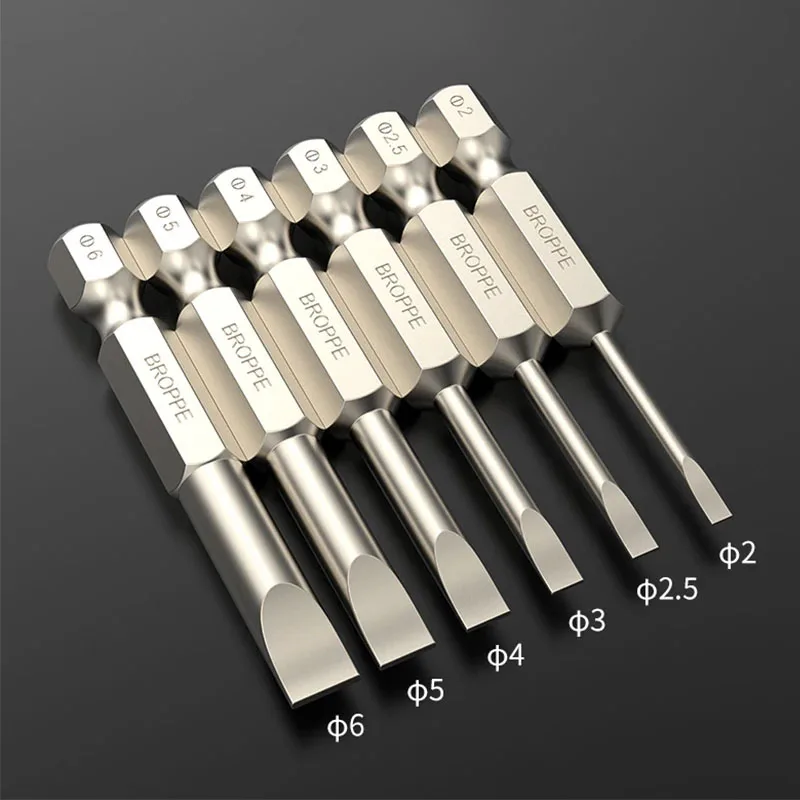
Not all flathead screwdrivers are the same. They come in various widths and thicknesses. Choosing the correct size prevents slipping and damaging the screw. A too-narrow tip will not fill the slot fully. This increases the risk of cam-out, where the driver slips out under pressure. On the other hand, an oversized blade won’t fit at all. Hence, matching width precisely is essential.
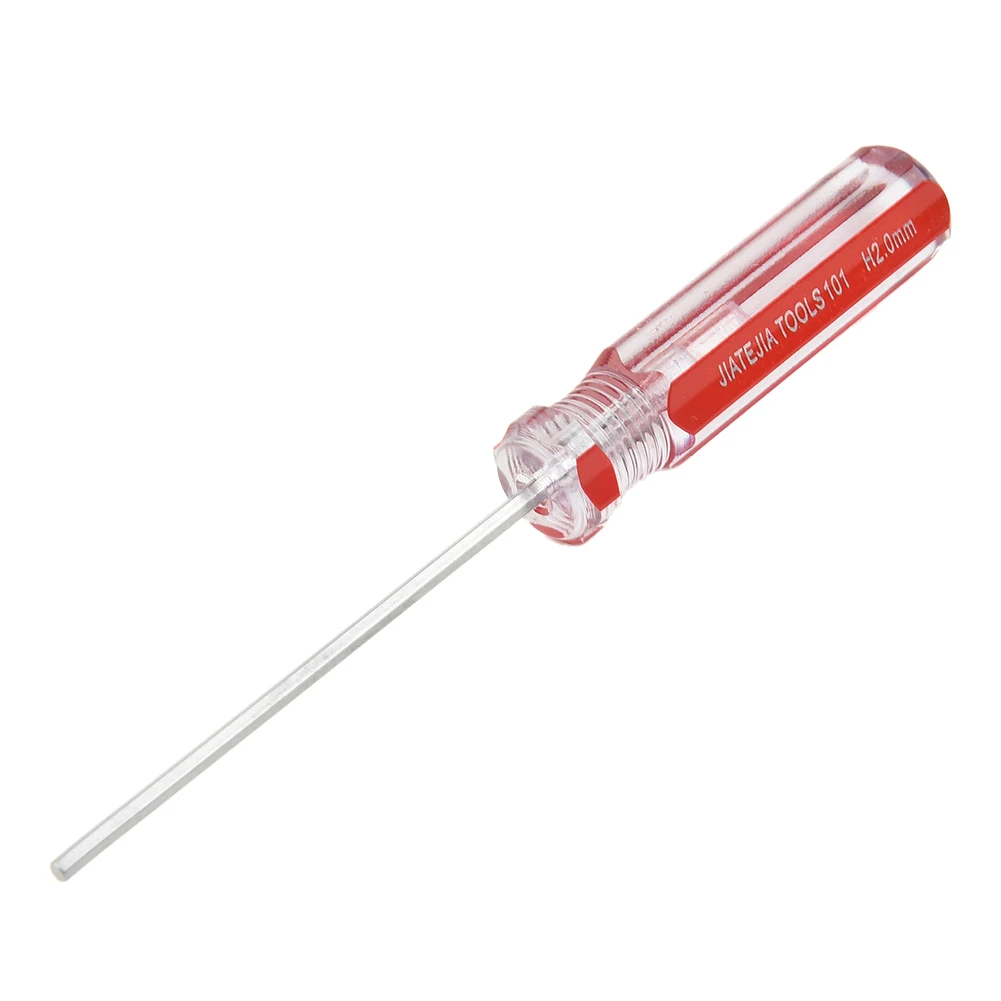
Common sizes range from 3/16 inch to ¼ inch for general use. Smaller versions, like 1/8 inch or less, serve electronics and precision work. Larger industrial models exceed 5/16 inch for heavy-duty applications. Some manufacturers label them as #1, #2, etc., though this system is more common with Phillips drivers.
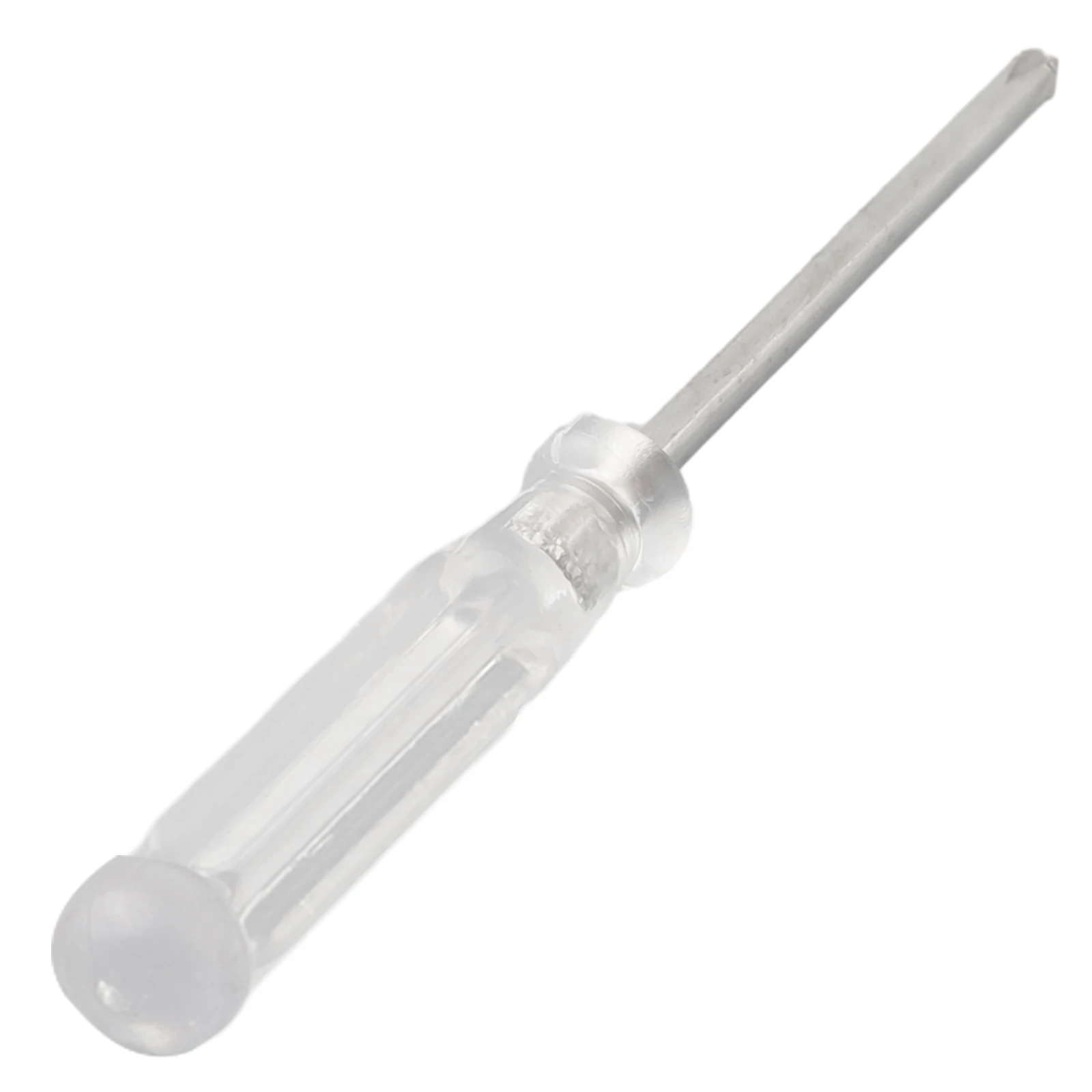
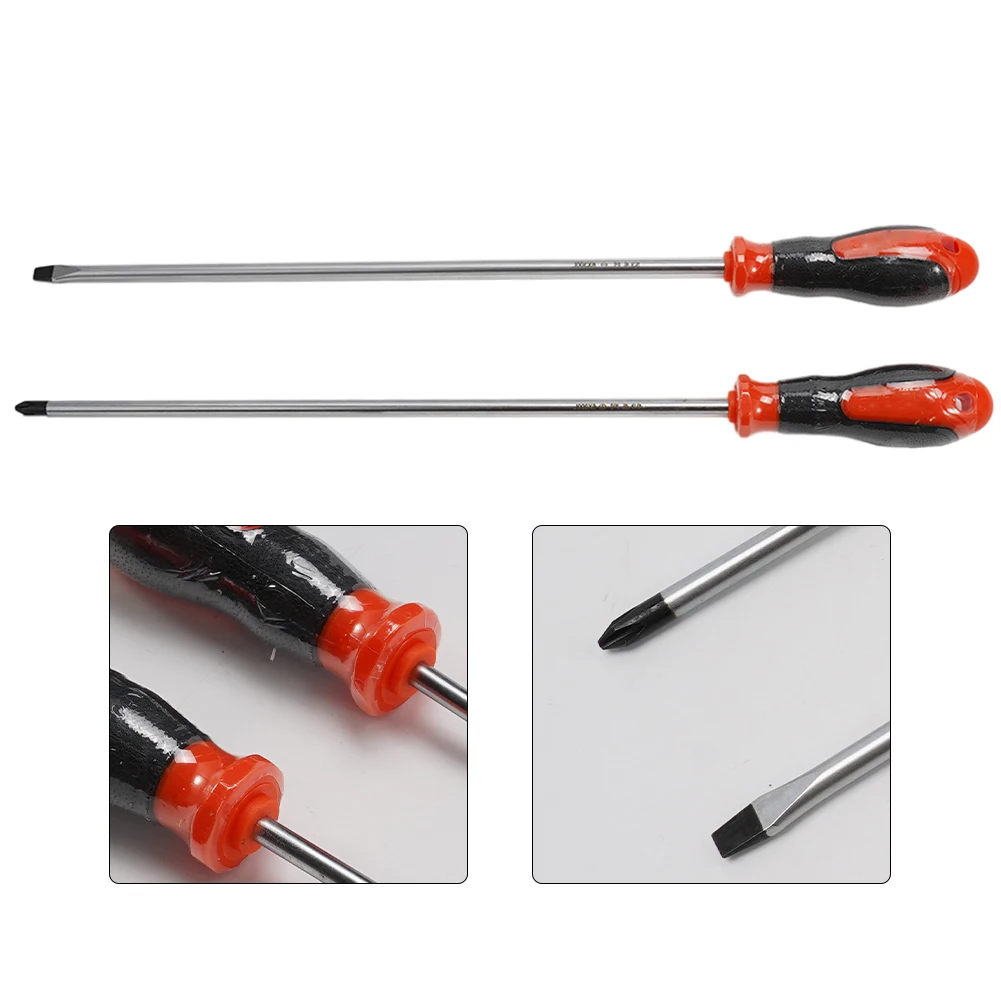
Blade length also varies. Short blades offer better control in tight spaces. Long blades provide extra leverage for stubborn screws. Handle styles differ too—some are oval, others are hexagonal or cushioned. Hex handles prevent rolling and allow greater torque. Magnetic tips appear in some upgraded models. These hold screws in place during installation.
Tapered versus parallel tips affect performance. Parallel blades maintain consistent width along their length. Tapered ones narrow slightly toward the end. Each suits different screw depths. Therefore, selecting the right shape improves efficiency and safety.
 How to Use a Flathead Screwdriver Safely and Effectively
Best Practices for Maximum Control
Using a flathead screwdriver correctly prevents injury and equipment damage. Begin by choosing the right size for the screw slot. Press down firmly while turning. This keeps the tip seated and reduces slippage. Apply steady pressure throughout the motion. Sudden jerks increase the chance of losing grip.
Always align the blade straight with the screw. Angled turns create uneven force and strip the head. If resistance builds, stop and reposition. Check if the screw is rusted or cross-threaded. Applying penetrating oil may help loosen it. Never use pliers on the handle unless necessary. Excessive force can bend the shaft.
Wear safety glasses when working overhead. Metal shards or falling screws can harm your eyes. Work in well-lit areas to see the slot clearly. Use a headlamp if needed. Keep fingers away from the tip path. Accidental slips happen quickly and cause cuts.
For delicate tasks, consider using a jeweler’s flathead screwdriver. These are smaller and lighter. They give finer control for electronics or watches. Maintain a clean workspace. Dust and debris can interfere with screw placement.
Store your flathead screwdriver properly after use. Hang it in a rack or place it in a designated drawer. Avoid tossing it loosely into a toolbox. This prevents tip wear and keeps it ready for next time. Therefore, safe habits extend tool life and protect users.
Materials and Build Quality That Matter
What Makes a Durable Flathead Screwdriver
High-quality flathead screwdrivers last longer and perform better. The shaft material is crucial. Most use hardened chrome-vanadium steel. This alloy resists twisting and breaking under stress. Cheaper models may use softer metals that deform easily. Inspect the finish—polished blades resist rust and corrosion.
The handle plays a big role in comfort and grip. Molded plastic handles absorb shock and reduce hand fatigue. Rubber-coated grips offer superior traction, even when wet. Some feature finger guards to prevent slipping onto the blade. Ergonomic shapes fit naturally in the palm. Overmolded designs combine hard and soft layers for balance.
Durability increases when components are securely attached. Handles should not wobble or crack after repeated use. Riveted or injection-molded joints hold up best. Cheap glue-on types break faster. Look for tools with lifetime warranties. These often indicate manufacturer confidence.
Magnetic tips add functionality. They hold screws during one-handed operation. This is useful when reaching into deep cavities. However, magnetism may interfere with electronics. Use non-magnetic versions for computer repairs.
Brands like Stanley, Klein, and Craftsman offer trusted options. Industrial lines target professionals. Budget sets suit casual users. Either way, investing in solid construction pays off. Therefore, examine materials closely before buying.
 Where to Buy Reliable Flathead Screwdrivers
Online Stores, Hardware Shops, and Tool Kits
Finding a good flathead screwdriver starts with knowing where to look. Major online platforms like Amazon, Home Depot, and Lowe’s carry wide selections. Customer reviews reveal real-world experiences. Look for mentions of “strong tip,” “comfortable grip,” or “doesn’t strip screws.” Photos show wear after extended use.
Local hardware stores let you test tools before purchase. Hold the handle and check weight and balance. Ask staff for recommendations based on your needs. Electricians, plumbers, and mechanics often prefer specific brands. Independent tool shops specialize in professional-grade gear. These may cost more but deliver long-term value.
Tool kits are another smart option. Many include multiple screwdrivers in one case. Sets often mix flathead and Phillips types. Some add nut drivers or hex keys. Starter kits suit beginners. Advanced kits cater to tradespeople. Look for organizers that keep everything visible and accessible.
Dollar stores and discount retailers sell low-cost versions. These work for occasional use but wear out quickly. Blades may bend or tips chip. For frequent tasks, spend a little more on quality. Price does not always reflect performance. Compare features rather than brand names alone.
Check return policies and warranty terms. Reputable sellers allow exchanges if the tool fails. Therefore, research thoroughly before purchasing.
 Maintaining and Caring
Simple Steps to Extend Its Lifespan
Proper care keeps your flathead screwdriver effective for years. After each use, wipe the blade with a dry cloth. Remove dirt, grease, or moisture. This prevents rust and maintains sharpness. Store it in a dry place away from humidity. Avoid leaving it in damp garages or outdoor sheds.
Inspect the tip regularly. Look for signs of chipping or rounding. A damaged tip cannot grip slots properly. Use a grinding stone or file to restore shape carefully. Do not overheat the metal during sharpening. High heat weakens hardness and durability.
Clean the handle too. Sweat and oils degrade rubber coatings over time. Wash with mild soap and water if needed. Let it air dry completely before storage. Avoid harsh chemicals that might crack plastic parts.
Keep a dedicated cleaning rag in your toolbox. Wipe tools before putting them away. Organize screwdrivers in a roll or rack. This prevents crowding and accidental damage. Label sizes if you own many variants.
Avoid using the screwdriver as a pry bar or chisel. These actions stress the blade and lead to breakage. Use the right tool for each job. Therefore, responsible handling ensures lasting performance.
Frequently Asked Questions
Common Concerns Answered Clearly
Can I use a flathead screwdriver on Phillips screws? No, they don’t fit properly and will damage the head. Is it safe for electrical work? Only if insulated and rated for voltage. Can kids use it safely? Under supervision, yes—for simple tasks.
Do magnetic tips affect electronics? Possibly—use non-magnetic versions near circuits. How do I know the right size? Match the blade width to the screw slot exactly. Are expensive models worth it? For frequent use, yes—they last longer.
Can I replace the handle? Rarely; most are permanently attached. Should I oil the blade? Light machine oil prevents rust in storage. Can it be used in tight spaces? Yes, with short-shaft versions. Does temperature affect performance? Extreme cold or heat may weaken materials.
These answers help users make informed choices. Addressing doubts increases confidence in daily use.
Final Thoughts on Owning a Versatile Hand Tool
Why a Flathead Screwdriver Belongs in Every Kit
A flathead screwdriver remains a cornerstone of practical living. Despite new technologies, its role hasn’t faded. From changing batteries to repairing appliances, it delivers consistent results. Knowing how to use it properly builds self-reliance. It empowers people to fix things instead of replacing them.
Its simplicity makes it accessible to all ages. Students, hobbyists, and retirees benefit equally. Workshops, schools, and emergency kits include it routinely. Even advanced technicians carry one alongside digital tools. Therefore, its universal appeal speaks volumes.
Owning a quality flathead screwdriver means being prepared. Emergencies happen at inconvenient times. Having the right tool ready saves frustration. It supports sustainability by extending product lifespans. Ultimately, every home, garage, and toolbox needs at least one flathead screwdriver.