The Ultimate Guide to Finding and Using 1/32 on a Tape Measure
When working on detailed projects, knowing what 1/32 on a tape measure means can make all the difference. This tiny marking represents one-thirty-second of an inch, offering high precision for tasks that demand accuracy. Whether you’re building furniture, installing trim, or crafting custom cabinetry, this level of detail ensures clean fits and professional results.
Moreover, not every tape measure includes 1/32-inch increments. Standard models often stop at 1/16. However, higher-quality tapes used by carpenters, engineers, and metalworkers feature these fine lines. Learning to read them correctly improves your measuring skills and reduces costly mistakes.
Contents
hide
 Basics of Tape Measure Markings
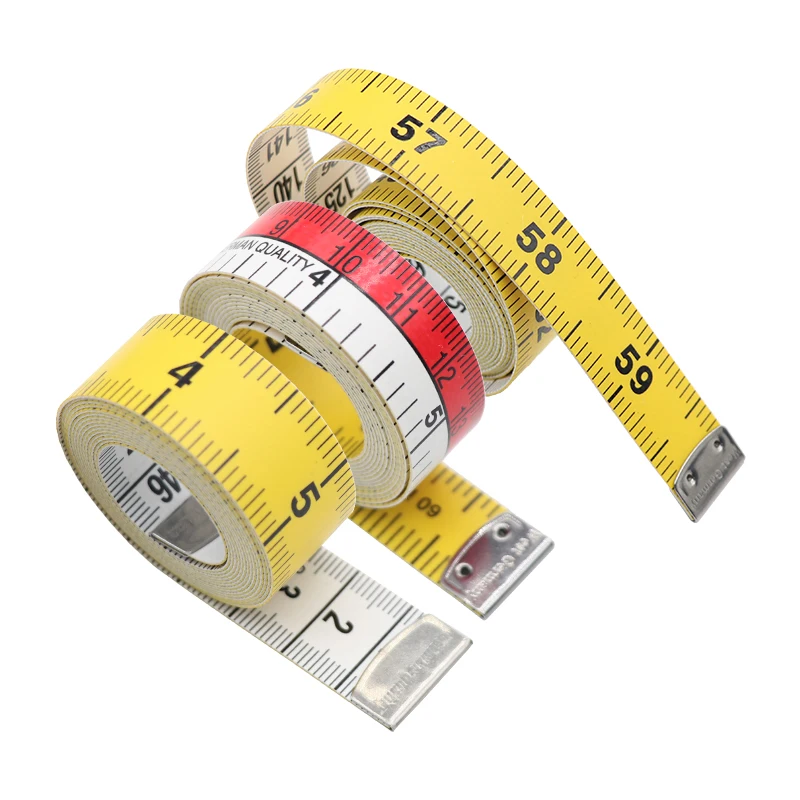
Understanding tape measure markings is crucial for accurate measurements. These markings represent fractions of an inch, making it easier to measure precisely in various projects. A tape measure typically includes common fractions like 1/2, 1/4, 1/8, and smaller increments like 1/16 and 1/32. Each fraction plays a significant role in precision work.
Commonly Used Fractions on a Tape Measure
Fractions such as 1/2, 1/4, and 1/8 are the most commonly used. These increments are easy to identify because they are often bold or slightly longer marks. Smaller fractions like 1/16 and 1/32 require more attention but are essential for accurate measurements. Learning to recognize these fractions ensures accuracy in measurements.
Why 1/32 Increments Matter
1/32 increments allow for highly detailed measurements. These tiny divisions are critical in fields like carpentry, woodworking, and engineering where precision is crucial. They help achieve perfect fits and shapes. Without them, small errors can accumulate, leading to noticeable problems in the final product. Understanding and using 1/32 ensures flawless results.
How to Read 1/32 on a Tape Measure
Reading 1/32 on a tape measure requires focus and understanding of the smallest increments. These tiny marks represent 1/32 of an inch, making them essential for precise measurements. Recognizing these marks takes practice but adds to your measuring skills.
Breaking Down the Smallest Marks
The smallest marks on a tape measure often represent fractions like 1/32. These lines are thinner and shorter compared to larger fractions like 1/8 or 1/16. To identify 1/32 easily, start by locating the nearest longer mark (e.g., 1/16). Count the shorter marks between these. Each additional short mark equals 1/32 increments. Understanding the pattern helps you distinguish the 1/32 marks quickly.
For example, if your measurement is just two short lines after a 1/16 mark, your result is 3/32. Breaking it down systematically minimizes errors and ensures accuracy.
Tips for Identifying 1/32 Quickly
- Practice Counting Marks: Familiarize yourself with the order of tape markings regularly.
- Use a Magnifier: For detailed work, a magnifying lens helps identify tiny 1/32 marks.
- Start with Larger Fractions: Find the closest 1/16 or 1/8 mark as a reference point.
- Work in Good Lighting: Proper light helps you see smaller increments more clearly.
By following these tips, reading 1/32 on your tape measure becomes simpler and more efficient. Develop familiarity through practice to boost confidence in precision measurements.
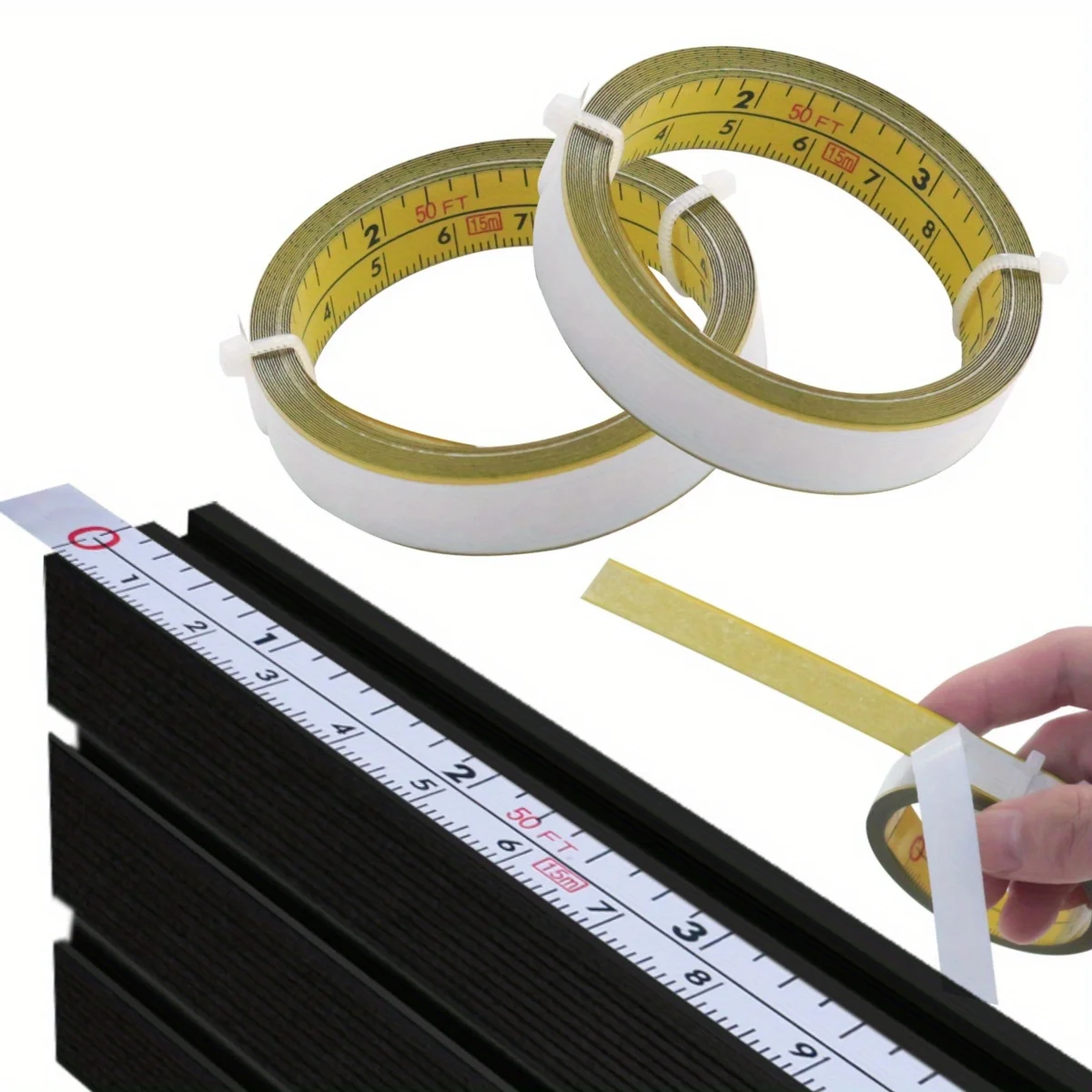 Importance of Accuracy in Measuring
Accurate measurements are essential for success in projects requiring precision. Without them, errors can disrupt even well-planned tasks. Attention to detail ensures consistent and reliable results. Measurements, especially small ones like 1/32 on a tape measure, play a key role.
Applications of Precise Measurements
Precise measurements are crucial in many industries and tasks:
- Carpentry and Woodworking: Perfect fits depend on precise cuts. Small inaccuracies impact overall design and functionality.
- Engineering Projects: Machines and structures require exact dimensions for proper operation.
- Custom Manufacturing: Products must match specifications to meet client expectations.
- Interior Design: Furniture placement and room layouts involve accurate dimensions for aesthetics and functionality.
- DIY Home Projects: Confidence in measurements saves time and materials.
These fields benefit greatly from the ability to measure accurately, even down to fractions like 1/32.
Impact of Small Errors in Real-Life Projects
Small mistakes in measuring can lead to larger problems in projects. Slight miscalculations add up quickly:
- Structural Weakness: Machines or furniture may break due to mismatched components.
- Material Wastage: Errors often result in the need to recut or redo work.
- Time Delays: Fixing measuring errors slows down projects significantly.
- Incompatibility: Incorrect measurements cause pieces to misfit, ruining the final design.
Focused use of precise increments, like 1/32, prevents these issues. Understand the importance of small fractions to master accurate measuring.
Practical Examples Using 1/32 Measurements
Mastering 1/32 on a tape measure is vital in hands-on projects. It ensures precision in detailed tasks. Below are practical examples showcasing the significance of this tiny measurement.
Carpentry and Woodworking
In carpentry and woodworking, exact cuts determine the quality of a project. Using 1/32 measurements allows for:
- Perfect Joints: Precise measurements produce tight fits in dovetails, tenons, and joints.
- Smooth Alignment: Accurate cuts prevent misalignments in large assemblies like cabinets and furniture.
- Custom Pieces: Building intricate designs requires measuring down to the tiniest fraction.
For example, when creating tabletops or cutting moldings, 1/32 ensures edges match perfectly. Small discrepancies will affect the final appearance and stability.
Home Improvement and DIY Projects
Precise measurements are critical for successful home improvement projects. The 1/32 increment plays a noticeable role in:
- Installing Fixtures: Measure accurately to ensure fixtures like shelves, hooks, and hardware are level.
- Cutting Trim: Achieve seamless fits when cutting baseboards or molding with a 1/32 accuracy.
- Tile Work: Ensure equal spacing and even cuts for a professional finish in flooring or backsplashes.
For instance, when replacing window frames or doors, small errors create gaps or alignment issues. Measuring to 1/32 prevents these problems, saving time and material.
Whether in intricate carpentry or functional DIY projects, 1/32 measurements enhance precision and guarantee success. Learning to use this tiny increment improves results significantly.
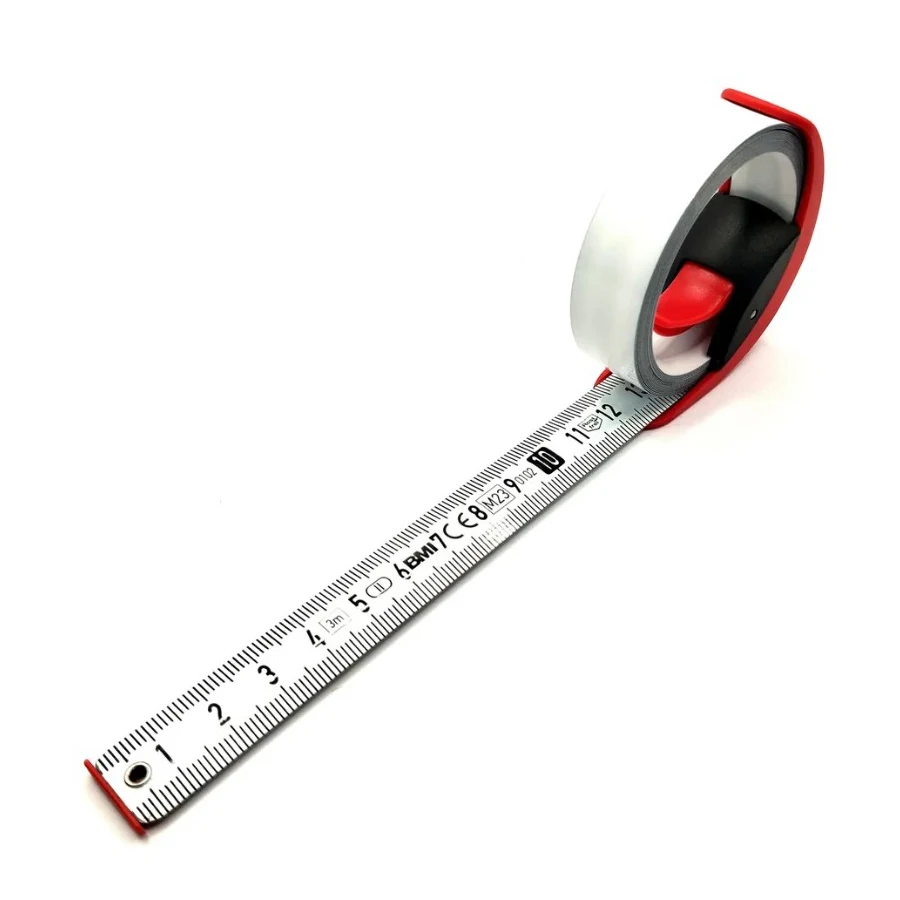 Comparing 1/32 with Other Units
Understanding how 1/32 compares to other increments helps clarify its significance in precise measuring.
1/32 Versus 1/16 and 1/8 Measurements
1/32 is much smaller than 1/16 and 1/8 increments. It allows for higher measurement accuracy:
- Finer Details: Unlike 1/16 and 1/8, 1/32 measures minuscule differences, ideal for intricate tasks.
- Greater Precision: 1/32 delivers tighter tolerances, ensuring better fits for woodworking or machinery.
- Smaller Margins of Error: 1/32 minimizes errors compared to 1/16 or 1/8, crucial in engineering or design.
For instance, while 1/8 might suffice for rough cuts, 1/32 ensures perfection in joints. In contrast, 1/16 offers moderate accuracy but lacks the precision of 1/32. By recognizing their differences, you can choose the right unit for your project.
Converting Between Inch Fractions
Converting between inch fractions is helpful to scale up or down measurements accurately:
- From 1/32 to Larger Fractions: Combine increments. For example, two 1/32 equals 1/16; four equals 1/8.
- From Larger Fractions to 1/32: Divide the fraction. For example, 1/16 equals two 1/32; 1/8 equals four 1/32.
Example: To measure 5/32, count five 1/32 marks on the tape measure. Alternatively, add 1/8 (four 1/32 marks) and one extra 1/32 mark.
Converting efficiently improves your ability to use both small and large measurements. Practice makes it easier to switch between fraction types while working.
Tips for Mastering Tape Measure Usage
Mastering the use of a tape measure takes practice and attention to detail. Regular use enhances accuracy and confidence with measuring tasks.
Practice Strategies for Beginners
Beginner-friendly strategies make learning tape measure usage easier and ensure precise results:
- Start with Common Fractions: Focus on larger fractions like 1/2, 1/4, and 1/8. Gradually learn smaller increments like 1/16 and 1/32.
- Measure Everyday Objects: Practice measuring furniture, tools, or books. This builds familiarity with tape markings.
- Practice Conversion: Convert between fractions, such as 1/8 to 1/32. This improves understanding of tape scale.
- Mark and Verify: Measure an object and mark its measurements. Then double-check to identify errors.
- Use Measurement Exercises: Challenge yourself with specific tasks, like identifying 7/32 or combining fractions.
With consistent practice, identifying and utilizing 1/32 on a tape measure becomes second nature.
Maintaining Accuracy Over Time
Maintaining consistent accuracy ensures reliable results during all projects. Here are tips to keep skills sharp:
- Regularly Inspect Your Tape Measure: Check for damage or fading marks. Replace worn-out tools immediately.
- Store Properly: Keep your tape measure clean and avoid dropping it to prevent misalignment.
- Recalibrate If Needed: Ensure the tape measure’s hook is aligned for accurate readings.
- Work in Proper Conditions: Use good lighting and stable surfaces. This minimizes reading mistakes.
- Practice Precision Cuts: Test your measurements with small cutting projects to reinforce accuracy.
- Review Basics Often: Revisit essential markings and their meanings, especially for smaller increments like 1/32.
Staying diligent helps maintain skill and ensures precise measurements for years to come.
Common Mistakes People Make
Avoiding Costly Errors That Lead to Poor Fits and Material Waste
One frequent mistake is misreading the lines. Users confuse 1/32 with 1/64 or overlook it entirely. This leads to incorrect cuts. Always verify by counting from a major mark.
Another error is parallax. Viewing the tape from an angle distorts alignment. Always look straight down at the marking. Position your eye perpendicular to the blade.
Forgetting to account for the tape’s hook movement causes issues. The metal end slides slightly to adjust for inside vs. outside measurements. Not understanding this leads to consistent inaccuracies.
Rushing through measurements increases risk. Skipping verification steps results in flawed results. Take time, especially on expensive materials.
Using a worn or bent tape introduces errors. Damaged blades stretch or kink. Replace them regularly for reliability.
Some people don’t reduce fractions. Saying “22/32” instead of “11/16” creates confusion. Simplify whenever possible.
Also, neglecting environmental factors affects precision. Heat expands metal tapes. Cold contracts them. Extreme temps alter length slightly. Store tapes indoors.
Lastly, relying solely on memory invites mistakes. Write everything down. Share measurements clearly with team members.
When to Use 1/32 on a Tape Measure vs. Larger Fractions
Situations That Require Maximum Precision Over General Estimates
Use 1/32 on a tape measure when accuracy is non-negotiable. Cabinetmakers use it when aligning drawer fronts. Even a slight offset ruins symmetry. Matching edges requires exactness.
Tile setters rely on it for even spacing. Grout lines stay consistent only if cuts are perfect. Misjudging by 1/32 can throw off an entire row.
Musical instrument builders depend on fine measurements too. Guitar necks and violin bodies need precise dimensions. Sound quality changes with minor variations.
Metal fabricators use 1/32 when welding or machining parts. Industrial standards often require tolerances within 0.03 inches. That’s less than 1/32 (which is ~0.03125).
Model makers and miniature artists also benefit. Tiny structures need exact scaling. A small error magnifies when enlarged.
In contrast, rough framing, landscaping, or fencing rarely needs 1/32. These jobs use 1/2 or 1/4-inch increments. Speed matters more than micrometric precision.
However, if you’re fitting countertops, installing windows, or hanging built-in shelves, go finer. 1/32 provides the control needed for flush finishes.
Always assess the project scope. Ask: will a 1/16-inch gap be noticeable? If yes, switch to 1/32 readings.
 Reading and Measuring with 1/32 Increments Correctly
Best Practices to Avoid Errors and Improve Measurement Confidence
Start by securing the tape firmly. Letting it shift during measurement causes false readings. Hook the end over the edge or have a helper hold it steady.
Align the zero point precisely. Don’t assume the metal hook accounts for thickness automatically. On some tapes, it moves slightly to compensate. Know your tool’s behavior.
Use good lighting. Dim conditions make small lines hard to see. Shine a flashlight directly onto the blade. Avoid shadows that distort alignment.
Count slowly. Start at a known mark like 1/2 or 1 inch. Move forward one 1/32 increment at a time. Double-check your total by adding fractions.
Write down measurements immediately. Memory fails under pressure. Record both fraction and decimal equivalents if helpful.
Check the blade tension. A sagging tape bends and gives inaccurate lengths. Extend it fully and keep it straight. Support long spans if needed.
Use a pencil with a sharp tip. Thick marks cover multiple lines. A fine point lands exactly where intended.
Finally, re-measure every critical cut. “Measure twice, cut once” applies especially when using 1/32 on a tape measure. One verification saves wasted material.
Frequently Asked Questions
What does 1/32 look like on a tape measure? It’s the shortest line between two 1/16 marks. There are two 1/32 lines in each 1/16 segment.
Is 1/32 necessary for home DIY projects? Only for high-precision tasks. Most basic repairs use 1/8 or 1/16. Upgrade when needed.
How do I convert 1/32 to decimals? Divide 1 by 32. That equals 0.03125 inches. Useful for digital calipers or calculators.
Can I use a ruler instead of a tape for 1/32 readings? Yes, if it has fine markings. Steel rulers often offer better precision than retractable tapes.
Do metric tapes have 1/32 equivalents? No. They use millimeters. 1 mm ≈ 1/25 inch. Closest is about 0.8 mm, but not exact.
Are laser measures accurate to 1/32? High-end models claim ±1/16. For true 1/32, traditional tapes remain more reliable.
Does wood movement affect 1/32 measurements? Yes. Humidity changes cause swelling or shrinking. Allow space for seasonal shifts.
Can I trust old tape measures for 1/32 accuracy? Only if undamaged. Check for stretching, kinks, or worn tips. Replace when in doubt.
Final Thoughts
Understanding 1/32 on a tape measure empowers you to achieve greater accuracy in every project. From cabinetry to engineering, this small unit plays a big role in quality outcomes. While not always required, knowing how to read and apply it gives you an edge.
As tools evolve, the fundamentals remain. Precision begins with clear vision, proper technique, and attention to detail. Now that you know how to identify and use 1/32 increments, you’re ready to take your craftsmanship to the next level. Never underestimate the power of a single small line.