Long Screwdriver Guide: Tackle Deep or Tight Spaces Like a Pro
Introduction
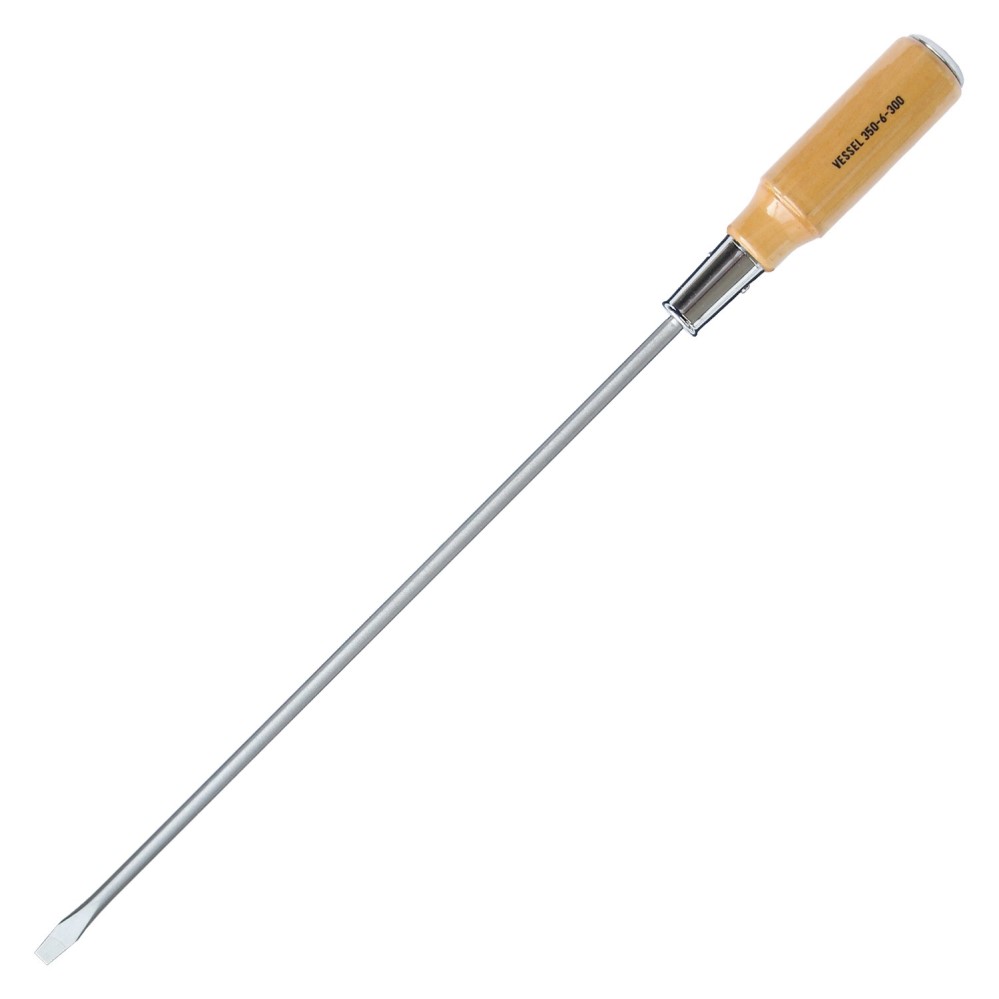
A long screwdriver is a must-have tool for professionals and DIY enthusiasts alike. It reaches screws deep within appliances and electrical devices. Its slender shaft allows access to tight spaces. Long screwdrivers come in various sizes and shapes, to fit different tasks. They offer leverage for tightening or loosening screws with more torque. The length varies, typically ranging from six inches to over two feet. Long screwdrivers are essential for tasks that other drivers cannot handle. They work well for home repairs, automotive work and electronic repairs. Their design makes them versatile and valuable in many toolkit collections. The use of long screwdrivers makes the job not just easier, but often actually possible. Understanding these tools will help you pick the right one for each task.
 Types of Long Screwdrivers
When it comes to long screwdrivers, the variety is vast. Each type is designed for specific tasks and environments. Here are the main types you’ll encounter:
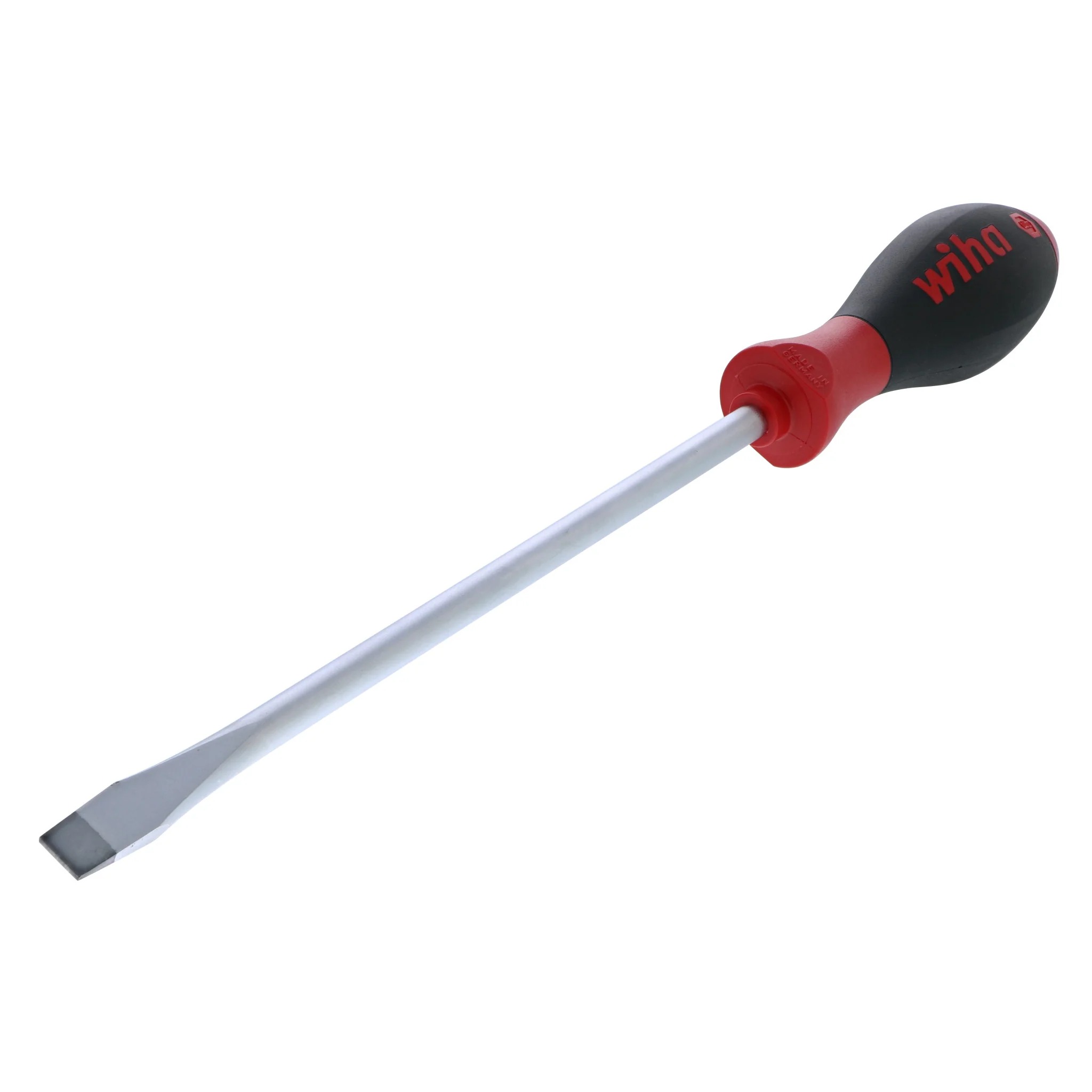
Flathead Long Screwdrivers
The classic flathead screwdriver features a single slot tip. It’s versatile and works with many types of screws. Opt for a flathead when a strong, firm torque is needed. These are ideal for larger screws in spaces where precision isn’t critical.
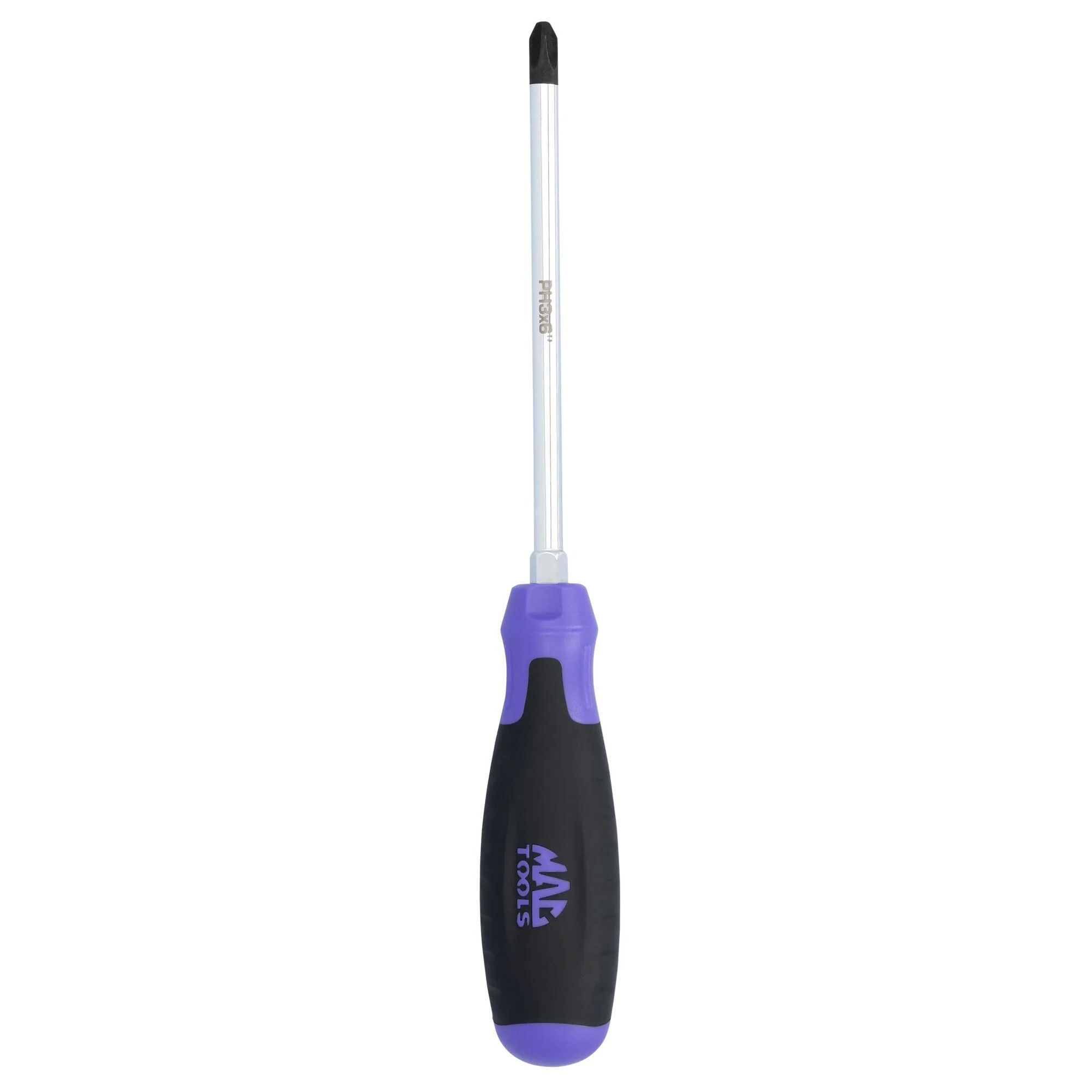
Phillips Long Screwdrivers
Phillips screwdrivers have a cross-shaped tip. They fit Phillips head screws, common in many devices. Their tips grip well, reducing the risk of stripping the screw head. This type offers controlled torque for tasks requiring more care.
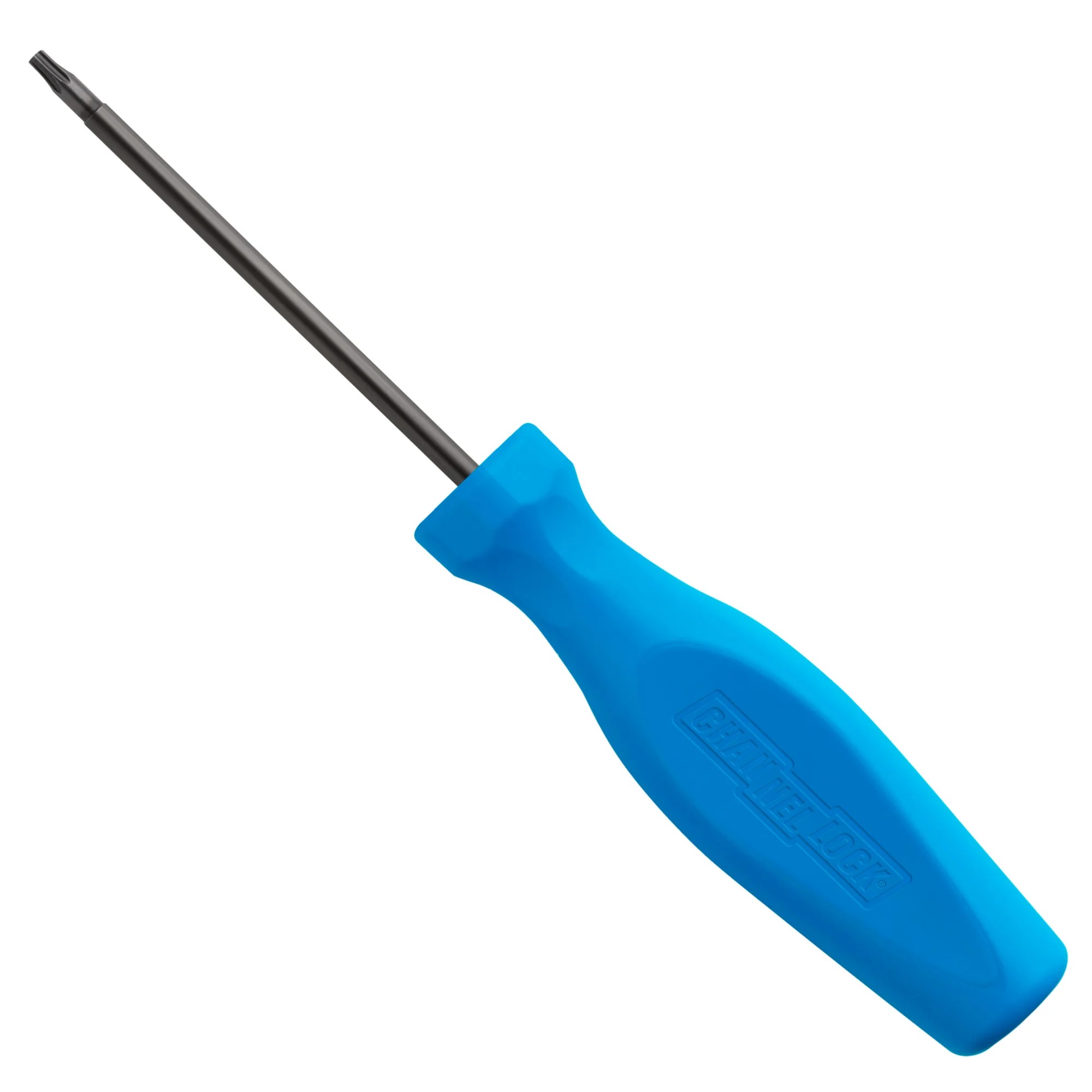
Torx Long Screwdrivers
Torx screwdrivers, identifiable by their star-shaped tip, are gaining popularity. They deliver higher torque transmission with reduced slippage. These are great when working with electronics or in automotive applications.
Pozidriv Long Screwdrivers
Pozidriv screwdrivers are similar to Phillips but have extra ridges. These ridges allow for more secure engagement and less cam-out. They’re suitable for jobs requiring precise, high torque.
Robertson or Square Long Screwdrivers
Originating from Canada, Robertson screwdrivers have a square tip. They provide excellent stick fit and reduce cam-out. They’re often used in woodworking and construction.
Hex Long Screwdrivers
Hex screwdrivers (or Allen keys) have a hexagonal tip. They’re essential for assembling furniture and bicycles. Their unique shape allows for smooth insertion and torque application.
Tri-Wing Long Screwdrivers
Tri-wing screwdrivers have a Y-shaped tip, designed for tamper-resistant screws. They are often found in consumer electronics to prevent easy disassembly.
Nut Drivers
While not technically a screwdriver, nut drivers work similarly and often come in extended lengths. They fit over hexagonal fasteners and provide leverage for tightening or loosening nuts.
It’s important to know these different types and when to use each. A well-chosen long screwdriver can make a challenging task much easier and more efficient.
 Benefits of Using Long Screwdrivers
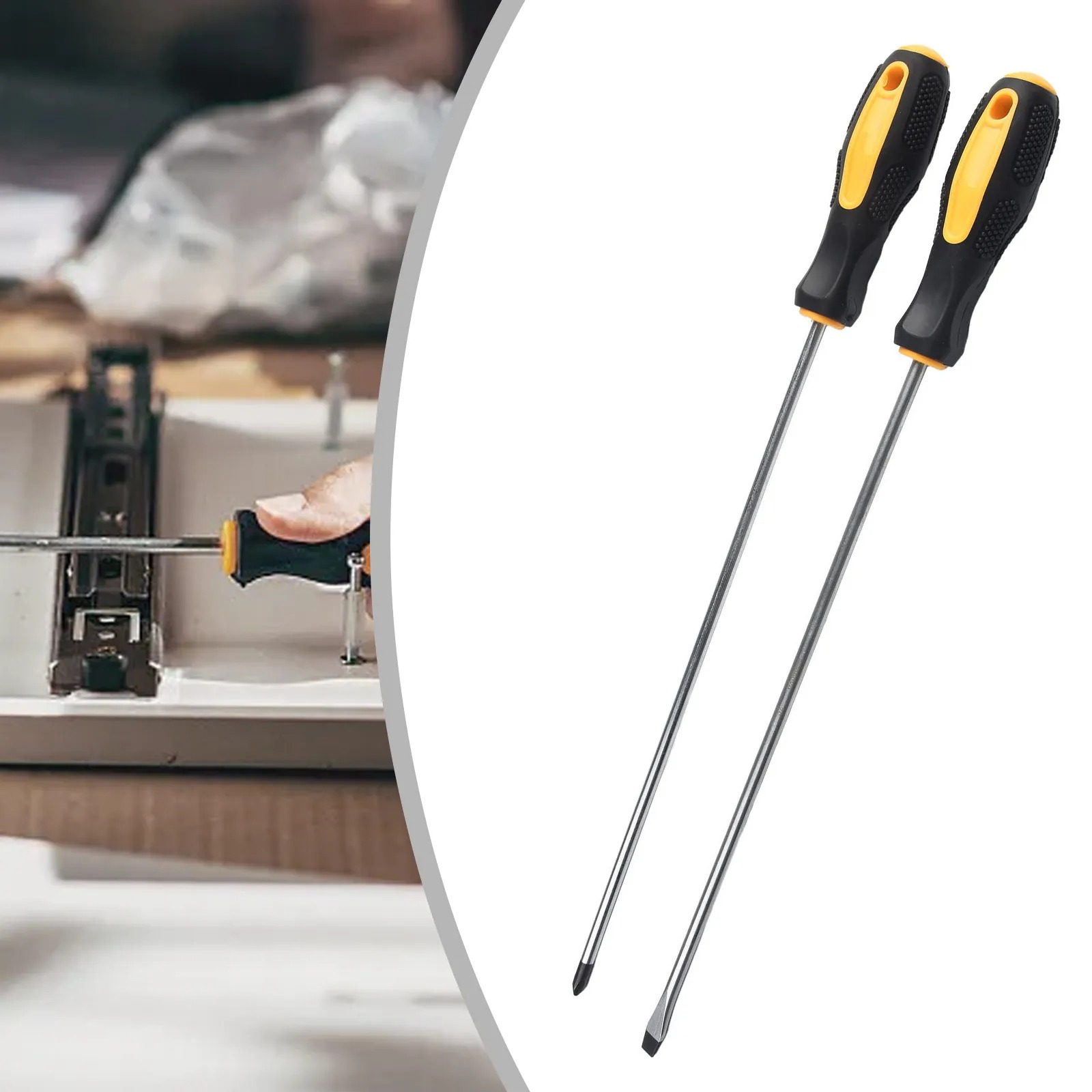
Long screwdrivers boast an array of benefits for do-it-yourselfers and professionals. Firstly, their extended reach allows them to easily access and manipulate screws located in deep recesses or awkward corners. Effortlessly, they span distances that standard screwdrivers cannot, providing unparalleled access.
The additional length of a long screwdriver not only enhances reach but also improves leverage. The extra leverage means less force is needed to turn a screw, thus reducing the strain on your hands and wrists. This can be crucial in preventing fatigue during extensive use or with stubborn screws.
Long screwdrivers also enhance precision. With a long handle, it’s easier to ensure that the screwdriver’s tip aligns perfectly with the screw head. This precise alignment helps prevent slippage and potential damage to the screw head or surrounding materials.
Using a long screwdriver can also contribute to workplace safety. It allows the user to maintain a safer distance from potential electrical hazards. In addition, the increased distance can protect from sparks or flying debris when working with power tools or machinery.
Lastly, the versatility of long screwdrivers is notable. They are not just for professional use but are also invaluable for home repairs and hobbies. For any task where screws are out of reach, the long screwdriver stands out as an optimum tool to have.
Overall, long screwdrivers are a vital part of any toolkit, providing greater reach, leverage, precision, safety, and versatility. A smart investment, they greatly enhance efficiency and effectiveness in a wide range of tasks.
Common Uses in Various Industries
Long screwdrivers have a broad range of applications across various industries, thanks to their extended reach and increased leverage. In this section, we’ll explore some of the common uses of long screwdrivers in different sectors.
In Automotive Repair, long screwdrivers access hard-to-reach places beneath the hood or within the car’s chassis. Mechanics use them to adjust components like carburettors or to remove interior panels.
In Construction, electricians and builders utilize long screwdrivers when working with electrical boxes or when securing fixtures in difficult spots.
For Electronic Repairs, technicians favor long screwdrivers, especially Torx and Tri-Wing types, to delve into the tight spaces of gadgets. They’re essential for opening up consoles or computers.
In the Aerospace Field, precision is paramount. Long screwdrivers enable technicians to reach deep into aircraft panels or instrumentation without dismantling large sections.
In the Manufacturing Industry, long screwdrivers aid in assembly lines. Workers use them to quickly tighten or loosen screws that are deep within machinery and equipment.
For Home Improvement, DIY enthusiasts depend on long screwdrivers for tasks like installing cabinets where regular screwdrivers can’t reach.
In Appliance Repair, service professionals use long screwdrivers to fix appliances like ovens, refrigerators, and washing machines, where screws are often not on the surface.
These are just a few examples of how long screwdrivers are put to work in everyday professional tasks. Their design allows users to work more effectively and tackle jobs that would otherwise be difficult or impossible with shorter screwdrivers.
How to Choose the Right Long Screwdriver for Your Needs
Choosing a long screwdriver requires careful consideration of your specific needs. To find the ideal tool, focus on the task at hand and the environment where you’ll use it.
Consider the Screw Type
Start by looking at the screws you’ll work with. Each head type, such as flathead or Phillips, needs a matching screwdriver. Make sure the tip fits well to avoid damage.
Assess the Reach
Think about the length you need. Measure the depths you’ll dive into. This ensures the screwdriver will reach without straining.
Evaluate the Handle Grip
The handle should feel comfortable in your hand. It must offer a firm grip to control the torque.
Check Durability
A quality screwdriver withstands heavy use. Opt for one made with strong materials like alloy steel.
Review Additional Features
Some screwdrivers have extra perks like magnetic tips or insulated shafts. These features can be handy in certain jobs.
Read Reviews and Recommendations
Finally, take time to read user reviews. These often highlight aspects you might not have considered. They can steer you toward the right choice.
By considering these factors, you will be set to pick a long screwdriver that meets your requirements. It will be a dependable addition to your toolkit, making your work easier and more efficient.
 Safety Tips
Safety is paramount when handling any tool, and long screwdrivers are no exception. Proper use not only ensures your well-being but also extends the life of the tool. Here are essential safety tips to keep in mind:
Wear Protective Gear
Always wear safety glasses to shield your eyes from debris. Gloves can also protect your hands from sharp edges and improve your grip.
Check the Environment
Prioritize a well-lit, clutter-free workspace to avoid accidents. Ensure there’s no water nearby to prevent electric shocks.
Inspect the Tool Before Use
Look for any damage like cracks in the handle or a loose tip. A damaged screwdriver can slip and cause injury.
Use the Correct Tip Size
Match the screwdriver tip size to the screw head for a snug fit. This avoids slipping and potential damage.
Keep Away from Live Circuits
Ensure electrical systems are powered down before using metal shaft screwdrivers. If you must work near electricity, use insulated screwdrivers.
Do Not Overreach
Maintain a stable stance and do not overextend your arm. Overreaching could lead to loss of balance and accidents.
Avoid Using as a Pry Bar
Long screwdrivers are not crowbars. Levering or prying with them can weaken the shaft or handle.
Store Securely After Use
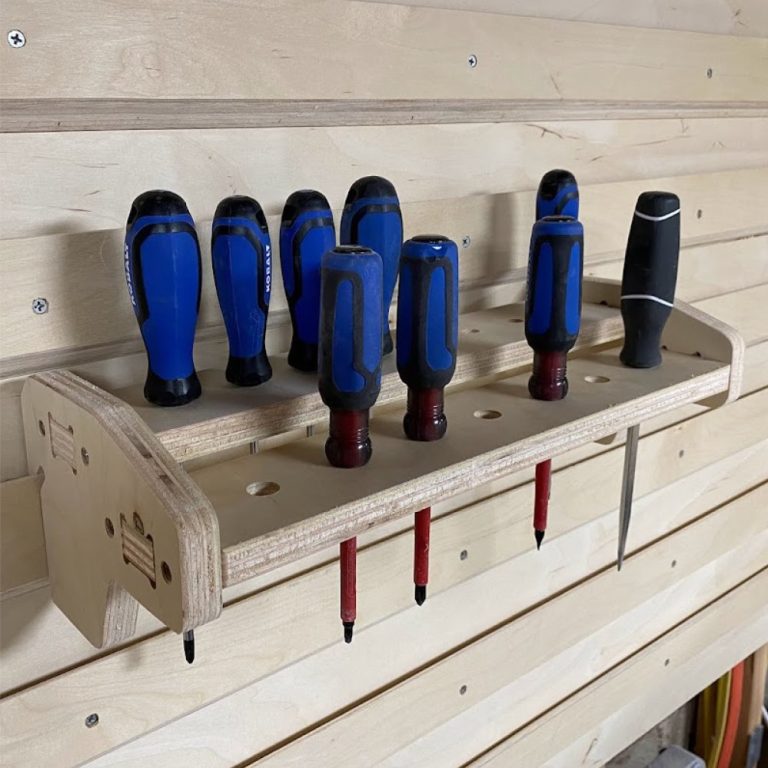
Place screwdrivers back in a toolbox or rack. Proper storage prevents accidents and keeps tools in good condition.
By following these guidelines, you’ll handle long screwdrivers safely and effectively.
Care and Maintenance
To keep your long screwdrivers in top shape, regular care and maintenance is key. Here’s a straightforward guide to ensure longevity and performance:
Store Properly
Always store your screwdrivers in a dry, clean space. Avoid damp areas to prevent rust. Use toolboxes or racks that hold screwdrivers securely, preventing them from falling and getting damaged.
Clean After Use
Wipe your screwdriver with a clean cloth after use. Remove dirt and oil. This maintains the tool’s grip and prevents corrosion.
Inspect Regularly
Check your screwdrivers for signs of wear. Look out for any cracks in the handle or damage to the tip. Replace worn tools to ensure safety and efficiency.
Oil Moving Parts
Apply a drop of oil to any moving parts. This includes the swivel tops some long screwdrivers have. Regular oiling ensures smooth operation.
Protect Tips
Use tip protectors if available. This helps maintain the screwdriver’s shape and protects against physical damage.
Avoid Improper Use
Do not use your screwdrivers for prying. This can bend or break the tip. Always choose the right tool for the job.
By following these simple care steps, your long screwdrivers will remain reliable and effective for years. Proper maintenance prevents unexpected failures and ensures that your tool is ready when you need it.
 Popular Brands and Models
When searching for a quality long screwdriver, knowing popular brands and models is helpful. These brands have earned trust over the years with their durable and efficient tools. Here are some well-regarded names to consider:
Klein Tools
Klein Tools offers a variety of long screwdrivers, known for their professional-grade quality. They feature cushion-grip handles for comfort and torque.
Stanley
Stanley’s long screwdrivers are known for their strength and reliability. They come with ergonomically designed handles and corrosion-resistant shafts.
Craftsman
Craftsman provides a selection of long screwdrivers that promise precision and durability. Their clear, labeled handles make identification quick and easy.
Wera
Renowned for their innovative design, Wera long screwdrivers boast unique Kraftform handles for better grip and less fatigue.
Wiha
Wiha offers high-quality long screwdrivers with soft finish grips. They’re great for precise work and are designed to last.
Tekton
Tekton’s long screwdrivers are prized for their rugged construction. They feature classic round handles for a steady, comfortable grip.
DeWalt
DeWalt is a go-to brand for power and hand tools, and their long screwdrivers are no exception. With magnetic tips and ergonomic handles, they are a solid choice.
When picking a long screwdriver, look into each brand’s model lines and find the one that best fits your needs. Always opt for one that balances comfort, durability, and functionality.
Frequently Asked Questions
Can I Use a Long Screwdriver for Electronics?
Yes, but carefully. Small electronics use tiny screws. A long screwdriver may be too bulky. Use a magnetic precision tip instead.
If using a long model, choose fine blades. Ensure exact fit. Apply gentle pressure. Stripped heads ruin delicate devices.
Never force the tool. Stop if resistance increases. Check alignment first. Misaligned tips cause damage.
For circuit boards, use anti-static wrist straps. Static kills components. Ground yourself before touching anything.
Most phone or laptop repairs need micro-tools. A long screwdriver is rarely suitable. Keep it for larger jobs.
Invest in a dedicated electronics kit. These include short, precise drivers. Better control ensures success.
What Is the Best Length for General Use?
A 10 to 12-inch long screwdriver suits most people. It reaches behind sinks, outlets, and shelves. Fits in toolbags easily.
Twelve inches balances reach and control. Longer models become unwieldy indoors. Shorter ones lose advantage.
For cars, go up to 14 inches. Engine bays have deeper access points. More length means fewer obstacles.
Hobbyists may want adjustable versions. Custom lengths adapt to unique tasks. Flexibility supports creativity.
Measure your common projects. See how far you typically need to reach. Choose accordingly.
Avoid extremely long models unless necessary. Over 18 inches can bend or flex. Accuracy drops with excess length.
Are Magnetic Tips Worth It?
Yes, magnetic tips save time. They hold screws while positioning. This helps overhead or tight-space work.
You don’t need a third hand. Start the fastener with one motion. Then drive it fully. Efficiency improves greatly.
Magnets vary in strength. Strong ones last longer. Weak ones lose pull over time. Buy quality if possible.
They can attract metal debris. Clean the tip regularly. Wipe with a cloth after use. Prevent buildup.
Magnets may interfere with electronics. Remove them before opening devices. Or switch to non-magnetic bits.
For general repairs, magnetic tips are highly recommended. Convenience outweighs minor risks.
Can a Long Screwdriver Replace a Drill?
Not fully, but partially. A long screwdriver starts screws manually. It works for soft materials like wood or plastic.
Hardwood or metal needs power. Drills provide speed and torque. Manual driving takes too long.
Use a long screwdriver to begin screws in deep holes. Then finish with a drill attachment. This method prevents stripping.
It’s also useful when power isn’t available. Outdoors or during blackouts. Human power keeps progress going.
For large jobs, always use a drill. It completes work faster. Reserve the long screwdriver for precision or access.
Still, having both tools covers all bases. Each has its role. Smart workers know when to use which.
Conclusion
A long screwdriver is a powerful ally in any toolkit. It solves access problems others cannot. From furniture to cars, its uses are endless.
Quality builds ensure durability. Proper materials resist wear. Good design increases control. Choosing the right one matters.
Safety comes first. Wear eye protection. Use insulated models near electricity. Stay aware of surroundings.
Whether you’re a pro or a DIYer, this tool earns its place. It makes difficult jobs possible. It turns frustration into satisfaction.
Now that you understand the full potential of a long screwdriver, keep one ready. Use it wisely. Let it help you build, fix, and create.