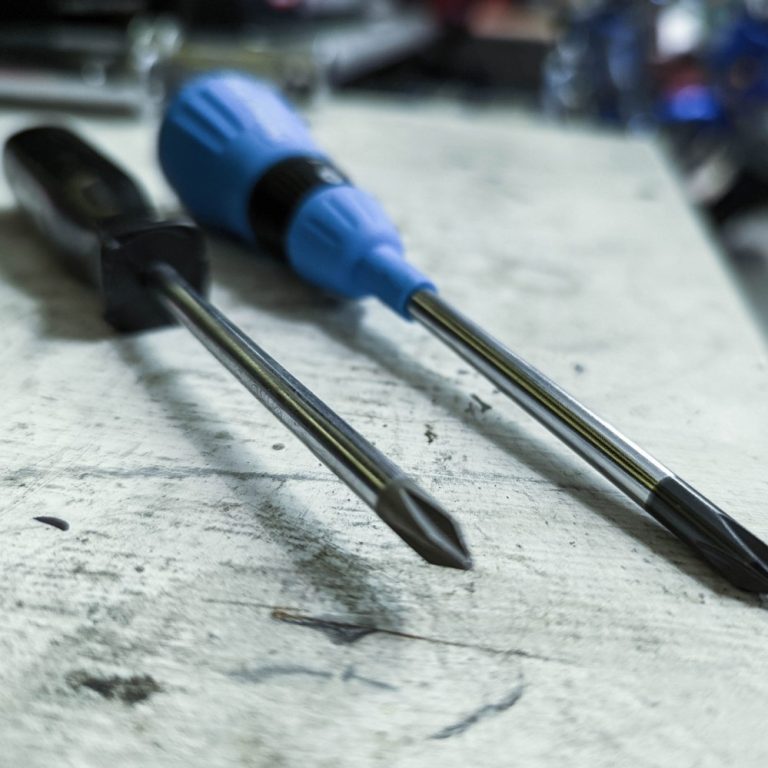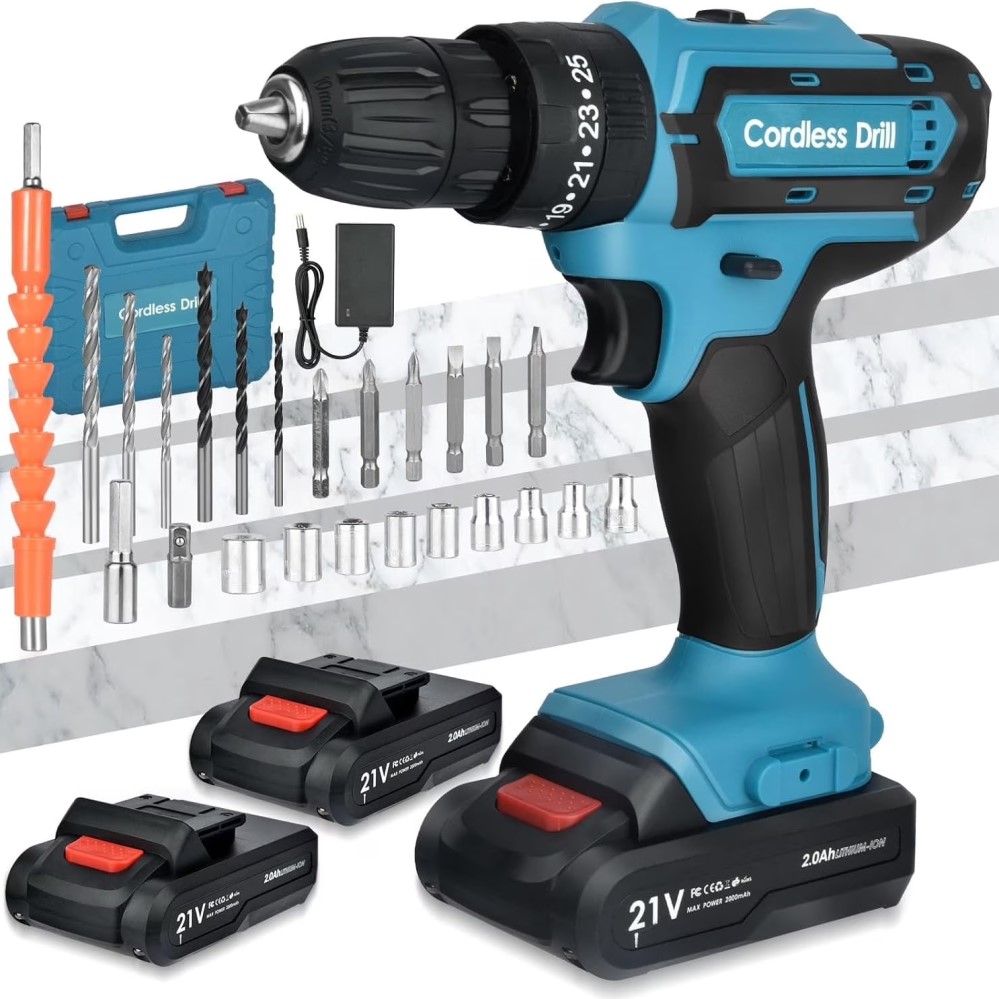
Right Tool for the Job: Decoding Electric Screwdriver vs Drill
Introduction to Electric Screwdrivers and Drills
When beginning a new project, the right tools are key to success. You may wonder whether to pick an electric screwdriver or a drill. Both are common power tools and serve different purposes. Electric screwdrivers specialize in driving screws with precision. They are compact and user-friendly. Drills, on the other hand, provide more power. They can drill holes and handle various attachments. In this guide, we will explore the uses and benefits of each. This knowledge will help you make an informed choice between an electric screwdriver vs drill.
 Core Differences Between Electric Screwdrivers and Drills
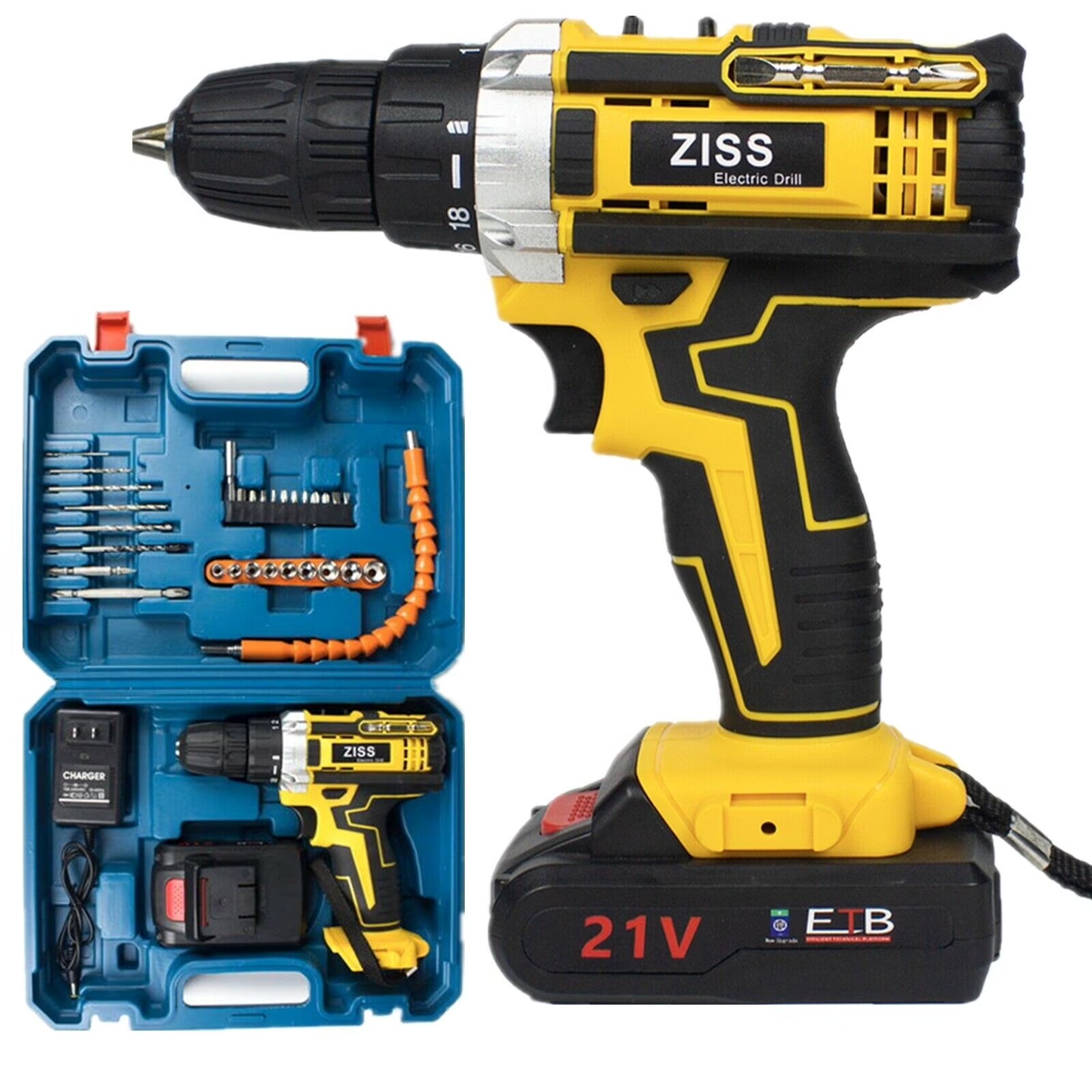
Understanding the core differences between an electric screwdriver vs drill is crucial. Here are the key points:
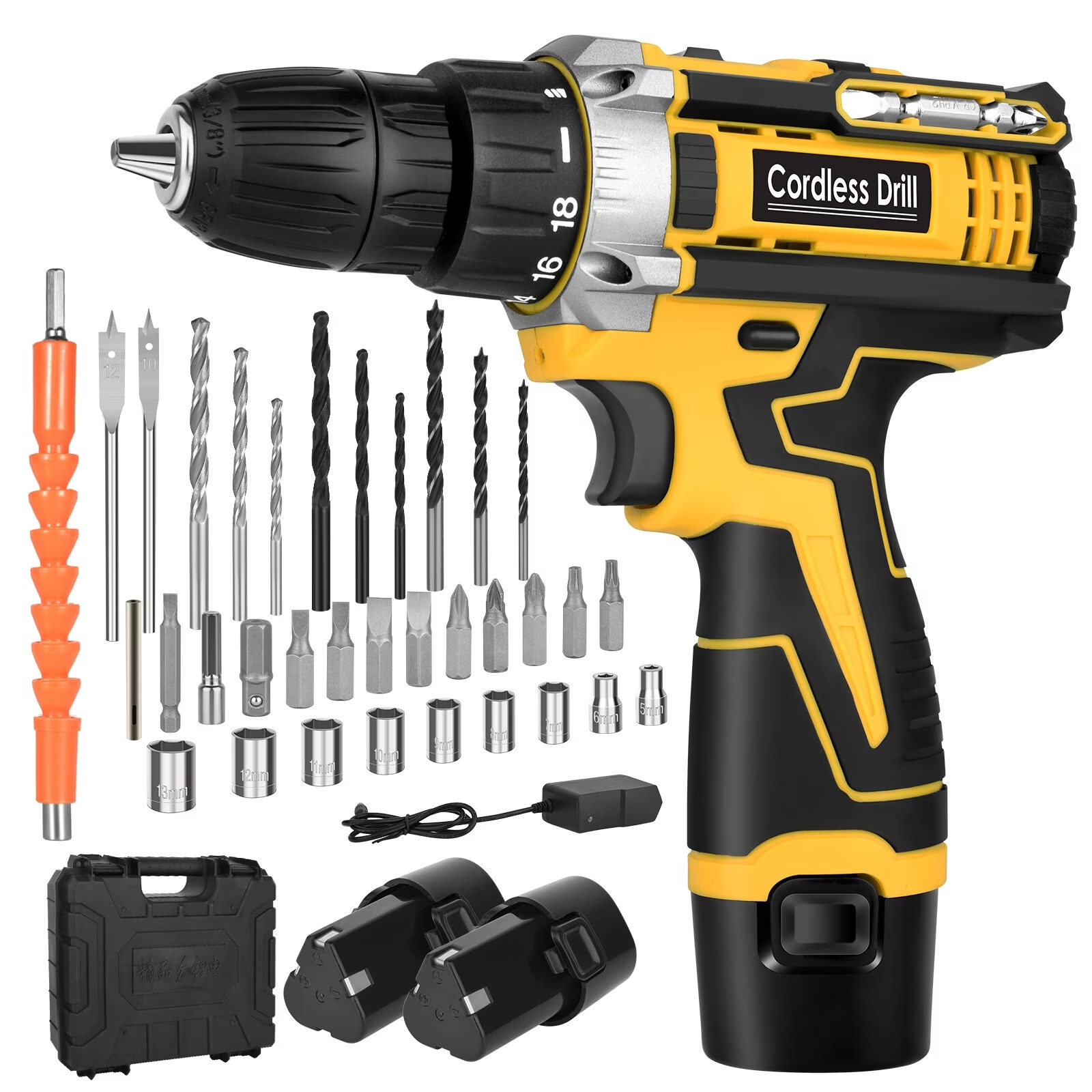
- Power and Torque: Drills offer more power and torque than electric screwdrivers. This makes them suited for heavy-duty tasks, such as drilling into hard materials. Electric screwdrivers are more about precision and control.
- Speed: Electric screwdrivers usually have a lower speed. This makes them ideal for delicate screwing tasks. Drills have higher speeds and can adjust to different materials and purposes.
- Size and Weight: Electric screwdrivers are smaller and lighter. This makes them easy to use, especially in tight spaces. Drills are typically larger and might cause fatigue during extended use.
- Versatility: While drills can perform multiple tasks by changing bits, their primary function is to create holes. Electric screwdrivers are designed mainly for screwing and unscrewing tasks.
- Battery Life: Electric screwdrivers often have longer battery life due to their lower power consumption. This is useful for long projects with many screws. Drills may require more frequent recharging or battery changes.
- Accuracy: With their lower speed and torque, electric screwdrivers allow for more accuracy. This prevents stripping screws or damaging materials. Drills require a steadier hand to maintain precision.
Each tool serves distinct functions. While there is overlap, the choice comes down to the specific needs of your project.
When to Use an Electric Screwdriver
Choosing the right tool requires understanding when to use it effectively. An electric screwdriver is ideal for tasks that demand precision above power. Let’s dive into specific circumstances where you should opt for an electric screwdriver over a drill.
- Assembling Furniture: Electric screwdrivers excel when putting together flat-pack furniture. They can easily handle the multitude of screws without damaging the product.
- Installing Light Fixtures: With delicate components, an electric screwdriver provides the gentle touch needed. This minimizes the risk of cracking or over-tightening.
- Electrical Work: Electricians often prefer them for installing switch plates or outlets. The precision of an electric screwdriver ensures a snug fit without stripping the screws.
- Small Home Projects: For hanging pictures or assembling toys, the compact size of an electric screwdriver is a plus. It allows maneuverability in tight corners.
- Delicate Materials: When working with soft woods or plastics, the lower torque prevents damage.
- Precision Tasks: Any job that requires careful, controlled screw driving benefits from the operating finesse of an electric screwdriver.
In these scenarios, an electric screwdriver offers convenience and accuracy. This tool is a must-have for DIY enthusiasts who value neatness and detail in their work.
 Ideal Situations for Using a Drill
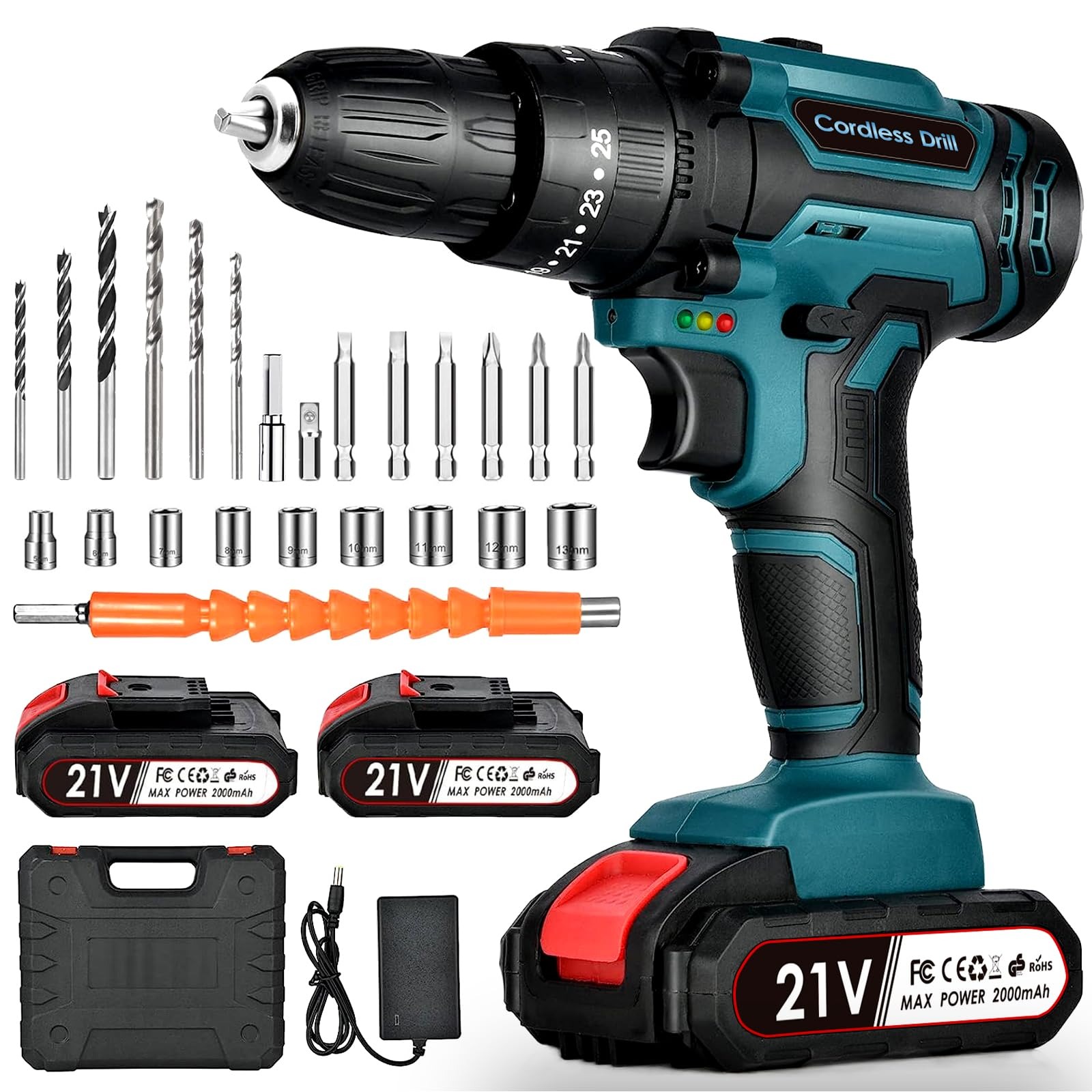
Drills excel in power-rich scenarios demanding puncture work on surfaces. Here are ideal cases for their use:
- Hard Materials: Drills pierce through tough materials like brick, concrete, and hardwoods.
- Installing Shelves and Cabinets: They’re handy for the force needed in wall anchoring.
- Heavy-Duty Construction: For creating pilot holes in framing or decking, a drill’s power is key.
- Home Renovations: Drills support various tasks such as fitting door locks and drilling through tiles.
- Crafting and Building: When making furniture or crafts, drills provide the necessary force.
- Large Projects: If the project has extensive screwing tasks, drills speed up the process.
Choosing a drill for the right job ensures swiftness and efficiency. It’s optimal for heavy-load work that outstrips an electric screwdriver’s capacity.
Factors to Consider When Choosing Between the Two
When faced with the decision of electric screwdriver vs drill, various aspects should influence your choice. Reflect on the following before making a purchase:
- Project Type: The nature of your project is pivotal. Choose an electric screwdriver for precision tasks and a drill for heavier applications.
- Material: Think about the materials you’ll be working with. Soft materials fare well with an electric screwdriver, while tough materials may need a drill.
- Frequency of Use: If you’re tackling a one-off project, an electric screwdriver might suffice. Regular, diverse work often calls for a drill.
- Portability: If you need a tool that’s easy to handle and move around, electric screwdrivers are lighter and more portable.
- Budget: Drills can be more costly, especially if buying various attachments. Electric screwdrivers are generally more affordable.
- Comfort: Using a heavier tool like a drill can lead to fatigue. An electric screwdriver’s lighter weight might offer more comfort for prolonged tasks.
- Accessibility: For hard-to-reach areas, the compact size of an electric screwdriver is better suited than a bulky drill.
Taking these factors into account helps you strike a balance between necessity and practicality, ensuring you choose the right tool for your project.
 Impact on Efficiency and Work Quality
Choosing between an electric screwdriver and a drill affects your work’s efficiency and quality. If you pick the wrong tool, productivity may suffer and results may not meet expectations. Below are key points to consider related to efficiency and work quality.
- Efficiency in Task Completion: An electric screwdriver’s lower speed is great for precision but may slow down work on large projects with many screws. Drills, conversely, speed up tasks but may be overkill for small, delicate jobs.
- Quality of Finish: An electric screwdriver helps achieve a perfect finish when handling delicate screws or surface materials. A drill could lead to errors like stripped screws or damaged surfaces when not used carefully.
- Effectiveness on Material: Drills handle tougher materials efficiently. Electric screwdrivers do better on softer, more delicate materials where a gentle touch is needed.
- Energy Consumption: Using an electric screwdriver for tasks meant for a drill can drain the battery quickly. Conversely, using a drill for small tasks may waste energy.
- Work Fatigue: Drills can be heavier and hard on the hands and wrists over time. For long projects with repetitive motions, an electric screwdriver may reduce fatigue.
The choice between an electric screwdriver vs drill can greatly impact the overall success of your project. Always weigh the demands of your project against the capabilities of each tool to ensure both efficiency and high-quality results.
Maintenance and Longevity
Proper maintenance extends the life of any tool. For both electric screwdrivers and drills, this is true. Here’s how maintenance impacts their longevity:
- Cleanliness: Keep both tools clean. Wipe off dust, debris, and excess oil after use.
- Storage: Store tools in a dry, cool place. Moisture and heat can harm the mechanics.
- Battery Care: For cordless tools, battery care is key. Charge batteries fully before storage but avoid overcharging.
- Regular Checks: Inspect your tools regularly. Look for signs of wear or damage.
- Lubrication: Oil moving parts occasionally. This reduces friction and prevents rust.
- Updating Bits and Accessories: Replace worn bits and accessories. Sharp, new parts improve performance.
- Professional Servicing: Get a professional to service the tools if you’re not confident in doing it yourself. They can handle complex issues.
Electric screwdrivers generally have fewer parts. This makes maintenance simpler. Their longevity often surpasses drills when used correctly for their intended tasks. Drills, with more mechanical parts, might need more attention. But with proper care, they can last for years even with regular, heavy use.
Maintenance not only prolongs the tool’s life but also ensures safety and reliability. A well-maintained tool is less likely to fail during a job. This reduces work disruptions and maintains the quality of your work.
Caring for your electric screwdriver or drill is an investment. It saves money in the long term as you’ll avoid early replacement costs. Always consult the user manual for specific maintenance tips. Regular care keeps your tools ready for whatever task comes next.
 Portability and Storage Considerations
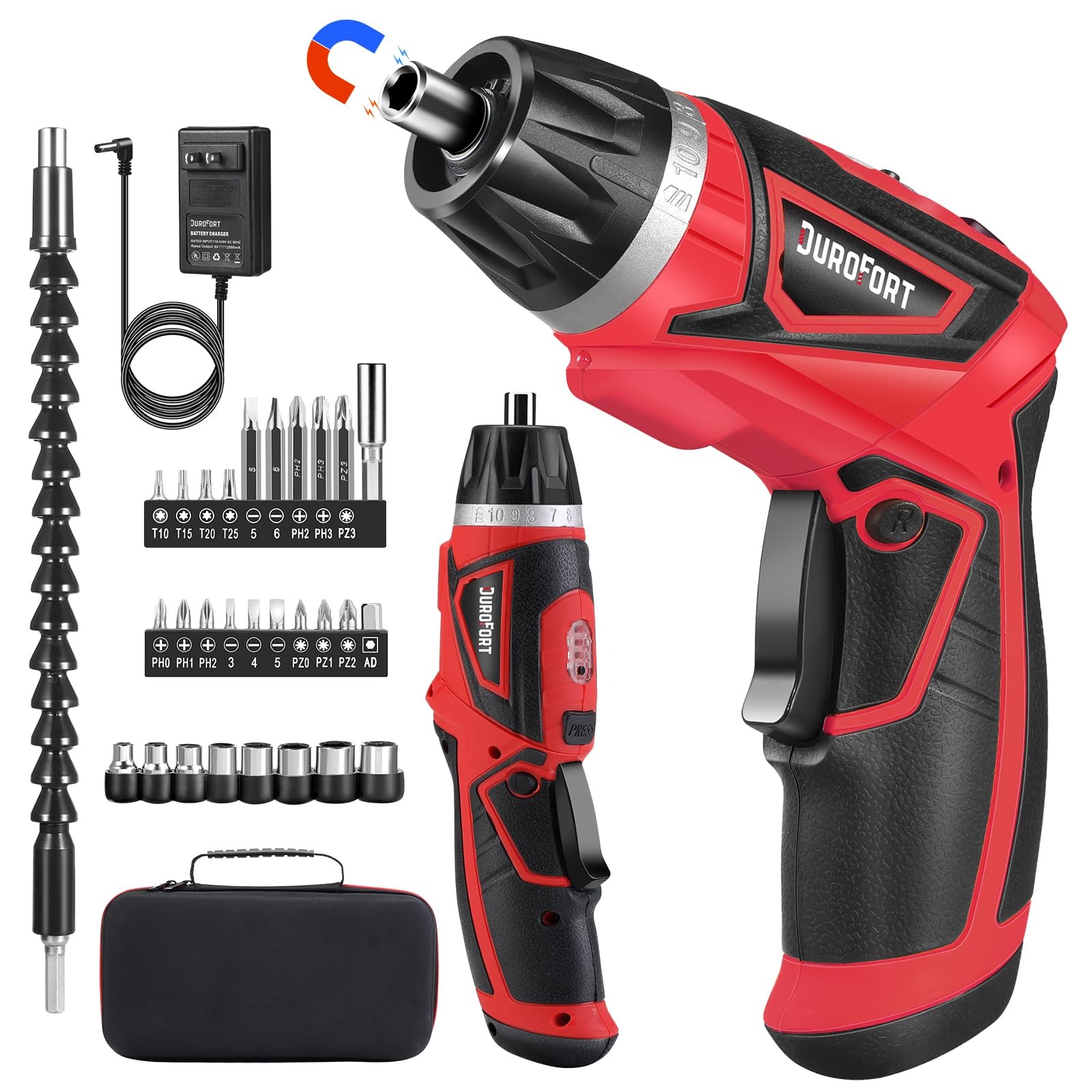
Electric screwdrivers win in portability. They fit in small toolboxes. Some hang on belts. Others store in kitchen drawers. Their size makes travel easy. Take them to a friend’s house for quick fixes. Compactness supports mobility.
Storage is simple. No bulky cases needed. Wall mounts or drawer dividers work. They don’t take up space. Even apartments can house them. Lightweight design aids daily carry.
Space Requirements for Drills
Drills need more room. Cases protect moving parts. Batteries and chargers add volume. Accessories multiply storage needs. Belts or holsters help on job sites. Homeowners use dedicated cabinets.
Transporting drills requires planning. Large bags or rolling carts are common. In vehicles, they shift without secure spots. Size limits where you can take them. Portability trades for power.
Safety Considerations
When choosing between an electric screwdriver vs drill, safety is paramount. Here’s what you should consider to work safely:
- Read Manuals: Always read the tool’s manual. Understand its features and safety tips before use.
- Wear Protective Gear: Use safety glasses and gloves to protect against flying debris and sharp edges.
- Check Tool Condition: Inspect tools for damage or malfunction before each use. Do not use damaged tools.
- Secure Work Area: Ensure your work area is clean and uncluttered. Secure loose materials that might shift.
- Start Slow: Begin with a low speed to maintain control and avoid accidents.
- Use the Right Bits: Match the bit size and type to your material and the task at hand.
- Keep Focus: Stay alert and focused while using power tools. Distractions can lead to accidents.
- Handle Batteries with Care: For cordless tools, ensure batteries are correctly inserted and handled.
- Disconnect When Not in Use: Unplug electrical tools or remove batteries when not in use.
- Follow Usage Recommendations: Adhere to recommended use cases for each tool to prevent misuse.
By keeping these safety tips in mind, you’ll minimize risks and contribute to a safer work experience. Remember, the right tool handled safely is the key to a successful project.
Frequently Asked Questions About Electric Screwdriver vs Drill (F&Q)
Can an electric screwdriver replace a drill?
No, not fully. It handles light screwing tasks well. But it cannot drill holes in hard materials. Lacking torque and chuck options, it fails on tough jobs. Some softwood drilling works. But avoid masonry or metal.
For driving large screws, it may stall. Stripped bits or damaged heads can result. Use each tool for its purpose. Substitution risks poor results.
Is a drill more dangerous than an electric screwdriver?
It can be. Higher power increases risk. Kickback happens when bits bind. This twists the tool suddenly. Loose clothing or hair can catch. Always wear safety gear.
Electric screwdrivers pose fewer hazards. Lower speed means less danger. But pinched fingers or slipping bits still occur. Supervise children closely.
Do I need both tools at home?
It depends on your projects. Light DIYers may only need an electric screwdriver. Furniture, toys, and decor fall in this range. A drill adds versatility.
Homeowners doing renovations benefit from both. One for detail, one for structure. Having both saves time. They complement each other perfectly.
Can I use a drill as a screwdriver?
Yes, you can. Most drills have a clutch setting. Adjust it to match screw size. This prevents over-tightening. Use the correct bit.
Set speed to low. High RPM strips heads easily. Apply steady pressure. With care, a drill works well as a driver. Just don’t expect finesse.
Are cordless drills stronger than electric screwdrivers?
Yes, generally. Cordless drills deliver higher voltage. Motors produce more torque. They handle bigger bits. Tasks finish faster.
Screwdrivers focus on control. Their motors are smaller. Voltage ranges are lower. Power meets need, not excess. Match tool to task.
Conclusion: Making the Right Choice for Your Needs
Choosing the right tool, an electric screwdriver vs drill, depends on your project’s needs. Reflect on the tasks ahead. Consider the material, task size, and precision required. Are you working with soft materials? Go for an electric screwdriver. Facing tough surfaces? Pick a drill. For daily variety, drills are flexible. For delicate, finesse tasks, electric screwdrivers shine.
Think about your budget. Electric screwdrivers are often cheaper. Yet a drill could be a better long-term investment. Also, look at portability. Need to move around a lot? An electric screwdriver is easier to carry.
Remember maintenance too. Both tools last longer with good care. Clean and store your tools right. Check batteries and parts often. This ensures they’re always ready and safe to use.
Don’t forget your own comfort and safety. Lighter tools like electric screwdrivers can reduce fatigue. Always wear safety gear and read the manual. Use the tool as instructed to avoid accidents.
In the end, your project’s success hinges on choosing wisely. Consider all these points and you’ll make an informed decision. Go for the tool that meets your project requirements and enhances your work efficiency and quality.