Choosing the Right Flat Blade Screwdriver for Precision Work
The flat blade screwdriver is one of the most essential tools in any toolkit. Also known as a slotted screwdriver, it features a single straight edge designed to fit into screws with a single horizontal groove. This simple design has been used for decades across homes, workshops, and industrial sites. Whether you’re assembling furniture or repairing an appliance, a flat blade screwdriver often gets the job done. Its wide compatibility makes it a go-to choice for many users.
Despite the rise of Phillips and other multi-groove heads, the flat blade screwdriver remains relevant. Many older devices, electrical panels, and budget fixtures still use slotted screws. In fact, some specialized applications require this exact type. Knowing how to select and use a quality flat blade screwdriver improves efficiency and safety. This guide covers everything from types and materials to proper handling techniques.
Contents
hide
 History
The flat blade screwdriver has a long history. It dates back to the 15th century. Back then, craftsmen made screws by hand. They also shaped the first flat blade screwdrivers. These tools had simple designs. They were straight and flat pieces of metal. They fit into the top slot of the handmade screws.
Early screwdrivers were called ‘turnscrews’ because of their action. People turned them to drive screws into materials. The industrial revolution changed this tool greatly. Mass production led to standard sizes and shapes. This made flat blade screwdrivers more common and essential.
In the 1800s, the design of flat blade screwdrivers evolved. They had wooden handles for better grip. This was a big step forward. It made the tool easier to use. Better leverage meant that bigger screws could be handled.
In the 1900s, flat blade screwdrivers became even more refined. Companies began to use steel alloys. This made the tools stronger and more durable. They could last longer and work harder. The screwdrivers also got comfortable handles. Manufacturers used rubber and plastic to make them.
The flat blade screwdriver has come a long way. It’s now a staple in any toolkit. The design may have changed, but the core function remains. It drives screws into materials. It also pries objects apart or can scrape away residues. Overall, the evolution of flat blade screwdrivers shows human innovation. It’s a tool that has adapted and improved over centuries. It meets the changing needs of people and industries.
Essential Types
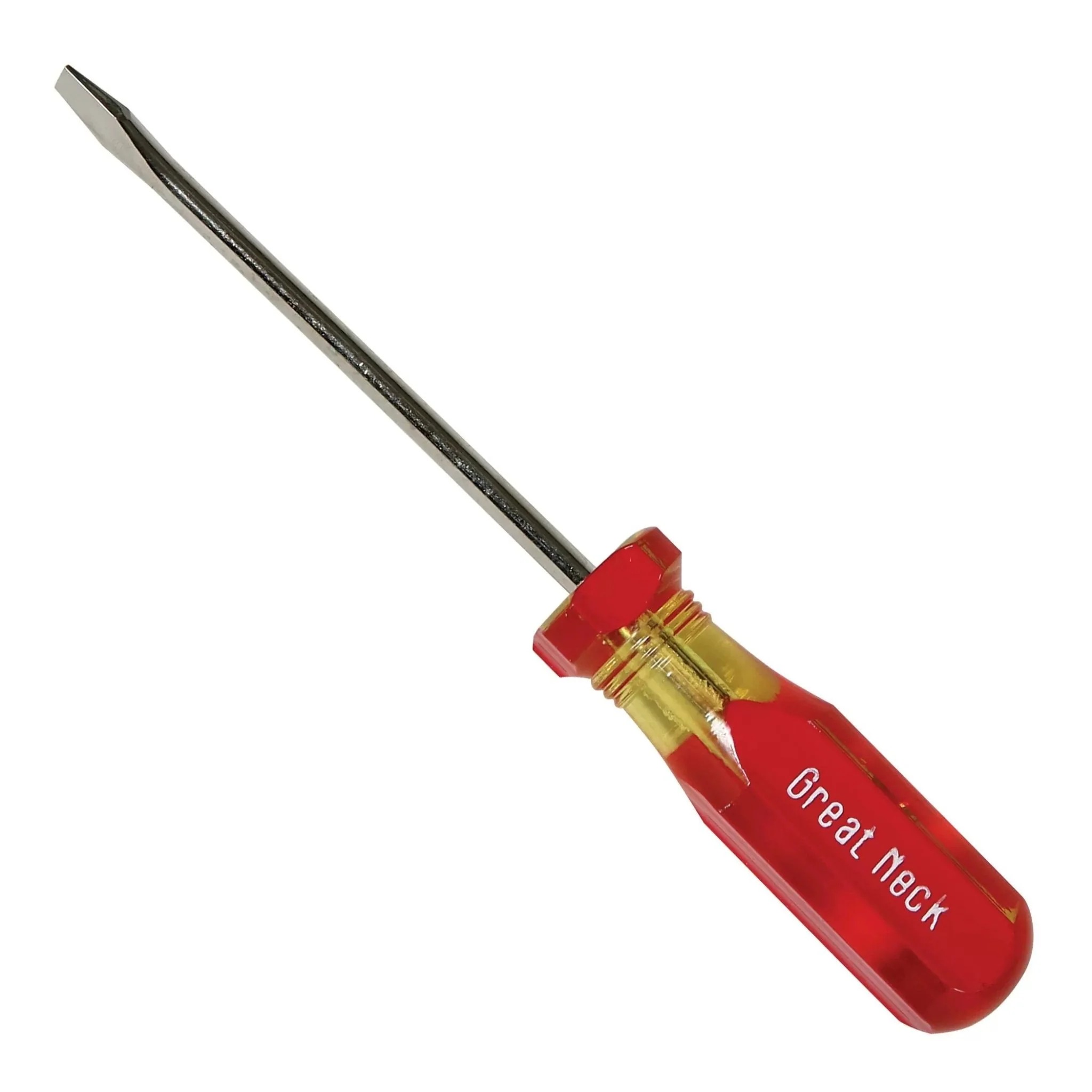
Flat blade screwdrivers come in various sizes and types suited for different tasks. The most common ones include:
- Standard Flat Blade Screwdriver: This is the most familiar type, featuring a single flat tip that fits into a single-slot screw.
- Cabinet Screwdriver: A subtype with a thinner tip and shaft, which allows for finer work common in cabinetry and woodworking.
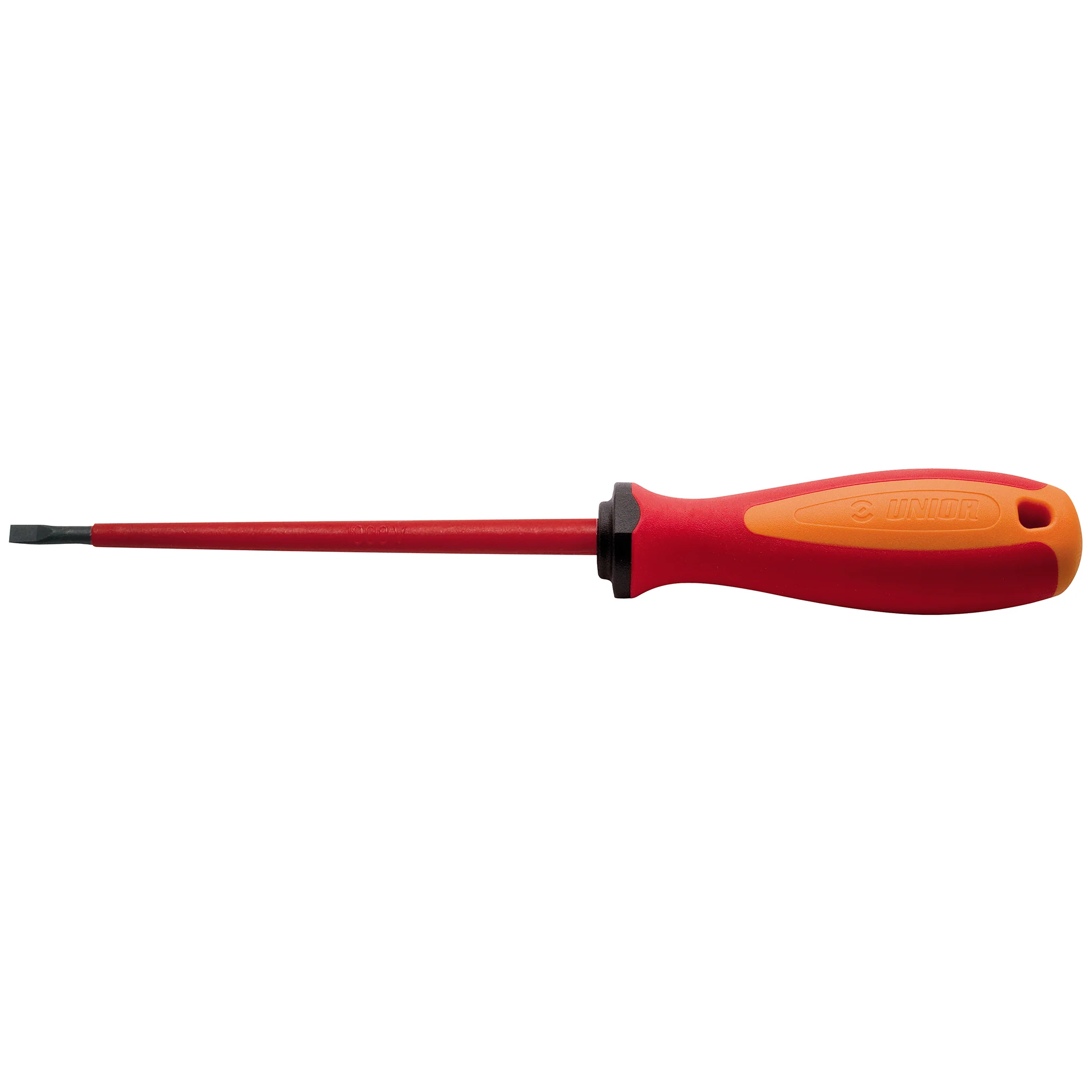
- Electrician’s Screwdriver: A screwdriver designed with a slender tip and insulated handle to protect against electrical shock.
- Stubby Screwdriver: A short screwdriver with a flat tip, perfect for working in tight spaces where a standard screwdriver can’t reach.
- Mechanic’s Screwdriver: This is tougher and often has a hex bolster that allows the use of a wrench for extra torque.
The choice of a flat blade screwdriver depends on the job at hand. For example, a standard type is a must-have for general-purpose screws, while a cabinet screwdriver is ideal for delicate tasks. A mechanic’s screwdriver suits heavy-duty work where extra force is needed. Regardless of the type, each flat blade screwdriver is crafted to fit specific slots and drive screws efficiently. When choosing, consider the screw size, and task complexity. In your toolbox, having a variety of these essential types ensures you’re ready for any project.
 The Basic Functions
A flat blade screwdriver serves several key roles. It is a simple yet versatile tool that every toolbox should contain. Primarily, it is for driving screws. These screws have single-slot heads. The flat tip of the screwdriver slips into the slot. It then turns to tighten or loosen screws. This is the tool’s most common use.
Another function of the flat blade screwdriver is prying. You can use it to open paint cans or pry apart two components. The sturdy flat tip makes this possible. It fits into small gaps and applied force leverages things apart.
A less known but handy use is scraping. The flat edge can remove stickers, labels, or residues. This makes the flat blade screwdriver multi-functional.
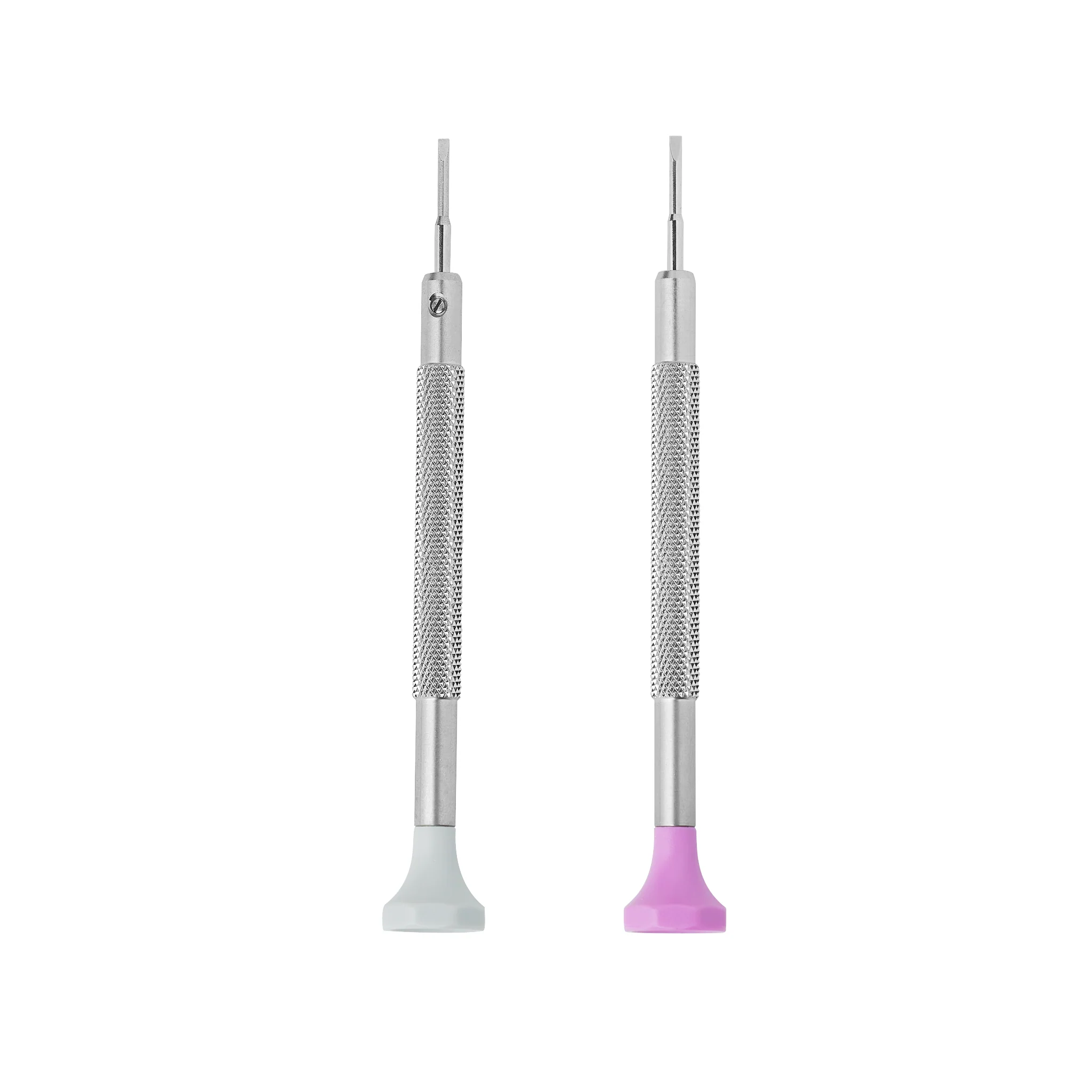
For precision tasks, such as electronics or fine machinery, this tool works too. It can fasten tiny screws. The screwdriver can also adjust components that require a flat-edged tool. Moreover, in an emergency, you can use a flat blade screwdriver as a chisel. A sharp blow to the handle allows you to chip away at materials.
In summary, the basic functions of a flat blade screwdriver extend beyond just screwing and unscrewing. It’s used for prying, scraping, adjusting, and sometimes even chipping. With its flat tip and sturdy handle, it accomplishes a variety of tasks. This makes the flat blade screwdriver indispensable in many fixing and building scenarios.
Advantages of Using Flat Blade Screwdrivers
Flat blade screwdrivers are a must-have in any toolkit. They offer several benefits that make them valuable for both professional and DIY projects. Here are some key advantages of using flat blade screwdrivers:
- Versatility: A flat blade screwdriver fits in a wide range of screw slots. This makes it useful for countless tasks.
- Accessibility: Its design allows it to reach screws that are in tight or shallow spaces, offering greater accessibility.
- Durability: Made of strong materials, flat blade screwdrivers are durable. They handle tough jobs and last a long time.
- Precision: These tools provide precise control, which is essential for delicate tasks. Your screws go in straight and come out easily.
- Simplicity: The simplicity of the design means there are no complex parts to break. This makes flat blade screwdrivers reliable and easy to use.
- Affordability: Compared to more specialized screwdrivers, flat blade types are often more affordable.
- Ease of Maintenance: They are easy to clean and maintain. There’s less risk of rust and damage due to fewer moving parts.
- Multi-use Tool: Aside from driving screws, flat blade screwdrivers pry, scrape, and make adjustments. They are truly multi-functional tools.
When you pick up a flat blade screwdriver, you’re choosing a tool with a proven track record. It is clear why they are a staple in toolboxes across the world. From home repairs to professional construction, the humble flat blade screwdriver stands out for its practical benefits.
Common Misconceptions
When it comes to flat blade screwdrivers, there are a few myths that persist. Let’s debunk some common misconceptions:
- They’re All the Same: Despite their similar appearance, there’s a wide variety of flat blade screwdrivers designed for different tasks. Not all are interchangeable.
- No Need for Different Sizes: In fact, using the right size screwdriver is crucial. A mismatch can damage both the screwdriver and the screw.
- They Can Be Replaced by Any Tool: Some people use knives or coins as screwdrivers. However, this is unsafe and can cause damage or injury.
- They’re Just for Screws: While driving screws is their primary function, they’re also useful for prying, scraping, and adjusting.
- They Don’t Wear Out: All tools wear down over time. Inspect the tip of your flat blade screwdriver regularly for signs of wear.
- All Handles Are the Same: Handles differ in material and design. Some provide better grip or insulation against electric shocks.
- Torque Isn’t Important: The amount of force you apply can strip the screw. Using the right technique is as important as choosing the right tool.
These misconceptions can hinder the effective use of flat blade screwdrivers. Always select the appropriate tool for the job and handle it with care for the best results.
 Selecting the Right Screwdriver for Your Project
Selecting the proper flat blade screwdriver is key to success in any project. Not all screwdrivers are alike, and using the wrong one can cause issues. It may damage the screw head or the tool itself. To make sure you make the right choice, here are some tips:
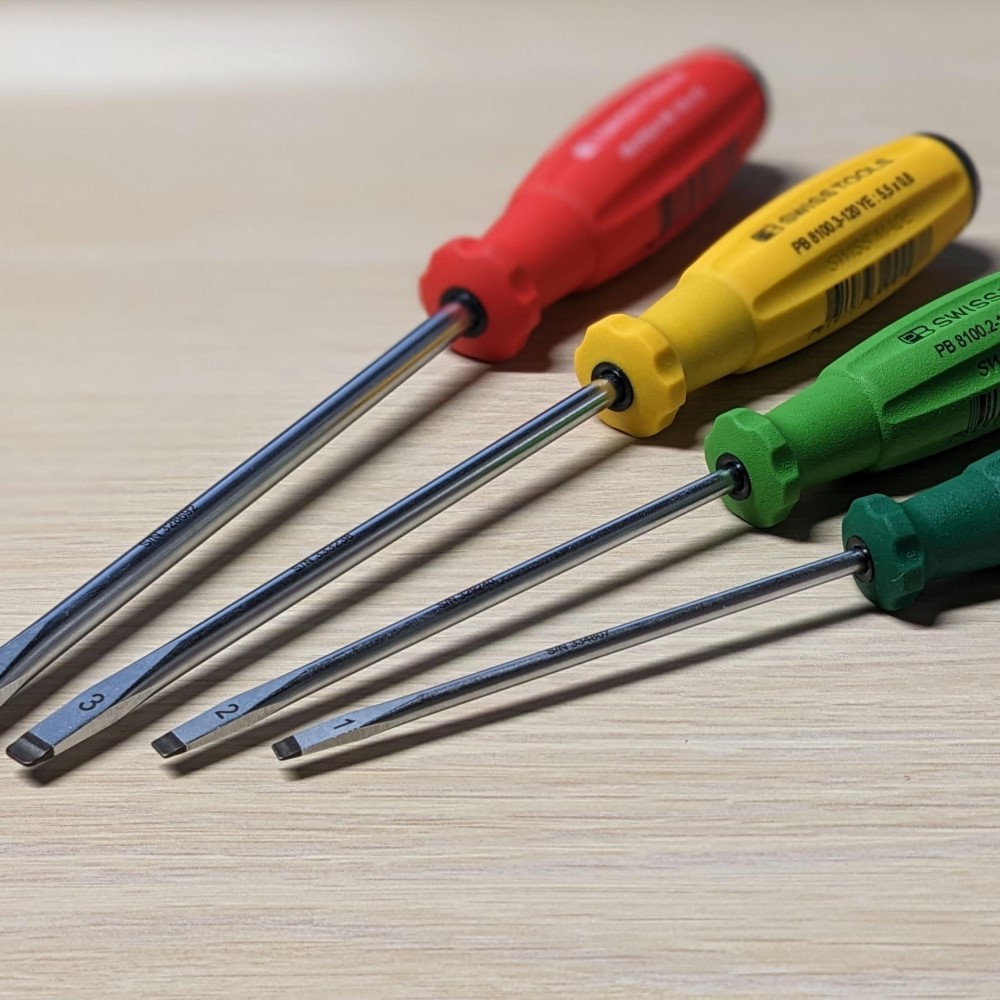
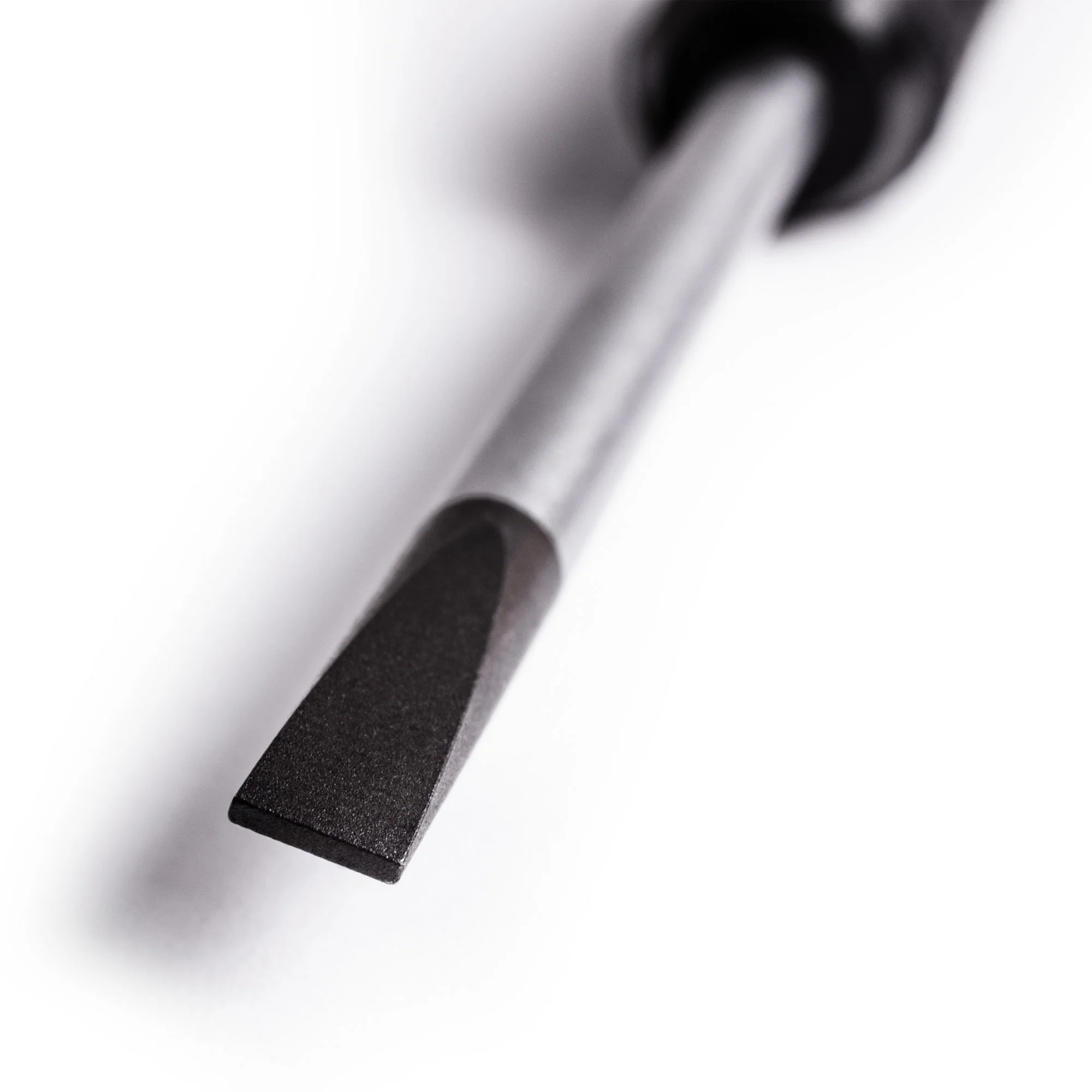
- Match the Size: Ensure the tip size matches the screw slot. A too-big tip won’t fit, and a too-small one may slip and strip the screw head.
- Consider the Length: Longer screwdrivers reach deeper places but may be cumbersome in tight spaces. Shorter ones offer control but might lack reach. Choose based on your workspace.
- Check the Handle: Handles come in various materials and shapes. Pick one that feels comfortable and offers a good grip. Non-slip and ergonomically designed handles reduce hand fatigue.
- Assess the Task: Think about what you’re doing. Are you working with electronics, or building a deck? Select the screwdriver fit for the job intensity and precision needs.
- Quality Matters: Invest in a screwdriver made of high-quality material. It will last longer and withstand the demands of frequent use.
- Set Variety: Having a set of flat blade screwdrivers of different sizes and types is smart. It ensures you’re ready for any screw, any time.
Remember, the right tool for the job makes the work go smoother and faster. It also prevents damage to the materials you’re working with. So, take a minute to choose wisely. Your project will show the results of that care.
Maintenance and Care
Taking care of flat blade screwdrivers keeps them in good condition. They last longer and work better this way. Here’s how to maintain and care for them:
- Keep Them Clean: After use, wipe your screwdrivers clean. This prevents rust and buildup. Use a dry cloth for this task.
- Store Properly: Place screwdrivers in a toolbox or holder. This keeps them safe and organized. Make sure the place is dry to avoid rust.
- Check for Damage: Look at the tips often. Check for wear or bending. Replace screwdrivers with damaged tips.
- Lubricate the Handle: If the handle squeaks or sticks, use a bit of lubricant. This helps with the grip and ease of use.
- Inspect for Insulation Integrity: For electrician’s screwdrivers, ensure insulation isn’t compromised. This keeps you safe from electric shocks.
- Avoid Misuse: Don’t use these tools as chisels or pry bars. Misuse can damage the tip and the handle.
- Sharpen the Tip: If the tip is dull, you can sharpen it. Use a fine file and work carefully to keep the flat shape.
- Dry Them Off: If the screwdriver gets wet, dry it immediately. Moisture can lead to corrosion over time.
By keeping them clean, stored correctly, and in good repair, your flat blade screwdrivers will stay reliable. Regular checks and proper use ensure their longevity. Keep these tips in mind to maintain your toolkit effectively.
 Safety Tips
Safety should always be a top priority when working with any tool, including flat blade screwdrivers. Adhering to these guidelines will help prevent injuries and ensure a successful project outcome. Keep these safety tips in mind each time you use a flat blade screwdriver:
- Wear Protective Gear: Always wear safety glasses to protect your eyes from flying debris. Consider gloves to safeguard your hands when applying pressure.
- Inspect Your Tool: Check your screwdriver for any damage before use. A damaged tool can slip and cause accidents.
- Use the Right Size: Make sure the screwdriver fits the screw slot perfectly. A poor fit increases the risk of slippage and injury.
- Apply Pressure Carefully: Push down firmly but not too hard when turning the screwdriver. This control prevents slipping and potential hand injuries.
- Keep Your Workspace Clear: Ensure your work area is free of clutter. A tidy space reduces the risk of tripping or dropping your tools.
- Do Not Overreach: Stay balanced and avoid overreaching while using the screwdriver. If a screw is out of your reach, move closer to it instead.
- Keep Away from Electricity: Always use an electrician’s screwdriver or check for live wires before starting electrical work.
- Store When Not in Use: Put the screwdriver back in its place after use. Proper storage prevents accidental falls or misuse.
Following these simple yet effective tips will not only optimize your use of the flat blade screwdriver but also promote a safer working environment. When safety measures are in place, you can tackle projects confidently and efficiently.
Frequently Asked Questions
Answers to Top User Concerns
Can I use a flat blade screwdriver on a Phillips screw? No. The shapes don’t match. Doing so damages both the screw and tool. Always use the correct driver type.
Are flat blade screwdrivers outdated? Not completely. Many fixtures and older systems still use them. They remain useful in specific fields.
What size do I need for eyeglasses? A 2.0 mm or 3/32 inch model works best. Precision screwdrivers with rubber grips give better control.
Is it safe to use around electricity? Only if insulated. Standard tools conduct current. Use VDE-rated ones for electrical work.
Can I sharpen a worn tip at home? Yes. Use a fine file or stone. Match the original angle. Test on a scrap screw first.
How do I stop stripping screws? Use the right size. Apply steady pressure. Turn slowly and avoid jerky motions.
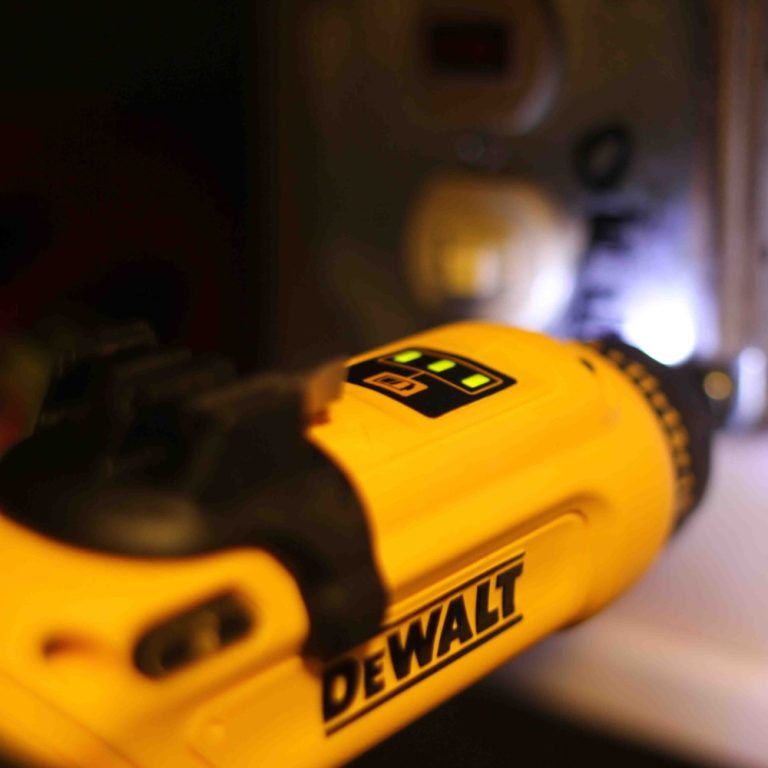
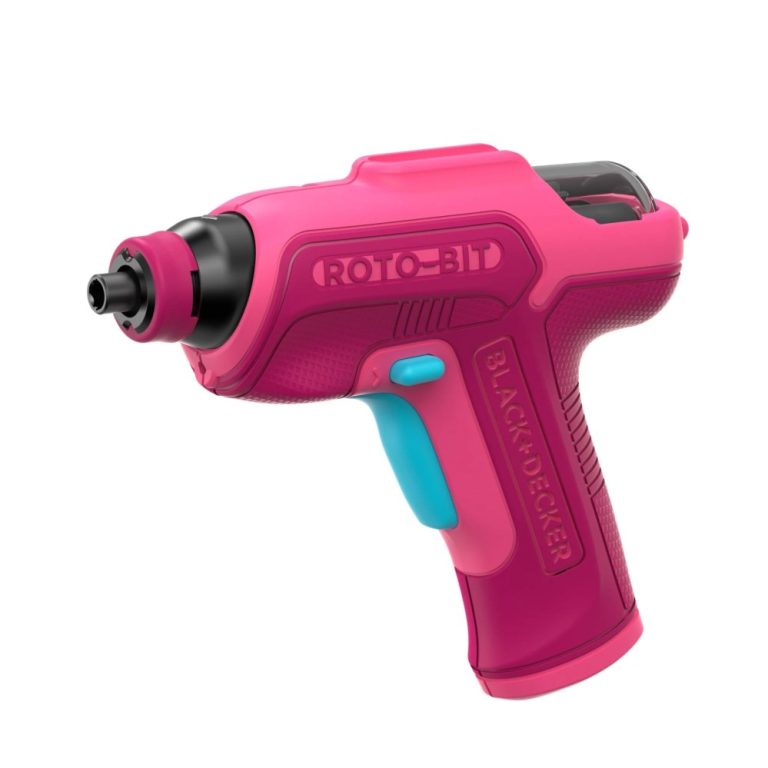
Do cordless screwdrivers have flat bits? Yes. Many kits include slotted bit attachments. These fit into magnetic holders.
Should I buy a set or individual tools? Sets offer variety. Individual ones let you choose quality. Start with a mid-size option and expand later.
Final Thoughts on a Reliable Everyday Tool
Why the Flat Blade Screwdriver Still Belongs in Your Kit
The flat blade screwdriver continues to prove its value in modern times. Despite new screw types, it remains a staple in homes and trades. From changing batteries to fixing baseboards, its uses are endless. Learning how to use and maintain a flat blade screwdriver improves your DIY success rate.
Its simplicity makes it easy to learn and trust. No charging, no complex parts—just solid function. Whether you’re a beginner or pro, this tool earns its space. Having one ready means never delaying a fix. The flat blade screwdriver stands the test of time.