Impact Wrench vs Impact Driver–Which One Do You Really Need?
When it comes to power tools used in automotive repair, construction, or heavy-duty fastening tasks, two tools often spark confusion — the impact wrench and the impact driver. Many people use these terms interchangeably, but they serve very different purposes. Understanding the distinction between an impact wrench vs impact driver is essential for selecting the right tool for your project. While both deliver high torque output through sudden bursts of rotational force, their design, application, and performance vary significantly.
Moreover, choosing incorrectly can lead to damaged fasteners, inefficient work, or even safety risks. Therefore, knowing when to use an impact wrench vs impact driver ensures better results, longer tool life, and improved job efficiency. This article dives deep into their mechanics, applications, strengths, and limitations, helping you make a confident decision based on your specific needs.
 What is an Impact Wrench?
An impact wrench is a powerful tool designed for high-torque fastening tasks. It uses a hammering mechanism to deliver sudden bursts of rotational force. This makes it ideal for loosening or tightening stubborn bolts and nuts. Typically, it is powered by electricity, batteries, or compressed air. Professionals often use it in automotive, construction, and heavy equipment industries due to its strength and efficiency.
Key Features of an Impact Wrench
- High Torque Output: An impact wrench produces significantly greater torque than other tools. This allows it to handle demanding tasks effortlessly.
- Power Source Options: It comes in electric, cordless, and pneumatic (air-powered) versions. While pneumatic models offer the highest power, cordless ones provide mobility.
- Square Drive System: Most impact wrenches feature a square drive for attaching sockets. This ensures a secure fit for nuts and bolts.
- Compact Design with Power: Despite its power, many models are compact to fit into tight spaces.
- Variable Speed Controls: Advanced models let users adjust speed or torque levels based on task requirements.
Common Applications for Impact Wrenches
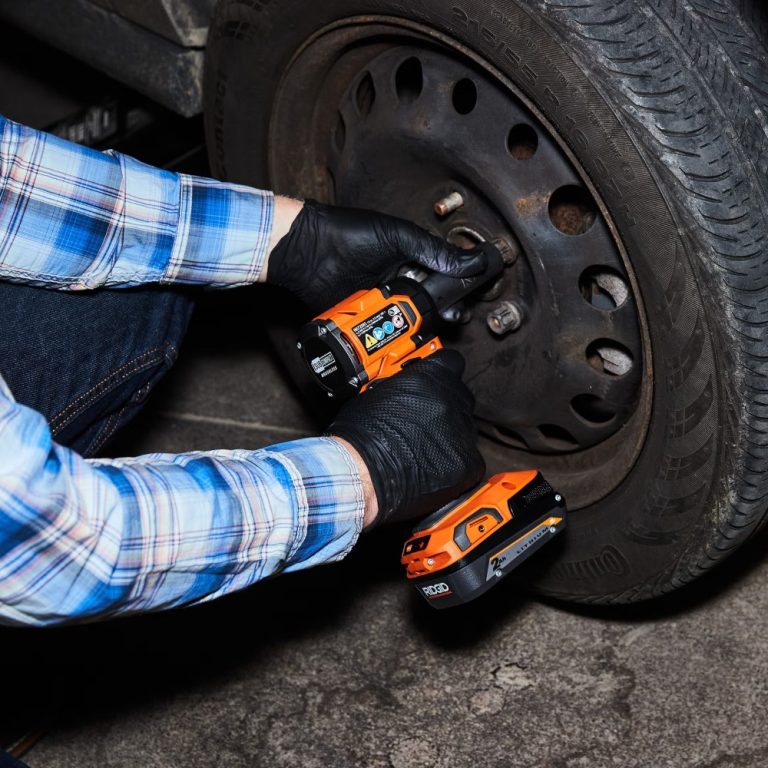
- Automotive Repairs: Mechanics use it to remove and install lug nuts during tire changes or repairs.
- Construction Projects: Builders use impact wrenches for large bolts in structural assembly and scaffolding.
- Heavy Equipment Maintenance: It helps in assembling and disassembling large machinery parts.
- Industrial Settings: Factories rely on it for high-volume, heavy-duty fastening tasks.
- Home DIY Projects: Some homeowners use smaller models for assembling furniture or other household tasks requiring strong fastening.
Understanding these features and uses showcases the essential role that impact wrenches play in both professional and personal projects. When comparing the impact wrench vs impact driver, the wrench clearly excels in high-torque applications.
What is an Impact Driver?
An impact driver is a compact and versatile tool designed for driving screws and bolts. It operates using an internal hammering mechanism. This mechanism applies rotational force combined with quick impacts. The tool excels in delivering controlled power while preventing stripping of screws. Impact drivers are commonly used for woodworking, construction, and other precision fastening tasks. They are typically powered by batteries, making them highly portable.
Key Features of an Impact Driver
- High Speed and Precision: Impact drivers deliver fast rotational speed for driving screws efficiently.
- Hex Chuck System: They use a 1/4-inch hex chuck that allows quick bit changes.
- Compact and Lightweight: Their small size makes them easy to handle in tight spaces.
- Ergonomic Design: Many models include a comfortable grip, reducing fatigue during prolonged use.
- Controlled Power Delivery: These tools apply force in a way that prevents overdriving or stripping screws.
Common Applications for Impact Drivers
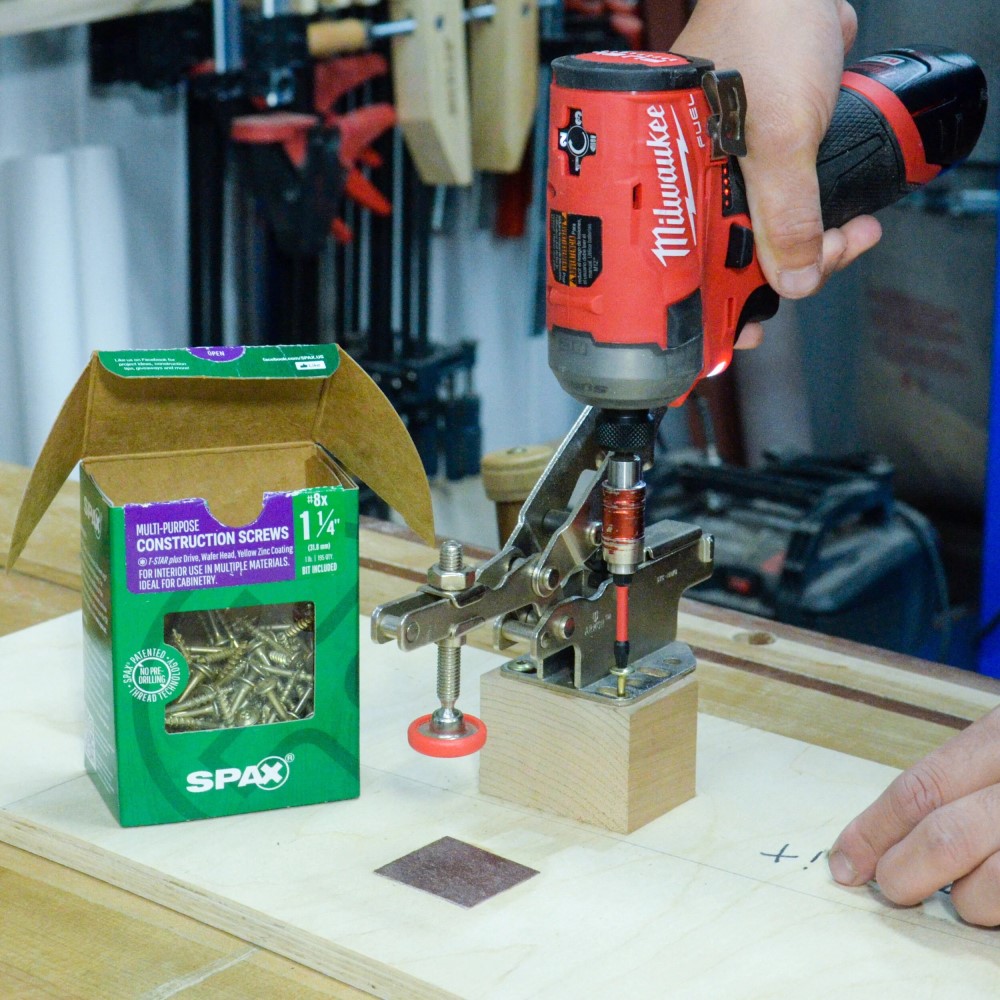
- Woodworking: Ideal for driving screws into wood without splitting or stripping them.
- Cabinet Assembly: Ensures precision and controlled torque for cabinet installations.
- Light Construction Tasks: Frequently used for building fences, decks, and other light structures.
- Electronics Installation: Useful for assembling hardware in electronic projects.
- Home DIY Projects: Perfect for assembling furniture, hanging shelves, or mounting frames.
Impact drivers are excellent for tasks requiring precision and speed but not extreme torque. Comparing an impact wrench vs impact driver, the driver is the better choice for lighter-duty, precision fastening jobs.
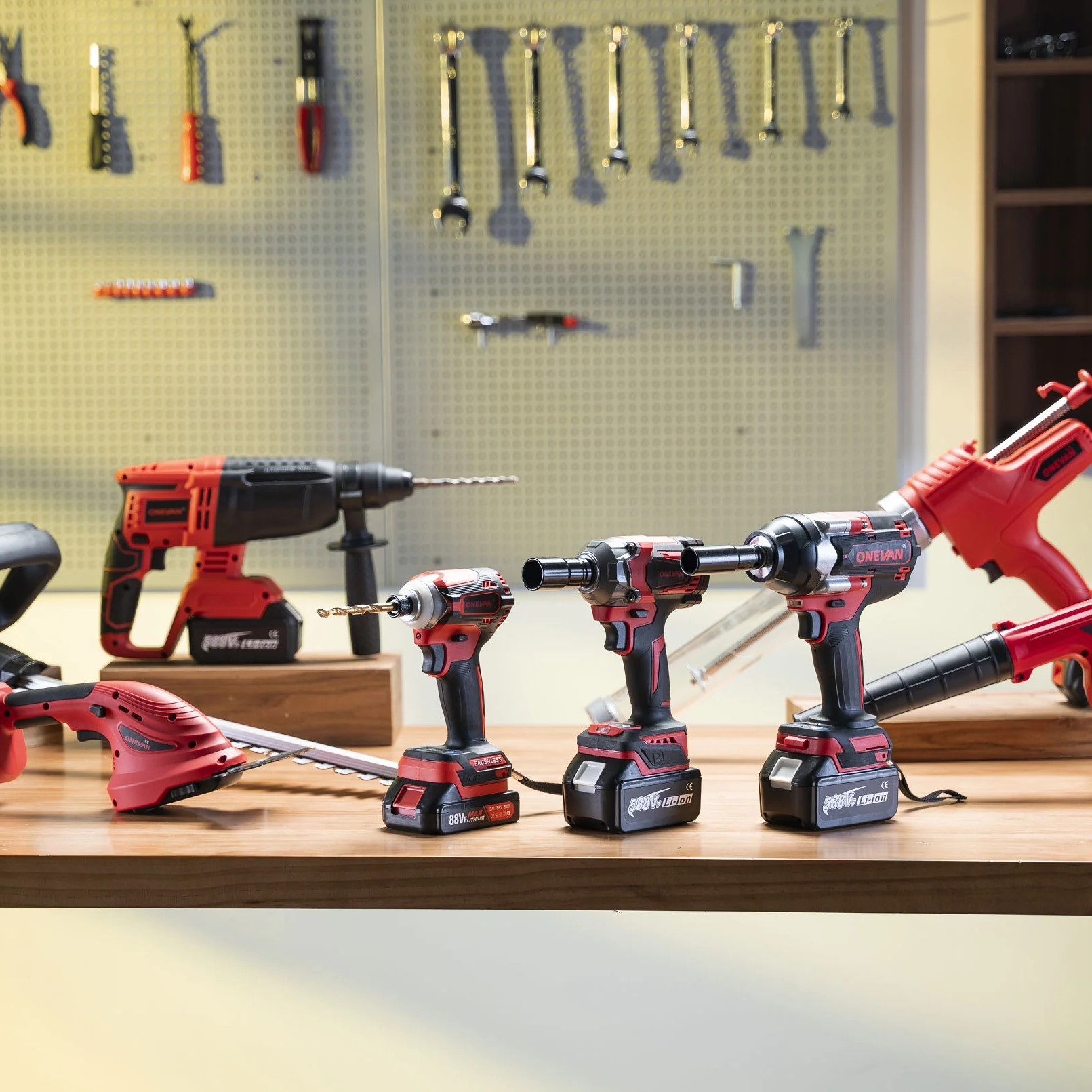 Key Differences Between Impact Wrench and Impact Driver
Understanding the key differences between an impact wrench and an impact driver is essential. These tools cater to specific tasks, making them distinct in design, function, and application.
Power and Torque Comparison
Impact wrenches generate significantly higher torque than impact drivers. They are designed for heavy-duty tasks like loosening stubborn bolts or nuts. Impact drivers, while powerful, focus more on speed and controlled torque. They are excellent for driving screws and light-medium fastening jobs. If high torque is your priority, choose an impact wrench.
Size and Weight Differences
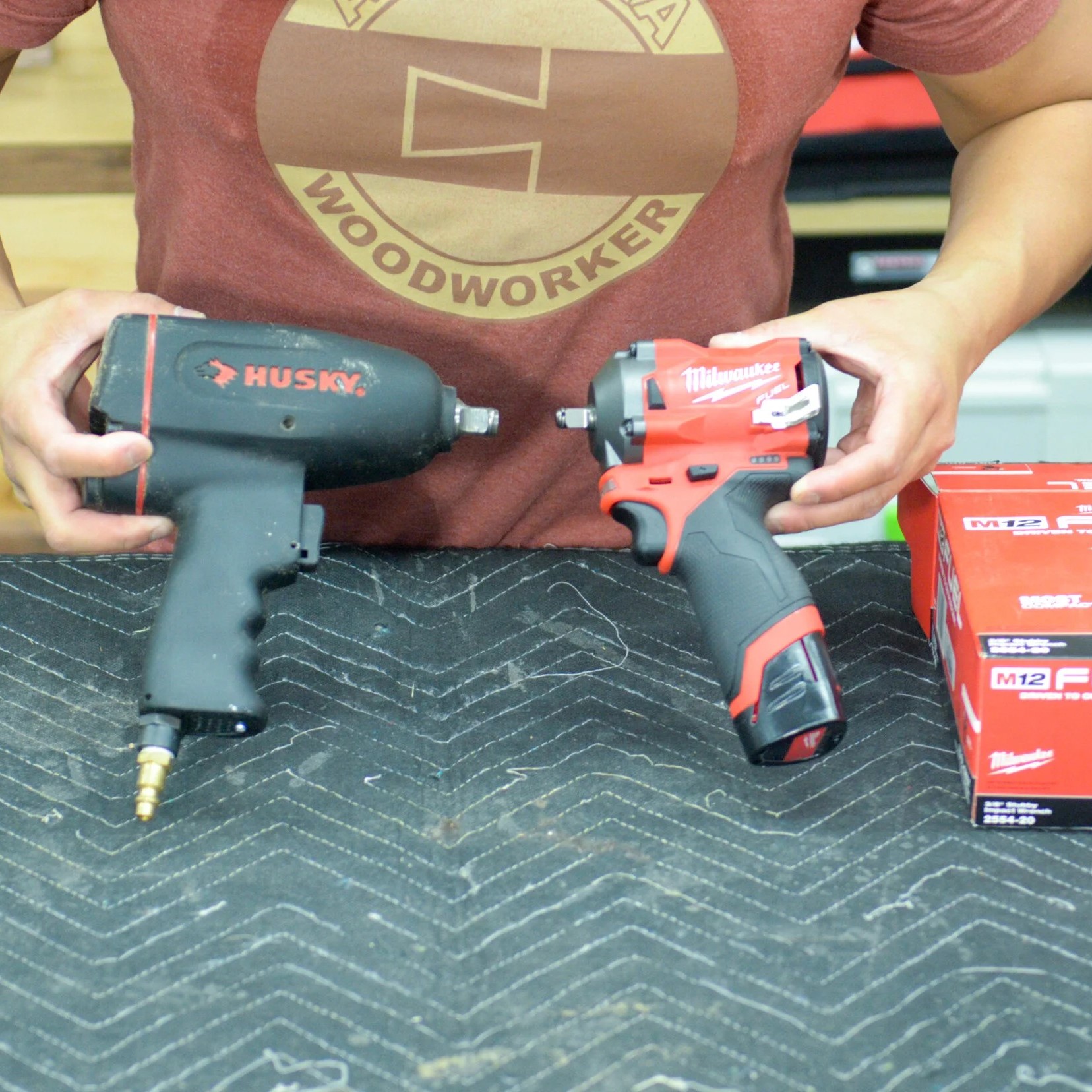
Impact wrenches are generally larger and heavier. This makes them less portable for lighter tasks. In contrast, impact drivers are compact and lightweight. Their smaller size ensures better handling and precision work in tight spaces. For projects requiring mobility or prolonged use, the lightweight design of impact drivers is ideal.
Design and Functional Differences
Impact wrenches feature a square drive system, accommodating sockets for bolts and nuts. Their design focuses on delivering power. On the other hand, impact drivers have a hex chuck system, allowing quick bit changes. Their design prioritizes precision and ease of use. Each tool serves unique fastening needs, tailored to its design features.
Best Use Cases for Each Tool
Impact wrenches excel in automotive repairs, industrial tasks, and heavy equipment maintenance. They are indispensable for jobs requiring maximum torque. Impact drivers are best suited for woodworking, cabinet assembly, and light construction tasks. They provide accuracy and speed for smaller-scale projects. Choosing the right tool depends on your task requirements and desired efficiency.
Pros and Cons of Impact Wrenches
Benefits of Using an Impact Wrench
- High Torque Capability: Impact wrenches deliver unmatched torque, making them ideal for tough fastening tasks.
- Efficiency in Heavy-Duty Tasks: These tools save time in tasks like automotive repairs and industrial applications.
- Versatility: They work well with various power sources, including battery, electricity, and air compression.
- Durability: Designed for demanding environments, impact wrenches withstand heavy usage and last longer.
- Ease of Loosening Stubborn Bolts: They handle rusted or overtightened nuts and bolts effortlessly.
Limitations to Consider
- Size and Weight: Impact wrenches are bulkier, making them less convenient for precision tasks.
- Overkill for Light Jobs: They provide excessive torque, unsuitable for tasks requiring finesse and care.
- Higher Noise Levels: These tools are louder, potentially requiring protective gear during prolonged use.
- Cost: Impact wrenches can be more expensive than impact drivers due to their power and features.
- Limited Precision: They are not ideal for delicate or small-scale fastening tasks.
Pros and Cons of Impact Drivers
Benefits of Using an Impact Driver
- Compact and Lightweight Design: Impact drivers are easy to handle for prolonged periods.
- High Speed for Fast Work: These tools drive screws quickly, saving time on projects.
- Precision in Fastening: Controlled torque prevents screw stripping or overdriving during usage.
- Ease of Use in Tight Spaces: Their small size makes them ideal for confined areas.
- Versatile for Various Tasks: Perfect for woodworking, furniture assembly, or small construction jobs.
- Battery Operated Portability: Cordless models allow mobility without being tied to a power source.
Limitations to Consider
- Lower Torque Capability: Impact drivers cannot handle heavy-duty tasks requiring extreme torque.
- Limited Socket Applications: Hex chuck systems restrict compatibility with certain nuts and bolts.
- Not Ideal for Heavy Machinery: Lack of sufficient power makes them unsuitable for industrial uses.
- Potential for Noise: While quieter than wrenches, they still generate noticeable sound during operation.
- Higher Cost for Advanced Models: Premium cordless models can be costly compared to basic tools.
Impact drivers shine in light to medium tasks. However, they are not suitable for high-torque demands.
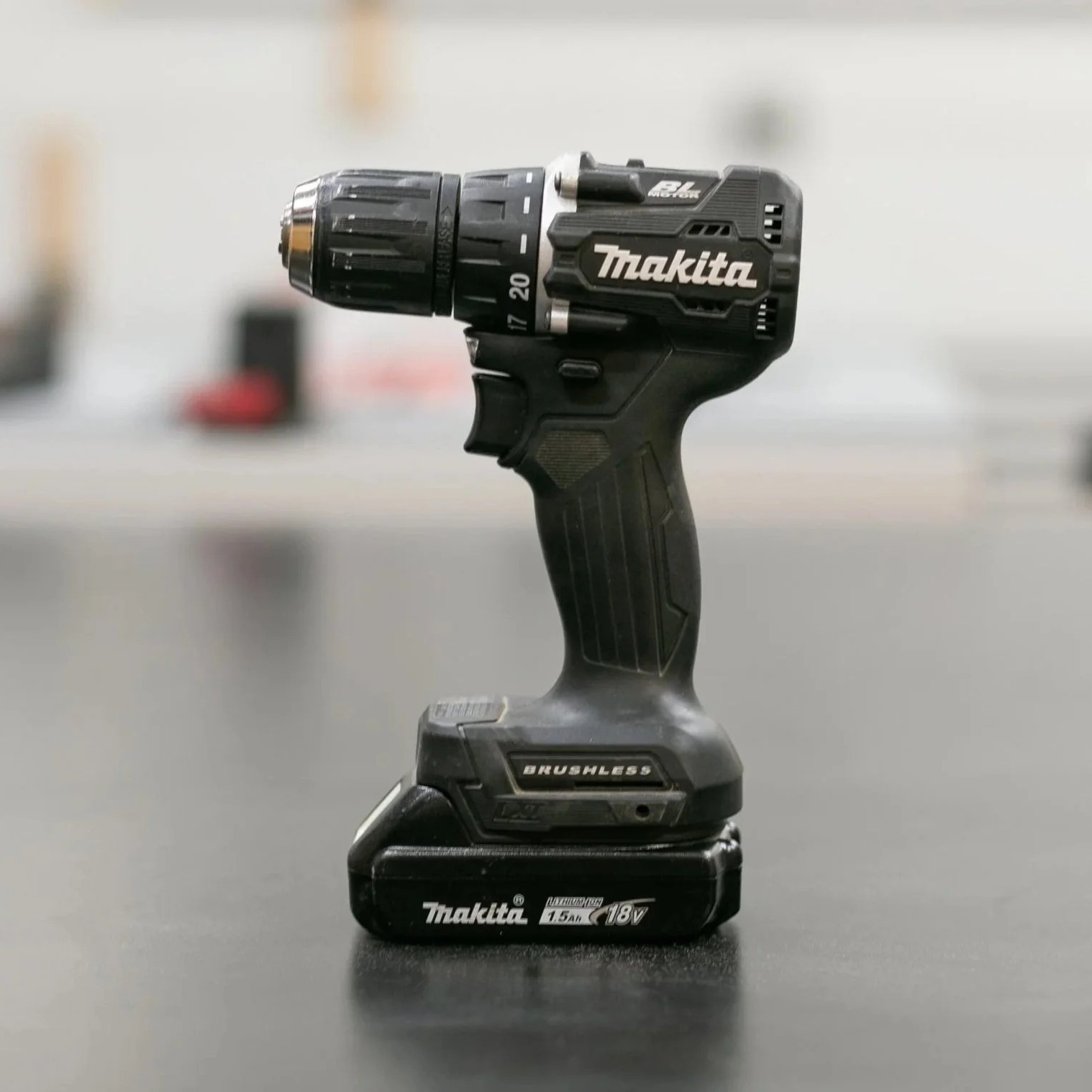 Choosing the Right Tool for Your Needs
Selecting between an impact wrench and an impact driver depends on your specific requirements. Each tool offers distinct features suitable for different tasks.
Factors to Consider Before Making a Choice
- Type of Task: Assess whether your work involves high torque or precision fastening. Impact wrenches are ideal for heavy-duty tasks like loosening bolts. Impact drivers are better for precise screw driving.
- Power Needs: Determine the torque level needed. Choose an impact wrench for extreme torque requirements. Use an impact driver for controlled power in light to medium tasks.
- Tool Size and Weight: Consider portability and comfort. Impact drivers are compact and lightweight, suitable for prolonged use. Impact wrenches are heavier but powerful.
- Frequency of Use: Frequent and heavy use may require a durable and powerful impact wrench. For occasional tasks, an impact driver may suffice.
- Budget: Impact wrenches are generally more expensive due to their high power. Impact drivers are more affordable for smaller tasks.
- Power Source: Decide on cordless or corded options. Impact drivers excel in battery-operated portability. Pneumatic impact wrenches provide maximum power but require an air compressor.
- User Expertise: Impact wrenches are better suited for professionals needing brute force. Impact drivers are beginner-friendly for DIY enthusiasts.
Recommended Scenarios for Each Tool
- Impact Wrench:
- Automotive repairs, such as loosening lug nuts.
- Heavy-duty industrial tasks like machinery maintenance.
- Construction work requiring maximum torque for large bolts.
- Impact Driver:
- Woodworking projects, including fence or deck construction.
- Furniture assembly or cabinet installations.
- DIY tasks like hanging shelves or mounting TVs.
Choosing the right tool ensures efficiency and prevents damage to screws or bolts. Carefully match the tool to the task for the best results.
Impact Wrench and Impact Driver Maintenance Tips
Proper maintenance significantly extends the lifespan and performance of your tools. Understanding how to care for your impact wrench and impact driver is critical. Let’s delve into upkeep tips and common mistakes to avoid.
Proper Care and Upkeep for Each Tool
- Regular Cleaning: Wipe tools after use to remove dust, dirt, and grease.
- Lubrication: For pneumatic tools, regularly oil the moving parts to prevent wear and tear.
- Inspect Parts: Check sockets, bits, and chucks for damage before and after use.
- Battery Care: For cordless models, charge batteries before complete depletion to enhance longevity.
- Storage: Keep tools in a dry case to prevent rust and moisture damage.
- Tighten Loose Components: Secure all screws and fittings periodically to maintain optimal functionality.
- Follow Manufacturer Guidelines: Use recommended accessories and adhere to maintenance schedules.
Common Mistakes to Avoid
- Overusing the Tool: Avoid using them beyond their torque or capacity limits to prevent damage.
- Skipping Lubrication: Neglecting oiling can lead to internal component failures in pneumatic tools.
- Using Incorrect Attachments: Always use compatible sockets or bits to avoid stripping screws or bolts.
- Improper Storage: Leaving tools in damp areas leads to rust and reduces performance.
- Ignoring Warnings: Pay attention to unusual noises or vibrations; they indicate potential tool issues.
- Failing to Clean After Use: Accumulated debris can clog internal parts and impair tool efficiency.
Regular care of your impact wrench and impact driver ensures they function effectively for years. Avoiding common mistakes will save time, money, and frustration in the long run.
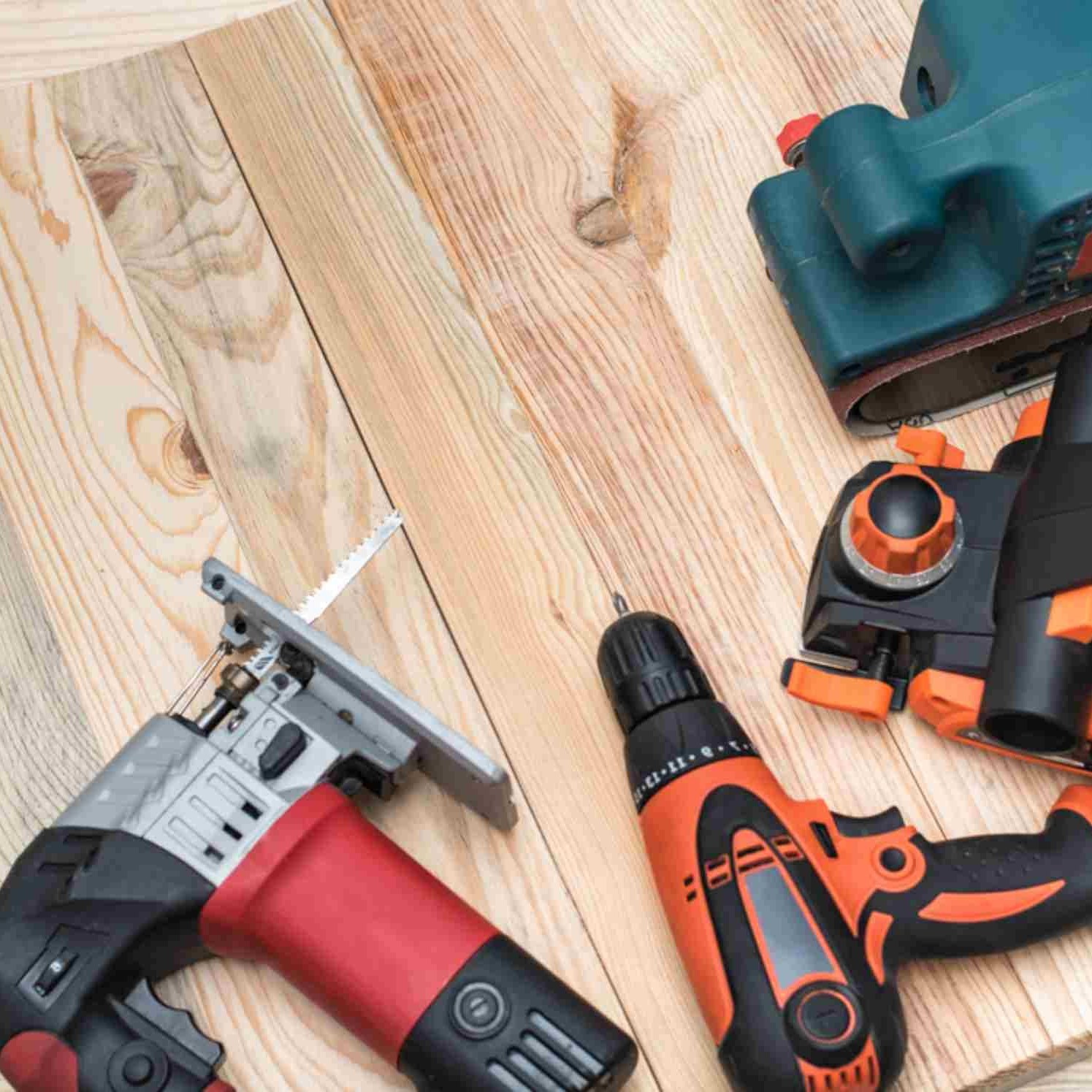 Attachments and Compatibility
Matching Bits, Sockets, and Accessories
Accessories define what each tool can do. An impact wrench vs impact driver requires different attachments due to their drive systems. Understanding compatibility prevents misuse and ensures efficient operation.
Impact wrenches use standard socket sets attached to a square drive. Common sizes include 1/2-inch and 3/4-inch drives for heavy-duty work. Users simply slide the socket onto the drive pin and lock it in place. Extension bars, universal joints, and torque sticks expand functionality.
In contrast, impact drivers accept 1/4-inch hex bits directly. No chuck is needed. Quick-change collets allow fast switching between Phillips, Torx, flathead, and other bit types. Adapters exist to fit standard sockets, but caution is advised. Applying excessive torque may damage the adapter or bit.
Some professionals use hybrid setups. For example, attaching a socket adapter to an impact driver works for light-duty nut removal. However, this approach lacks the torque and durability of a true impact wrench. It serves only as a temporary solution.
Always use impact-rated sockets and bits. Standard hardware may crack or shatter under repeated stress. Impact-rated steel withstands shock loads safely. Investing in quality accessories protects both tools and users.
Storage solutions also matter. Organized cases keep bits and sockets ready for immediate use. Labeling compartments saves time during complex jobs. Proper care extends accessory life and maintains performance.
Frequently Asked Questions (FAQ)
Can I use an impact driver as an impact wrench?
Technically, yes—with limitations. You can attach a socket adapter to an impact driver. However, it won’t match the torque of a real impact wrench. It may work for lightly tightened nuts but fails on rusted or over-torqued ones. Long-term use risks damaging the driver’s internals.
Are impact wrenches only for cars?
No. While common in auto repair, they’re also used in manufacturing, aviation, and construction. Any task involving large threaded fasteners benefits from their power.
Do impact drivers strip screws?
Not if used properly. Their axial impact keeps the bit seated. Choose the correct bit size and type. Avoid excessive pressure. Let the tool do the work.
Which is safer for beginners?
Impact drivers are generally safer. They’re easier to control and less likely to cause injury from sudden kickback. Start with one before moving to heavier tools.
Should I buy both tools?
If you work on diverse projects, yes. They complement rather than compete. Own both for complete coverage across tasks.
Summary
Understanding the differences between an impact wrench vs impact driver empowers smarter tool choices. Each serves unique functions based on torque, design, and application. Confusing them leads to inefficiency or equipment damage. Knowing when to use which tool improves productivity and safety.
Impact wrenches deliver extreme force for loosening and tightening large nuts and bolts. They dominate in automotive and industrial fields. Their strength comes at the cost of size and noise. Best reserved for heavy mechanical work.
Impact drivers offer speed and precision in driving screws. Lightweight and compact, they excel in carpentry, electrical, and plumbing jobs. Ideal for repetitive fastening with minimal fatigue.
Both tools continue evolving with better batteries, quieter mechanisms, and enhanced ergonomics. Yet, their core purposes remain unchanged. Respect their specialties. Invest wisely. Use correctly.
Finally, revisit the question: impact wrench vs impact driver? The answer lies not in superiority, but suitability. Match the tool to the task. Achieve better results every time.