From Adjustable to Ratchet: Exploring Essential Wrench Types
Understanding wrench types is essential for anyone working with mechanical systems. From home repairs to professional auto shops, the right wrench makes a big difference. Each type serves a specific purpose. Choosing wisely improves efficiency and safety.
Moreover, knowing your wrench types helps prevent damage to fasteners. Using the wrong tool can strip bolts or round off nuts. This leads to costly fixes. Learning each one’s role ensures precision and confidence.
 Introduction to Wrenches
Wrenches are essential tools across various industries and household tasks. They are designed to grip, tighten, and loosen nuts, bolts, and other fasteners. Without a proper wrench, performing mechanical adjustments or fixes can be difficult, if not impossible.
These tools come in various styles and sizes to match specific applications. Each wrench type is created to cater to distinct tasks, ensuring efficiency and precision. By understanding the differences, users can work more efficiently and avoid damaging fasteners.
From automotive repairs to plumbing, wrenches serve as indispensable tools for professionals and hobbyists alike. Selecting the right wrench ensures the job gets done accurately and quickly, saving time and effort.
The Importance of Having the Right Wrench
The right wrench ensures tasks are done efficiently and safely. Using the wrong wrench may damage fasteners, tools, or even cause injuries. Each wrench type is designed for specific purposes, reducing the risk of errors during repairs.
Having the correct wrench makes work faster. You won’t waste time struggling with tools that don’t fit or slipping on bolts. This improves productivity and lowers frustration, especially for complex tasks.
Precision is another benefit of using the right wrench. Properly matched wrenches help you apply accurate force, preventing over-tightening or stripping of bolts. This is critical in automotive, construction, and plumbing jobs.
Investing in the right wrench also prolongs the life of your tools and fasteners. Poorly chosen tools can wear out quickly, costing more money in the long run.
In conclusion, the right wrench simplifies work, saves money, and ensures better results. For any task, matching the wrench to the job is crucial.
How Wrench Design Affects Performance
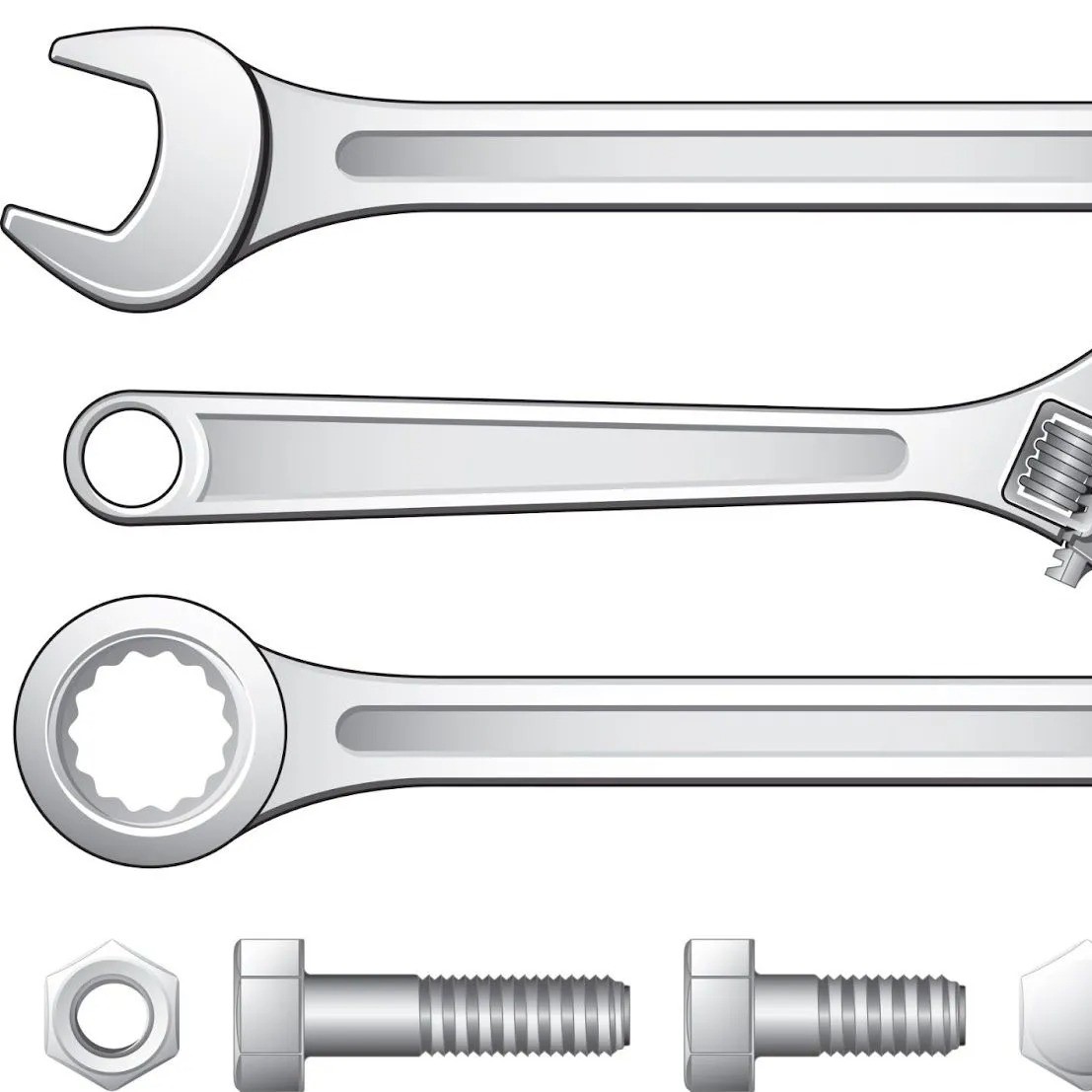
The shape of a wrench influences how it applies force. Open-end wrenches have U-shaped openings. They slide over flat sides of nuts. These allow quick adjustments in tight spaces.
Box-end wrenches surround the entire nut. Their closed rings reduce slippage. More contact points mean better torque transfer. They are ideal for final tightening.
Combination wrenches offer both ends in one tool. One side opens, the other closes. This design increases versatility. Fewer tools are needed in a kit.
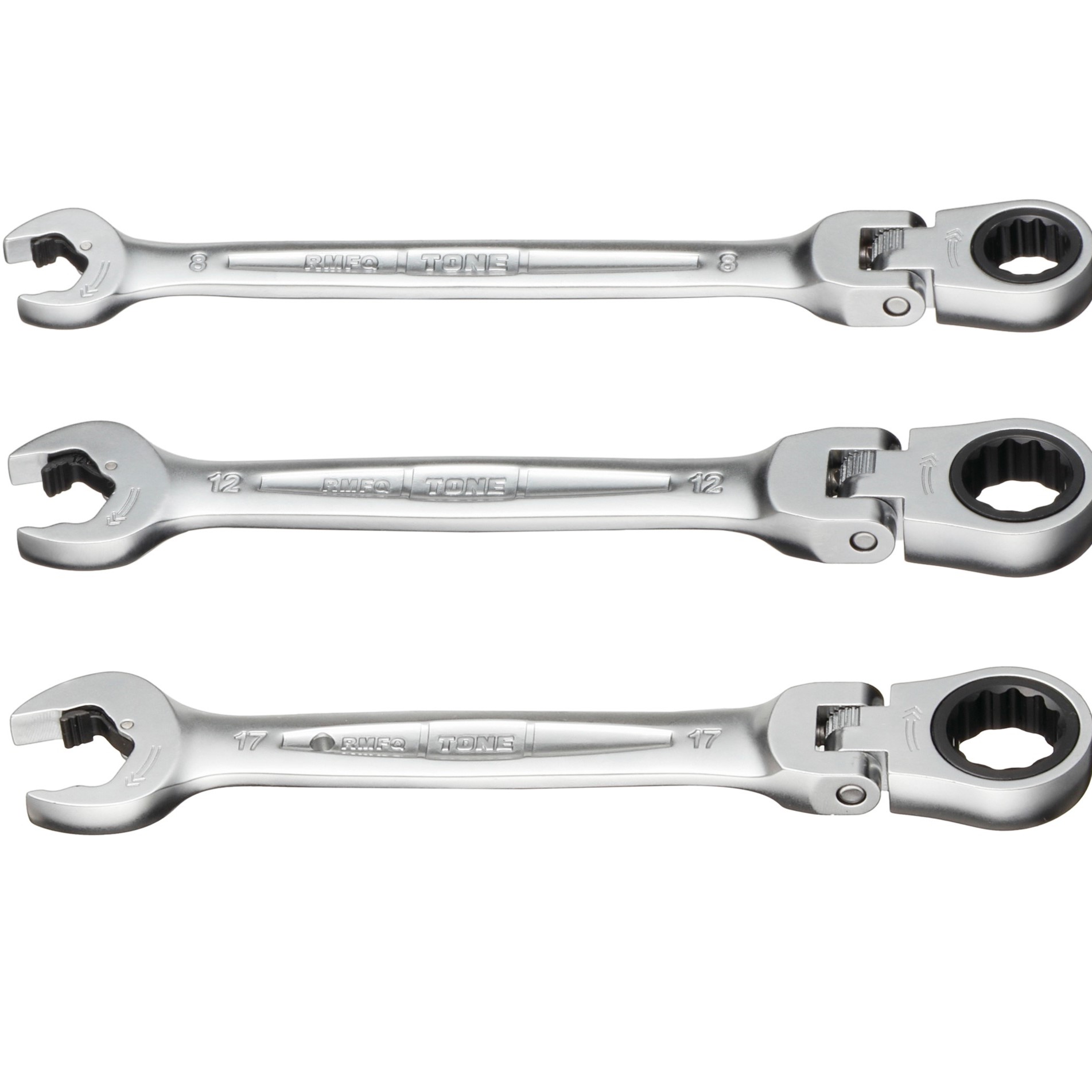
Ratcheting wrenches save motion. They turn without lifting after each rotation. This speeds up repetitive tasks. Mechanics use them frequently during assembly.
 Common Types of Wrenches
Different tasks require different wrench types. Understanding common wrench types ensures efficiency and precision. Below are four frequently used wrenches essential in any toolbox.
Adjustable Wrench
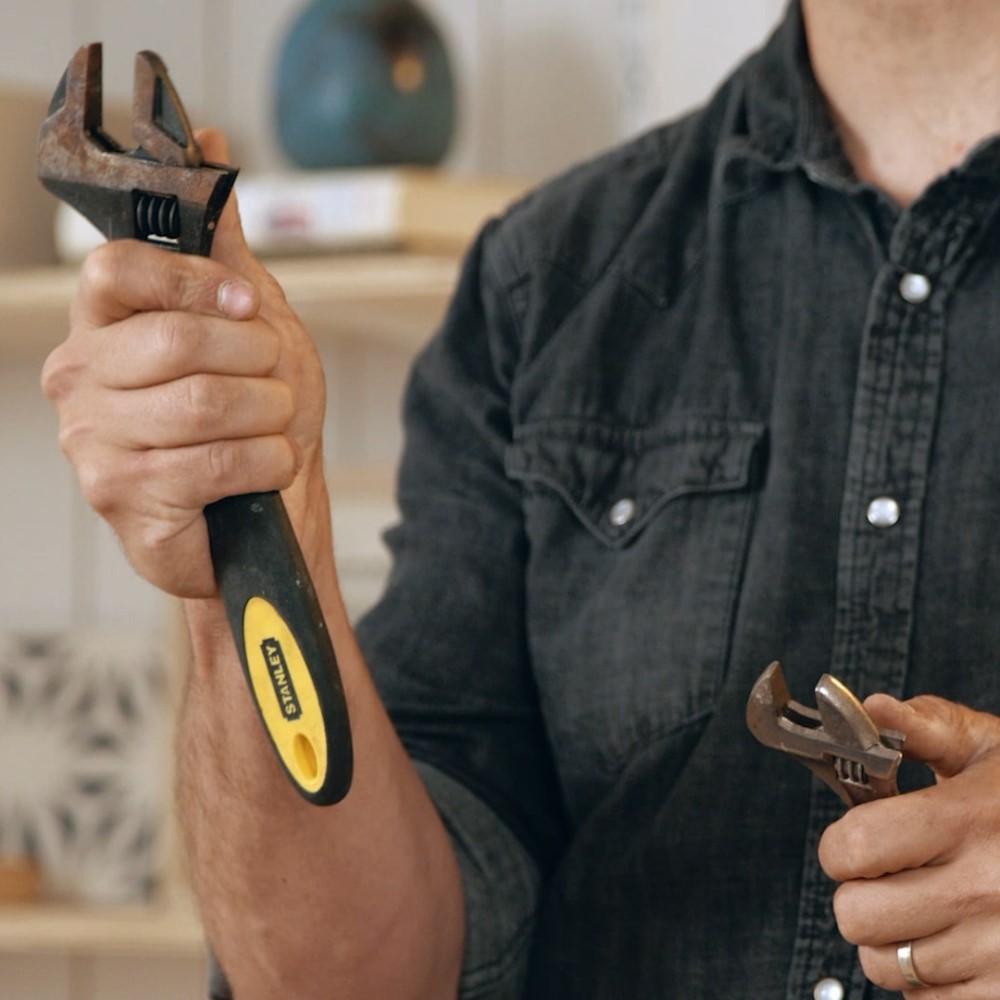
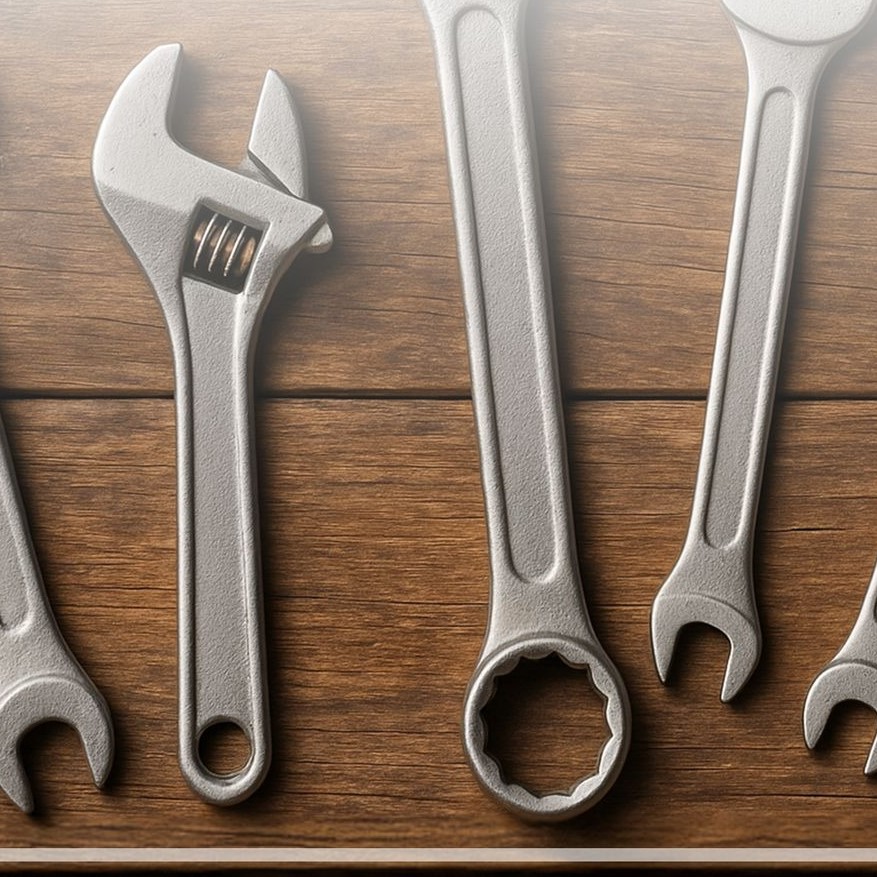
An adjustable wrench features a movable jaw. This allows it to grip various bolt sizes. It is versatile and commonly used in household and automotive repairs. Ideal for quick adjustments, it minimizes the need for multiple tools. However, be cautious not to overtighten, as it may slip or damage bolts.
Combination Wrench
A combination wrench offers two heads: an open-end and a box-end. The open-end head is for quick adjustments. The box-end provides a firm grip for tightening or loosening bolts. This dual-purpose design suits tasks requiring speed and precision. Mechanics and DIY enthusiasts often use these wrenches for all-around maintenance tasks.
Socket Wrench
A socket wrench uses interchangeable sockets to tighten or loosen fasteners. It features a ratcheting mechanism, allowing continuous motion without repositioning. This makes it highly efficient for repetitive tasks. Common in automotive repairs, it saves time and provides excellent torque. Always match the socket size to the fastener to avoid slippage.
Torque Wrench
A torque wrench ensures bolts are tightened to a specific force. This is crucial for precision in mechanical jobs. Over-tightening can damage parts, while under-tightening can cause loose connections. Torque wrenches are indispensable in automotive, construction, and industrial applications. Proper calibration is vital for consistent accuracy during use.
By understanding these four wrench types, you’ll be prepared for most general repair tasks. Choose the right tool for the best results.
Specialty Wrenches for Specific Tasks
Some tasks require wrenches designed for specific purposes. These specialty wrenches provide unique functions that standard wrenches cannot. Using the right specialty wrench ensures safety, efficiency, and precision for specialized projects.
Allen Wrench (Hex Key)
Allen wrenches, also known as hex keys, have an L-shaped design. They are used for turning screws and bolts with hexagonal sockets. Allen wrenches are common in furniture assembly and bicycle repairs. Their compact size makes them easy to carry and store. Always use the correct size to prevent stripping the screw.
Pipe Wrench
Pipe wrenches are designed to grip round objects, such as pipes. They have adjustable jaws and provide excellent torque for plumbing tasks. Pipe wrenches are ideal for tightening or loosening threaded pipe joints. They are often used by plumbers and in industrial maintenance. Avoid using excessive force to prevent damaging the pipe machinery.
Crowfoot Wrench
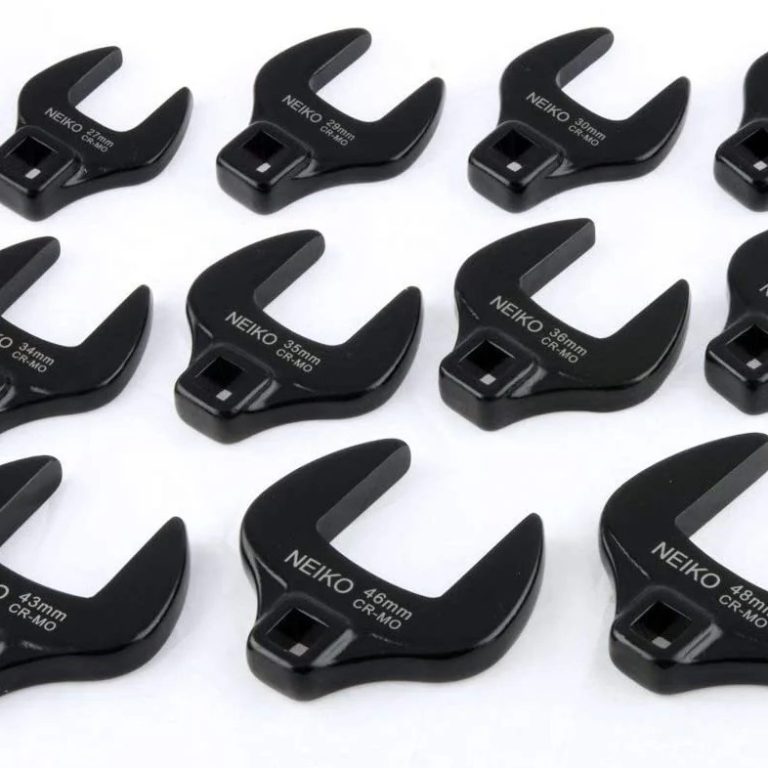
Crowfoot wrenches are open-ended tools used with a ratchet or extension bar. They are perfect for accessing bolts in tight or restricted spaces. Common applications include automotive and machinery repairs where standard wrenches cannot reach. Ensure a secure connection with the ratchet to avoid slipping during use.
Strap Wrench
Strap wrenches use a flexible strap to grip objects. They are useful for round surfaces, such as jars or pipes. Strap wrenches work well with fragile items that may be damaged by metal tools. Their non-slip grip makes them valuable for both household and professional tasks. Always clean the strap for a better hold when using the tool.
Adding these specialty wrenches to your toolbox expands your repair capabilities. Match the wrench type to the task for the best results.
 Materials and Construction of Wrenches
Common Materials Used in Wrenches
Wrenches are made from tough materials for durability and strength. Steel is the most common material due to its resistance to wear and tear. Forged steel, often with chrome or vanadium alloy, provides added toughness and corrosion resistance.
Some wrenches use stainless steel for specialized applications. This material resists rust and works well in moisture-heavy environments. Aluminum is occasionally used for lightweight designs but is less durable than steel.
Construction and Design Features
Wrenches are forged or machined for precision and reliability. Forging involves shaping metal under high pressure, creating strong tools. Machining ensures accuracy in critical parts like jaws and sockets.
Handles are carefully designed for grip and comfort. Rubber or textured coatings reduce slippage and improve control during use. For adjustable wrenches, the movable jaw is engineered for smooth adjustments without compromising strength.
Surface finishes like chrome plating protect wrenches from rust and prolong their lifespan. Black oxide coatings are another option, offering durability and a non-reflective finish.
Quality Standards to Look For
High-quality wrenches meet international standards like ANSI or ISO. These certifications guarantee strength, precision, and durability. Look for wrenches with good structural integrity and clean finishes.
Materials and construction affect the tool’s performance and longevity. Choosing well-made wrenches ensures reliable results and reduces replacement costs.
Tips for Choosing the Right Wrench
Choosing the right wrench is essential for both efficiency and safety during repairs. Here are practical tips to help you select the best wrench for your needs:
- Identify the TaskConsider the specific job you need to do. Choose a wrench type suitable for the job, such as a pipe wrench for plumbing or a torque wrench for automotive repairs.
- Understand Fastener TypesDetermine the fastener size and shape. Use adjustable wrenches for varying sizes or specialized ones for hexagonal bolts.
- Focus on Quality MaterialsOpt for wrenches made of durable materials like forged steel or chrome-vanadium alloys. High-quality construction ensures longevity and better performance.
- Evaluate PortabilityFor on-the-go tasks, choose lightweight wrenches like aluminum-based tools or compact models like Allen wrenches.
- Consider Comfort and ErgonomicsSelect wrenches with comfortable grips or textured handles. These reduce hand fatigue and improve control.
- Think About Torque NeedsUse torque wrenches for tasks requiring precision tightening. Always check calibration for consistent results.
- Look for VersatilityCombination and adjustable wrenches offer flexibility for various tasks. These tools minimize the need for multiple wrenches.
- Stick to Trusted BrandsPurchase tools from reliable manufacturers that meet ANSI or ISO standards. Trusted brands ensure quality and safety.
- Inspect Specialty OptionsFor unique tasks, consider specialty wrenches like strap wrenches or crowfoot wrenches. These tools are ideal for restricted spaces or fragile objects.
- Set Your BudgetBalance cost and quality. Slightly expensive wrenches are often more durable and save money over time.
Choosing the right wrench simplifies repair work and ensures precision. Match the wrench type to your task for the best results.
 Proper Maintenance and Care for Wrenches
Proper maintenance ensures your wrenches last longer and perform reliably. Neglecting care can lead to damage and decreased efficiency. Follow these practical steps to keep your tools in excellent condition:
Cleaning Your Wrenches
- Wipe wrenches clean after every use to remove dirt and grease.
- Use warm water and mild soap for stubborn stains or debris.
- Dry tools immediately to prevent rust formation.
Lubricating Moving Parts
- Apply lubricant to adjustable jaws or ratchets for smooth operation.
- Check lubrication periodically, especially for wrenches used frequently.
Preventing Rust and Corrosion
- Store wrenches in a dry and ventilated area to avoid moisture exposure.
- Use a rust inhibitor spray for added protection, especially for steel wrenches.
Inspecting for Wear and Damage
- Examine tools regularly for cracks, dents, or worn-out parts.
- Replace damaged wrenches to avoid accidents or reduced performance.
Proper Storage Techniques
- Keep wrenches organized in toolboxes or racks to prevent misplacement and scratching.
- Use tool rolls to store individual wrenches for portability and protection.
Maintaining Calibration for Torque Wrenches
- Check torque wrench calibration regularly to ensure accurate force application.
- Calibrate annually or as recommended by the manufacturer.
Handling Wrenches Carefully
- Avoid using too much force to prevent bending or breaking.
- Match wrench size to the fastener to avoid slippage or rounding.
Avoiding Chemical Damage
- Keep wrenches away from corrosive chemicals to maintain surface finishes.
- Always clean tools after handling chemical substances.
With regular maintenance, your wrenches will remain durable and reliable for years. Caring for your tools maximizes their performance and reduces replacement costs.
Combination Wrenches: Best of Both Worlds
Combination wrenches offer two functions in one. Open end for quick placement. Box end for final tightening. This duality increases usefulness.
Most come in imperial and metric pairs. Marked clearly on each end. Easy to identify mid-task. Reduces confusion during urgent repairs.
They fit neatly in tool rolls. Compact and balanced. Preferred by professionals who value speed. Less switching between tools.
Always pull toward the thicker side. This avoids breaking the thin wall. Increases tool longevity. Proper technique protects both user and equipment.
Choosing the Right Size and Material
Wrench sizes follow standardized systems. SAE uses inches. Metric uses millimeters. Match the wrench to the bolt head exactly.
Too small causes slippage. Too large strips corners. Test fit before applying force. A snug connection feels solid.
Chrome vanadium steel is common. Strong and slightly flexible. Resists breaking under stress. Drops bounce rather than shatter.
Black oxide finishes reduce glare. Useful in bright environments. Better visibility during inspections. Protects against mild moisture.
Frequently Asked Questions
What are the most common wrench types?
Open-end, box-end, combination, adjustable, and socket wrenches are widely used. Each has unique benefits depending on the job.
Can I use an adjustable wrench instead of fixed ones?
Yes, for light tasks. However, fixed wrenches are safer for high-torque jobs. Adjustable ones may slip under pressure.
How do I care for my wrench collection?
Clean after use. Dry thoroughly. Store in a dry place. Avoid leaving them in damp toolboxes.
Are metric and standard wrenches interchangeable?
Not reliably. Sizes rarely match exactly. Always use the correct system to avoid damage.
Conclusion: Wrench Types
Selecting and using the correct wrench is essential for efficient and accurate repairs. Different wrench types serve unique purposes, making them indispensable for various tasks. Understanding wrench designs, materials, and specialty options helps in choosing the right tool for the job.
Quality wrenches ensure durability and reliability. Regular maintenance keeps tools in top condition and prolongs their lifespan. Careful handling and proper storage prevent damage and ensure safety.
By following tips for selection and maintenance, you can enhance your toolbox’s performance. A versatile and well-maintained wrench collection saves time, effort, and money, while enabling better results in every task you undertake.