Socket Wrench Sizes – From 1/4″ Drive to 1-Inch Ratchets
When working on mechanical repairs or automotive projects, knowing about socket wrench sizes is essential. These tools help you tighten or loosen fasteners quickly and efficiently. Without the correct size, you risk damaging bolts or slowing down your work.
First, socket wrenches come in sets with multiple drive sizes. Each drive size accepts different socket dimensions. This allows flexibility across many tasks.
Moreover, standard and metric systems are both widely used. In the U.S., standard (imperial) sizes dominate. Elsewhere, metric is more common. Many toolkits include both for versatility.
Then, drive sizes determine what sockets fit on the wrench. The most common are 1/4-inch, 3/8-inch, and 1/2-inch drives. Each serves a specific purpose based on torque needs.
Also, smaller drives suit light-duty work. Larger ones handle high-torque applications. Choosing the right socket wrench sizes improves safety and performance.
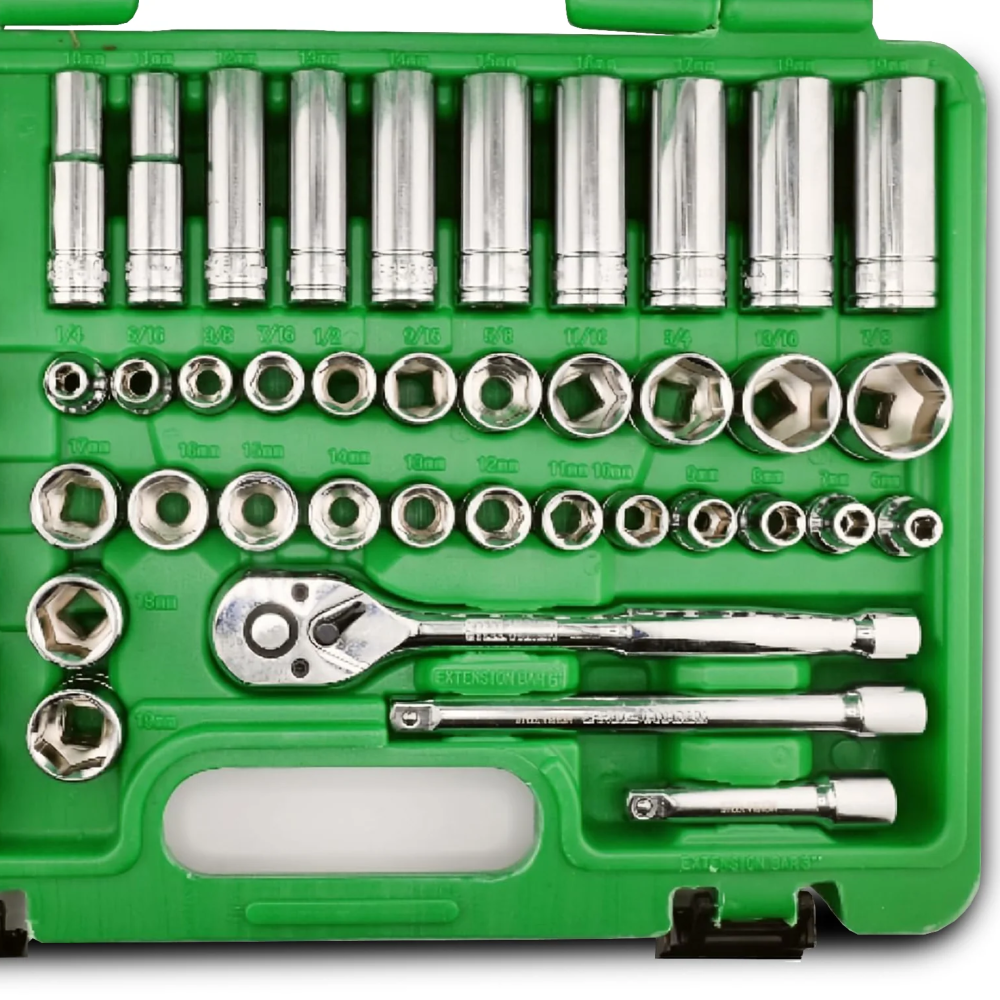
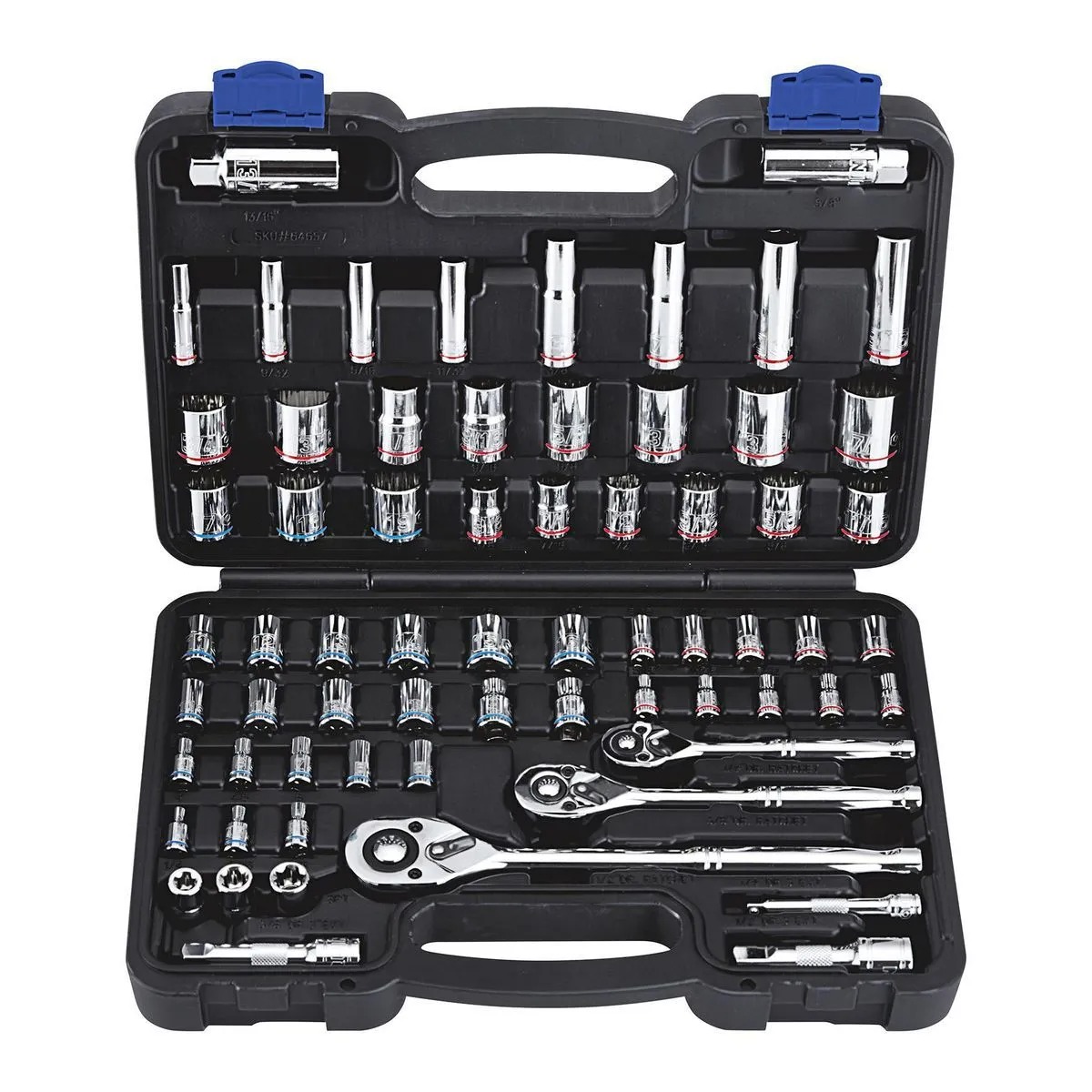
In addition, sockets are labeled clearly. You can quickly identify 10mm, 7/16″, or 13mm without guesswork. Color-coded cases help organize them neatly.
Therefore, understanding socket wrench sizes empowers DIYers and professionals alike. It leads to smoother, faster repairs.
 What is a Socket Wrench?
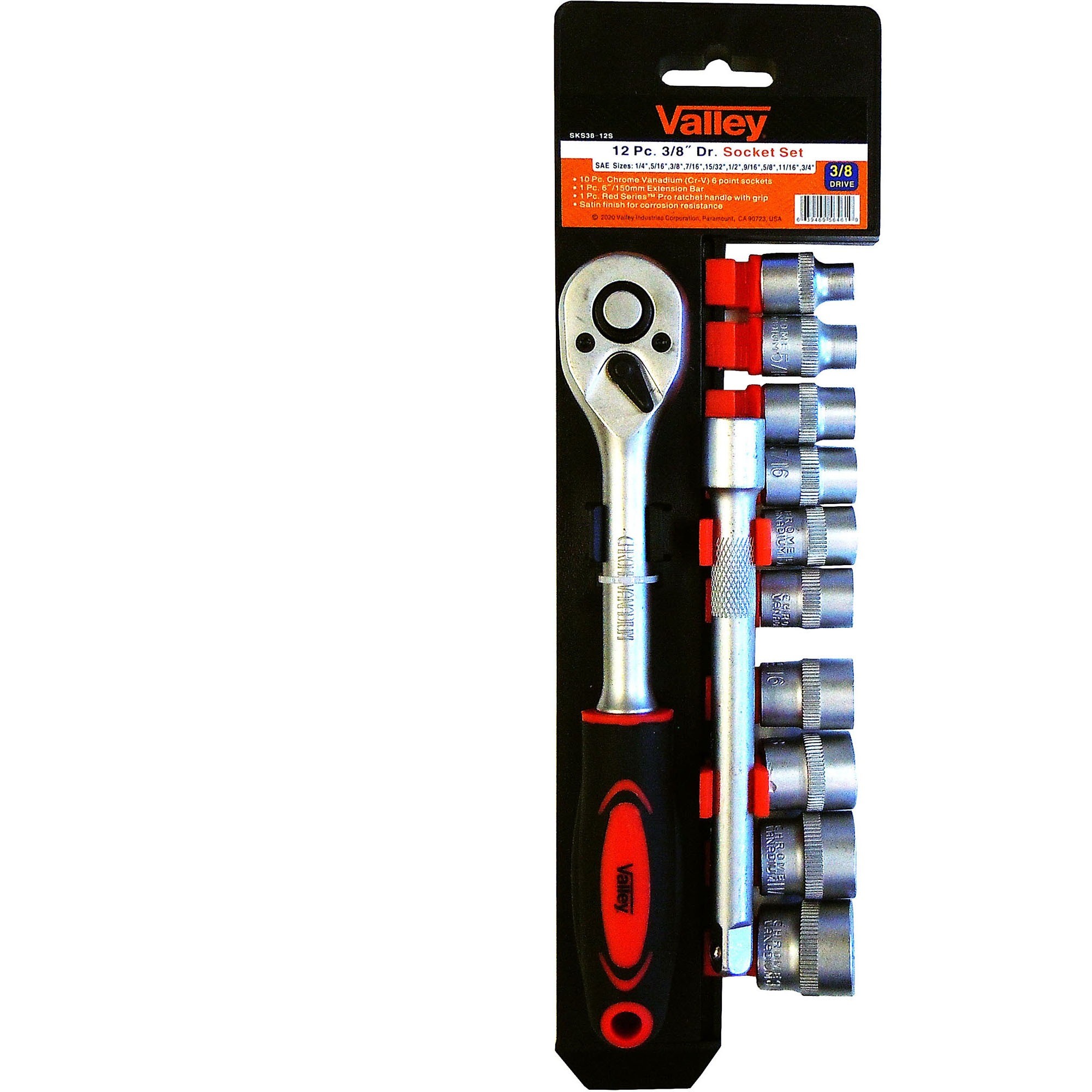
A socket wrench is a versatile hand tool. It is used for tightening or loosening fasteners like nuts and bolts. The tool allows you to apply torque efficiently without removing and repositioning the wrench repeatedly. Socket wrenches save time and effort in a wide range of tasks.
Definition and Purpose
A socket wrench features a ratcheting mechanism. This mechanism enables one-directional movement while keeping the socket attached to the fastener. This design eliminates the need to remove and reposition the wrench after each turn. The purpose of a socket wrench is to provide efficient and controlled force. It is perfect for tasks requiring precision and strength.
Key Components of a Socket Wrench
- Handle: The handle provides grip and leverage for turning the wrench.
- Ratchet Mechanism: This part enables smooth, unidirectional movement.
- Socket: The socket fits onto the fastener and comes in various sizes.
- Drive End: This is the connector between the wrench and the socket, available in common sizes like 1/4, 3/8, and 1/2 inch.
These components work together to make the socket wrench a highly effective tool for various applications.
Common Socket Wrench Sizes and Measurements
Socket wrench sizes vary to accommodate different fastener dimensions. They are divided into two main categories: metric and standard (SAE). Understanding these sizes ensures precision and prevents damage to fasteners.
Metric Socket Sizes
Metric socket sizes are measured in millimeters. These sizes are commonly used in cars and machinery manufactured outside the United States. Metric measurements typically range from 4mm up to 32mm or more. Smaller sizes, like 4mm to 14mm, are used for minor repairs and delicate parts. Larger sizes, like 15mm to 32mm, are suited for heavy-duty tasks and industrial applications.
Popular metric sizes include:
- 10mm: A universally common size.
- 13mm and 17mm: Regularly found on European cars.
- 19mm: Often used on larger bolts and applications.
Standard (SAE) Socket Sizes
Standard socket sizes, also known as SAE, are measured in fractions of an inch. These sizes are predominantly used for American-made cars and machinery. SAE sizes range from 1/4 inch to over 1 inch.
Frequently used SAE sizes include:
- 3/8 inch and 7/16 inch: Common for light to medium applications.
- 1/2 inch and 9/16 inch: Suitable for larger automotive and repair tasks.
- 3/4 inch and above: Often used for heavy-duty industrial projects.
Understanding the differences between metric and SAE sizes ensures tools match specific fastener requirements. Choosing the correct size prevents stripped fasteners and enhances efficiency.
 How to Identify the Right Socket Size
Proper identification of socket wrench sizes is crucial for efficient and accurate work. Using the correct size prevents damage to fasteners and ensures smooth operations. This section explains how to match socket sizes with fasteners and tips for measuring and determining the right size.
Matching Socket Sizes with Fasteners
Choosing the appropriate socket size for fastener dimensions ensures a secure fit. Here’s how to match:
- Check the Fastener Type: Identify whether the fastener uses metric or standard (SAE) measurements. Metric fasteners are labeled in millimeters, while SAE ones use fractions of an inch.
- Determine the Fastener Size: Look for markings on the fastener itself or refer to manufacturer specifications.
- Select the Closest Socket Size: Socket sizes should match the fastener snugly without excess slack.
- Test the Fit: Ensure the socket grips firmly around the fastener. A loose fit may strip the corners.
Matching sizes accurately saves time and extends the lifespan of both tools and fasteners.
Tips for Measuring and Determining Sizes
Sometimes fastener size markings may not be visible. In such cases, follow these tips:
- Use a Caliper or Ruler: Measure the width across the flats of the fastener head. Record the size in millimeters or inches.
- Try Common Socket Sizes: Test popular sizes like 10mm or 1/2 inch for fit.
- Organize Sockets by Size: Arrange sockets in ascending order, which helps find sizes faster.
- Consider Universal Fit Tools: These tools adapt to different fastener sizes for quick adjustments.
- Check Manufacturer Recommendations: Refer to repair or assembly guides for exact fastener specifications.
These strategies ensure efficient and precise sizing, preventing errors during work.
Types of Socket Wrenches and Their Uses
Socket wrenches come in various types, each designed for specific tasks. Selecting the right type improves efficiency and protects fasteners during use. Below are the most common types of socket wrenches.
Standard Socket Wrenches
Standard socket wrenches are the most basic type. They feature shallow sockets ideal for everyday tasks. These wrenches are used for tightening or loosening bolts where standard reach is sufficient.
Common Uses:
- Household repairs involving bolts and nuts.
- Automotive tasks with easily accessible fasteners.
- Machinery maintenance requiring basic adjustments.
Advantages:
- Compact design for tight spaces.
- Ideal for simple repair work.
- Affordable and widely available.
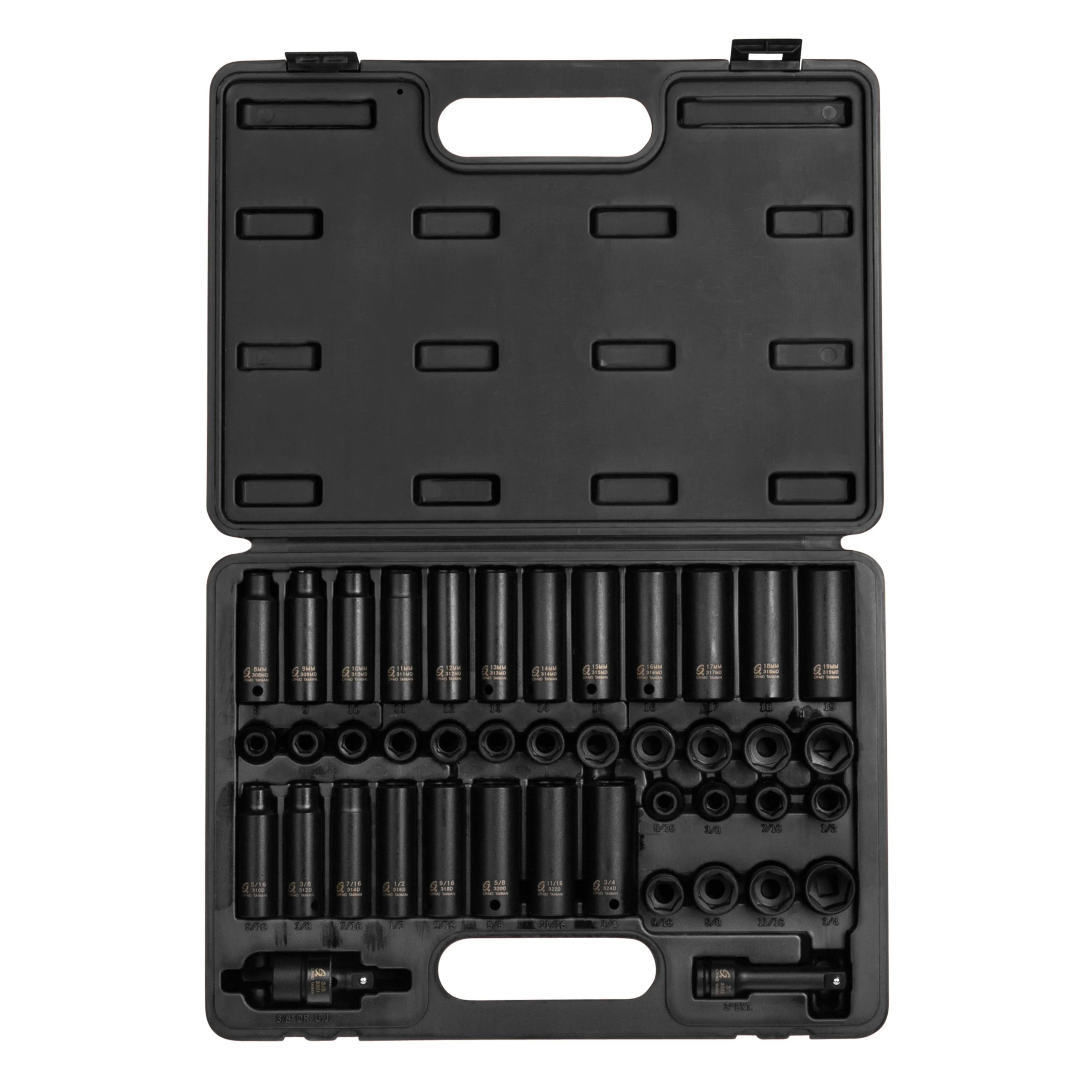
Deep Socket Wrenches
Deep socket wrenches have longer sockets compared to standard ones. They allow access to fasteners in recessed or extended areas. These wrenches are perfect for applications where bolts or nuts protrude.
Common Uses:
- Automotive projects needing access to deep lug nuts.
- Industrial machinery with recessed fixtures.
- Plumbing work involving pipe fittings.
Advantages:
- Versatile for extended bolts or studs.
- Provides better reach in tight areas.
- Useful for specialized installations.
Impact Socket Wrenches
Impact socket wrenches are designed for heavy-duty use. They are made of high-strength material to withstand intense force. These wrenches work well with powered tools like impact drivers.
Common Uses:
- Industrial tasks requiring high torque.
- Automotive repair using impact drivers.
- Construction tasks involving large fasteners.
Advantages:
- Durable construction for heavy-duty applications.
- Reduces risk of socket cracking.
- Suitable for high-impact tools.
Understanding these socket wrench types ensures you select the best tool for the job. Each type has unique benefits and applications, making them indispensable for professionals and DIY enthusiasts alike.
Common Applications of Socket Wrenches
Socket wrenches are essential tools for various tasks. Their versatility makes them indispensable across different industries.
Automotive Maintenance
Socket wrenches play a vital role in automotive repair. They simplify the installation and removal of fasteners.
Key Uses:
- Tire Changes: Loosen and tighten lug nuts efficiently.
- Engine Repairs: Remove bolts in tight spaces around engines and components.
- Brake Work: Adjust fasteners during brake pad replacements and repairs.
Advantages for Automotive Tasks:
- Save time during maintenance.
- Provide precise torque adjustments.
- Work seamlessly with automotive parts.
Home Repair Tasks
Socket wrenches are also perfect for household maintenance and repairs. They streamline simple and complex tasks alike.
Key Uses:
- Furniture Assembly: Tighten screws and bolts in furniture frames.
- Plumbing Tasks: Adjust pipe fittings and fixtures.
- Appliance Repairs: Secure nuts during appliance maintenance and installation.
Benefits for Home Repairs:
- Adaptable to various household tasks.
- Offer better grip than traditional tools.
- Simplify DIY projects.
Industrial and Specialized Uses
In industries, socket wrenches handle heavy-duty tasks. Their specialized designs ensure durability and accuracy.
Key Uses:
- Construction Projects: Fasten bolts in structural assemblies.
- Machinery Maintenance: Remove and secure fasteners on heavy equipment.
- Assembly Lines: Speed up repetitive tasks in manufacturing settings.
Industrial Advantages:
- Designed for high torque applications.
- Compatible with powered tools like impact drivers.
- Reliable work performance under tough conditions.
Understanding socket wrench applications helps you choose the right tool for every job. Their uses span automotive, home, and industrial sectors with efficiency and precision.
 Socket Sets: What to Look For
A socket set is an essential addition to every toolkit. It contains various socket sizes and accessories for a range of applications. Selecting the right set ensures smooth operation, minimizes tool damage, and boosts efficiency. Here are key considerations to keep in mind when choosing socket sets.
Essential Sockets in a Complete Set
A complete socket set should cover a wide range of fastener sizes and types. Below are the essential sockets to look for:
- Metric and SAE Sizes: Ensure the set includes both metric (millimeters) and standard (SAE) sizes. This allows compatibility with different fasteners.
- Common Socket Sizes: Popular sizes like 10mm, 13mm, 1/2 inch, and 3/4 inch are a must-have for routine tasks.
- Deep and Shallow Sockets: Include both deep and shallow variants for versatility in tight or recessed spaces.
- Impact Sockets: Opt for high-strength impact sockets to handle heavy-duty or powered tool tasks.
A comprehensive range ensures you’re equipped for automotive, home, and industrial projects.
Accessories and Attachments
Accessories enhance a socket set’s usability and flexibility. Key attachments to prioritize include:
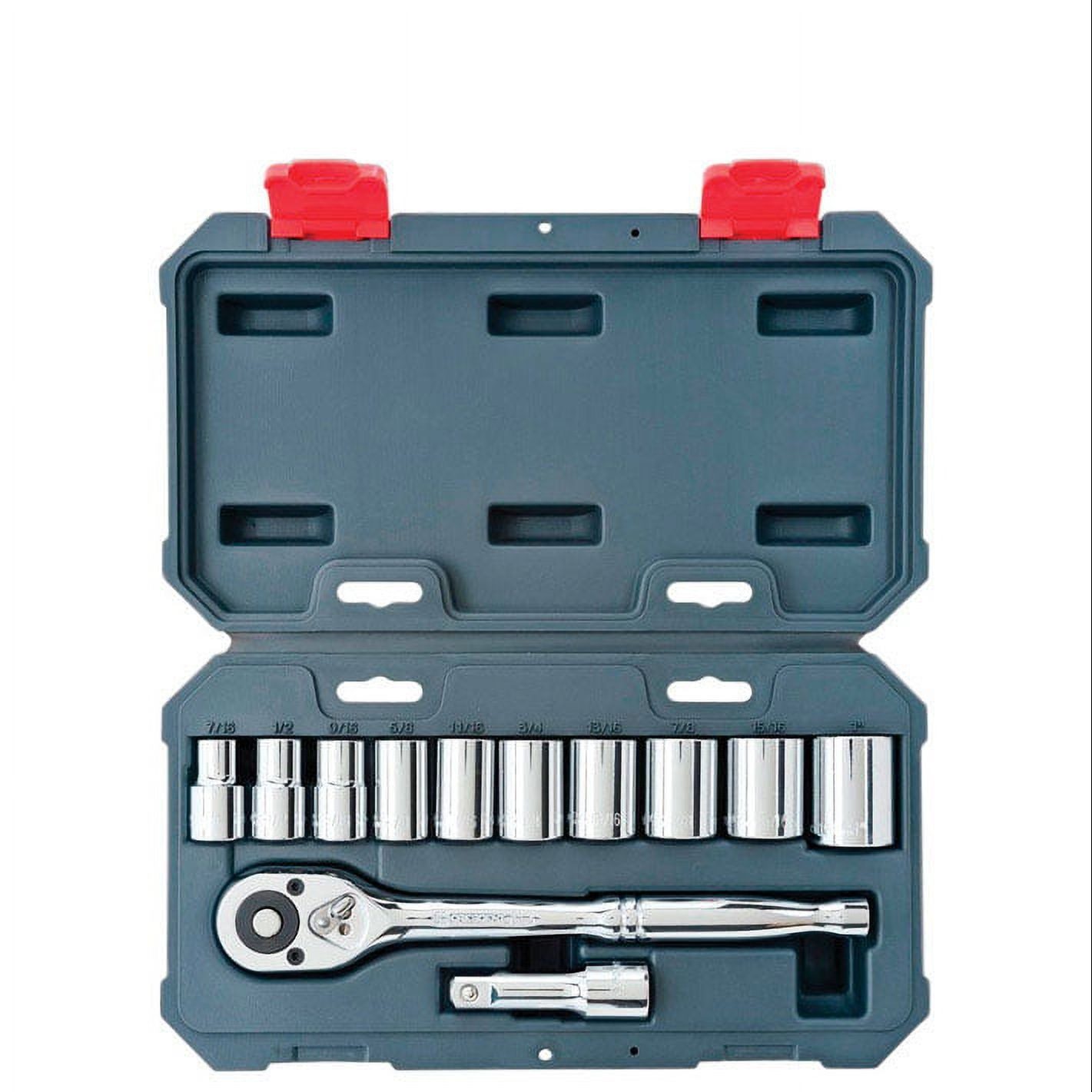
- Ratchets and Extensions: Ensure the set includes ratchet handles and extension bars for added reach and leverage.
- Adapters and Universal Joints: Adapters enable compatibility between different drive sizes, while universal joints offer angular flexibility.
- Socket Organizers: Invest in organizers to keep sockets sorted and prevent loss or misplacement.
- Torque Wrenches: They allow precise tightening for fasteners requiring specific torque levels.
- Spark Plug Sockets: Specialized spark plug sockets are essential for car engine maintenance.
Equipped with these tools and accessories, your socket set will cater to an extensive range of tasks. Always consider your specific needs before purchasing a set to ensure it aligns with your usual applications.
Troubleshooting and Maintenance of Socket Wrenches
Proper care ensures socket wrenches work efficiently and last longer. Maintenance also prevents unexpected failures. Below are tips for maintaining and troubleshooting your socket wrench.
Cleaning and Lubrication
Cleaning and lubricating socket wrenches is vital for smooth operation. Follow these steps:
- Disassemble the Wrench: Remove the socket from the wrench handle. Detach parts if possible.
- Clean Components: Wipe dirt and grease using a clean cloth or mild degreaser.
- Inspect for Debris: Check for any trapped dirt in the ratchet mechanism or sockets.
- Apply Lubricant: Use a suitable lubricant on the ratchet mechanism. Avoid over-lubricating.
- Reassemble: Align and tighten all parts before using the tool again.
Regular cleaning prevents rust and ensures the wrench functions properly during tasks.
Common Issues and Their Solutions
Even high-quality socket wrenches may face issues. Here are common problems and how to fix them:
- Ratchet Skipping or Sticking:
- Cause: Lack of lubrication or worn ratchet teeth.
- Solution: Clean and lubricate the ratchet. Replace worn parts if needed.
- Rust and Corrosion:
- Cause: Exposure to moisture or improper storage.
- Solution: Clean with rust remover. Store in a dry, moisture-free place.
- Socket Slipping Off Fasteners:
- Cause: Using the wrong size socket or worn-out socket edges.
- Solution: Use the correct socket size. Replace damaged sockets.
- Broken Drive Mechanism:
- Cause: Excessive force or using the wrench for unintended tasks.
- Solution: Get the drive mechanism repaired or replace the wrench.
- Loose Connections:
- Cause: Overuse or regular wear and tear.
- Solution: Tighten connections or replace worn components.
Routine maintenance and timely fixes help avoid costly replacements. It also improves reliability during critical tasks.
 Frequently Asked Questions
What Happens When You Use the Wrong Size?
Using the wrong socket size can damage tools and fasteners. An improper fit leads to stripped corners on bolts or nuts. Stripped fasteners become harder to remove, requiring extra effort and time. Additionally, mismatched sizes can cause slipping, which reduces tool efficiency. Over time, repeated use of the wrong size may weaken the socket, decreasing its lifespan. Always use sockets that fit perfectly to avoid these issues.
How to Store and Organize Socket Wrenches?
Proper storage keeps socket wrenches ready for use and prevents loss of sockets. Follow these tips:
- Use Socket Organizers: Tray or rack organizers help keep sockets sorted by size and type.
- Label Sizes: Clearly mark sizes for quick identification during tasks.
- Store in Dry Places: Keep tools away from moisture to prevent rust and corrosion.
- Group Accessories Together: Store attachments with wrenches to streamline workflow.
- Use Portable Cases: For mobility, use cases with dedicated compartments.
Organized storage saves time during tasks and protects tools for long-term use.
Frequently Asked Questions About Socket Wrench Sizes
Answers to Common User Concerns
What are the most common socket wrench sizes?
10mm, 13mm, 1/4″, 5/16″, 3/8″, and 1/2″ are used most. These cover many repairs.
Can I use metric sockets on standard bolts?
No. They don’t fit correctly. Use the right system to avoid damage.
What size drive do I need for lug nuts?
Use 3/8″ or 1/2″. These handle high torque. 1/2″ is better for impact tools.
Are six-point sockets better than twelve-point?
Yes, for high torque. They grip better and reduce rounding.
Can I mix drive sizes with adapters?
Yes. Adapters connect 1/4″ to 3/8″ or 3/8″ to 1/2″. They add flexibility.
Do deep sockets work on all bolts?
No. Use them only when needed. Standard sockets work on flush nuts.
Are chrome sockets safe for impact tools?
No. Use black oxide or impact-rated sockets. Chrome may shatter.
How do I know if a socket is worn out?
Look for rounded edges or loose fit. Replace it if it slips on bolts.
Final Thoughts on Mastering Socket Wrench Sizes
Understanding socket wrench sizes makes every job easier. It improves safety, speed, and accuracy. Whether you’re a beginner or pro, the right size matters.
From drive types to standard and metric systems, each choice affects performance. Organizing and maintaining tools ensures long-term success.
Therefore, invest in a quality set. Learn to read labels and match sizes. The socket wrench sizes you use define your results.