Open Ended Wrench: Sizes and Tips for Maximum Efficiency
The open ended wrench is one of the most basic yet vital tools in any toolbox. It features a U-shaped jaw at each end, allowing it to slide over nuts and bolts from the side. This design makes it easy to use in tight spaces where full rotation isn’t possible. Unlike socket wrenches, an open ended wrench doesn’t cover the entire fastener. Instead, it grips two flat sides with precision. Because of its simplicity and efficiency, the open ended wrench remains a favorite among mechanics, DIYers, and professionals.
Moreover, this tool works on both metric and standard sizes. Many models include dual ends for added versatility. Its lightweight build allows quick access during repairs. Whether you’re fixing a bike or adjusting plumbing, the open ended wrench delivers reliable performance.
 What is an Open-Ended Wrench?
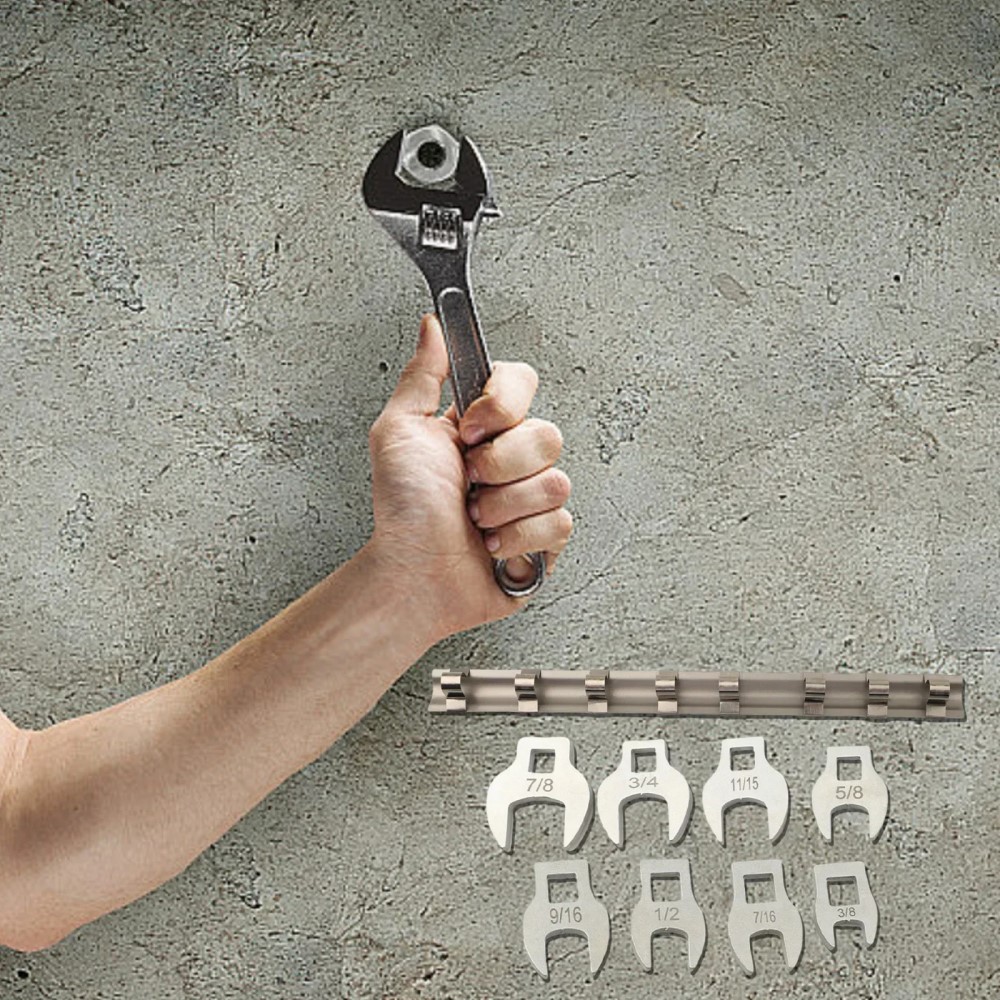
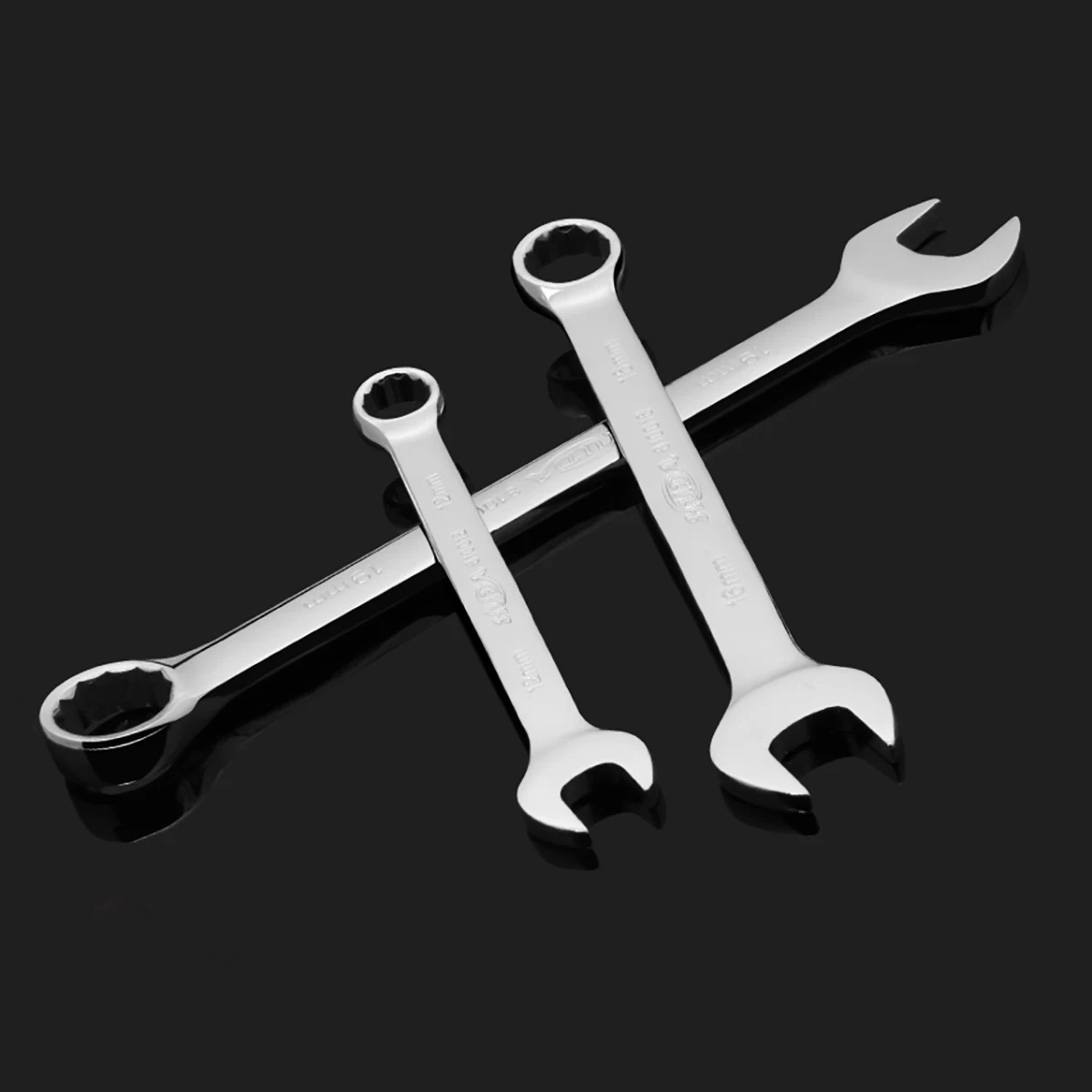
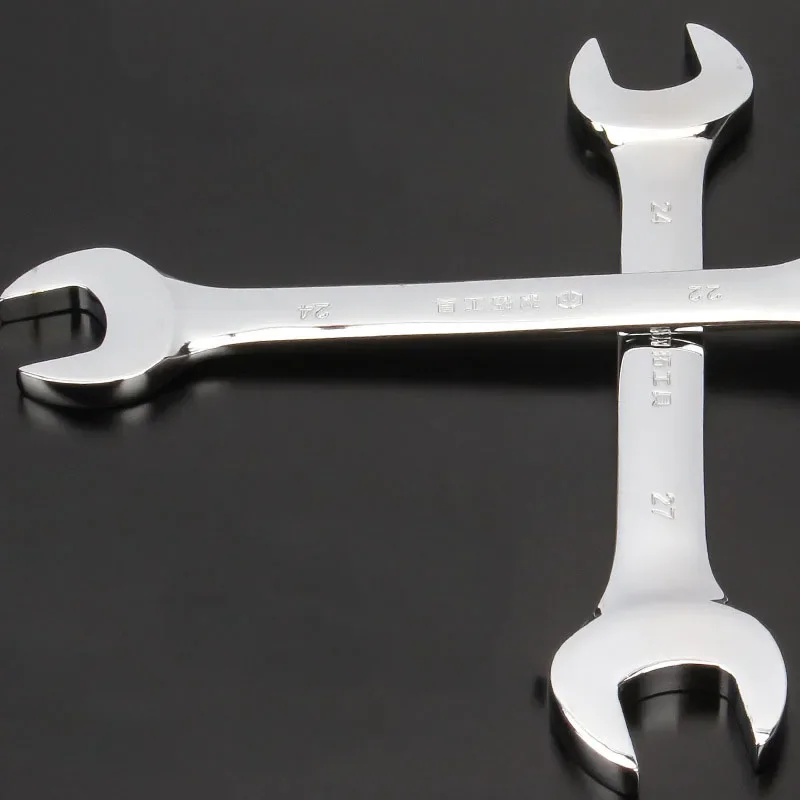
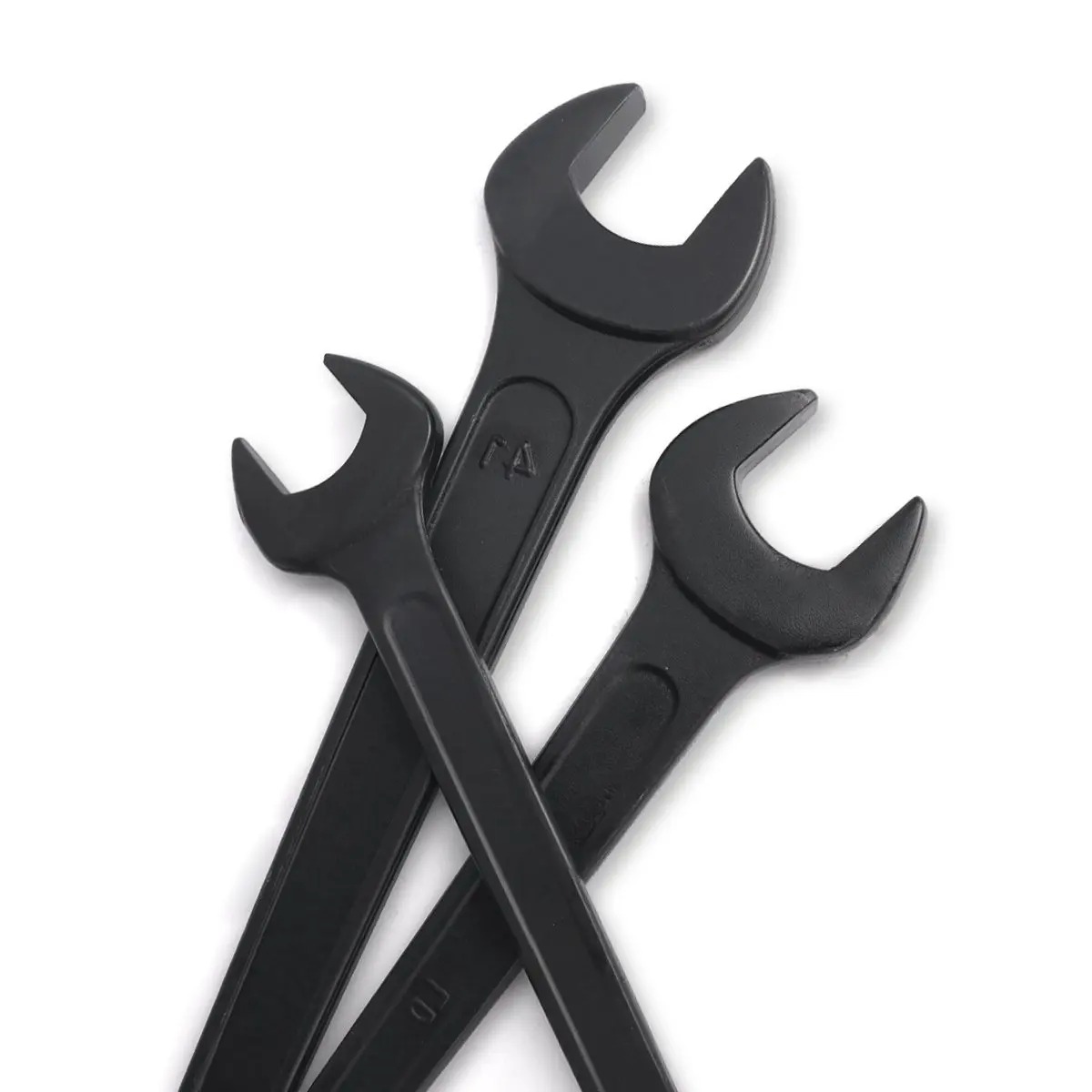
An open-ended wrench is a hand tool used to tighten or loosen nuts and bolts. It has a U-shaped opening at one or both ends. This shape is designed to grip two opposite sides of a nut or bolt head. Open-ended wrenches come in various sizes to match different fasteners. They are versatile and a must-have for assembling or repairing items.
Key features of an open-ended wrench
- U-shaped Jaw: This unique design allows access to nuts and bolts in tight spaces.
- One or Two Ends: Some have a single head, while others feature two with different sizes.
- Angled Tips: The wrench ends typically angle at 15 degrees for better grip and access.
- Non-Slipping Grip: High-quality ones provide firm friction to reduce the chance of slipping.
- Compact Design: Lightweight and easy to handle, making it suitable for various applications.
Common materials used in making open-ended wrenches
- Carbon Steel: Known for its durability and affordability, commonly used for basic wrenches.
- Alloy Steel: Often added with chrome or other metals to improve strength and resist rust.
- Chrome Vanadium: Preferred for its high strength and resistance to corrosion.
- Stainless Steel: Provides excellent rust resistance, ideal for wet or harsh environments.
- Aluminum Alloy: Lightweight and easy to use, though less durable than steel options.
By understanding its features and materials, you can select the best wrench for your needs.
Types of Open-Ended Wrenches
Open-ended wrenches come in various types to suit different tasks and preferences. Understanding their classifications helps in making the right choice for specific applications.
Single-end vs. double-end wrenches
Single-End Wrenches:
- Feature one U-shaped jaw on one end.
- Easier to handle due to their simpler design.
- Suitable for situations needing access to one specific size nut or bolt.
Double-End Wrenches:
- Have two U-shaped jaws at opposite ends.
- Each end comes in different sizes.
- Offer flexibility since one tool can handle two sizes.
- Ideal for multi-nut and bolt tasks where switching sizes is frequent.
Metric vs. imperial open-ended wrenches
Metric Wrenches:
- Sizes are based on the metric system, measured in millimeters.
- Commonly used outside the United States.
- Suitable for parts manufactured with metric measurements.
Imperial Wrenches:
- Sizes follow the imperial system, measured in inches.
- Popular in the United States and specific industries.
- Designed for fasteners with inch-based sizing.
Choosing between these types depends on the task. For instance, metric wrenches are often used in European or Asian-made equipment, while imperial wrenches are perfect for American fittings. Single-end and double-end variations cater to different preferences in tool handling and versatility, so the type needed depends on your working environment and frequency of application.
 Choosing the Right Open-Ended Wrench
Selecting the correct open-ended wrench is essential for efficiency and safety. This section will guide you on choosing the right tool for specific tasks and fasteners.
Factors to consider for the right size and fit
- Measurement System: Identify if the fastener uses the metric or imperial system. Use metric wrenches for millimeter-sized fasteners, and imperial wrenches for inch-sized fasteners.
- Size Accuracy: Match the wrench size accurately with the fastener. A loose fit increases the risk of stripping.
- Task Requirements: Choose single-end wrenches for simpler tasks and double-end wrenches for versatile use.
- Working Space: Evaluate the space available around the fastener. For tight spots, use wrenches with compact or angled heads.
- Material Strength: Select durable materials like chrome vanadium or alloy steel for heavy-duty tasks. Use lightweight options like aluminum alloy for easy handling in less demanding applications.
- Grip and Handle Design: Ensure the handle provides a comfortable and non-slip grip. Ergonomic designs improve precision and reduce strain.
Compatibility with different fasteners
- Types of Fasteners: Know the specific type of fasteners being used—hexagonal bolts, square nuts, or others.
- Unique Shapes: For irregularly shaped fasteners, ensure the wrench jaws fit snugly around the surfaces.
- Bolt Conditions: Check if the bolts are rusted, painted, or damaged. Stronger materials like alloy steel may handle tougher bolts better.
- Application Environment: Opt for stainless steel wrenches in wet or corrosive environments to prevent rust development.
Making the right choice involves understanding the fastener’s measurements, your workspace, and the task’s demands. Choosing a high-quality open-ended wrench enhances your efficiency and protects your tools and fasteners from unnecessary wear and damage.
Proper Technique to Use an Open-Ended Wrench
Using an open-ended wrench properly ensures safety and prevents damage to fasteners. Follow the techniques below for effective use.
Step-by-step guide to using an open-ended wrench
- Select the Correct Wrench Size: Match the wrench size to the fastener precisely. Avoid loose fits.
- Inspect the Fastener: Check for rust, dirt, or damage on the nut or bolt head. Clean it if needed.
- Position the Wrench Correctly: Slide the U-shaped jaw of the wrench onto the fastener securely.
- Adjust Your Angle: Align the wrench at an ergonomic angle, usually with the handle perpendicular to the fastener axis.
- Apply Controlled Force: Grip the handle firmly. Turn slowly in the required direction to tighten or loosen.
- Avoid Over-Tightening: Turn until snug. Over-tightening can strip threads or damage the fastener.
- Recheck the Fit: Ensure the fastener sits securely after tightening or loosening.
Tips for maintaining grip and avoiding damage
- Use High-Quality Wrenches: Choose durable materials like chrome vanadium for better grip and longevity.
- Ensure a Non-Slip Handle: Opt for wrenches with textured or rubberized grips to reduce slippage.
- Keep the Wrench Clean: Wipe away oil or grease to maintain a firm grip.
- Apply Force Properly: Push downward or pull steadily—avoid jerking movements that may cause slipping.
- Use Lubrication: Apply penetrating oil on rusty or stiff fasteners to loosen them gently.
- Avoid Using Extensions: Do not use pipe extensions for leverage, as they might damage the wrench.
- Store Wrenches Carefully: Keep tools in dry, safe places to avoid rust or wear.
By following these steps and tips, you can work efficiently while prolonging the life of your open-ended wrench. Proper technique not only simplifies tasks but also ensures user safety.
 Common Applications of Open-Ended Wrenches
Open-ended wrenches are essential in many industries and everyday tasks. Their versatility makes them a valuable tool for professionals and hobbyists alike.
Industries and tasks where open-ended wrenches are commonly used
- Automotive Repair: Open-ended wrenches are crucial for tightening or loosening bolts in vehicles. Mechanics use them on engine components, brake systems, and exhaust parts due to their ability to access tight spaces.
- Construction: Construction workers often use these wrenches for assembling scaffolds, frames, and other equipment. Open-ended wrenches can handle various bolt sizes, making them a reliable choice for multi-use tasks.
- Plumbing: Plumbers rely on open-ended wrenches to adjust or replace pipe fittings and fixtures. Stainless steel wrenches are particularly effective in wet or rust-prone environments.
- Electrical Installation: Electricians use open-ended wrenches for securing or removing hardware in electrical panels or machinery. Compact designs allow access to confined areas safely.
- Manufacturing and Assembly: Factory workers use these tools for machinery installation or maintenance. Their versatility makes production line tasks more efficient.
- DIY and Home Projects: Homeowners use open-ended wrenches for furniture assembly, bike repairs, and small household fixes. They are a simple yet effective tool for personal projects.
Practical examples of everyday use
- Fixing a Bicycle: Open-ended wrenches are helpful for adjusting handlebars or tightening wheel bolts. Their compact size ensures ease of use on small parts.
- Assembling Furniture: Many furniture items, such as chairs and tables, involve assembling with bolts. Open-ended wrenches simplify this process.
- Home Repairs: From fixing a leaky faucet to tightening loose screws, these wrenches are reliable tools.
- Adjusting Garden Equipment: Garden tools or outdoor furniture often have bolts that these wrenches can tighten effectively.
- Car Maintenance: Whether replacing a battery or working on small vehicle hardware, they are indispensable for quick fixes.
- Building Projects: During renovations or DIY building activities, open-ended wrenches help secure bolts.
These tools excel in a variety of applications due to their simplicity, versatility, and ability to tackle tasks in confined spaces. By keeping a set in your toolkit, you ensure you are always prepared for emergencies or everyday needs.
Advantages of Open-Ended Wrenches
Open-ended wrenches are everyday tools with several advantages over other types of wrenches. They are popular because of their simplicity, versatility, and effectiveness across various tasks. Below, we explore the reasons why they are a must-have in every toolkit.
Benefits over other types of wrenches
- Ease of Access in Tight Spaces: Open-ended wrenches can reach fasteners in confined areas due to their slim design.
- Quick Positioning: The U-shaped jaws allow users to slide the wrench onto fasteners with minimal effort, saving time.
- Dual Functionality: Double-end wrenches offer two different sizes in one tool, making them versatile and convenient.
- No Socket Needed: Unlike socket wrenches, open-ended wrenches do not require additional components, reducing tool clutter.
- Lightweight and Portable: Their compact, simple structure ensures they are easy to carry and handle.
- Durability: Made from materials like chrome vanadium and alloy steel, they are long-lasting and reliable.
These features make open-ended wrenches ideal for tasks requiring flexibility, speed, and convenience.
Why they are essential in a toolset
- Versatility: Open-ended wrenches can handle a wide range of nut and bolt sizes.
- Universal Applications: Suitable for various industries like plumbing, automotive, and construction.
- Simplifies Repairs: Their straightforward design makes them perfect for quick fixes and adjustments.
- Low Cost: Open-ended wrenches are affordable compared to more complex tools like torque wrenches.
- User-Friendly: Easy to learn and use, even for beginners or hobbyists.
- Durable Design: High-quality materials ensure they withstand daily use and exposure to different environments.
Adding open-ended wrenches to your toolkit guarantees readiness for numerous tasks, from home repairs to professional applications. Their advantages lie in their simple design, efficiency, and widest usability, making them an essential tool for professionals and DIY enthusiasts alike.
 Maintenance and Care for Open-Ended Wrenches
Proper maintenance ensures your open-ended wrench stays effective and lasts longer. Follow these steps to keep it in great condition.
Cleaning and storing your wrench
- Clean After Use: Wipe the wrench with a clean cloth to remove dirt and grease.
- Use Soapy Water: For tougher grime, wash with warm water and mild soap, then dry completely.
- Rust Prevention: Apply a thin coat of oil to metallic surfaces to avoid rust formation.
- Inspect Regularly: Look for damage, like cracks or misalignments, before storing.
- Organized Storage: Keep wrenches in a designated tool box or holder to prevent loss or damage.
- Avoid Moisture: Store tools in a dry location to protect them from humidity and rust.
Good cleaning and storage practices ensure the wrench stays functional and ready for use.
Identifying and fixing wear and tear issues
- Inspect for Damage: Check for worn jaws, rust, or cracking regularly.
- Fix Minor Issues: Use sandpaper to remove rust from small areas and reapply lubricant.
- Straighten Bent Wrenches: If the wrench has a slight bend, carefully straighten it using a vise or mallet.
- Replace Worn Tools: Replace wrenches with heavily damaged jaws to ensure proper grip.
- Protect Coating: Avoid abrasive cleaners to prevent removing protective coatings.
- Routine Maintenance: Schedule regular assessments to identify issues before they worsen.
Taking care of wear and tear prolongs the lifespan and performance of your open-ended wrench. Proper maintenance protects your investment and ensures reliable usability.
Frequently Asked Questions
Can I use an open ended wrench on rounded bolts?
No. Use a gripping tool instead. Damaged fasteners need special removal methods.
Are open ended wrenches safe for high-torque jobs?
Only if used correctly. For high torque, switch to a box-end or socket wrench.
What’s the difference between open end and box end?
Open end slides on from the side. Box end wraps fully around the nut. It offers more grip.
Do I need both metric and standard wrenches?
Yes. Many machines use both. Own a set of each for full coverage.
Can I use pliers with an open ended wrench?
Not recommended. Pliers can damage the wrench or fastener.
How do I stop my wrench from slipping?
Ensure full jaw contact. Pull toward you. Replace worn tools.
Where should I buy quality open ended wrenches?
Choose hardware stores or online retailers. Look for trusted brands.
Are adjustable wrenches better than open ended ones?
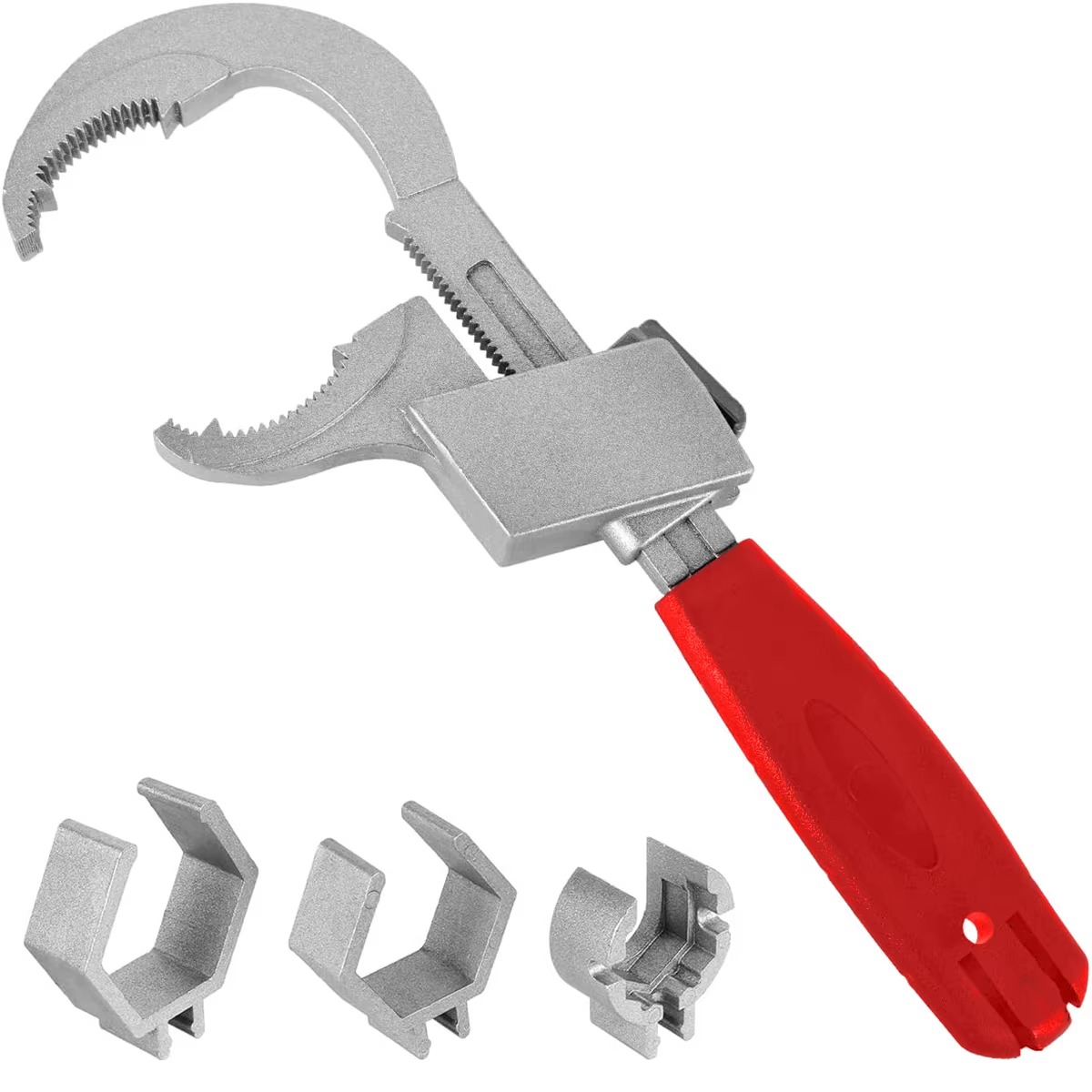
No. Fixed wrenches fit better. Adjustable types can loosen during use.
Final Thoughts
The open ended wrench remains a cornerstone of hand tool kits. It combines speed, precision, and adaptability in one simple design. From household repairs to professional garages, it serves countless roles.
Its ability to work in confined areas makes it irreplaceable. No other tool matches its side-access feature. When space is tight, the open ended wrench gets the job done.
With proper selection, use, and care, it lasts for decades. It supports efficiency, safety, and confidence.
For anyone building a toolkit, starting with a solid open ended wrench is smart. It’s a small investment with lasting returns.
Whether you’re a beginner or expert, owning this tool ensures readiness. And that’s why the open ended wrench will always have a place in every toolbox.