Master the Technique: How to Use a Tension Wrench Safely
A tension wrench is a vital tool in the world of lock manipulation. It plays a central role when picking locks manually. Without it, most pin tumbler locks cannot be opened using traditional methods. This small, often L-shaped or straight metal tool applies rotational pressure to the lock’s plug. At the same time, a pick lifts the internal pins into alignment. The combination allows the plug to turn freely. As a result, understanding how to use a tension wrench is essential for locksmiths, security professionals, and hobbyists alike.
Moreover, tension wrenches come in various shapes and sizes. Each design suits different lock types and user preferences. Whether you’re working on a door knob, padlock, or deadbolt, choosing the right model improves success. Its simplicity hides its importance. A proper technique with a tension wrench makes all the difference.
 Introduction
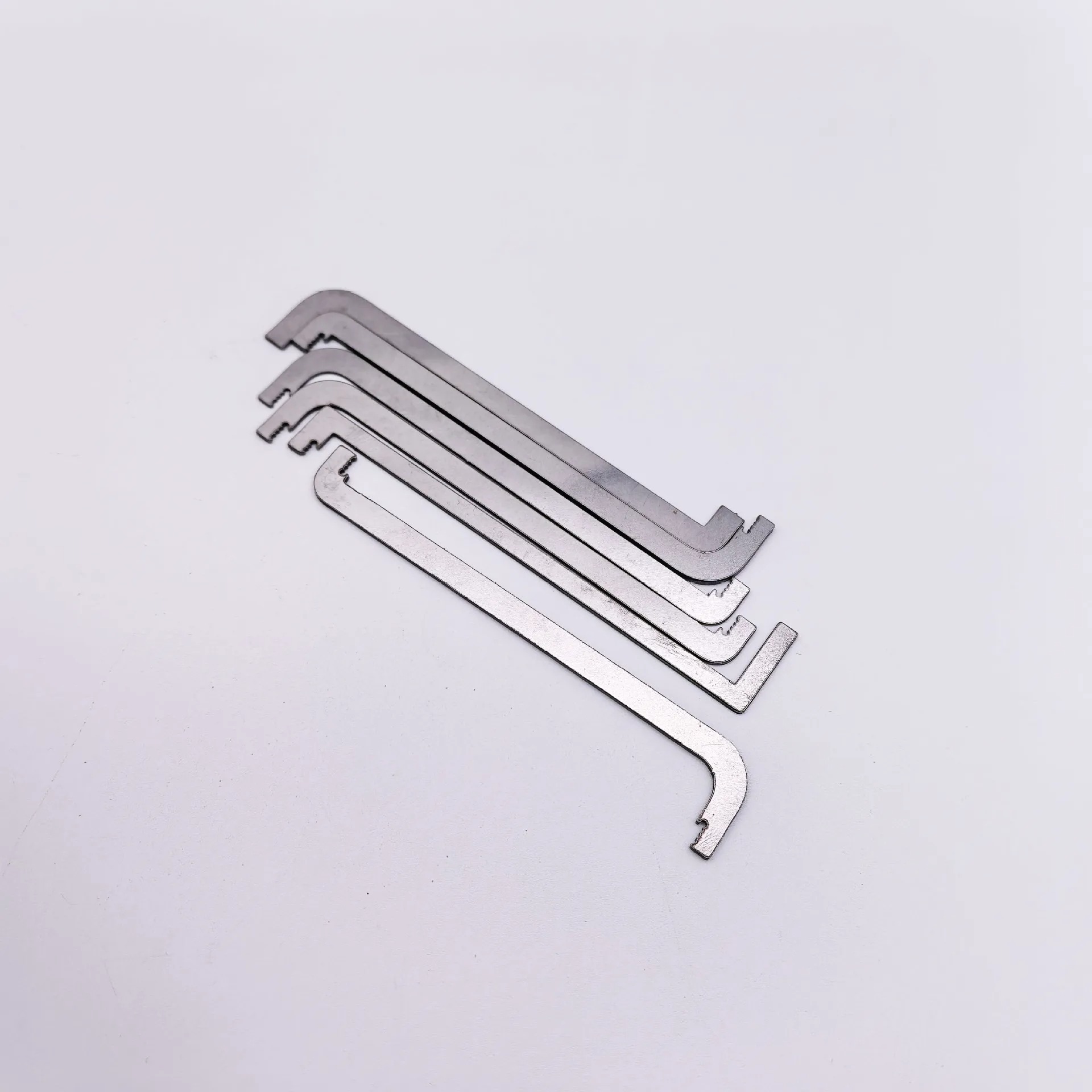
A tension wrench is a vital tool in the world of lock picking. It is a small, L-shaped device usually made from metal. Its primary function is to apply rotational pressure to a lock’s plug.
Locks function through a series of pins or wafers. These components prevent the plug from rotating unless aligned properly. The tension wrench helps by mimicking the turning motion of a key to hold pins in place temporarily.
This tool is crucial in setting the proper tension. Without it, picking individual pins would be impossible. A tension wrench works in coordination with lock picks. While one tool presses pins to their shear line, the wrench rotates the plug.
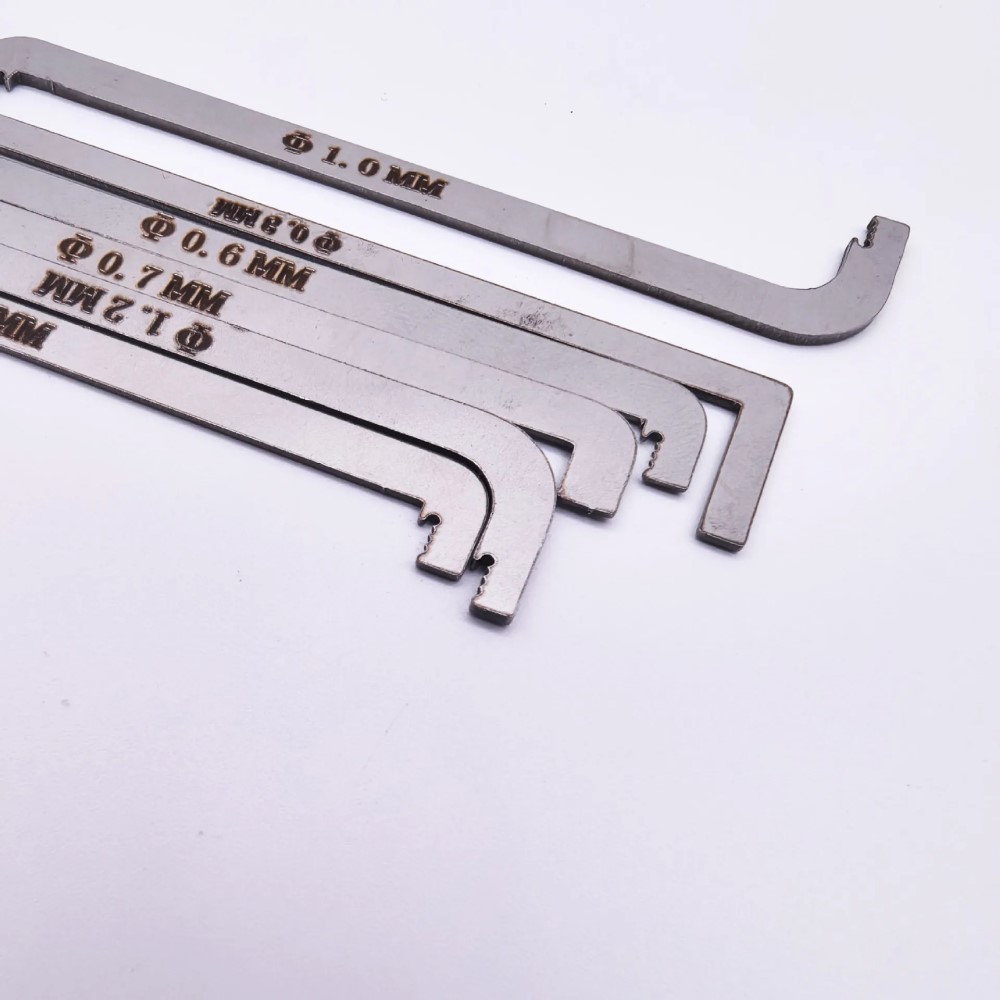
The design of a tension wrench is simple but effective. It typically features a longer handle for grip and a shorter end for insertion into the lock. Some advanced versions include features like a twist in the shaft for better torque control.
In summary, a tension wrench is essential for opening locks without keys. It serves as the foundation tool in lock picking. Practical and easy to use, understanding its role is the first step towards mastering lock picking.
Types
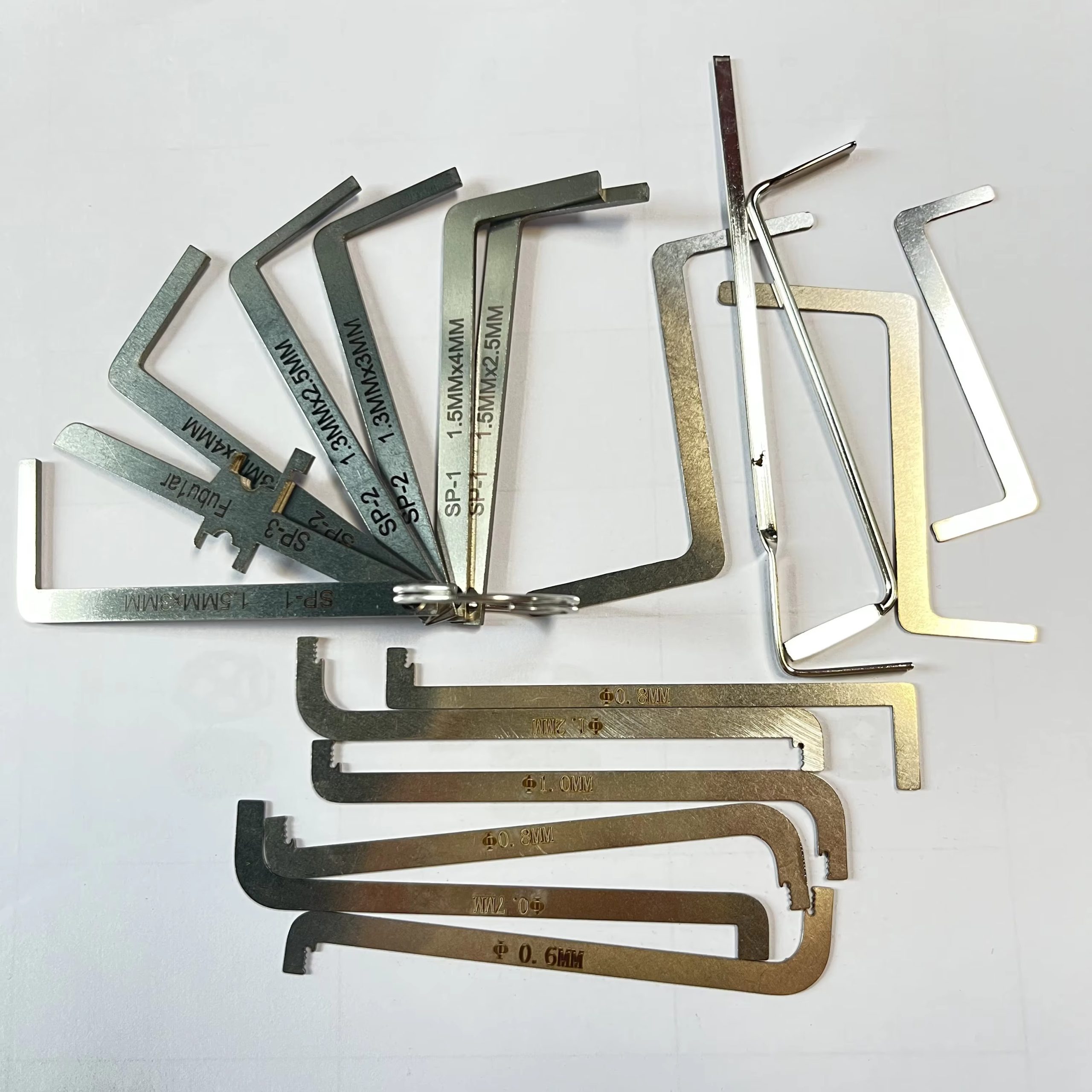
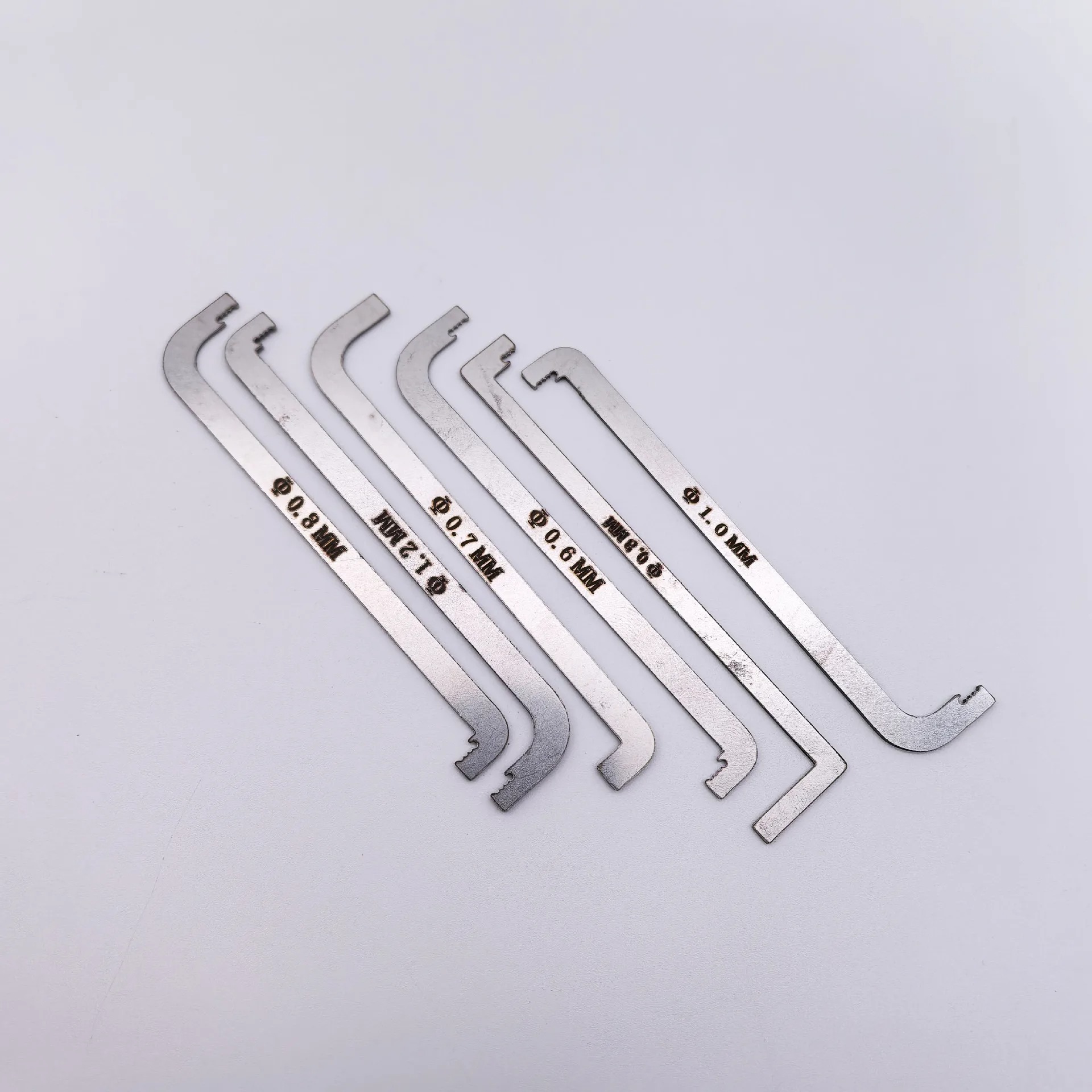
Tension wrenches come in several types, each suitable for specific lock-picking situations. Choosing the right one can significantly improve your efficiency and success rate.
Standard Tension Wrench
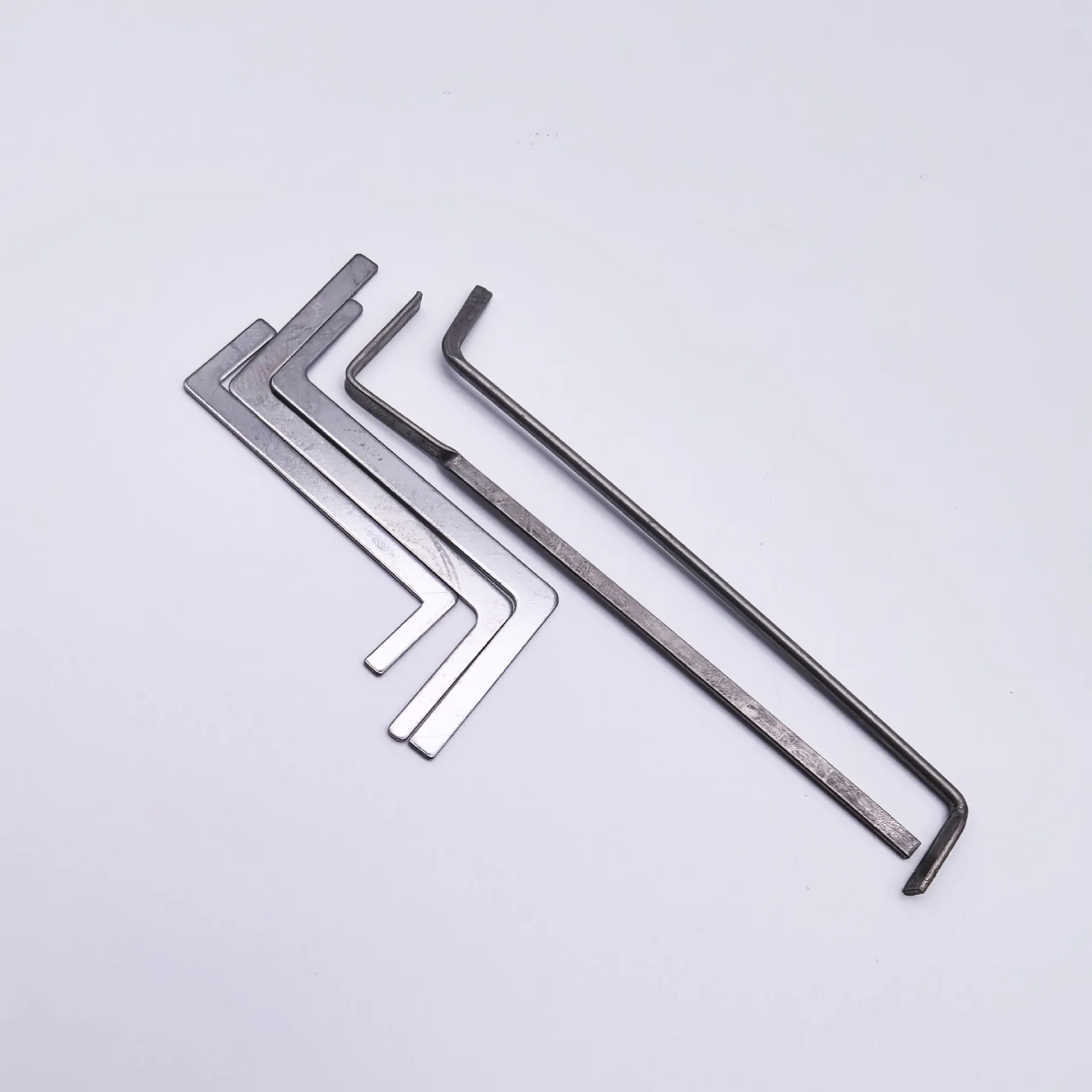
The standard tension wrench is the most common type. It has a simple L-shaped design. One end is used for gripping, while the shorter end goes inside the lock. It’s perfect for general lock-picking tasks.
Twisty Tension Wrench
The twisty tension wrench has a twist in its shaft. This twist improves torque control during use. It’s ideal for more complex locks where precision is needed to set the pins correctly.
Double-Ended Tension Wrench
This wrench features two different lengths at each end. It offers versatility and adaptability. If you often encounter locks of varying sizes, this is an excellent choice for you.
Z-Bar Tension Wrench
The Z-bar tension wrench has a Z-shaped design. It provides better grip and stability. This design is beneficial in locks with small or narrow keyways.
Circular Tension Wrench
Circular tension wrenches are less common but highly useful. They provide continuous rotational pressure. Locksmiths often use them for maintaining consistent torque.
Specialty Tension Wrenches
Some tension wrenches are designed specifically for unique lock types. For example, tubular locks require specialized tension tools. These are essential for professionals handling a wide range of locks.
Choosing the Right Type
Select the type of tension wrench based on the lock you’re working on. For beginners, standard and twisty tension wrenches are great starting points. Advanced users may prefer specialty or Z-bar wrenches for challenging locks.
By understanding these types, you can choose the right tension wrench for any situation. Mastering their use helps tremendously in the art of lock picking.
The Role of a Tension Wrench in Lock Picking
A tension wrench is the backbone of lock picking, enabling precision and control. It applies rotational pressure to a lock’s plug, mimicking the action of a key. This pressure is essential in aligning the pins or wafers inside the lock.
When you insert a tension wrench into a lock, you essentially create the conditions needed to pick it. The tension wrench keeps the lock’s cylinder slightly rotated. This creates a binding effect on the pins, allowing them to be set one by one using a lock pick.
Without a tension wrench, the lock pins would constantly fall back into place. This would make it impossible to successfully pick the lock. The wrench holds pins at their shear line, making further manipulation easier.
The tension wrench also determines how much force you apply during the lock-picking process. Using too much tension can make pins harder to move. Too little tension may cause them to reset. Finding the right balance is critical for success.
Many advanced lock-picking techniques rely on the tension wrench for accuracy. For instance, the “raking” method involves quick, repetitive movements of the pick. Throughout this process, the tension wrench maintains consistent pressure on the lock’s core, ensuring pins stay in place.
In summary, the tension wrench is an indispensable tool for lock picking. Its role involves applying the right amount of tension and holding pins correctly. Mastering its use is a fundamental skill for any aspiring lock picker.
 Techniques for You
Mastering the use of a tension wrench involves learning specific techniques. These methods ensure better control and precision while picking locks.
1. Apply Light Tension
Always start with light tension. Heavy pressure can cause pins to bind incorrectly. Gradually increase pressure if necessary to achieve the right balance.
2. Rotate the Correct Way
Determine the plug’s turning direction. Try both directions to find minimal resistance. This ensures you are applying tension the correct way for unlocking.
3. Keep the Wrench Steady
Consistency is key. Hold the tension wrench steady throughout the process. Sudden movements can reset pins and ruin progress.
4. Adjust Pressure Accordingly
Each lock requires different pressure levels. Practice with various locks to learn adjustment techniques. Developing a feel for this is vital.
5. Use the Right Grip
Choose a comfortable grip. Some use a pencil-like grip, others prefer holding it between fingers. Experiment and find what works best for you.
6. Combine with Precise Picking
While applying tension, move the lock pick carefully. Focus on aligning pins gently. This coordination is essential for effective lock picking.
7. Practice Torque Control
Advanced methods require better torque control. Use tools like a twisty tension wrench for finer adjustments. Develop a sense of torque through consistent practice.
By mastering these techniques, you’ll enhance your proficiency with a tension wrench. Practice regularly to refine your skills and improve success in lock picking.
Common Mistakes
Using a tension wrench effectively requires skill and practice. Beginners often make errors, which can lead to frustration or failure. Here are common mistakes to avoid when using a tension wrench in lock picking:
1. Applying Too Much Tension
One common mistake is applying too much force to the tension wrench. Excess pressure can bind the pins too tightly, making them nearly impossible to move. Always start with light pressure and adjust as needed.
2. Not Applying Enough Tension
On the other hand, insufficient tension is another common error. If the wrench is too loose, the lock pins won’t stay in place. This prevents successful picking and resets your progress.
3. Using the Wrong Type of Tension Wrench
Choosing an unsuitable tension wrench is a frequent issue. Each lock requires a specific type, such as a standard, twisty, or Z-bar wrench. Using the wrong tool can make picking much harder or even damage the lock.
4. Incorrect Direction of Rotation
A typical mistake is applying tension in the wrong direction. You need to rotate the lock in the same direction as the key turns. If unsure, test both directions to check which way offers less resistance.
5. Failing to Maintain Steady Pressure
Many beginners fail to keep the wrench steady during the process. Wobbly or inconsistent pressure can cause the lock pins to reset. Always hold the wrench firmly and maintain a consistent angle throughout.
6. Ignoring the Feedback
Tension wrenches offer feedback through slight resistance changes. Beginners often don’t pay attention to these signals. Learn to feel these subtle clues to improve your technique.
7. Lack of Patience
Impatience can lead to mistakes like using excessive force or rushing through the process. Lock picking requires a calm and steady hand. Take your time and stay focused.
Avoiding these common mistakes can make a big difference in your success with a tension wrench. Practice consistently to develop skill and confidence. With time, you’ll learn to handle different locks with finesse and expertise.
 How to Choose the Right One for Your Needs
Selecting the right tension wrench can greatly impact your success in lock picking. Each type serves a unique purpose and is designed for specific situations. Here’s how to make the right choice:
Understand Lock Type and Size
Determine the type and size of the lock you work with. Small locks often require thinner or Z-bar wrenches. Larger locks may need standard or twisty wrenches. Match the wrench size to the lock’s keyway for a better fit.
Consider Your Experience Level
For beginners, start with standard tension wrenches. They are simple to use and versatile. Advanced users may prefer specialty wrenches, such as double-ended or twisty designs. Choose based on your skill and comfort level.
Assess the Level of Precision Needed
Complex locks often require precise tension control. If accuracy is critical, opt for a twisty or circular wrench. These tools offer fine torque adjustments to help you succeed.
Think About Material and Quality
Choose durable wrenches made from high-quality metal. Reliable tools improve performance and last longer. Avoid cheap materials that may bend or break easily.
Explore Specialty Options
If you work with unique locks like tubular designs, invest in specialty tension wrenches. These tools cater to specific lock mechanisms, enhancing your efficiency.
Test Different Grip Styles
Comfort is essential during lock picking. Try various wrench designs to see which grip suits you best. A well-fitting tool can avoid hand fatigue and offer better control.
Consider Versatility
If you encounter a range of locks, choose versatile tools. Double-ended designs or adjustable wrenches are excellent for adapting to varied scenarios.
Choosing the right tension wrench ensures better control and improves lock-picking skills. Evaluate your needs carefully to find the perfect tool for your tasks. Regular practice with your chosen wrench is key to mastering lock picking.
Tips and Tricks for Improving Your Skills with a Tension Wrench
Improving your skills with a tension wrench requires focus, practice, and smart techniques. Here are valuable tips and tricks to enhance your lock-picking abilities:
Practice Regularly
The key to mastering any tool is frequent practice. Dedicate time daily to refine your movements. Experiment with different locks to understand how each responds to your tension control.
Start with Simple Locks
Begin with basic padlocks or simple door locks. These locks are easier to understand and handle. Success with simpler locks built confidence for more challenging ones.
Use Visual Aids
Watch videos or animations on tension wrench use to learn proper techniques. Visual aids can clarify processes that might seem complicated in text form.
Develop Finger Dexterity
Strong yet precise finger control is essential. Practice holding the wrench steadily with a light grip. Flex and exercise your fingers regularly to improve dexterity.
Test and Adjust Tension
Locks require varied tension levels. Start with minimal tension and gradually increase as needed. Pay attention to lock feedback to find the right balance.
Focus on Pin Feedback
Learn to detect pin movement through the wrench. This tactile feedback tells whether the pins are setting correctly. Patience and attention help you read these subtle signals.
Experiment with Different Wrenches
Each tension wrench offers unique benefits. Try using standard, twisty, or Z-bar designs. This experimentation enhances your adaptability to lock-picking situations.
Seek Professional Tips
Expert locksmiths or seasoned lock pickers often share valuable advice. Attend workshops or join online forums to learn advanced methods.
Keep Tools Well-Maintained
Clean and check your tension wrenches regularly. Sharp bends or worn parts can reduce effectiveness. Reliable tools improve the ease of mastering techniques.
Stay Calm and Patient
Tension wrench skills improve with time and steady focus. Rushing or stressing leads to errors. Maintain a relaxed and patient attitude throughout practice.
By applying these tips and tricks, you’ll master the tension wrench quickly and enhance your lock-picking skills. Dedicate consistent effort and stay curious about learning new methods.
 Safety Considerations and Legal Aspects of Using a Tension Wrench
Using a tension wrench requires careful attention to safety and legal guidelines. Misuse can lead to unwanted consequences.
Safety Considerations
- Wear Protective Gear: Always wear gloves to avoid slipping or injuring your fingers.
- Inspect Your Tools: Check your tension wrench for bends, cracks, or damage before use.
- Avoid Excessive Force: Applying too much pressure can damage the lock or injure your hand.
- Work in Well-Lit Areas: Adequate lighting reduces mistakes and ensures precision while using the tension wrench.
- Practice Caution with New Techniques: When trying new techniques, start gently to avoid breaking the lock or the tool.
- Secure Your Workspace: Ensure a steady surface to work on. Unstable platforms may lead to accidents.
- Store Tools Properly: Keep your tension wrench and tools in a safe place. This prevents loss or accidental harm.
Legal Aspects
- Understand Local Laws: Research lock-picking laws in your country or region. Laws vary widely.
- Always Have Proper Permissions: Never attempt to pick a lock if it doesn’t belong to you or you don’t have permission.
- Use for Authorized Purposes Only: Tension wrenches are professional tools. Avoid inappropriate or criminal activities.
- Avoid Suspicious Behavior: Carry tension wrenches only when you have a legitimate reason. This avoids legal scrutiny.
- Be Informed About Licensing Requirements: Some regions require licenses to own or use lock-picking tools. Ensure compliance.
- Take a Professional Training Course: Certified training ensures you are educated about ethical usage.
Failing to follow safety and legal guidelines could risk injury or legal action. Use your tension wrench responsibly and lawfully at all times. These precautions ensure you can practice lock picking as a skill and not as harm.
Frequently Asked Questions
Clear Answers to Common Concerns
Can I carry a tension wrench in public? It depends on local laws. In some areas, carrying lock picks implies criminal intent. Check your state or country rules.
Does a tension wrench work on all locks? No. High-security locks use anti-pick mechanisms. These resist standard tools. Know your limits.
Is it safe to practice on my home locks? Not recommended. Repeated picking wears out pins. Use dedicated training locks instead.
What’s the best way to learn? Join a local group or online course. Start with basic locks. Build confidence gradually.
Do electric picks need a tension wrench? Yes. Even auto-pickers require one. It maintains rotational pressure. The device still needs human input.
Can I buy replacement wrenches easily? Yes. Many retailers sell individual pieces. Kits include spares for frequent use.
Should I modify my wrench? Only if experienced. Files or pliers can shape tips. However, mistakes ruin the tool.
These answers reflect real-world experience. Knowing how to use a tension wrench safely brings lasting value.
Final Thoughts
A Small Tool With Big Responsibility
The tension wrench may seem simple, but it holds great significance. It enables controlled entry. It supports emergency responders. Its impact extends beyond physical function.
When used ethically, it promotes learning and safety. It teaches mechanics, patience, and precision. Hobbyists gain respect for locks and access systems.
Professionals rely on it daily. Locksmiths restore access quickly. Property owners regain peace of mind. Speed and care go hand in hand.
As technology evolves, mechanical locks remain widespread. Understanding them includes knowing how to reset a switch, but also mastering manual tools like the tension wrench.
In the end, this small metal piece represents both challenge and trust. And as long as locks exist, the tension wrench will remain a necessary and respected tool.