How a Drain Wrench Makes DIY Plumbing Repairs Faster
A drain wrench is an essential tool for anyone tackling plumbing issues at home. Whether you’re removing a clogged sink stopper or replacing a worn-out pop-up assembly, this specialized wrench makes the job faster and safer. Unlike regular pliers or adjustable wrenches, a drain wrench fits into tight spaces under sinks. It grips threaded pipes securely without slipping. This reduces damage to fixtures and surrounding cabinetry.
Moreover, understanding how to use a drain wrench correctly improves your DIY success rate. Plumbers rely on them daily. Now, homeowners can too. These tools come in various sizes and styles. Some are made for sink drains. Others target shower strainers or tub waste systems. With the right one, you avoid costly service calls. This guide covers everything you need to know. We’ll explore types, materials, usage tips, maintenance, and where to buy reliable models. By the end, you’ll see why every toolbox should include a quality drain wrench.
 What is a Drain Wrench?
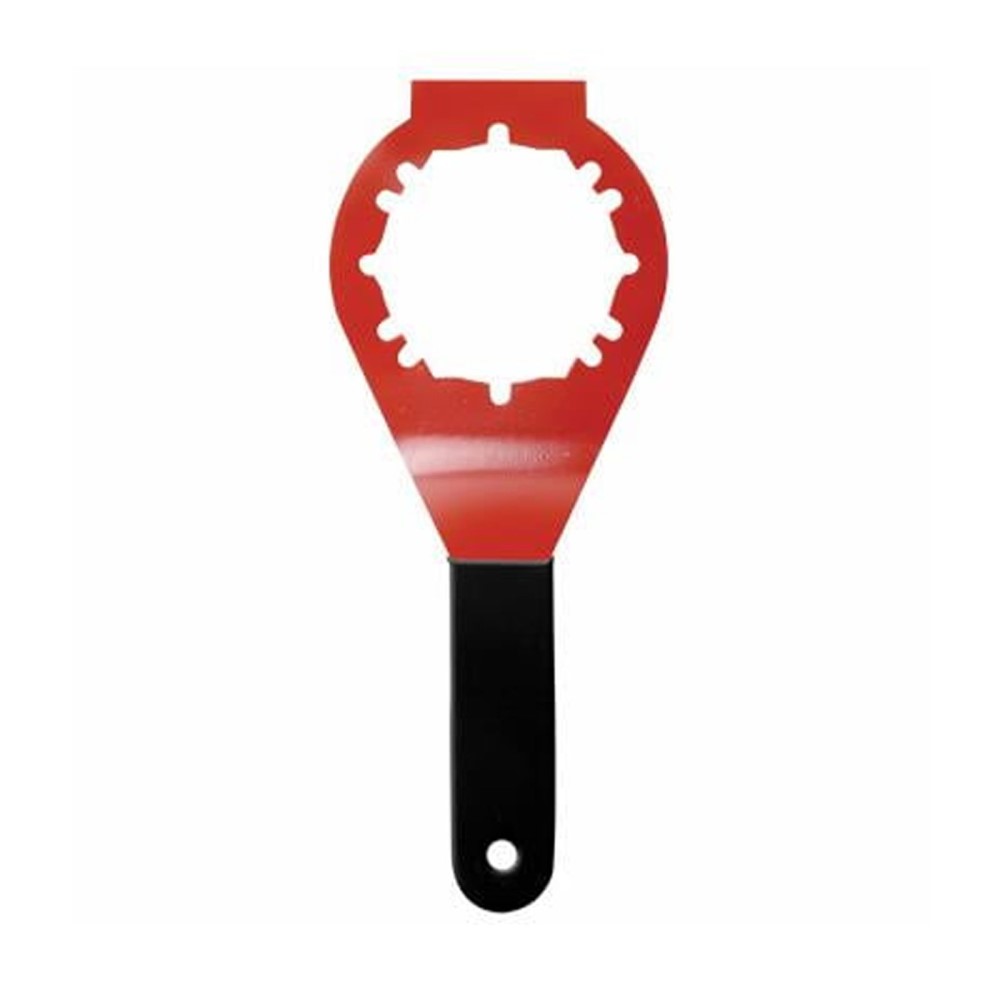
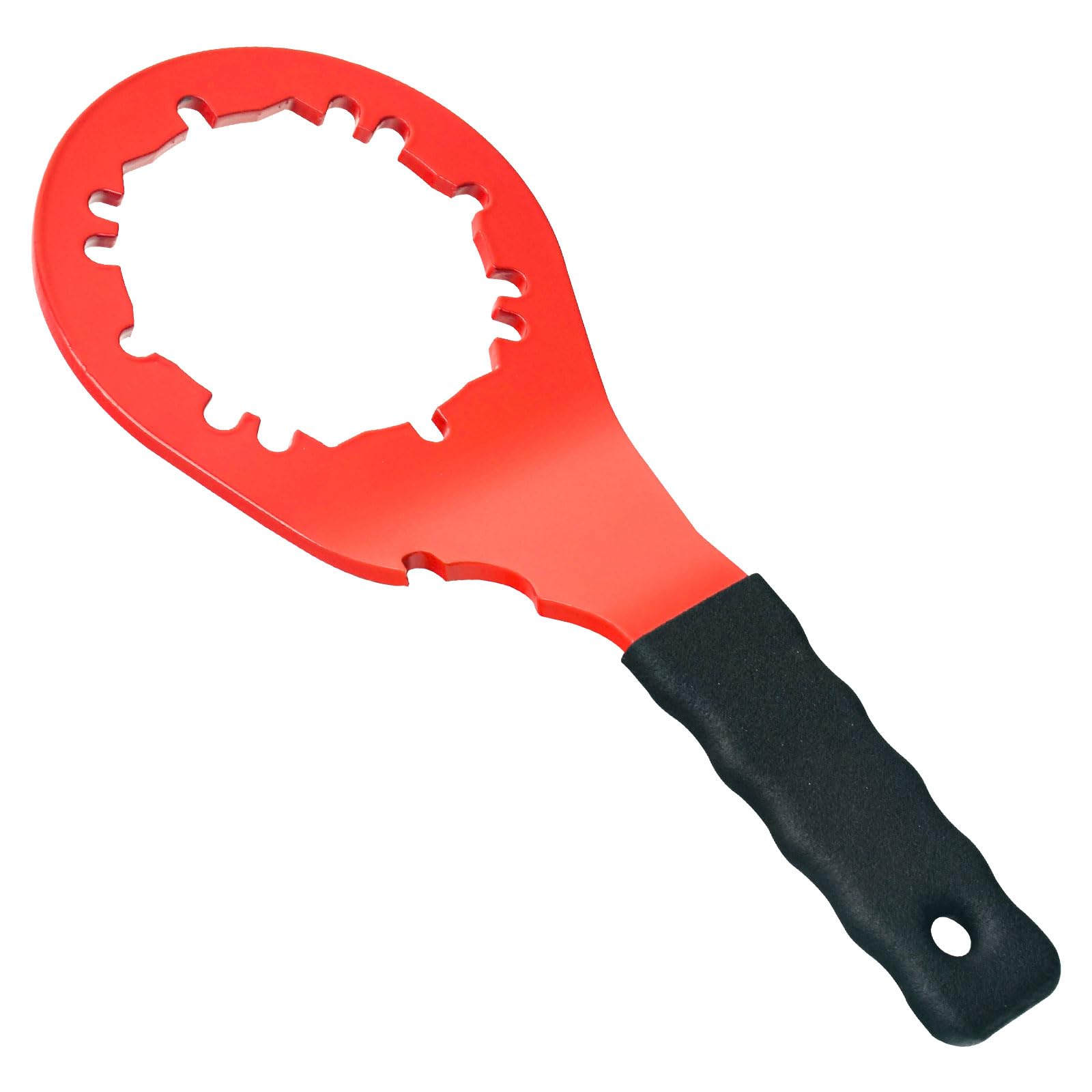
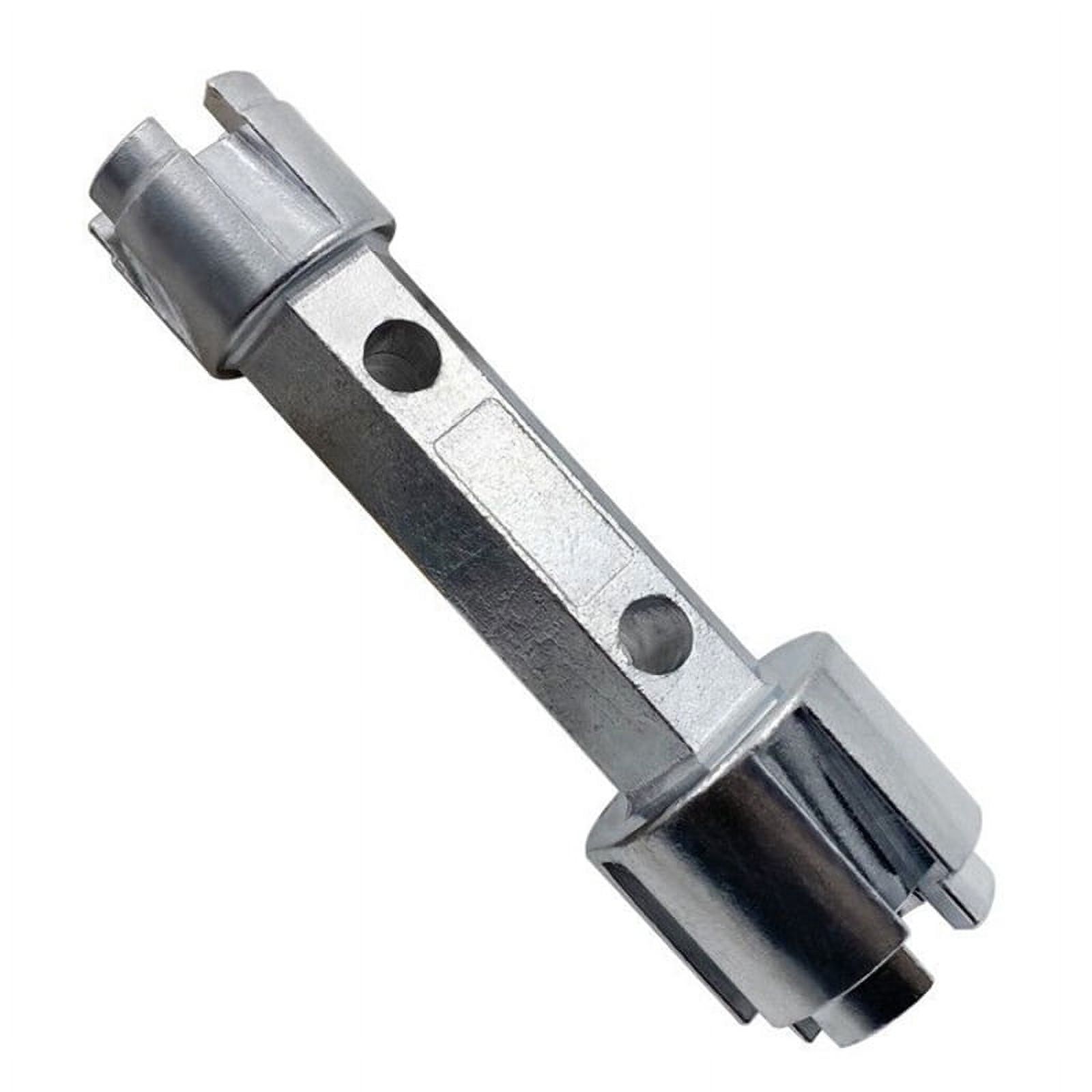
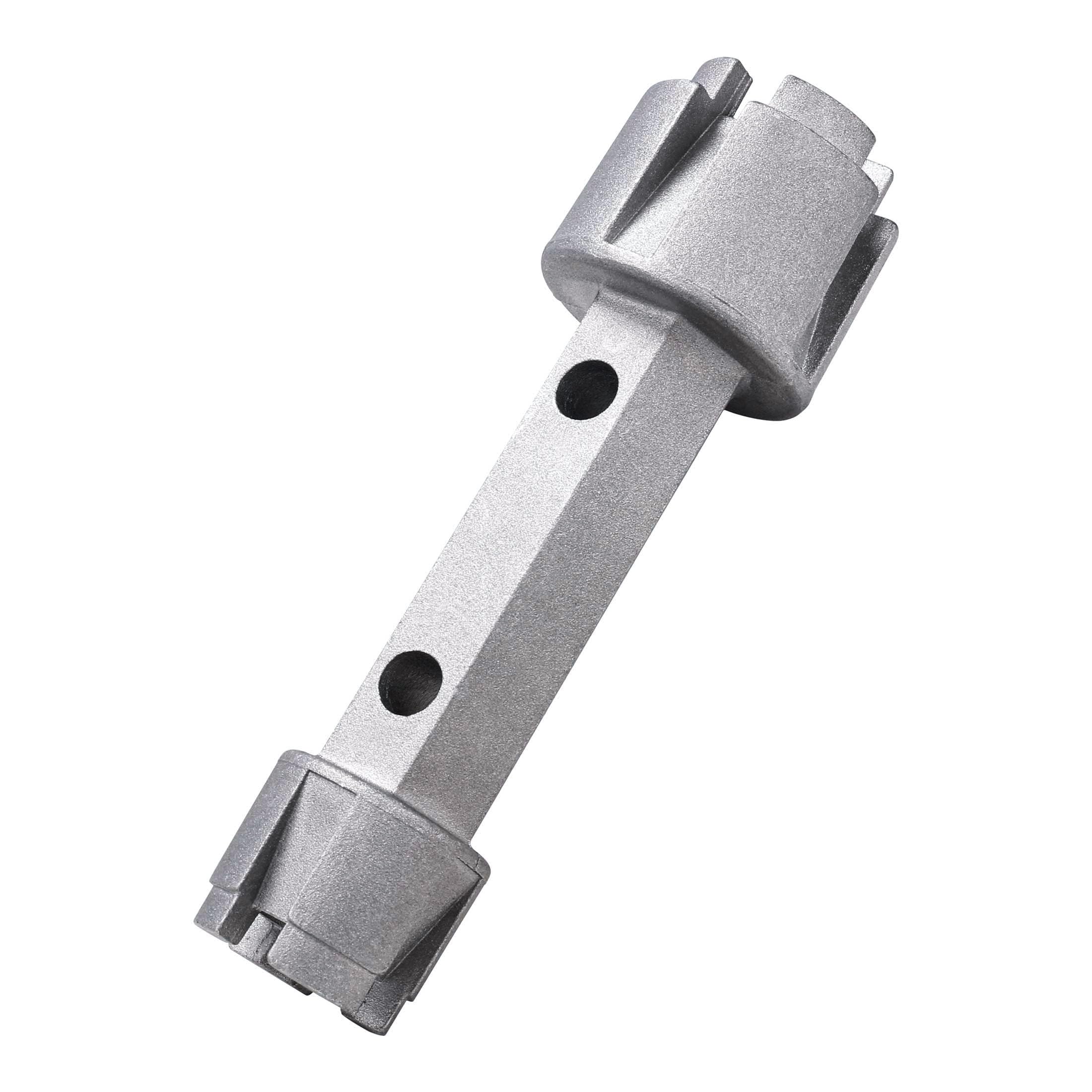
A drain wrench is a specialized tool for plumbing. It is designed to assist in removing and installing drains effectively. This tool comes in various sizes and shapes, suitable for different types of plumbing fixtures.
Drain wrenches have a unique design that makes gripping and turning drains easier. They are typically made of durable metal to withstand pressure and frequent use. Plumbers often rely on drain wrenches for tasks like fixing clogged drains or replacing old ones.
Using a drain wrench ensures that drain components are handled without damage. Unlike regular wrenches, it reduces the risk of scratching or distorting drains during repairs. Homeowners can also benefit from using this tool for simple plumbing maintenance. Whether you are cleaning, repairing, or installing a drain, a drain wrench can make the process smoother.
Overall, the drain wrench is a must-have tool for efficient plumbing work. Its simple design makes it user-friendly for professionals and DIY enthusiasts alike.
Types of Drain Wrenches
Drain wrenches come in different types tailored to various plumbing needs. Choosing the right type depends on the job and drain fixture.
Basket Strainer Wrench
A basket strainer wrench is used to install or remove sink strainers. It has a design suited for gripping strainers tightly.
Tub Drain Wrenches
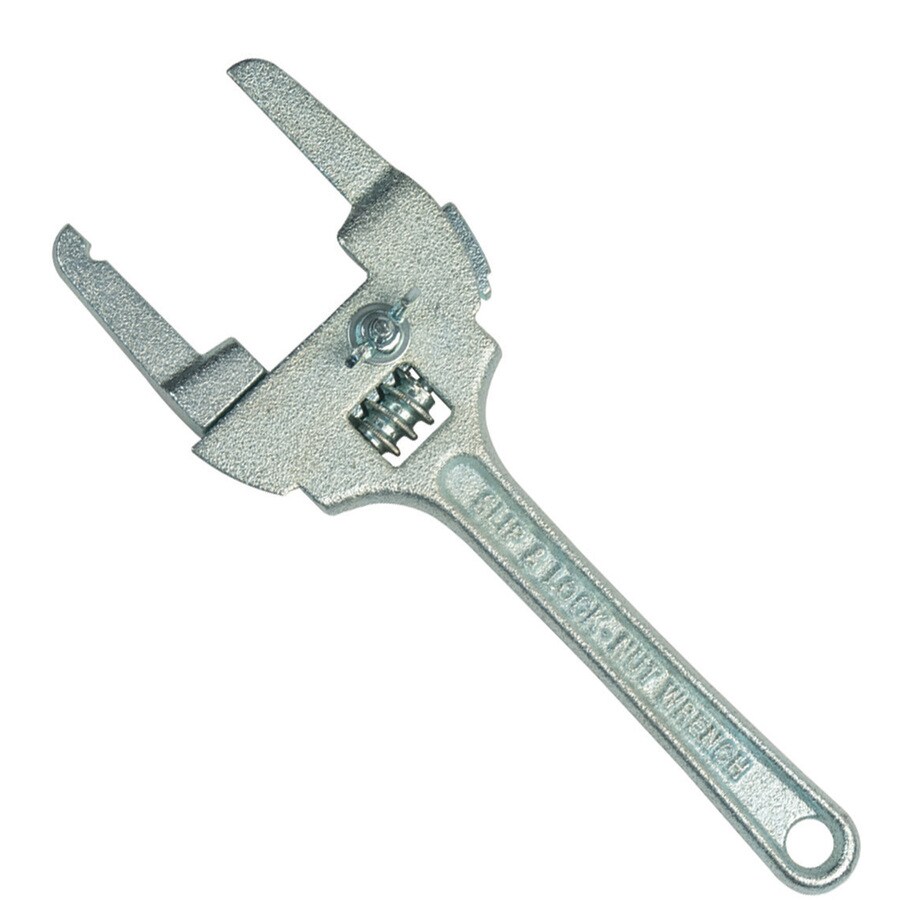
Tub drain wrenches are built for tasks involving bathtub drains. They can remove and install drains easily, thanks to their adjustable jaws.
Hair Trap Wrench
Hair trap wrenches are specifically designed for unclogging bathroom drains that often collect hair. This type of wrench provides precision in handling fragile traps.
Universal Drain Wrenches
A universal drain wrench fits multiple drain types, making it versatile. It’s ideal for users who need one tool for various tasks.
Specialty Wrench
Specialty wrenches are unique and cater to rare or specific plumbing systems. They offer precise functionality for niche applications.
Understanding the types helps select the right wrench for efficient plumbing work. Always assess your plumbing fixture before making a choice.
 When to Use
Knowing when to use a drain wrench is essential for effective plumbing tasks. It helps avoid damage and simplifies the repair process.
- Removing Old Drains: Use a drain wrench for removing worn-out or damaged drains safely. It ensures the drain is removed without harming surrounding fixtures.
- Installing New Drains: A drain wrench is perfect for securely installing new drains. It grips the component tightly, making installation smooth.
- Fixing Clogs: When dealing with clogged drains, a drain wrench can help open fixtures for cleaning.
- Routine Maintenance: Use a drain wrench for routine tightening or adjustments to prevent leaks.
- Handling Bath or Sink Drains: It’s especially useful for tasks involving tub or sink drains where precision is needed.
- Working with Hair Traps: A drain wrench helps in cleaning or replacing hair traps without damage.
A drain wrench is an indispensable tool for tasks like repairs, maintenance, and installations. Use it correctly and make plumbing more efficient.
Step-by-Step Guide to Use
Using a drain wrench effectively requires following clear steps. These ensure safety and avoid plumbing issues. Below is a step-by-step guide to help you perform tasks efficiently with your drain wrench.
- Prepare Your Workspace
- Clear the area around the drain to avoid obstruction.
- Gather necessary tools, including your drain wrench and safety gloves.
- Inspect the Drain
- Examine the drain type and check for clogs or damage.
- Confirm the right type of drain wrenches for the fixture.
- Position the Drain Wrench
- Place the wrench firmly on the drain piece. Ensure it fits snugly.
- Adjust the wrench for proper grip if you’re using an adjustable model.
- Turn the Wrench
- Rotate the wrench clockwise to tighten or counterclockwise to loosen the drain.
- Apply steady pressure to prevent slipping or damage.
- Remove or Install the Drain
- For removal, loosen the drain completely and carefully lift it out.
- To install, position the new drain and tighten it securely using the wrench.
- Test the Fixture
- Run water to check for leaks after installation or repair.
- Ensure proper function before finishing the task.
- Clean Up
- Wipe your drain wrench to remove debris or water.
- Store the wrench in a dry place to maintain its condition.
Additional Tips for Efficiency
- Use consistent force to avoid damaging the drain.
- Select the right wrench for the specific plumbing job.
Following these steps will help ensure smooth drain maintenance or repairs. Proper use of the drain wrench minimizes risks and simplifies tasks.
 Common Mistakes to Avoid
Using a drain wrench might seem simple, but there are common mistakes to avoid. Preventing these errors will make your plumbing tasks safer and more effective. Below are some frequent missteps and how to avoid them:
- Choosing the Wrong Type of Wrench
- Using an incorrect wrench for a specific drain can cause damage.
- Always match the wrench type to the drain you are working on.
- Applying Too Much Force
- Excessive force can damage the drain or surrounding structures.
- Use steady, moderate pressure when turning the wrench.
- Skipping Drain Inspection
- Failing to inspect the drain may cause unexpected issues during repairs.
- Check for clogs, corrosion, or structural problems before using the drain wrench.
- Improper Wrench Positioning
- Incorrect placement can lead to slipping or ineffective grip.
- Ensure the wrench fits snugly and is properly positioned on the drain.
- Not Wearing Safety Gear
- Skipping gloves or goggles might result in injuries.
- Always wear protective equipment while using the wrench.
- Overlooking Cleaning and Maintenance
- A dirty or worn-out wrench can reduce performance and cause damage.
- Clean the wrench after use and inspect it for signs of wear.
Avoiding these mistakes ensures effective use of a drain wrench. Always follow guidelines for plumbing safety and efficiency. Proper handling preserves your tools and protects your plumbing fixtures.
Tips for Maintaining
Proper maintenance extends the lifespan of your drain wrench and ensures it works effectively. Follow these tips to keep your tool in excellent condition:
- Clean the Wrench After Use
- Wipe the tool with a clean cloth to remove debris and moisture.
- Use mild soap and water for thorough cleaning when necessary.
- Dry the Wrench Completely
- Dry the wrench immediately after cleaning to prevent rust formation.
- Use a soft towel or leave it in a well-ventilated area.
- Inspect Regularly for Damage
- Look for dents, cracks, or any signs of wear.
- Replace damaged wrenches to avoid accidents or ineffective performance.
- Lubricate Moving Parts
- Apply a lubricant to ensure smooth movements of adjustable wrenches.
- Use oil sprays suitable for metal tools.
- Store Correctly
- Keep the wrench in a dry and cool location to avoid exposure to moisture.
- Use a toolbox or hanging rack for proper storage.
- Avoid Overloading the Tool
- Use the wrench only for its intended plumbing jobs.
- Avoid using excessive force to maintain its shape and condition.
- Sharpen Edges if Needed
- Check the gripping edges for smoothness or dullness.
- File or sharpen as needed for a precise grip.
Proper maintenance ensures your drain wrench stays reliable for various plumbing tasks. Develop these habits to avoid costly replacements and maintain efficiency.
 Safety Precautions
Using a drain wrench requires careful attention to safety. Follow these precautions to avoid accidents:
- Wear Protective Gear
- Always wear gloves to protect your hands.
- Use safety goggles to safeguard your eyes from debris.
- Check the Wrench Condition
- Inspect the wrench for cracks or damage before use.
- Avoid using a faulty tool to prevent injuries.
- Select the Right Wrench
- Match the wrench type to the specific drain.
- Using the wrong tool might damage the drain or fixture.
- Secure Your Workspace
- Keep the area around the plumbing fixture clean and dry.
- Remove any obstructions to improve accessibility.
- Use Proper Technique
- Position the wrench correctly on the drain piece.
- Apply steady pressure while turning to avoid slips.
- Avoid Excessive Force
- Do not use too much force to prevent breaking the drain.
- Let the tool do the work.
- Turn Off the Water Supply
- Shut off nearby valves before starting repairs.
- This prevents potential water damage or accidents.
- Keep Children and Pets Away
- Ensure there are no distractions while you work.
- This reduces the risk of harm to others.
- Store Tools Responsibly
- Place the drain wrench in a safe, dry space after use.
- Keep it out of reach of children.
By following these safety tips, you can work with your drain wrench more efficiently. Prioritize safety to ensure effective and accident-free plumbing repairs.
Alternative Tools and Methods for Drain Maintenance
Plumbing tasks can often be managed without always relying on a drain wrench. Several alternative tools and methods are effective for maintaining drains. Knowing these options can help in situations where a drain wrench isn’t available or suitable. Below are some helpful alternatives.
Tools for Drain Maintenance
- Plunger
- A plunger helps unclog drains by creating suction. It’s ideal for sinks and tubs.
- Use quick, firm motions for effective results.
- Drain Snake
- A drain snake is a flexible tool used to dislodge blockages deep in pipes.
- It works well for stubborn clogs, especially those caused by hair or debris.
- Pipe Wrench
- A pipe wrench can be used to grip and turn pipes and fixtures.
- It’s effective for tightening or loosening drain components.
- Plumbing Auger
- An auger is similar to a snake but works for toilets and deeper pipes.
- It provides precise control to reach and remove blockages.
- Chemical Drain Cleaners
- These cleaners dissolve clogs caused by grease, hair, or soap residue.
- Use them cautiously to avoid damaging pipes.
Methods for Drain Maintenance
- Boiling Water
- Pour boiling water into the drain to dissolve grease or food residue.
- Repeat several times for stubborn clogs.
- Baking Soda and Vinegar
- Mix baking soda and vinegar for a natural drain cleaning solution.
- Let the mixture sit for 10-15 minutes, then flush with hot water.
- Manual Cleaning
- Use your hands (with gloves) to remove debris from the surface of the drain.
- This works well for visible blockages.
- Drain Covers
- Install covers to prevent hair, debris, or other items from entering the drain.
- Regular cleaning of covers reduces the risk of clogs.
- Routine Flushing
- Flush drains weekly with hot water to prevent buildup.
- It helps keep pipes clear and functional.
Choosing the Right Alternative
When selecting a method or tool, consider the type of clog or maintenance required. Smaller blockages may only need manual cleaning or a plunger, while deeper or tougher clogs might require a snake or auger. Drain maintenance doesn’t always call for professional help or specific tools like a drain wrench. Combining techniques and tools can often make plumbing tasks easier and more manageable.
Explore these alternatives to suit your plumbing needs efficiently and keep your drains in great condition.
Frequently Asked Questions
Can I Use a Regular Wrench Instead?
Sometimes. But limited space under sinks makes it hard. A drain wrench fits where others cannot. It saves time and effort.
Will a Drain Wrench Damage My Pipes?
Only if used incorrectly. Always match jaw type to fitting. Use gentle force. Protect finishes with tape if needed.
What Size Drain Wrench Do I Need?
Most sinks use 1-3/8” or 1-1/2” nuts. Standard pop-up wrenches fit these. Measure first if unsure.
Are There Cordless Powered Drain Wrenches?
No. Most are manual. Power tools could over-torque and crack plastic parts. Hand control is safer.
Can I Rent One From a Tool Library?
Yes. Some community centers lend tools. Libraries in urban areas offer tool-sharing programs. Save money while testing quality.
Final Thoughts
Every homeowner will face a clogged or leaking drain eventually. Knowing how to respond makes a big difference. A drain wrench turns a stressful problem into a manageable fix. It gives you access to hidden parts under sinks and showers. You avoid unnecessary plumber fees.
More importantly, having the right tool builds confidence. You learn how plumbing systems work. Future repairs become simpler. Prevention becomes possible.
Whether you’re replacing a stopper or clearing a blockage, this tool delivers value. Invest in a strong, durable model. Maintain it well. Use it safely.
Ultimately, a drain wrench belongs in every functional toolkit. It supports independence, safety, and smart home care. Learn to use it today. Solve problems tomorrow with ease.