Discover the Best Electric Socket Wrench for Heavy-Duty Jobs
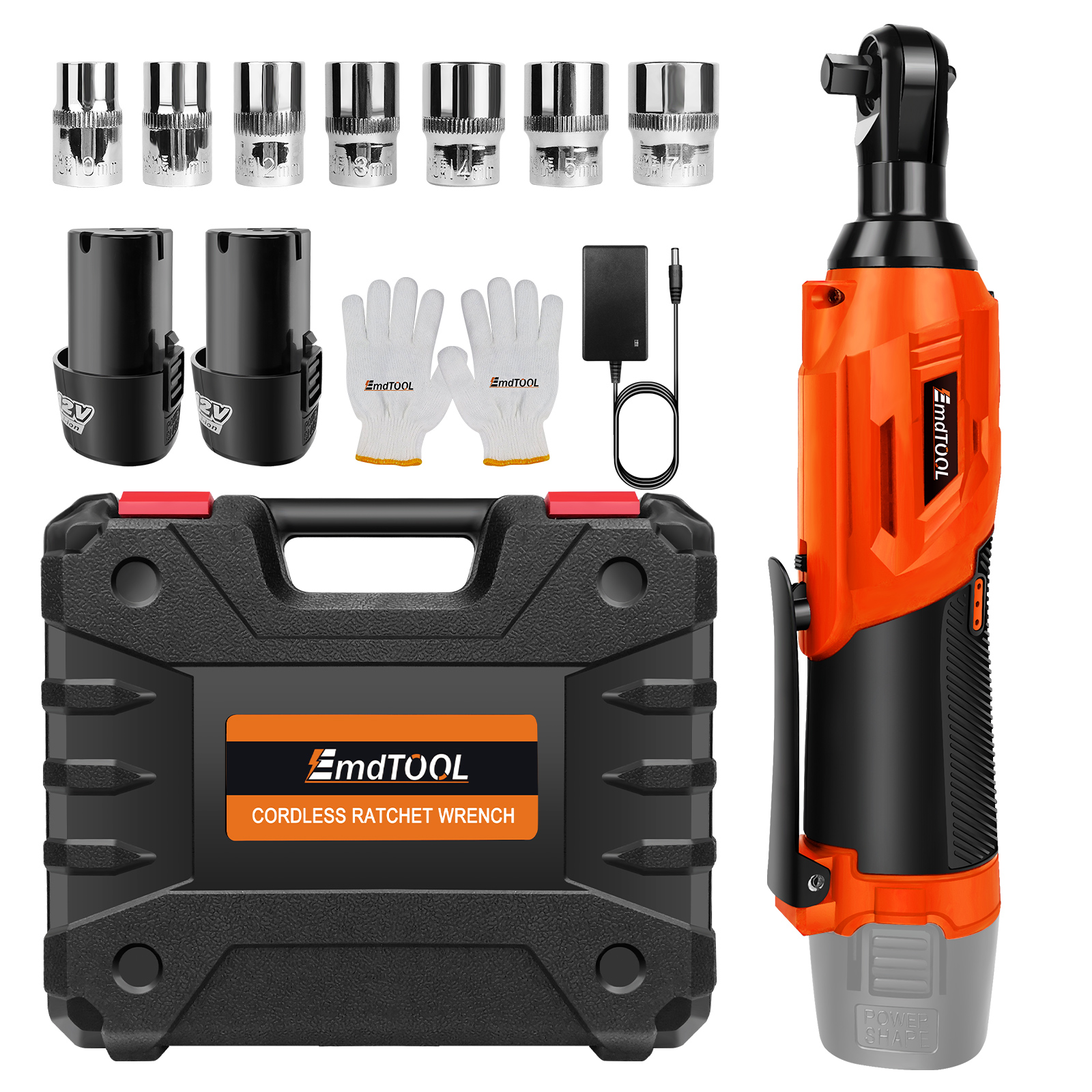
An electric socket wrench has become a must-have tool for both professional mechanics and DIY enthusiasts. This powerful device combines the leverage of a traditional ratchet with the speed of an electric motor. As a result, it makes fastening and loosening bolts faster and less tiring. Whether you’re working on a car engine, assembling furniture, or repairing machinery, an electric socket wrench saves time and effort. Its compact design allows access to tight spaces where larger tools won’t fit.
Moreover, modern models offer variable speed settings, built-in LED lights, and ergonomic grips. These features improve control and visibility during use. Many versions run on rechargeable lithium-ion batteries. This means no cords to limit movement or trip over. Users enjoy full mobility around the workspace. Because of its growing popularity, understanding how to choose and use an electric socket wrench helps you get the most out of your investment.
 What is an Electric Socket Wrench?
An electric socket wrench is a power tool used for tightening or loosening bolts and nuts. It operates using a motor that generates rotational force, making tasks faster and more efficient. Unlike a manual wrench, it requires less physical effort, making it ideal for professionals and DIY enthusiasts.
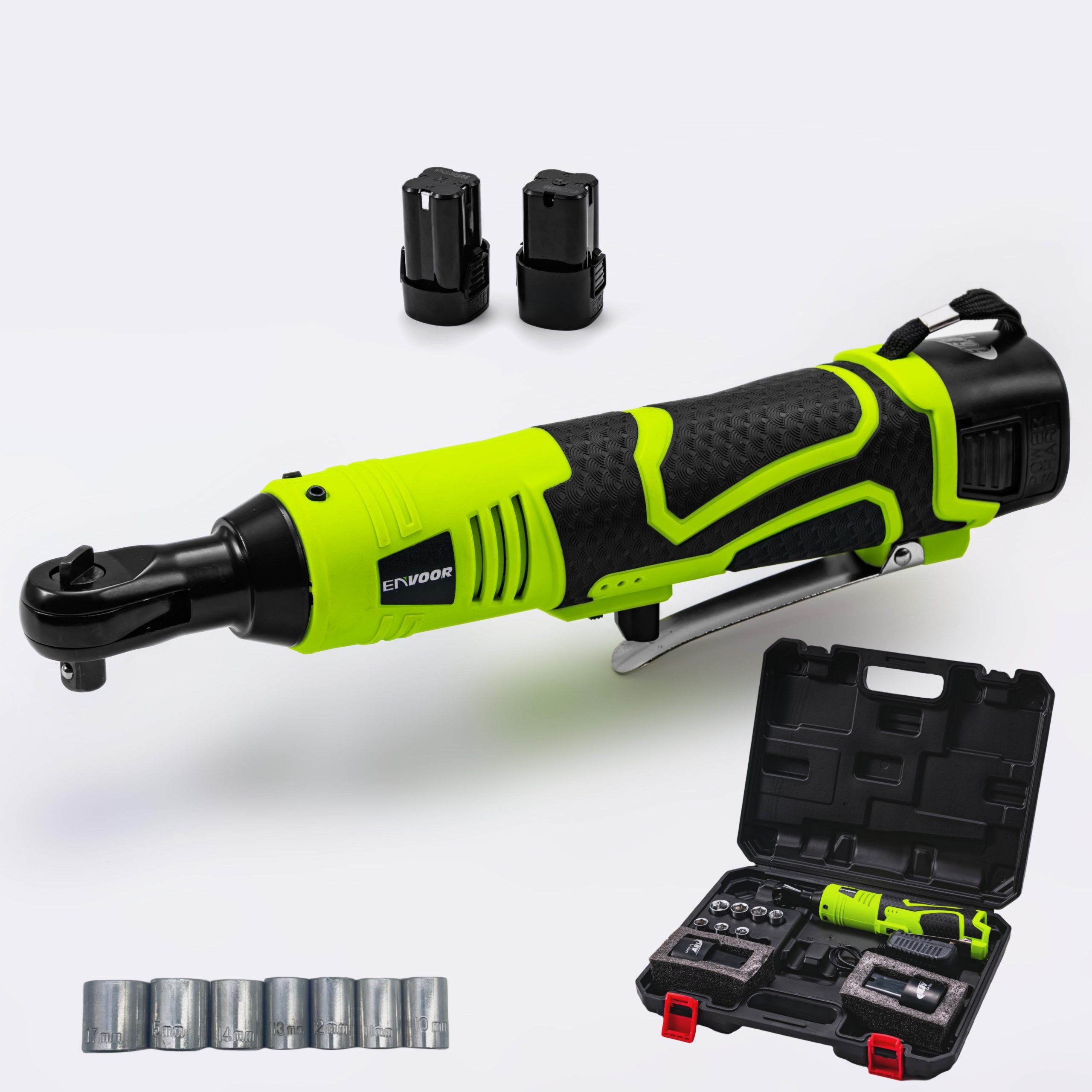
This tool comes in various shapes and sizes, designed for specific applications. The most common types include cordless and corded electric socket wrenches. Cordless models are battery-powered, offering portability and flexibility for outdoor or remote tasks. Corded models rely on a constant power supply and are suitable for prolonged tasks that require consistent performance.
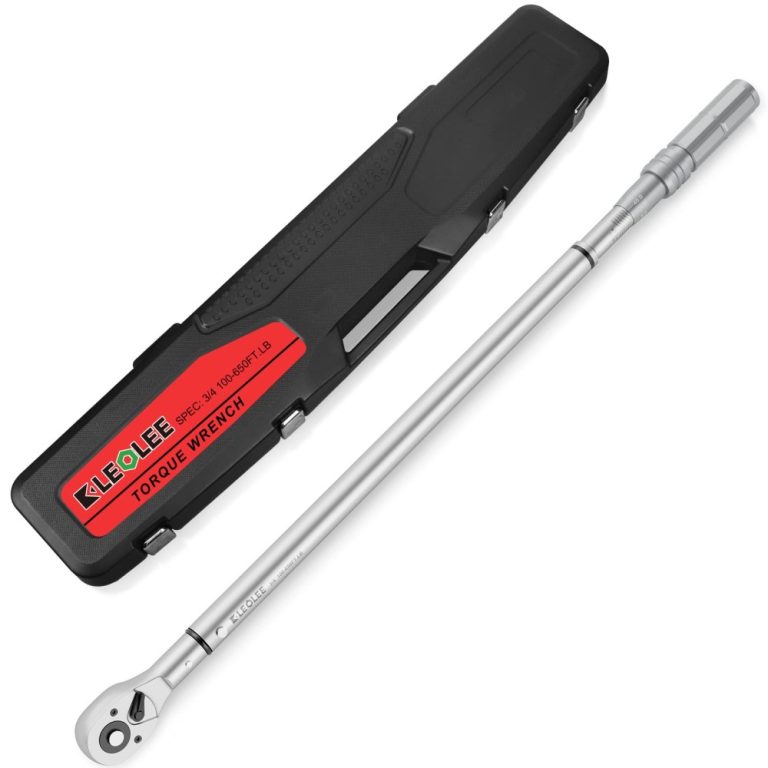
Electric socket wrenches often have adjustable torque settings. This allows users to customize the force applied. The result is improved precision and reduced risk of damaging fasteners or materials. Certain models also feature reversible functions, enabling easy switching between tightening and loosening bolts.
The tool is used in various industries, including automotive repair, construction, and manufacturing. It is designed to save time and increase efficiency for repetitive or demanding tasks. Beginners and professionals alike can benefit from its versatility and powerful performance.
In summary, an electric socket wrench is a must-have tool for handling bolt and nut operations efficiently. Its advanced features and ease of use make it essential for tasks that require consistent power and precision.
Key Features and Types
Electric socket wrenches are designed with advanced features to enhance efficiency and convenience. These tools come in various types, each catering to specific needs. Let’s explore their key features and variations.
Key Features of Electric Socket Wrenches
- Torque Settings: Many electric socket wrenches have adjustable torque settings. This feature helps control the force applied, preventing over-tightening or stripping bolts.
- Reversible Function: This allows users to switch between tightening and loosening bolts effortlessly.
- Compact Design: A lightweight and ergonomic design ensures ease of use, even in tight spaces.
- Speed Control: Some models offer variable speed controls, which enhance precision during use.
- Built-in LED Lights: Certain wrenches include LED lights, improving visibility in low-light conditions.
- Durability: Electric socket wrenches are made with sturdy materials to handle demanding tasks.
Types of Electric Socket Wrenches
- Cordless Electric Socket Wrenches:
- Powered by rechargeable batteries, these models are portable and convenient for outdoor tasks.
- Ideal for quick repairs where power sources are unavailable.
- Corded Electric Socket Wrenches:
- These rely on a continuous power supply through a cord.
- Perfect for extended tasks as they provide consistent power.
- Impact Socket Wrenches:
- Built for heavy-duty jobs, they deliver high torque to handle stubborn fasteners.
- Suitable for automotive repair and construction applications.
- Mini Electric Socket Wrenches:
- Compact and lightweight, these are perfect for small precision tasks.
- Commonly used in electronics or intricate assembly work.
How to Choose the Right Type
- For portability: Opt for cordless models for flexibility.
- For power consistency: Choose corded models for longer tasks.
- For heavy jobs: Use impact wrenches for demanding applications.
- For precision work: Mini electric wrenches are the best choice.
Electric socket wrenches are versatile tools with various features and types. Understanding them helps in selecting the right tool for any task or application.
 Benefits of Using an Electric Socket Wrench Compared to Manual Tools
Using an electric socket wrench offers many advantages over traditional manual tools. These benefits make it a reliable and efficient option for various tasks.
1. Saves Time and Effort
Electric socket wrenches operate with a motor, reducing the physical effort required. They complete tasks faster, enabling you to finish jobs in less time.
2. Precise Torque Control
Adjustable torque settings ensure accurate fastening and prevent over-tightening or damaging bolts. This feature is especially helpful when working on sensitive materials or machinery.
3. Reduces Risk of Injury
With minimal physical exertion, there is less risk of strain or injury during use. This makes the tool suitable for prolonged tasks.
4. Versatility Across Applications
Electric socket wrenches can handle a wide range of applications, from automotive repair to construction. Their adaptability makes them a vital addition to any toolkit.
5. Ideal for Tight Spaces
Compact electric socket wrenches are designed for tasks in confined areas where manual tools struggle. They provide efficient and precise performance even in hard-to-reach spots.
6. Consistent Performance
Corded electric socket wrenches offer a constant power supply, ideal for long and demanding jobs. They eliminate interruptions caused by manual adjustments.
7. Improved Comfort
Electric models often feature ergonomic designs and are lightweight. These attributes minimize hand fatigue during extended use.
8. Reversible Functionality
The reversible function allows users to toggle between tightening and loosening efficiently. This versatility is a significant advantage over traditional wrenches.
In summary, an electric socket wrench surpasses manual tools in efficiency, precision, and ease of use. Whether for professional or DIY projects, its advanced features save time and make tasks much more manageable.
 Step-by-Step Guide
Proper use of an electric socket wrench ensures efficiency, safety, and accuracy. Follow this step-by-step guide to maximize your tool’s performance.
Preparing the Workspace and Tool
- Choose a Clean Workspace: Ensure the area is free from clutter or obstacles.
- Check Lighting: Good lighting helps with visibility and precision during tasks.
- Inspect the Tool: Examine the electric socket wrench for damage or wear before use.
- Secure the Power Source: For corded models, check for a stable power connection. Charge batteries for cordless models.
- Choose the Right Socket: Match the socket size to the bolt or nut to avoid slipping or damage.
- Lubricate When Necessary: If the fasteners are rusty or stuck, apply lubricant to ease operation.
- Safety Gear: Wear gloves or safety glasses to protect your hands and eyes from potential injuries.
Setting the Correct Torque Level
- Refer to Torque Requirements: Check the recommended torque level for the task. Refer to manuals if available.
- Adjust Torque Settings: Use the built-in torque adjustment feature to set the desired level precisely.
- Double-Check Settings: Verify the selected torque level to ensure optimal fastening or loosening.
- Test on Scrap Material: Test the wrench on spare material to confirm the settings are correct.
Operating the Electric Socket Wrench Safely
- Attach the Socket Firmly: Secure the correct socket to the wrench’s square drive.
- Align the Tool Properly: Place the socket squarely over the nut or bolt.
- Grab the Handle Firmly: Maintain a secure grip for better control during operation.
- Start at Low Speed: Use a lower speed for more control, then increase as needed.
- Tighten or Loosen: Push the trigger to tighten or reverse the direction to loosen.
- Avoid Over-Tightening: Monitor torque and stop once the desired tension is reached.
- Inspect Results: Ensure the fastener is secure but not over-tightened.
- Turn Off the Tool: Switch off the wrench before changing sockets or storing it.
By following these steps, you can achieve effective results when using your electric socket wrench. Always prioritize safety and carefully adjust settings for precise work.
Common Mistakes to Avoid
Using an electric socket wrench effectively involves avoiding common mistakes that can affect its performance. Here are the key errors to watch out for:
1. Using Improper Torque Settings
Incorrect torque settings can damage bolts or fail to secure them properly. Always set the torque according to the task requirements.
2. Choosing the Wrong Socket Size
Using an incorrect socket size can cause slipping and damage to fasteners. Match the socket size to the bolt securely.
3. Ignoring Safety Gear
Skipping safety gear increases the risk of injuries. Always wear gloves and safety glasses when operating the wrench.
4. Over-Tightening Bolts
Excessive tightening can strip threads or damage materials. Monitor torque and stop when tension is adequate.
5. Neglecting Tool Inspection
Using a damaged wrench can lead to malfunction or accidents. Inspect the tool before each use for any wear or issues.
6. Working in Cluttered Spaces
Messy work areas can hinder movement and cause errors. Clear the workspace of obstacles before starting.
7. Misusing Speed Settings
Using high speed on sensitive tasks can reduce precision. Start with lower speeds and adjust as necessary.
8. Forgetting to Secure the Socket
An improperly attached socket can lead to poor performance and damage. Make sure the socket is firmly attached to the drive.
9. Using the Tool on Rusty Fasteners Without Lubrication
Attempting to work on rusty bolts without lubricant can strain the wrench. Apply lubricant to loosen stuck fasteners safely.
10. Ignoring Manufacturer Guidelines
Disregarding instructions can lead to improper use and damage. Always refer to the manufacturer’s manual for proper operation.
By recognizing and avoiding these mistakes, you can maximize the tool’s safety and efficiency. Use the electric socket wrench correctly to achieve accurate and effective results.
 Maintenance Tips
Proper maintenance of an electric socket wrench ensures long-lasting performance and reliability. Follow these tips to keep your tool in excellent condition:
Regular Cleaning
- Clean After Each Use: Wipe off dust, dirt, and grease using a clean cloth.
- Remove Debris from Moving Parts: Check for debris in the socket area and clean it promptly.
- Use Compressed Air: Blow away dust from hard-to-reach areas with compressed air.
Lubrication
- Lubricate Moving Parts: Apply a light lubricant to hinges and moving components regularly.
- Avoid Over-Lubricating: Apply only the necessary amount to prevent buildup and malfunction.
Inspect for Wear and Tear
- Examine Wiring and Batteries: Look for frayed wires or worn battery connectors.
- Check for Loose Components: Ensure all screws, sockets, and attachments are secure.
- Inspect the Drive Mechanism: Look for signs of wear or damage in the rotating parts.
Store Properly
- Keep in a Dry Place: Protect the wrench from moisture to prevent rust.
- Use a Case: Store the tool in a protective case to shield it from dust and impacts.
- Disconnect Power Source: Remove the battery or unplug the cord before storing.
Follow Manufacturer Guidelines
- Refer to the User Manual: Check the manual for detailed maintenance instructions.
- Use Approved Parts: Replace parts with those recommended by the manufacturer.
Battery Care (For Cordless Models)
- Charge Regularly: Charge the battery fully before storage to extend its life.
- Avoid Overcharging: Disconnect once charging is complete to prevent battery damage.
- Store Batteries Separately: Keep batteries in a cool, dry place when not in use.
Scheduled Servicing
- Professional Servicing: Take the wrench to a professional for annual inspections.
- Replace Worn Parts: Change components showing signs of wear to maintain performance.
Maintaining your electric socket wrench enhances its efficiency and lifespan. Regular care ensures it performs well for years to come.
Recommended Electric Socket Wrenches for Various Applications
Choosing the right electric socket wrench depends on your task requirements. Here’s a list of recommendations:
Automotive Repairs
- Cordless Impact Wrench:
- Offers high torque, ideal for stubborn fasteners.
- Lightweight design ensures easy handling during automotive repairs.
- Mini Electric Wrench:
- Compact size allows access to tight engine spaces.
- Suited for smaller bolts in delicate assemblies.
Construction Projects
- Heavy-Duty Corded Wrench:
- Provides consistent power for extended use.
- Designed for demanding tasks like assembling beams or removing large bolts.
- Impact Wrench:
- Delivers high performance for tough jobs such as concrete or metal fasteners.
- Durability ensures longevity in rigorous environments.
DIY Home Projects
- Cordless Electric Socket Wrench:
- Rechargeable and portable for tasks across various rooms.
- Versatile and suitable for furniture assembly or minor repairs.
- Variable Speed Wrench:
- Adjustable speed offers control for different home applications.
- Useful for lightweight bolts or delicate fittings.
Electronics or Precision Work
- Mini Cordless Wrench:
- Compact build and precise torque settings are perfect for small components.
- Ideal for fragile material or intricate installations.
- Ergonomic Design Models:
- Comfort-focused models minimize hand fatigue during detailed work.
- Maintains steady control for fine adjustments.
Factors to Consider
- Torque Requirement: Match torque settings with task needs for optimal results.
- Durability: Choose sturdy models for heavy-duty usage.
- Portability: Select cordless options for outdoor or flexible work.
- Budget: Compare features within your budget for the best choice.
Selecting the right electric socket wrench enhances efficiency and accuracy. Personalize your choice based on application-specific needs.
Frequently Asked Questions
Can I use regular sockets with an electric socket wrench?
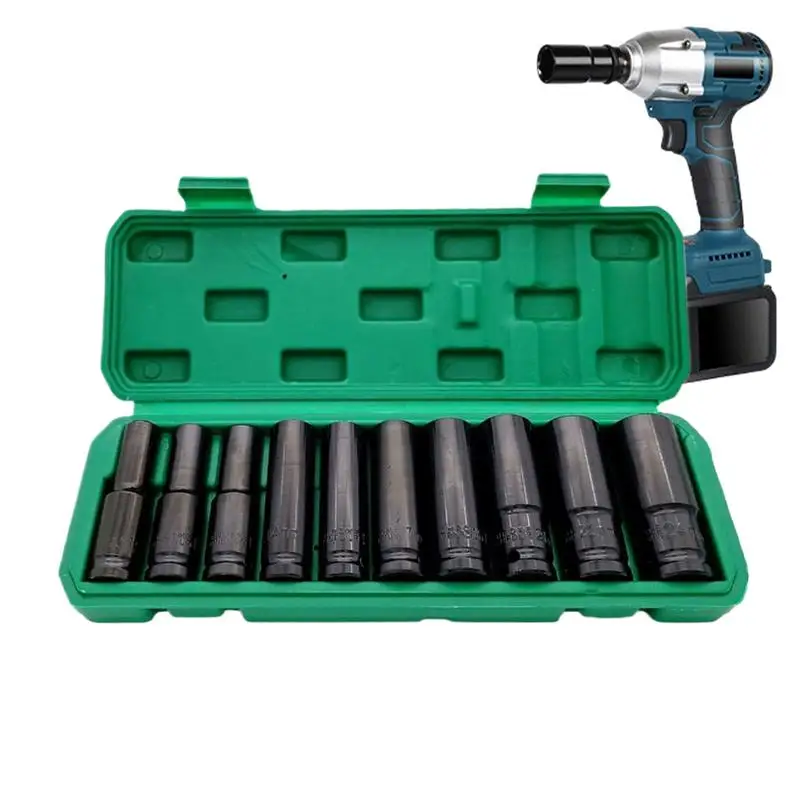
Yes, most standard sockets fit. Use impact-rated sockets for high-torque jobs. Regular chrome sockets may crack under stress.
Is it safe to use on delicate electronics?
Only with low torque settings. Always start at the minimum power. Monitor force carefully to avoid damage.
How long do batteries last?
Typically 2–5 years with regular use. Store them in a cool, dry place. Avoid full discharge for long periods.
Can I leave the battery on the charger?
It’s best to unplug once fully charged. Overcharging reduces battery life over time.
Do these tools require maintenance?
Yes. Clean the chuck and vents regularly. Check for loose parts or wear. Lubricate moving joints as needed.
Are electric socket wrenches waterproof?
Most are not. Avoid using in rain or wet conditions. Look for IP-rated models if moisture is a concern.
Final Thoughts
An electric socket wrench is a powerful addition to any toolkit. It improves speed, accuracy, and comfort across many tasks. From changing tires to building furniture, it delivers real value. With the right model, you complete jobs faster and with less effort.
In conclusion, understanding your needs helps you choose wisely. Consider torque, battery life, and build quality. Pick between corded and cordless based on your workspace. Always follow safety rules to protect yourself and your equipment. And as technology improves, the electric socket wrench continues to evolve. Whether you’re a pro or a weekend warrior, this tool makes every job easier. Ultimately, investing in a quality electric socket wrench pays off in time saved and results achieved.