Wrench Sizes in Order: A Complete Guide from Smallest to Largest
Understanding wrench sizes in order is essential for anyone working with tools. Whether you’re fixing a bike, assembling furniture, or repairing a car, knowing the correct size saves time and effort. Wrenches come in both metric and standard (imperial) systems. Each system has its own sequence of sizes. Having them organized helps you find the right one quickly.
Moreover, using the wrong size can damage bolts or nuts. It may also cause injury due to slipping. That’s why learning wrench sizes in order matters. This guide covers both measurement types. It explains how to read sizes. It also shows common uses and storage tips. With this knowledge, you’ll work more efficiently and safely.
 Introduction to Wrench Sizes
Wrench sizes play a vital role in ensuring a secure fit when fastening or loosening bolts and nuts. They are tools with varying dimensions designed to match different fastener sizes. Understanding the types of wrenches and their corresponding sizes can help you choose the right tool for the job. Using the correct wrench size ensures efficiency and prevents damage to fasteners or tools.
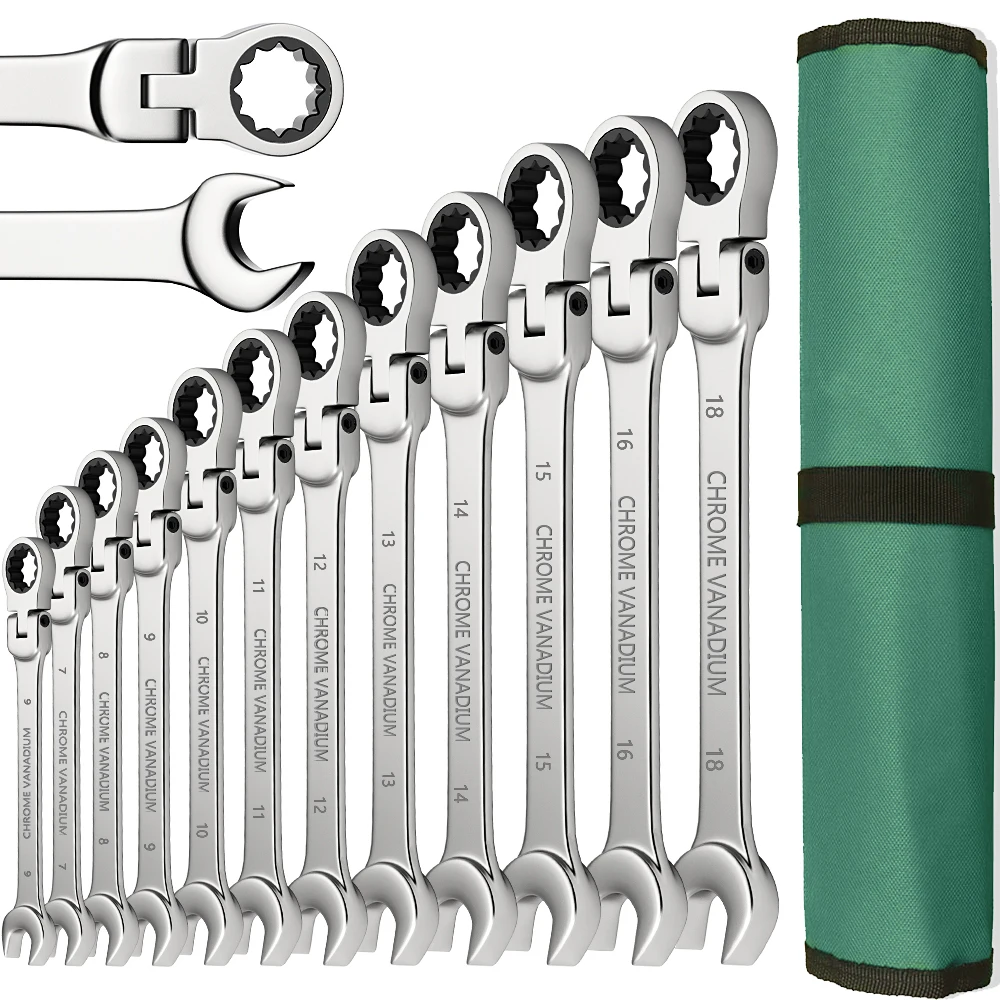
Wrench sizes are often organized in order, from small to large. This allows users to quickly find the size they need. Knowing the size range can save time and effort during a project. For instance, automotive repair often requires an understanding of common wrench sizes in order, especially when dealing with engine components.
In this guide, we will explore wrench sizes in detail. You will learn about types of wrenches, size measurement methods, and how to choose the best size for specific tasks. Our goal is to help you understand wrench sizes to improve your skills and avoid mistakes when working with tools.
Common Types of Wrenches
Wrenches come in many types, each designed for specific tasks. Knowing these types helps you pick the right tool for the job. Here are some of the most common types of wrenches:
Open-End Wrench
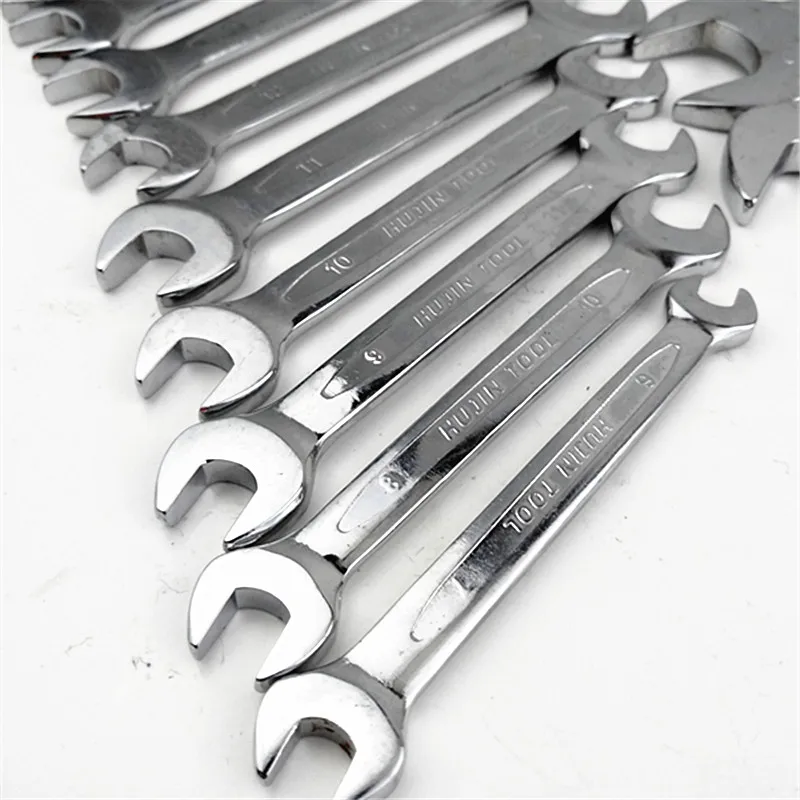
An open-end wrench has a U-shaped opening that grips two opposite sides of a fastener. It is ideal for quickly tightening or loosening nuts and bolts in tight spaces. Each end of the wrench usually has different sizes for versatility.
Box-End Wrench
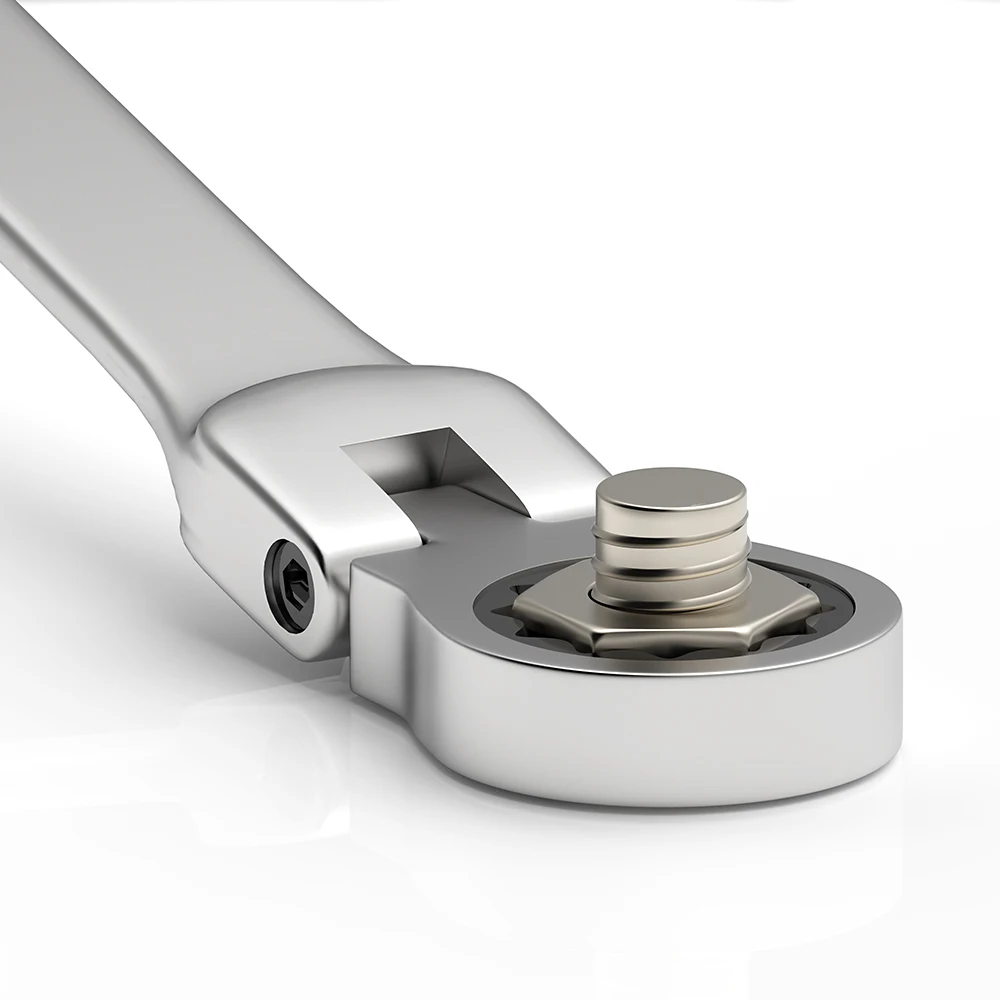
A box-end wrench has a closed, circular end that fully encloses a bolt or nut. This design reduces the chance of slipping and allows for better torque. Box-end wrenches often have 6 or 12 points to match fasteners, providing a secure fit.
Combination Wrench
A combination wrench has an open-end on one side and a box-end on the other. Both ends usually fit the same size fastener, offering flexibility. It is widely used for various repair and assembly tasks.
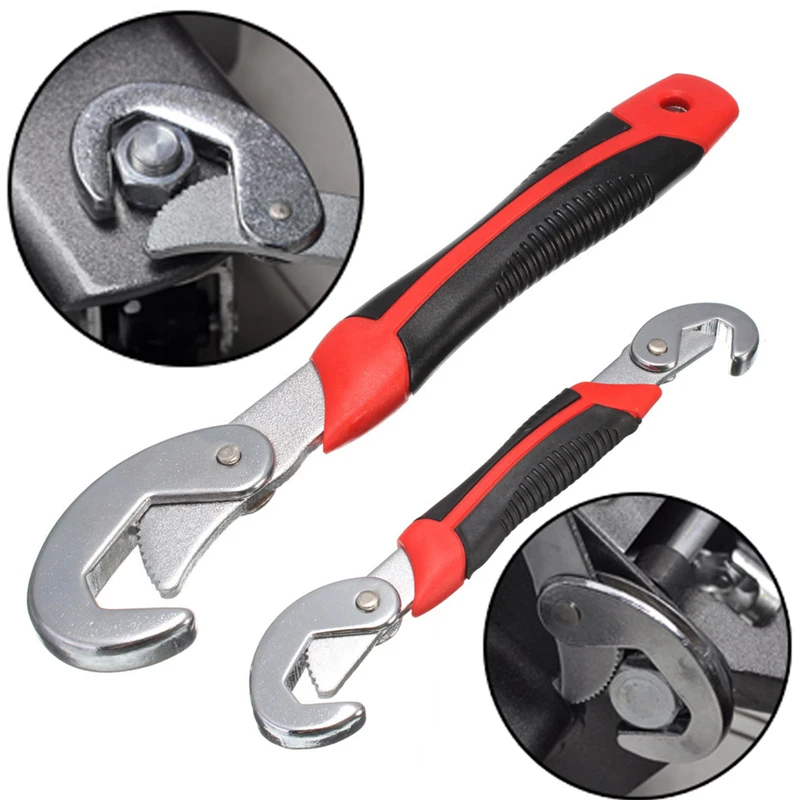
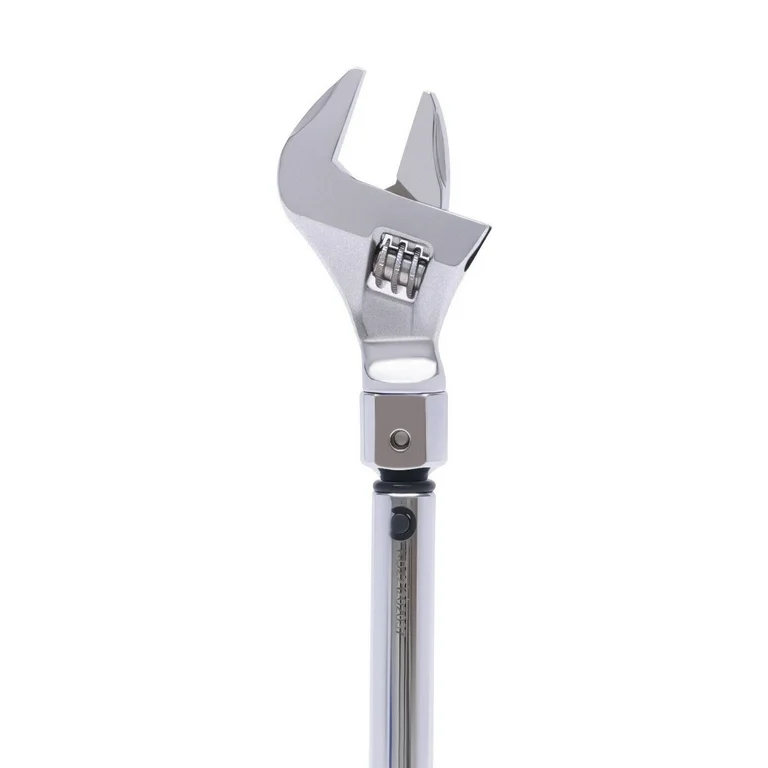
Adjustable Wrench
An adjustable wrench, also known as a crescent wrench, has a movable jaw. This allows it to fit different size fasteners. It is a versatile tool for both metric and imperial fasteners.
Socket Wrench
A socket wrench works with interchangeable sockets to fit different fastener sizes. It is commonly used for automotive and mechanical tasks. Socket wrenches often come with ratcheting mechanisms for easy and steady operation.
Torque Wrench
A torque wrench helps tighten bolts to a specific torque value. This prevents under-tightening or over-tightening. It is essential for precise applications like automotive repairs and machinery maintenance.
Allen Wrench
An Allen wrench, or hex key, is a simple tool shaped like an “L”. It is used for hexagon-shaped fasteners. These are common in furniture assembly and small machinery.
Pipe Wrench
A pipe wrench is designed to grip and turn pipes or round objects. It has serrated jaws and is adjustable to fit various pipe diameters.
Understanding these common types of wrenches and their uses is fundamental. The right wrench makes your work efficient and safe. Always choose the proper tool for the task and fastener size.
 Measuring Wrench Sizes
Measuring wrench sizes is essential to ensure proper tool and fastener compatibility. Wrench sizes are typically categorized in two systems: metric and imperial.
- Metric Measurement:
- Metric wrench sizes are denoted in millimeters (mm).
- Common metric sizes include 8mm, 10mm, and 12mm.
- These sizes align with bolt or nut dimensions for seamless fastening.
- Imperial Measurement:
- Imperial measurements use inches to define sizes.
- Common sizes are 1/4 inch, 1/2 inch, or 3/4 inch.
- These sizes cater to fasteners primarily found in North America.
How to Measure Wrench Sizes
Here are ways to measure wrench sizes efficiently:
- Use a Caliper: Place the caliper jaws on the fastener to measure its size precisely.
- Check Manufacturer Labels: Many wrenches have sizes etched or stamped on them.
- Match Fasteners: Align the fastener with the wrench opening to ensure a proper fit.
Correct size measurement is crucial, whether using socket, box-end, or adjustable wrenches. Avoid guessing, as incorrect sizing may damage fasteners or tools. Follow these tips to measure precisely and work efficiently.
Standard Wrench Sizes Chart
Understanding the standard wrench sizes chart is vital for selecting the correct tool. This chart organizes wrench sizes systematically, allowing users to quickly determine the right fit for specific fasteners. Typically, wrench sizes are categorized into metric and imperial systems.
Metric Sizes
- Metric sizes range from small to large, denoted in millimeters (mm).
- Common sizes include: 8mm, 10mm, 12mm, 14mm, and 17mm.
- These sizes are widely used in machinery, automotive repairs, and international equipment.
Imperial Sizes
- Imperial sizes are measured in fractions of an inch.
- Common sizes are: 1/4 inch, 1/2 inch, 5/8 inch, and 3/4 inch.
- These reflect fasteners mainly found in North American systems.
Importance of a Wrench Sizes Chart
- Quick Reference: The chart helps identify the needed wrench size easily during projects.
- Organization: It prevents confusion by clearly separating metric and imperial sizes.
- Efficiency: Using the correct size saves time and minimizes the risk of damage to fasteners.
How to Use a Wrench Sizes Chart
- Reference the chart based on the fastener you plan to work with.
- Confirm the required size by matching the wrench to the fastener dimensions.
- Ensure compatibility with the fastener’s size and type for smooth operation.
Having a standard wrench sizes chart can simplify tool selection. Keep it accessible for quick consultations during mechanical or repair tasks.
 Metric vs. Imperial Wrench Sizes
Understanding the difference between metric and imperial wrench sizes is crucial for effective tool use. These two measurement systems are widely used, but they cater to distinct fastener standards and regions.
Metric Wrench Sizes
Metric sizes are measured in millimeters (mm). They are a standard in most countries worldwide. Common metric wrench sizes include 8mm, 10mm, 12mm, 14mm, and 17mm. Metric wrenches are often used for automotive repairs, international machinery, and equipment.
Benefits of metric wrench sizes:
- They provide precise fittings for bolts and nuts.
- They are ideal for tasks involving metric fasteners.
- They cater to modern machinery and globally manufactured objects.
Imperial Wrench Sizes
Imperial sizes are measured in inches or fractions of an inch. These are commonly used in North America. Popular imperial wrench sizes include 1/4 inch, 1/2 inch, 5/8 inch, and 3/4 inch. Imperial wrenches are suitable for older machinery and American-built equipment.
Advantages of imperial wrench sizes:
- They fit fasteners made to imperial measurements.
- They are widely available in North America.
- They are perfect for maintenance of vintage tools and equipment.
Choosing Between Metric and Imperial Sizes
- Identify the region where the fasteners were manufactured.
- Match wrenches based on the labeling of bolts and nuts.
- Consider keeping sets of both metric and imperial sizes for versatility.
Being familiar with metric and imperial wrench sizes ensures efficient repairs and maintenance. Using the right system avoids fastener damage and project delays.
Selecting the Right Wrench Size for Your Project
Choosing the appropriate wrench size is key to completing any project efficiently and safely. Using the wrong size can damage fasteners, tools, or delay your work. Here’s a simple guide to help you select the right wrench size:
- Determine the Fastener Type:
- Check if the fastener is metric or imperial.
- Metric fasteners typically use millimeter measurements.
- Imperial fasteners use inches or fractions of an inch.
- Identify the Fastener Size:
- Measure the fastener diameter with a caliper or ruler.
- Refer to a wrench sizes chart for corresponding wrench sizes.
- Ensure the size matches precisely to avoid slipping or stripping the fastener.
- Match the Wrench Type to Your Task:
- Use an open-end wrench for quick, simple adjustments.
- A box-end wrench or socket wrench offers a firm grip for higher torque tasks.
- Choose an adjustable wrench for flexibility across multiple fastener sizes.
- Use a torque wrench when precision tightening is required.
- Consider Accessibility:
- For tight spaces, select wrenches with slim profiles, like combination wrenches.
- Use tools with angled or flexible heads for hard-to-reach fasteners.
- Opt for a Complete Set:
- Keep a full set of metric and imperial wrenches.
- This ensures you’re always prepared, especially for diverse projects.
Pro Tips:
- Always label and organize your wrenches by size for quick access.
- Use the correct chart or guide to double-check wrench sizes for your fasteners.
- If unsure, test fit multiple sizes to find the most secure fit without over-tightening.
Selecting the right wrench size for your project can save time and prevent frustration. With the correct tools and knowledge, you can protect your fasteners and complete tasks smoothly.
 Maintenance and Care for Wrenches
Proper maintenance is key to ensuring the long life of your wrenches. Well-maintained wrenches are more reliable and efficient. Here are some essential tips to keep your wrenches in good condition:
- Clean After Every Use:
- Wipe your wrenches with a clean, dry cloth after each use.
- Remove dirt, grease, and any residue to prevent rust buildup.
- Store Properly:
- Keep wrenches in a dry, organized toolbox or on a wall-mounted rack.
- Avoid leaving wrenches in damp or humid areas.
- Apply Lubrication:
- For moving parts like adjustable or torque wrenches, apply a small amount of oil.
- Lubrication keeps the moving parts working smoothly.
- Inspect Wrenches Regularly:
- Check for wear, cracks, or damage before each use.
- Do not use damaged wrenches, as they can harm fasteners or cause injury.
- Avoid Excessive Force:
- Only use wrenches as intended and avoid over-tightening fasteners.
- Excessive force can deform the wrench and compromise its effectiveness.
- Use Correct Sizes:
- Always match the wrench size to the fastener size to avoid slipping or damage.
- Check a wrench sizes chart for proper sizing.
- Prevent Rust:
- Consider using rust inhibitors or anti-corrosion sprays on metal wrenches.
- Store silica gel packs in your toolbox to reduce moisture.
- Sharpen and Replace As Needed:
- For pipe wrenches or tools with serrated edges, maintain their grip by sharpening.
- Replace wrenches that no longer provide a proper fit.
By following these maintenance steps, you can extend the life of your wrenches. Organized and well-kept tools will also improve your work efficiency and ensure safety. Always treat your wrenches as a valuable investment, and they will serve you for years.
Frequently Asked Questions About Wrench Sizes
Here are common questions about wrench sizes, answered simply to enhance your understanding:
What are the most common wrench sizes?
Common wrench sizes include 10mm, 12mm, and 14mm for metric tools. For imperial sizes, popular options are 1/4 inch, 1/2 inch, and 3/4 inch. These sizes work for many fasteners in automotive, machinery, and household tasks.
How can I determine the correct wrench size?
Use a caliper or ruler to measure the fastener. Compare the measurement to a wrench sizes chart. Ensure accurate matching to prevent fastener damage.
Can metric and imperial wrenches be used interchangeably?
Metric and imperial wrenches are not interchangeable due to differences in measurement units. Always match wrench sizes to fastener types.
What is the best wrench type for tight spaces?
Combination wrenches or adjustable wrenches are excellent for tight spaces. They offer versatile, compact designs that minimize obstacles.
What is the difference between a combination wrench and a box-end wrench?
Combination wrenches have open and box ends on opposite sides. Box-end wrenches only have circular ends for a secure grip.
How do I maintain my wrenches?
Clean wrenches after use. Store them in dry places. Apply oil to moving parts and inspect for damage regularly.
Why are wrench sizes labeled in order?
Ordered sizes simplify selection during tasks. They save time and prevent confusion while working.
Is a torque wrench necessary?
Torque wrenches are crucial for precise bolt tightening, especially in automotive or heavy machinery work. They prevent over-tightening or under-tightening.
Are pipe wrenches suitable for non-pipe fasteners?
Pipe wrenches are designed for round objects like pipes. They are not ideal for regular bolts or hex-headed fasteners.
Should I have a complete set of wrenches?
A complete set, both metric and imperial, ensures readiness for diverse projects. It improves flexibility and reduces task delays.
By understanding these answers, you can confidently use and select the right wrench sizes.
Final Thoughts on Wrench Sizes in Order
Knowing wrench sizes in order transforms how you work. It brings clarity, speed, and safety. Whether you use metric or standard, organization matters.
This knowledge applies everywhere. Home projects, auto repair, and hobbies all benefit. You gain confidence with each successful fix.
A well-ordered set reflects professionalism. Even casual users feel more capable. Preparation beats panic.
As tools evolve, so should your habits. Label, sort, and maintain. Make wrench sizes in order part of your routine.
Now, every task becomes simpler. You reach for the right tool first. Mistakes drop. Results improve. Mastering wrench sizes in order is a small step that delivers lasting rewards.